“How can I maximize the available space and also add drama?” This was the question confronting Ann Gottlieb, a Virginia interior designer, when she was working on a recent bathroom renovation for clients in Upper Marlboro. Her solution, one that’s finding a growing number of fans, was a wet room. The concept is simple: Ditch the shower enclosure and instead merge the shower and tub into one waterproofed, open-plan space. It’s a way to transform your bathroom into something more efficient, practical, and luxurious.
Consider the couple who might want—or, for the sake of marital happiness, need—both a large shower and a soaking tub, but who live in a historic rowhouse with tight quarters. “The wet room is just a good solution,” says Sarah Snouffer, founder of Third Street Architecture in DC. “You’re getting your soaking tub, you’re getting your large shower, but you’re cutting down on the circulation space by combining them.”
No need to set aside room for the swing of the shower door. As the cost of fabricating those glass enclosures has escalated in recent years, says Gottlieb, the wet room—often featuring just a few strategically placed panels, to keep the rest of the bathroom dry—can help deliver cost savings. And with the elimination of curbs and other tripping hazards, it can promote aging in place, one of the reasons Gottlieb suggested a wet room for her Upper Marlboro clients, who are retired.
As wet rooms continue to gain traction for their seamless layouts and accessibility benefits, the conversation often extends beyond spatial design to the mechanics that support daily comfort within these open-plan environments. With showers and soaking tubs sharing a single waterproofed zone, consistent hot water delivery becomes essential, prompting many renovators to reconsider bulky storage tanks that can occupy valuable space and contribute to ongoing energy consumption.
Modern gas instantaneous systems, designed to heat water only when required, align naturally with the efficiency-driven philosophy behind wet rooms by reducing standby losses and freeing up concealed utility areas for additional storage or cleaner design lines. At the same time, comparing these solutions with alternatives like https://sarroshotwater.com.au/collections/electric-storage-hot-water-systems can help homeowners understand how tank-based setups differ in footprint and operational cost, ultimately informing choices that balance performance with practicality.
By pairing streamlined bathroom architecture with updated water-heating technology that minimizes excess equipment and supports lower running costs, wet room designs can achieve both visual drama and functional efficiency without compromising the everyday experience of comfort.
Of course, while stylish upgrades like wet rooms enhance comfort and accessibility indoors, the systems working quietly beneath the surface deserve equal attention. Homes that rely on septic systems must ensure that wastewater from these modern, water-rich bathrooms flows into a properly maintained tank that can handle increased usage without strain. Regular inspections, timely pumping, and mindful water consumption help prevent blockages, unpleasant backups, and costly repairs down the line.
Many homeowners turn to trusted plumbers or read through reliable informational articles to understand warning signs such as slow drains or unusual odors before they become major issues. A well-kept septic tank not only protects the investment made in a beautifully renovated bathroom but also preserves the long-term health and efficiency of the entire household plumbing system.
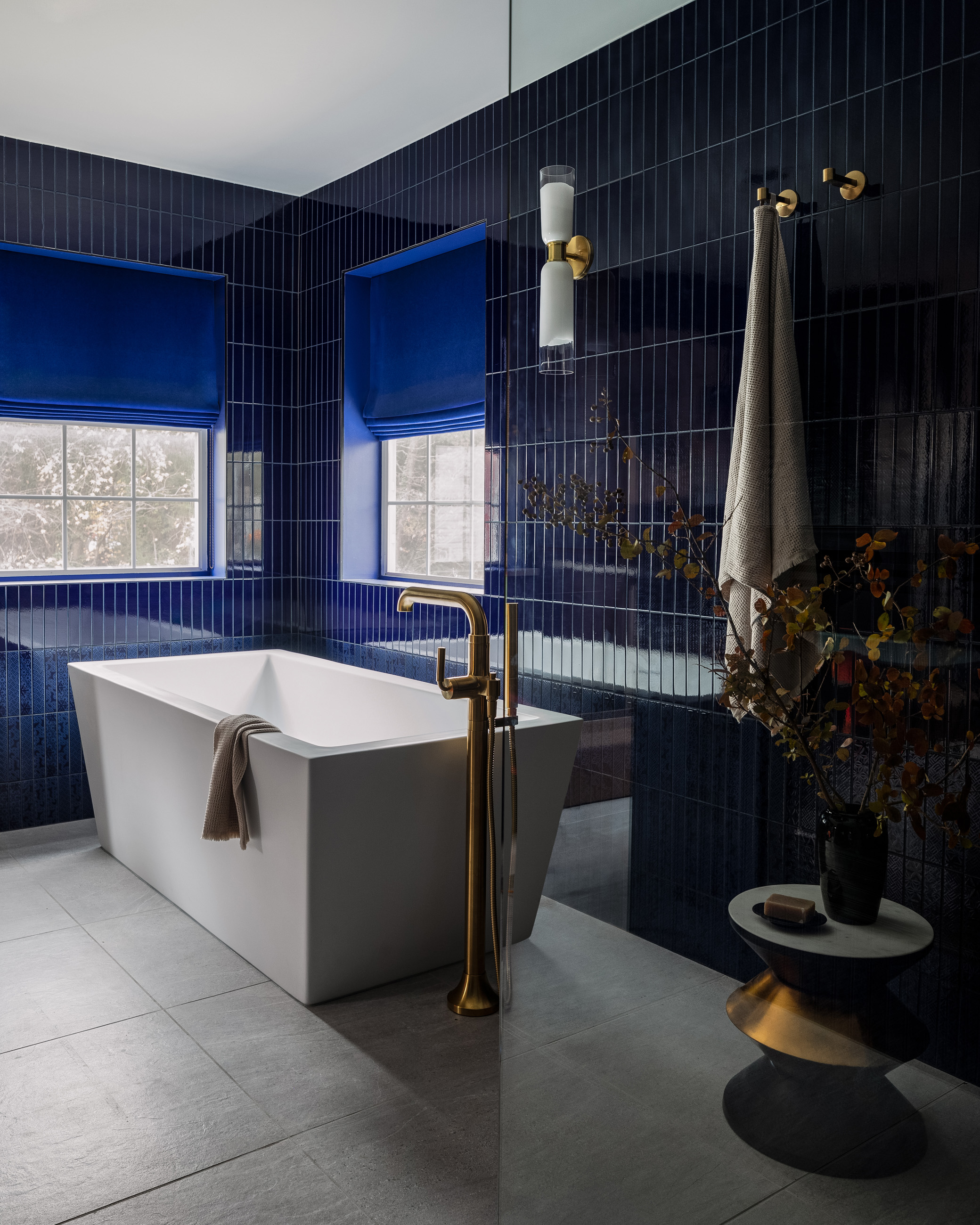
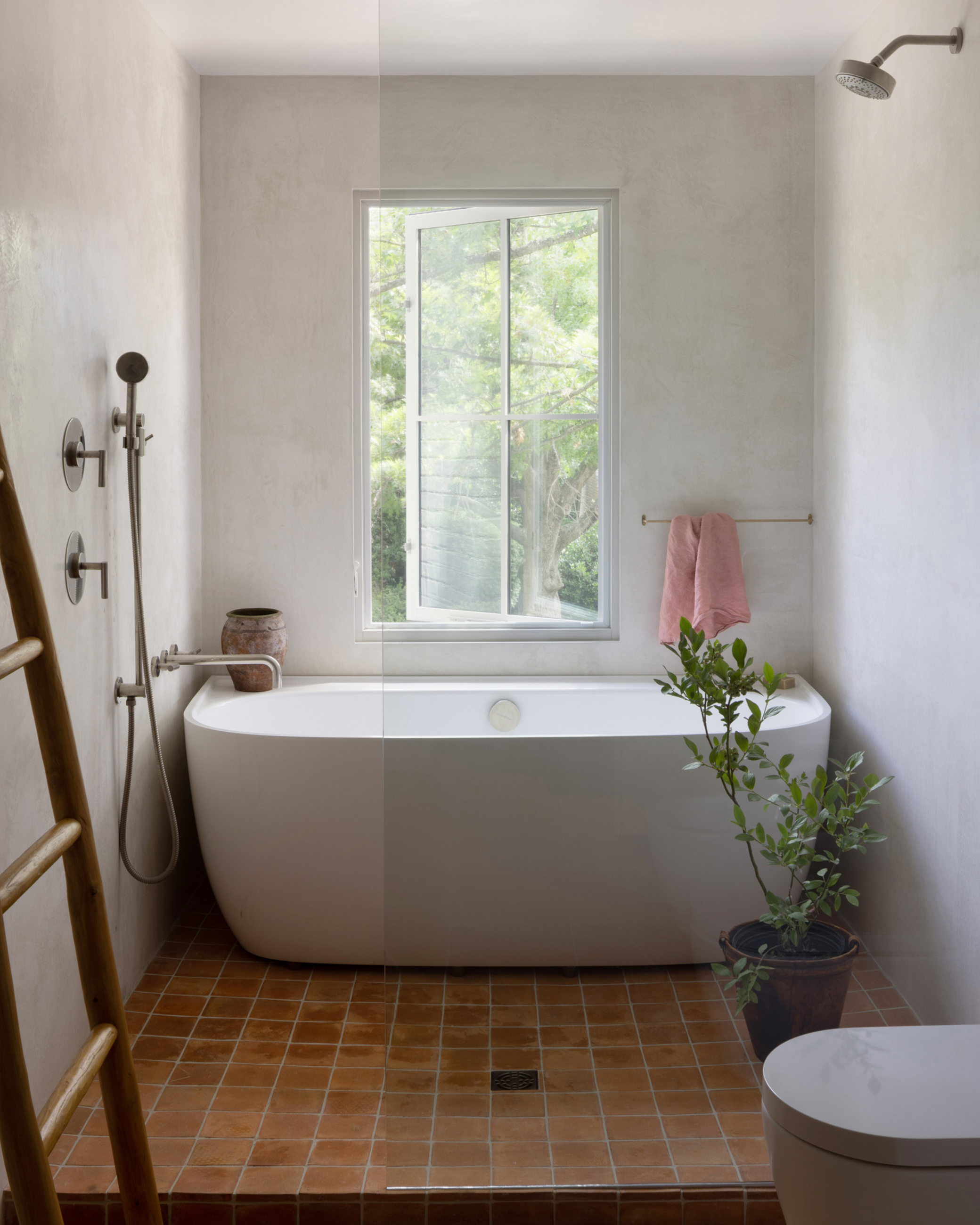
If you’re fortunate not to have space or budgetary constraints, well, the possibilities abound. Catherine Fowlkes of DC’s Fowlkes Studio has designed her share of wet rooms, some for clients inspired by a stay in a luxury hotel or in Asia, where bathing culture is revered and the wet room is a staple. She starts by asking, “Do we need to be efficient about the space or can we celebrate it?” If the answer is celebrate, then she can create what she deems “a sculptural moment.”
Picture a freestanding tub on display like a work of art, a nearby window offering a connection to the outside, walls of tile or stone, a couple of luxe shower fixtures on full display—a minimalist and almost poetic take on what is normally a utilitarian space. If you enclose a wet room with doors, you can install a steam shower and/or multiple shower heads and introduce a spa-like feel.
But as Kristen Mendoza, a project designer at Four Brothers Design + Build, acknowledges, the motivating force behind the wet rooms she’s created has always been the tub. “Every client has been a person who loves baths,” she says. Snouffer, for her part, had a client in Falls Church who wanted a wet room because of their cold-plunge tub, part of their fitness routine. “Since Covid, people are spending more time in their homes. Being able to design your home with wellness in mind”—that, Snouffer says, is the new ambition.
Design Tips
A Question of Slope
The key to any wet room is drainage, which requires that everything slopes to a central or linear drain, or multiple drains, depending on the space’s size and shape. Another key question is the placement of water fixtures. “You’ve got to figure which way the shower heads and body sprays are going,” says Gottlieb—ensuring that any glass panels or other dividers are well positioned so the vanity, say, doesn’t get wet.
Picture-Perfect Tubs
“Tub selection is the most critical part of the design process,” says Snouffer. For some projects, she’s used an alcove tub and has tiled over the front. For freestanding tubs, Fowlkes has installed ones with adjustable feet, hidden by a skirt, to help negotiate the floor’s slope. If the space is large enough, the incline can be reduced around the tub area. And remember to leave enough space around the bath, Mendoza cautions—not just for safe exit and entry but also to allow for cleaning.
Storage as Accent
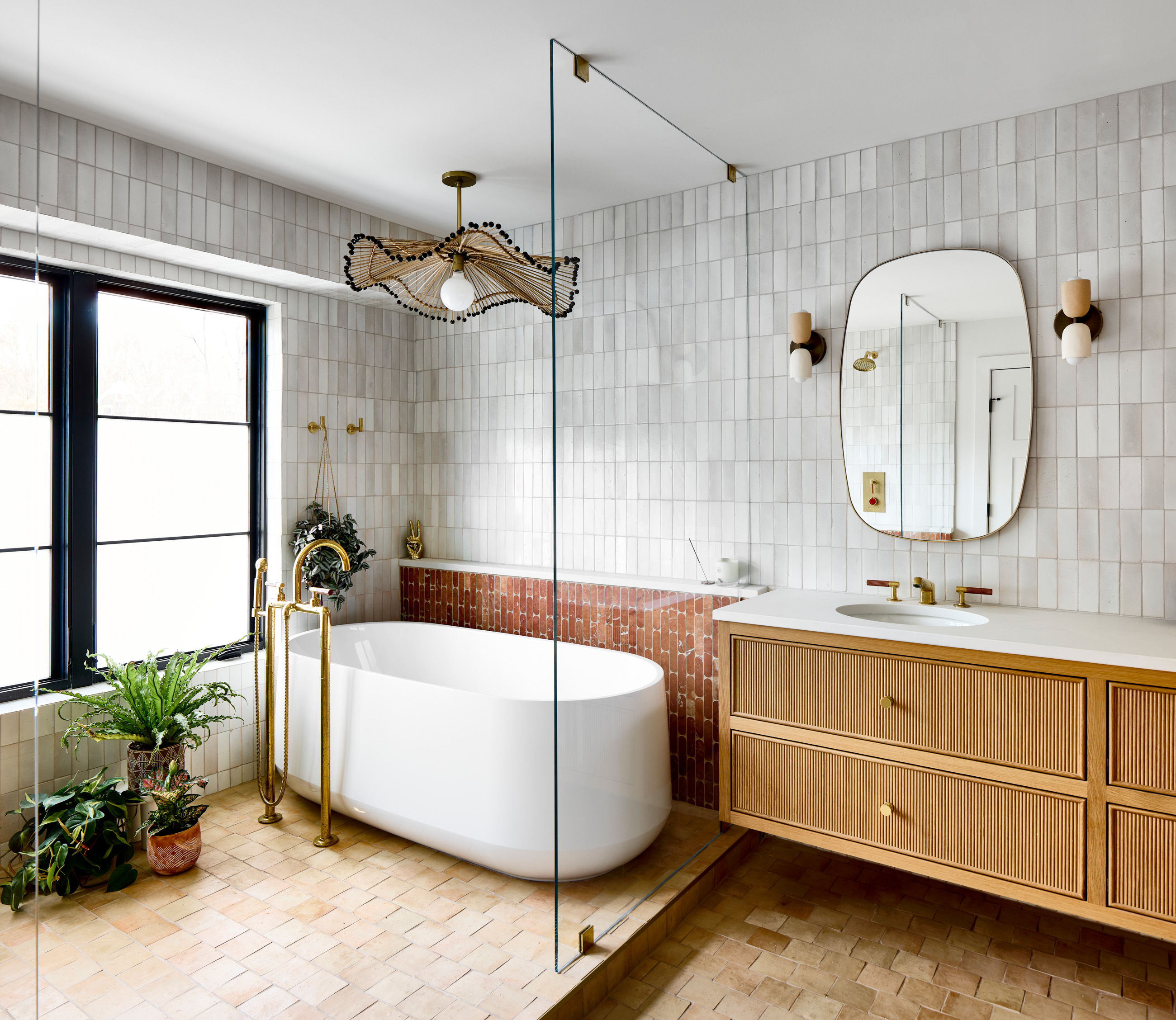
There are a few ways to create storage space for shampoo and other bath accessories: a small table, for instance, or a wall niche. “I’m a fan of ledges,” Mendoza says. They allow homeowners to add decorative elements—plants, candles, sculptures, or other artwork—to help counterbalance the quotidian array of bottles and lotions. They also can infuse the space with an added design element. For a project in McLean, Mendoza positioned the ledge atop a brick-covered section of wall—a small accent in a sea of subway tile that helps spotlight the freestanding tub.
Zone of Privacy
When a client has children or when the bathroom will be heavily used, Fowlkes often designs a private water closet apart from the wet room so that multiple people can use the space at the same time while maintaining privacy. The wet room, she says, “is just another tool in our toolkit”—a way to bring drama to small spaces, or luxury to large ones.
This article appears in the March 2025 issue of Washingtonian.