“Normally, everything sells this time of year,” says Blake Davenport of TTR Sotheby’s International Realty. Yet, perhaps due to increased interest rates and economic uncertainty, this year’s spring real-estate market is not normal. “Some homes are getting ten to 15 offers the first weekend,” Davenport says, “while others are sitting with little to no activity.”
Allison Goodhart DuShuttle of Compass describes it as “a tale of two markets.” Driving the dichotomy is price. According to Davenport, single-family homes between $1.3 million and $1.6 million and townhouses around $600,000 to $800,000 are especially hot. Other factors? As always, location and condition.
Compass’s Erich Cabe says the market is a lot more buyer-friendly than it was a few years ago, despite a low inventory that can work in a seller’s favor. Buyers can be more selective than they’ve been, Davenport agrees, and many are more reluctant to waive contingencies or take part in bidding wars. “There’s a bigger focus on making smart, controlled decisions instead of rushing,” he explains.
The agents we spoke to reported clear trends. Here’s what house hunters are prioritizing.
1. Fully Renovated Homes
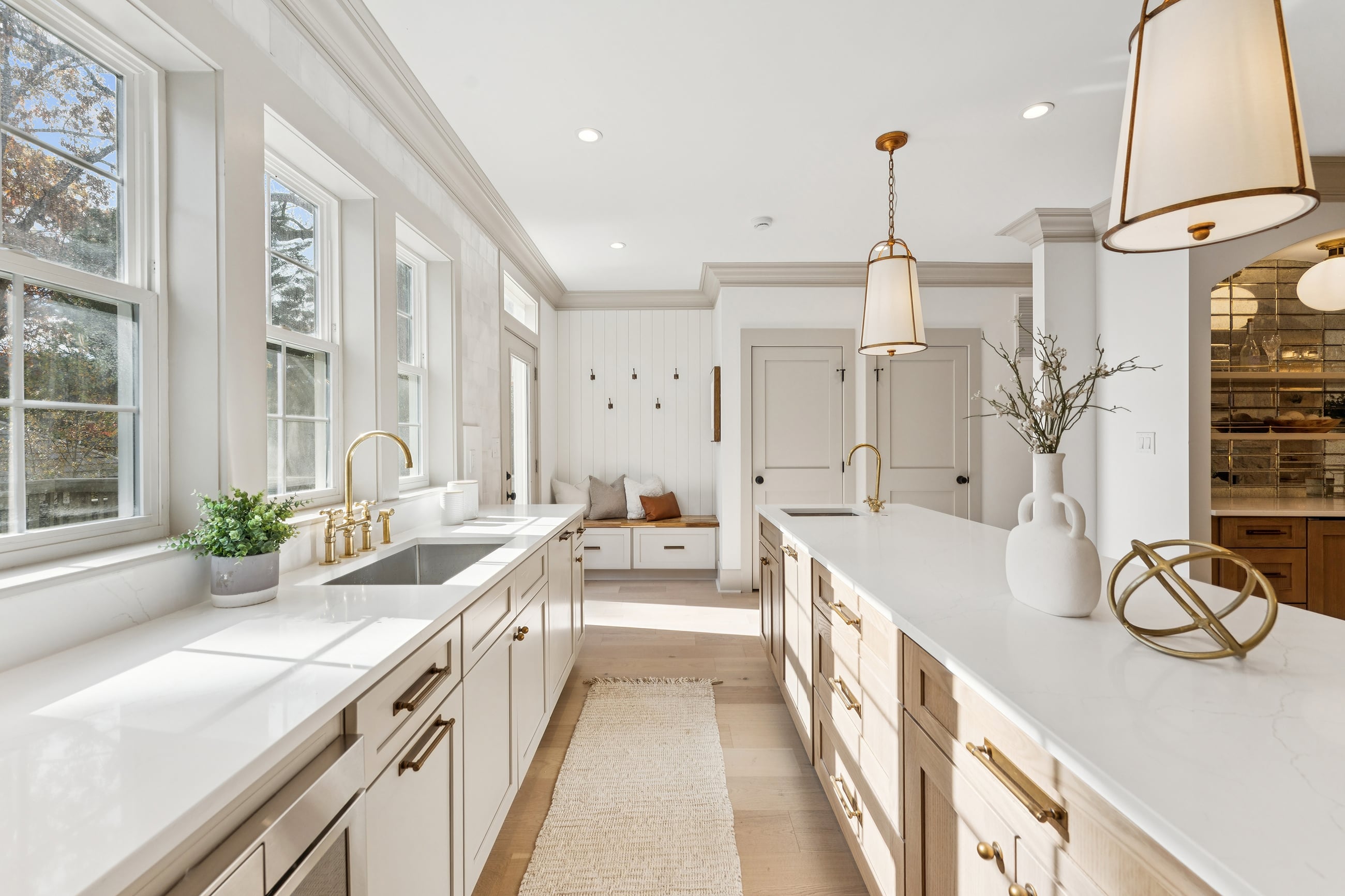
“Move-in ready” as a selling point is not enough—buyers in this market are looking for more, says Jennifer Knoll of Compass: “They want renovated homes—beyond needed renovations.” Goodhart DuShuttle says that at a minimum, they’re seeking updated kitchens and baths. “Deferred maintenance, dated systems, or homes that feel like a project are much bigger hurdles right now.” Accordingly, she’s seeing more buyers walk away from deals altogether after concerning inspection results.
2. In-Demand Neighborhoods
What makes some areas more desirable? For one thing, walkability. Access to trails, the waterfront, restaurants, parks, and city amenities—wherever people spend time—is important, says Goodhart DuShuttle, plus easy Metro access as more people return to the office. Some clients, says Cabe, value walkability above almost everything else.
Well-established neighborhoods perceived to be in desirable school districts are always popular, says Knoll, who points out that even families planning to enroll their kids in private schools are buying homes in specific school districts as a backup plan in the event of an economic downturn. Sought-after neighborhoods, she adds, “also tend to have farmers markets, great parks and playgrounds, community groups, local pools, nearby shopping, and high-end grocery stores.”
3. Home Offices and Gyms
It’s one of several holdovers from the pandemic: Buyers are looking for in-home gyms and workspaces. “A dedicated home office or flexible workspace has become a baseline expectation, even for buyers who are not working from home full-time,” says Goodhart DuShuttle. And though Pelotons may have seen their heyday, the desire for a space to work out at home is still strong.
4. Natural Light
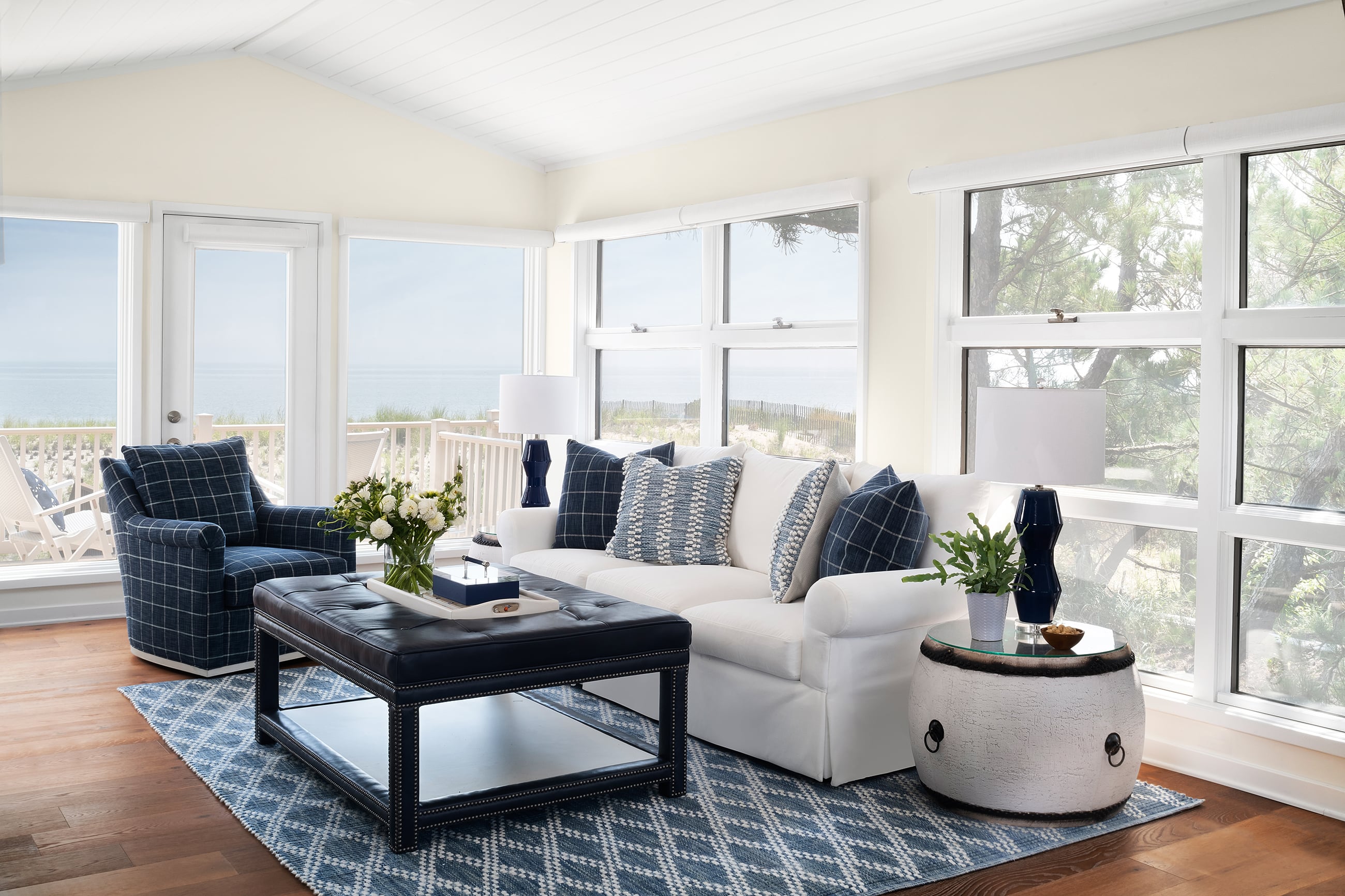
Lighting—down to the color and kelvin of the “best” light bulbs—is a somewhat buzzy concept in the home-decor and design realms of social media right now. Especially trendy are soft light, mini lamps, and eschewing overhead sources. So it’s no surprise to hear that buyers are looking for homes in which natural light pours in.
5. The Great Outdoors
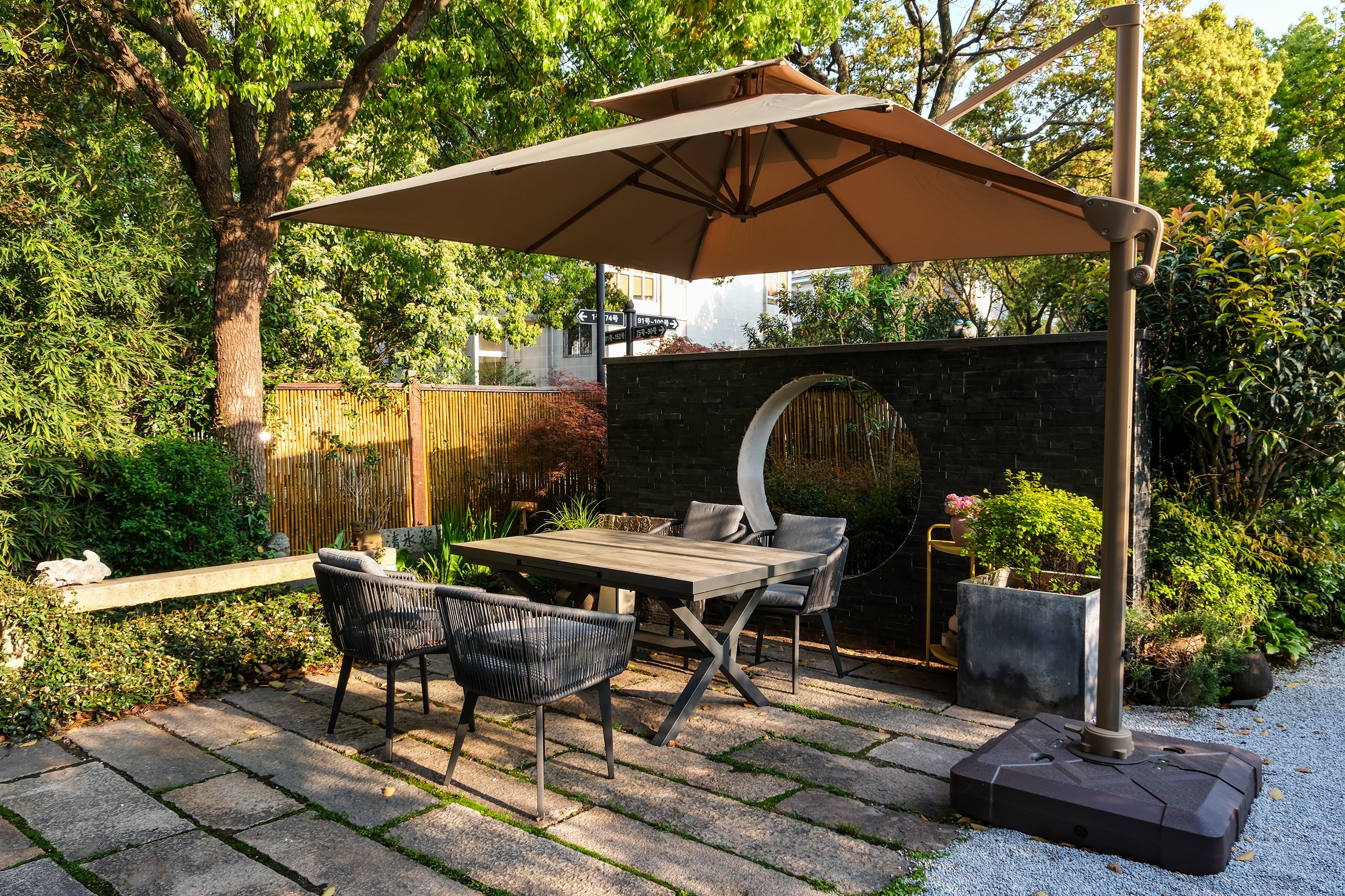
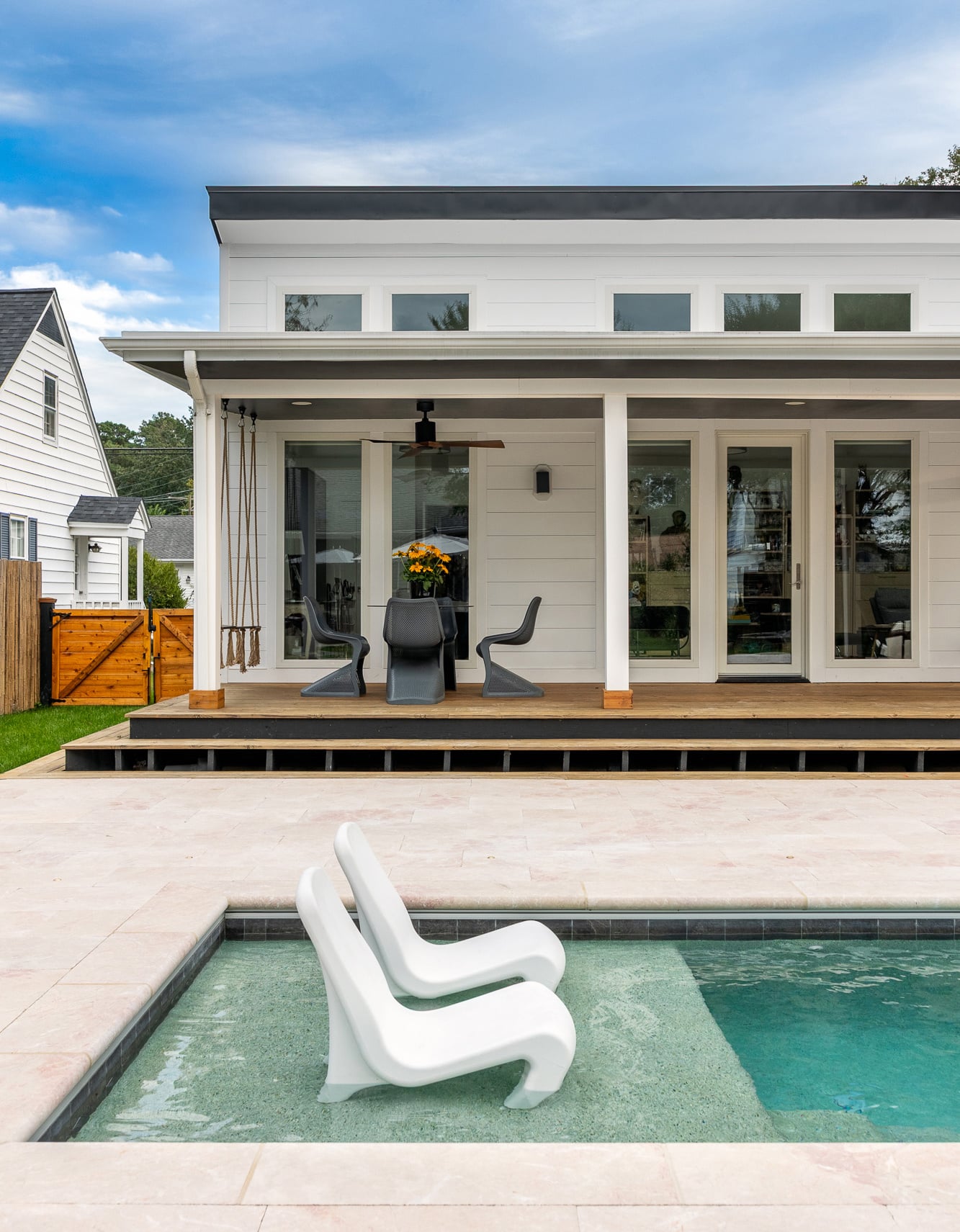
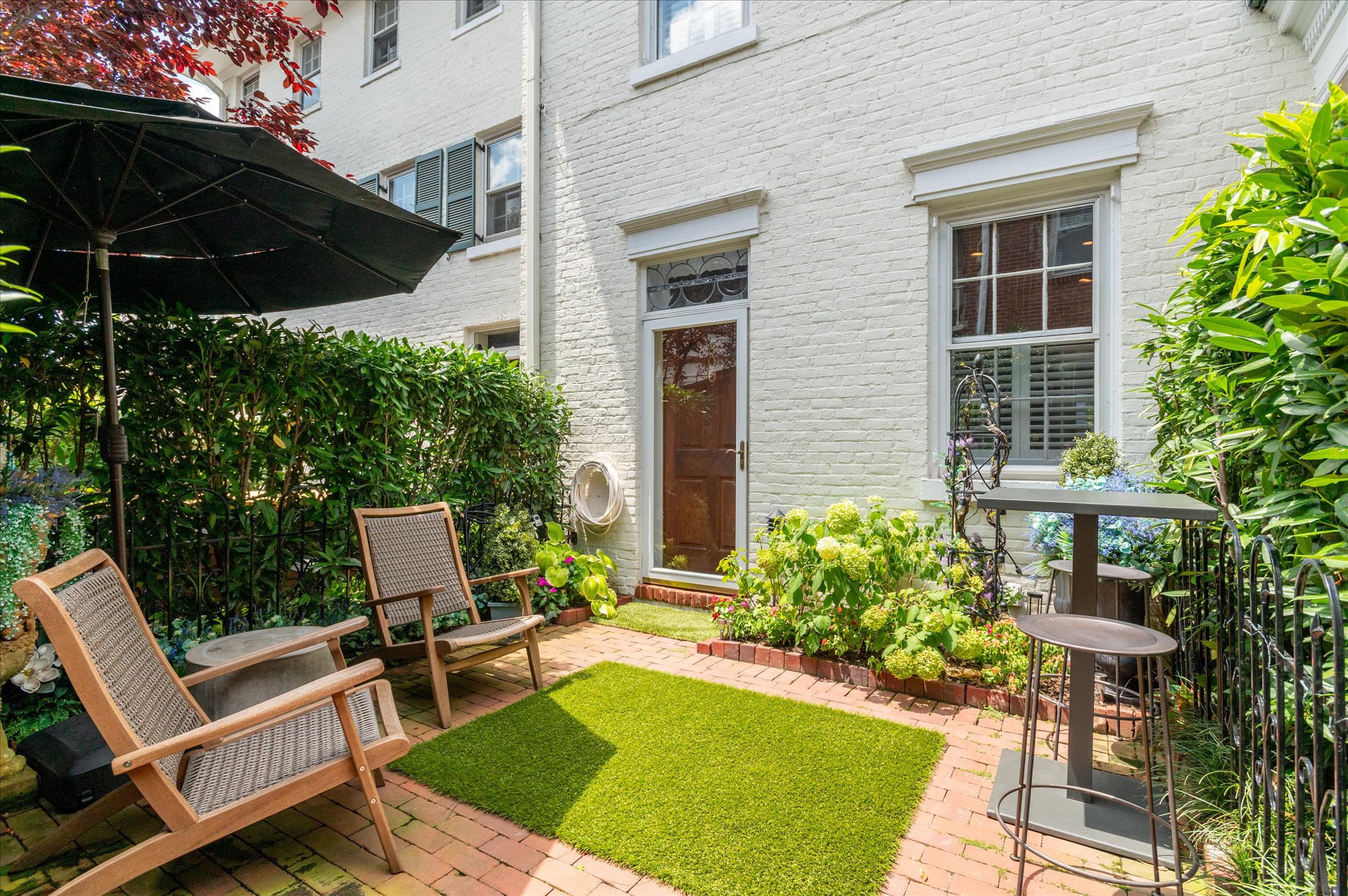
It’s yet another selling point that boomed during the pandemic: Agents we spoke to said buyers feel strongly about having an outdoor space—whether, says Coldwell Banker’s Marin Hagen, that’s a fenced yard for a single-family home, a patio off a townhouse, or a balcony on a condo.
6. A Not-So-Open Floor Plan
Fully open floor plans are hardly obsolete, but buyers are increasingly looking for more room-to-room distinction. “Separation but connectedness between rooms,” as Hagen puts it. This is particularly the case, adds John Mentis of Long & Foster, when it comes to dedicated dining areas.
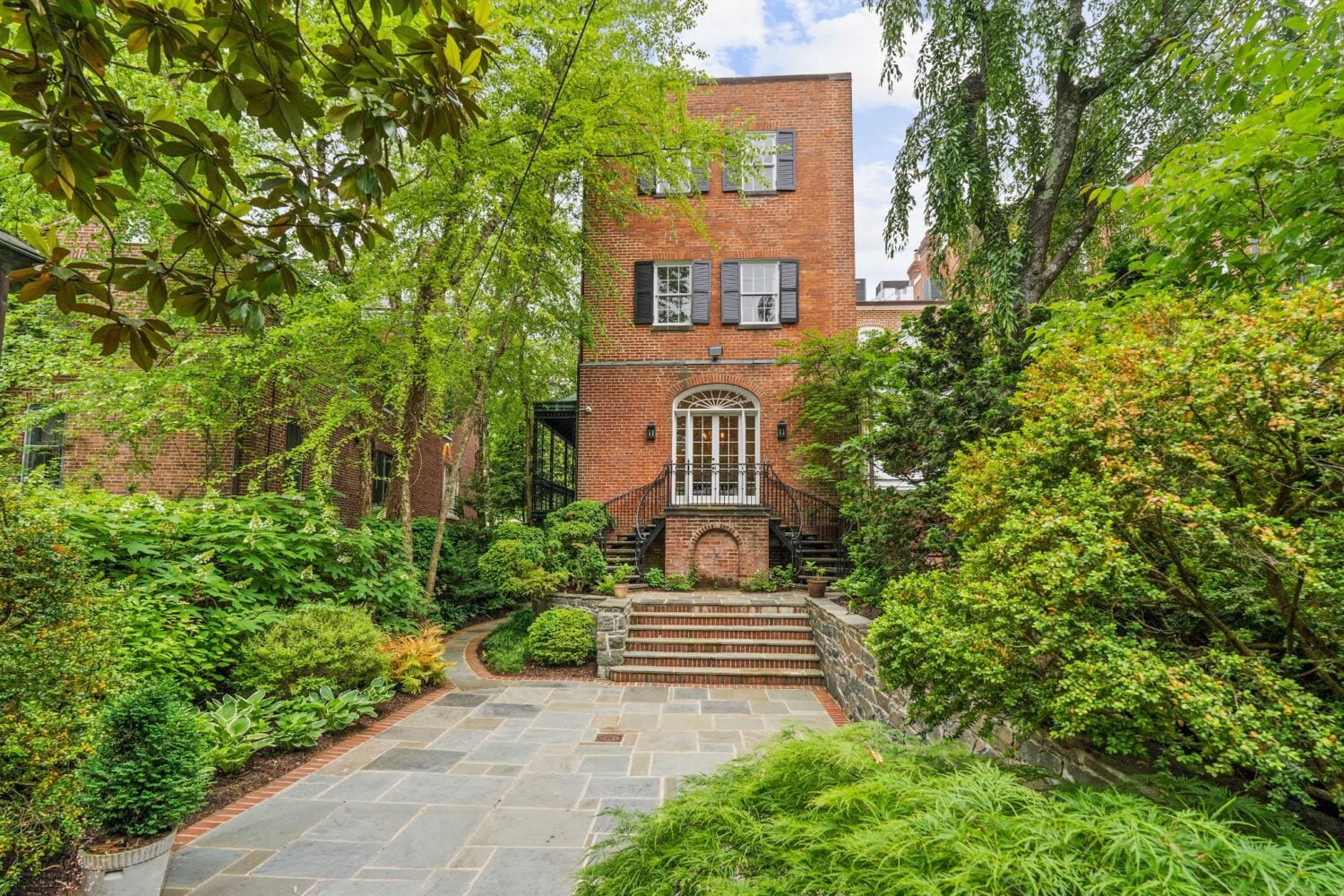
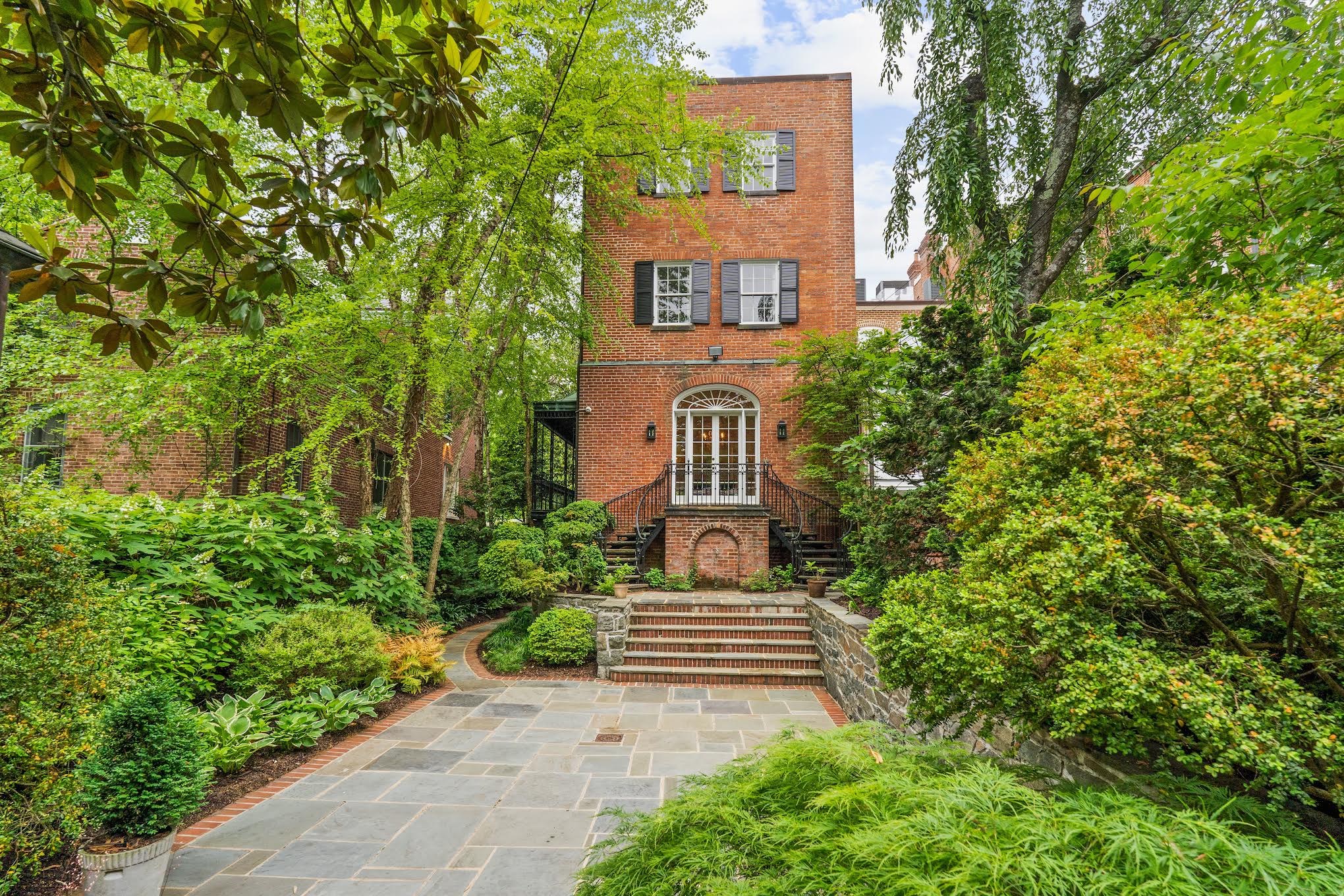
7. Character and Charm
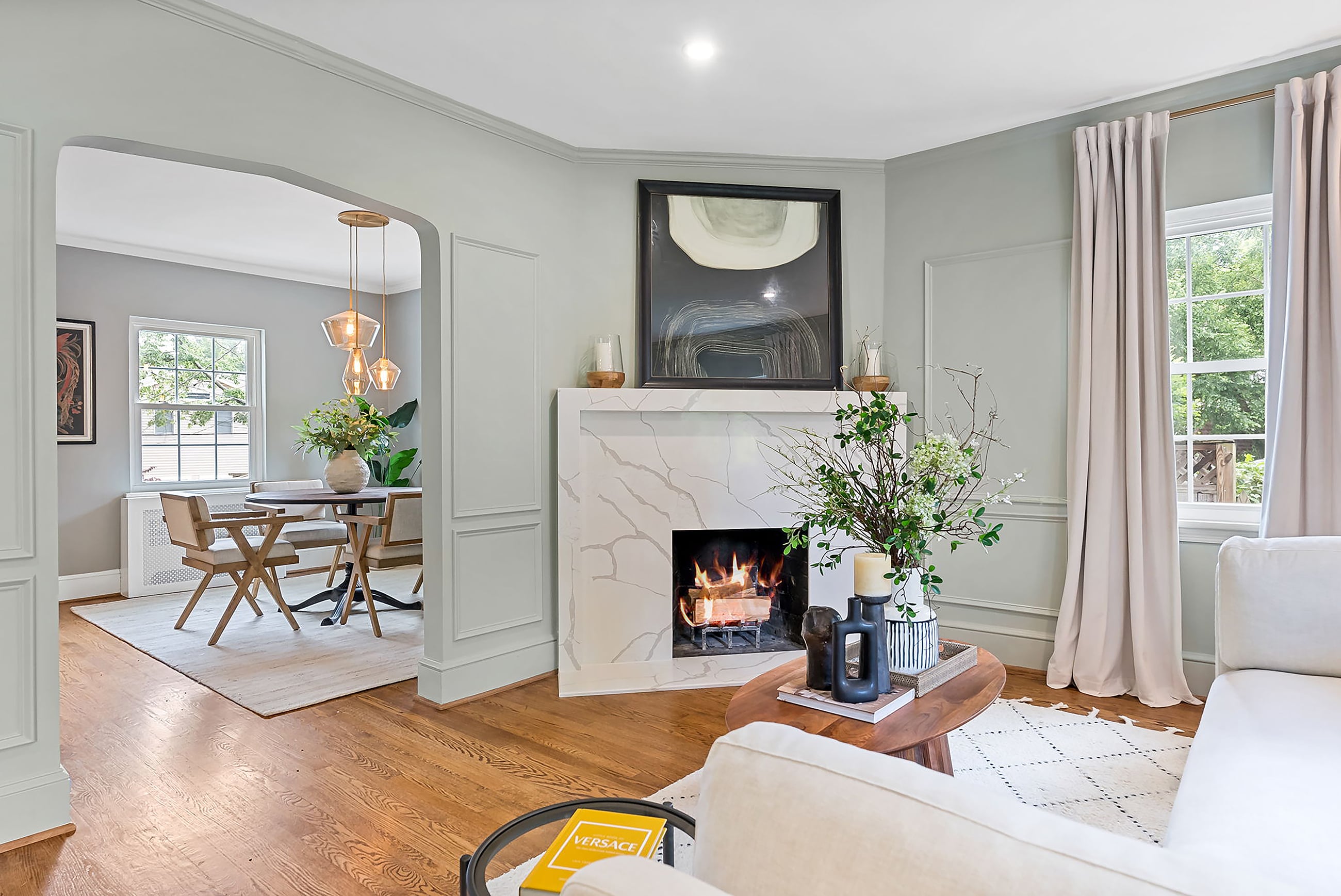
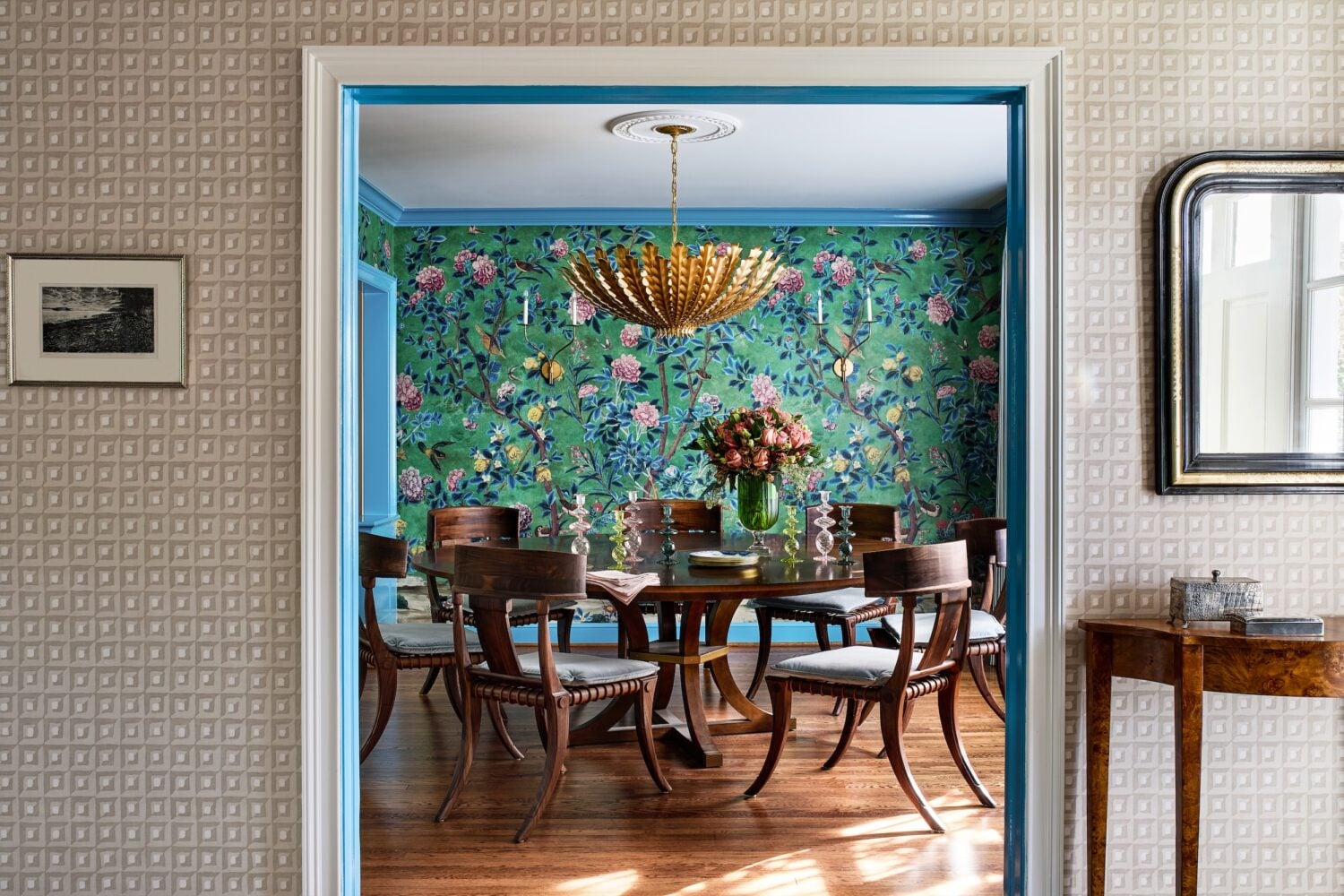
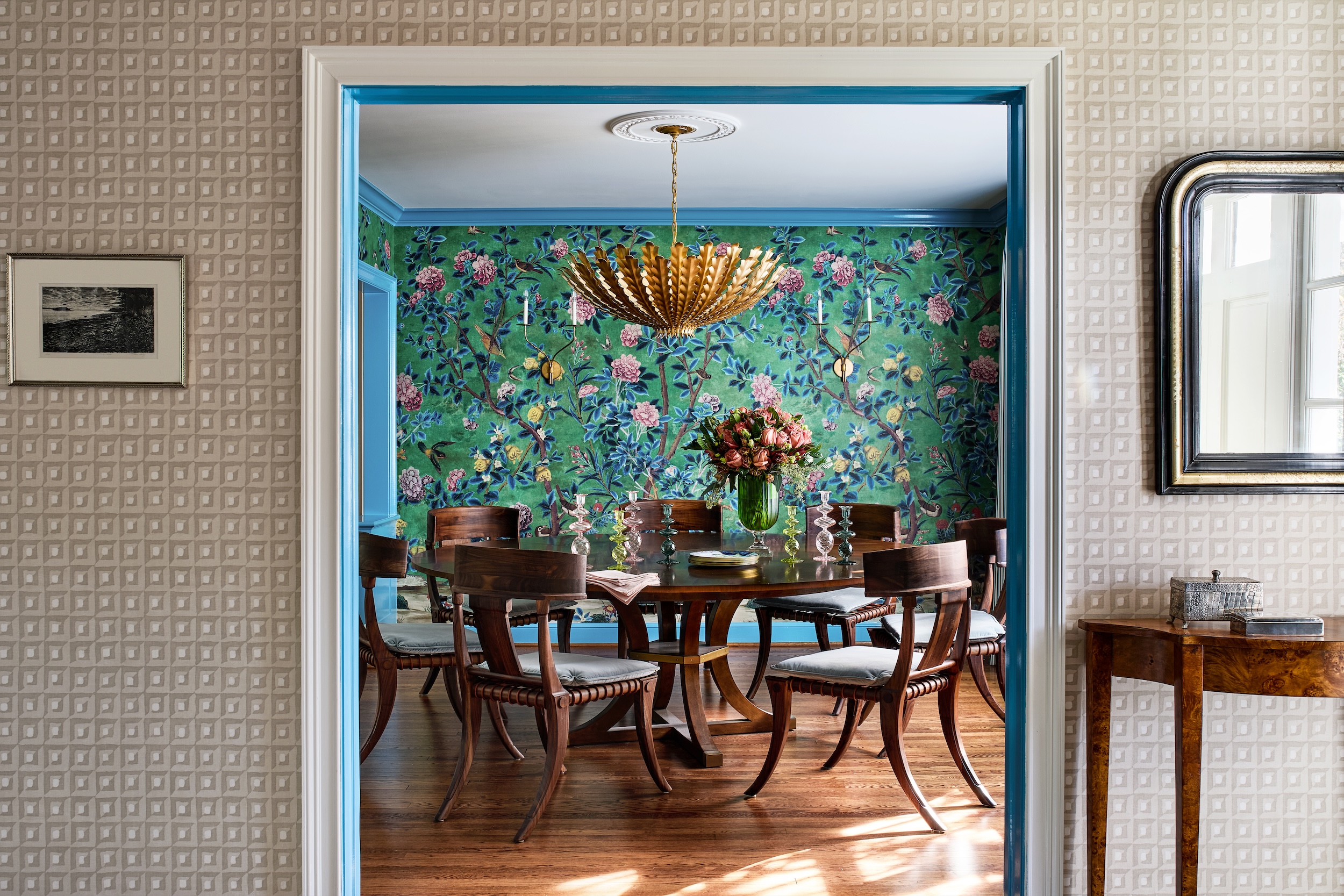
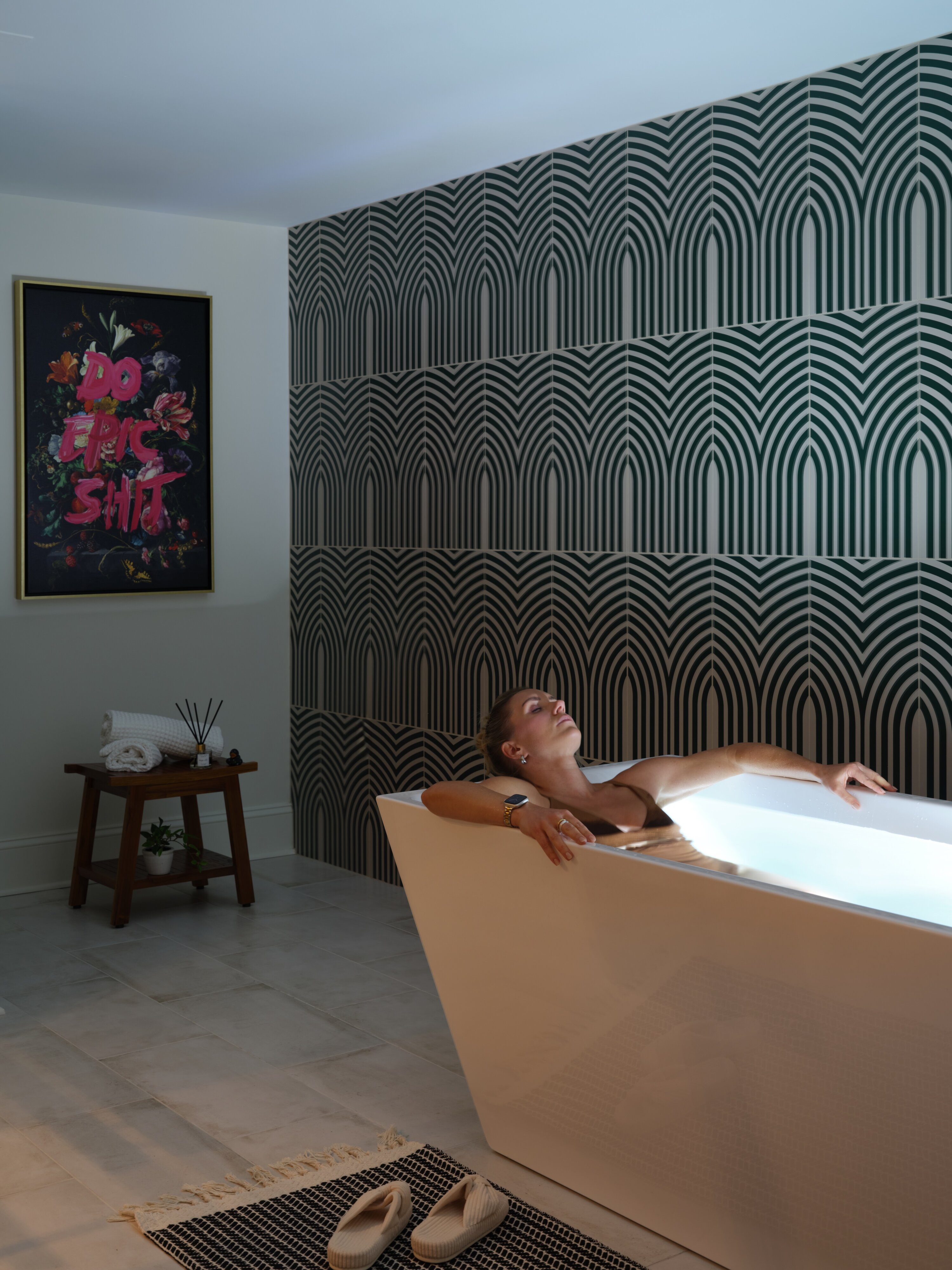
A result of the rise (and notable fall) of the viral greige aesthetic and the boom of the style known as cottagecore, current trends point to greater demand for homes that feel less cookie-cutter and more personal. “Over the last 23 years, I’ve had a few people mention this per year,” says RE/MAX Realty Centre’s Ellie Hitt. “But I’m hearing it increasingly now.” To find that, she says some clients are looking for older properties in older neighborhoods. Charming homes, Mentis says, might offer “anything from decorative molding to a fireplace mantel to curved arches, or quirky items like odd little windows, colored toilets, or interesting floor tiles.” Other examples, says Goodhart DuShuttle, are original wavy-pane windows and transoms; built-in cabinetry and drawers; and hidden nooks or rooms.
But as for staging, “neutral always has the most wide-ranging appeal,” she adds, though she points out there’s a little more flexibility now: “I see more people leaving wallpapers or window treatments up where [before] they would have been removed. Darker and moodier colors, high-gloss paint.” Often, Goodhart DuShuttle says, these design choices can be balanced out by being staged with neutral furniture or light fixtures.
“Successful listings are those that work the character into the story—unless the character is so overwhelming it becomes the story,” says Mentis. “Character or not, every house has a story to tell.”
This article appears in the May 2026 issue of Washingtonian.

Amy leads Washingtonian Weddings and writes Style Setters for Washingtonian. Prior to joining Washingtonian in March 2016, she was the editor of Capitol File magazine in DC and before that, editor of What’s Up? Weddings in Annapolis.