Thanks to new state laws, Maryland and Virginia residents will be allowed to use plug-in “balcony” solar systems with a maximum output of 1,200 watts.
Marylanders can take advantage as soon as today, while Virginia’s law goes into effect on January 1, 2027.
Balcony solar has been popular in Europe for years, with an estimated four million units installed in Germany alone. Since Utah passed legislation paving the way for plug-in solar in 2025, lawmakers in 34 states and DC have filed bills to advance the technology. Nine states have passed legislation.
While balcony solar isn’t yet available in DC—more on that below—here’s what Virginians and Marylanders need to know:
What is balcony solar?
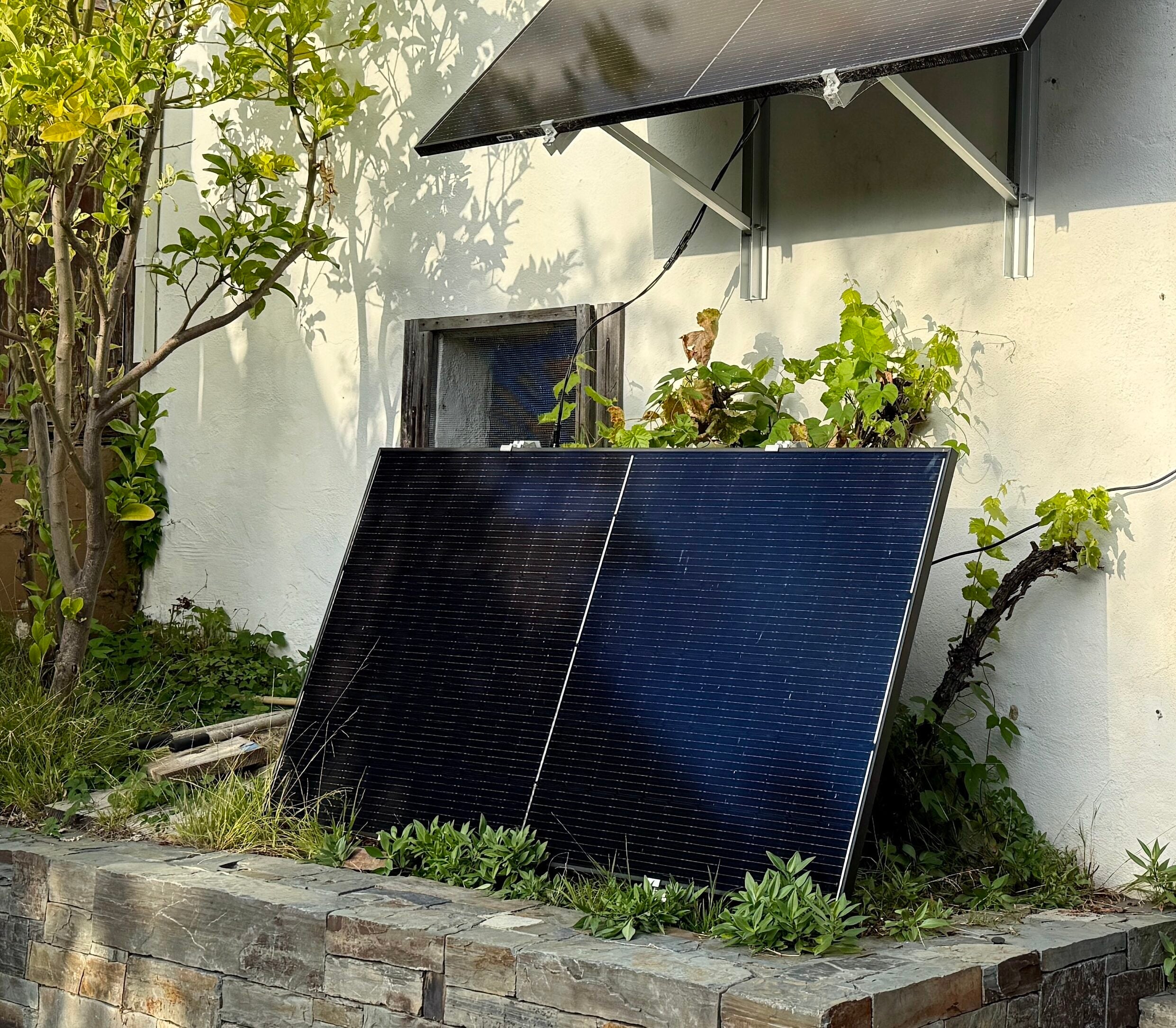
The term describes small solar electric systems that can be installed on balconies, fences, or in backyards. These panels plug directly into a standard outlet and allow homes to use less energy from the power grid. The systems are designed for people who may not be able to afford or install rooftop solar panels, but are still interested in using solar energy or saving money.
“It allows people with potentially lesser means, and lesser control on their living circumstances, to actually produce clean energy,” says Mike Tidwell, the founder and director of the Chesapeake Climate Action Network, a climate nonprofit working in DC, Maryland, Virginia, and West Virginia.
While balcony solar wasn’t technically illegal in the past, the new Maryland and Virginia laws provide clear rules and regulations for its use, and prohibit utility providers from banning the systems. In Virginia, landlords will be allowed to set “reasonable” restrictions on their size and placement. Maryland has no such restrictions.
How much does balcony solar cost, and how much does it save?
Depending on wattage, balcony solar systems currently retail from a few hundred to several thousand dollars. The average rooftop solar system costs around $2.58 per watt, and currently balcony solar panels cost under $2 per watt in the US.
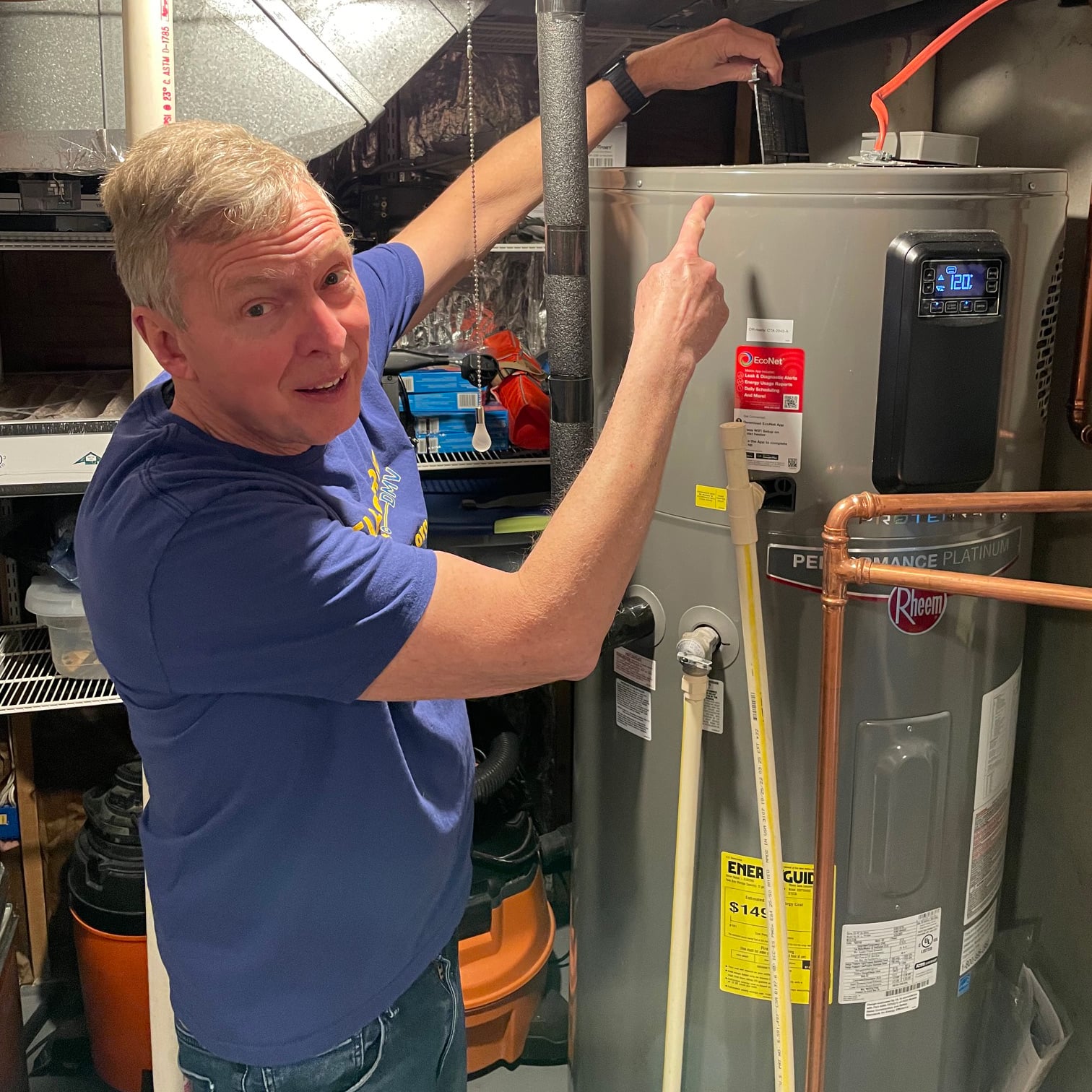
Bob Soule, who founded Go Electric DMV, which provides free coaching for those wanting to switch to solar power, said that he thinks as the technology becomes more popular, prices will decrease: “[When] there’s more entrance into the marketplace and competition, we’ll start to see something like what they’ve seen in Germany, where they are paying way under $1 a watt per install.”
How much a consumer can save on their electrical bill depends on the wattage of their system. For instance, when it’s sunny, an 800-watt balcony solar unit can generate power equivalent to running a fridge or some small appliances. While power bills vary from home to home, experts say that the units can save consumers between 10 and 25 percent on their energy bills.
Based on the current price of most units, Soule says, they will pay for themselves within five years.
Is balcony solar safe?
Brett Matulis, a coach with Go Electric DMV with an electrical engineering background, says that balcony solar systems are overwhelmingly safe—and will become safer through new regulations in both states.
Though some systems currently on the market are unregulated with no safety certifications, Maryland and Virginia’s news laws specify that systems must meet UL certification or an equivalent safety standard.
Virginia will convene a working group to study and adopt safety standards for the devices before January 1, 2027.
“One of the advantages of having these laws is to set up procedures so that the manufacturers make them with the appropriate safety devices … so that the homeowner can buy these things and plug them in without having to worry about all sorts of technical details that they shouldn’t have to worry about,” Matulis says.
What else do the new state laws require?
In Maryland, users must notify their electric company before installing a system and provide the wattage and safety certification of their device. If the device requires an automatic locking disconnect switch—which cuts off the flow of electricity during maintenance—users must install one (they retail around $100). Utilities are not allowed to impose interconnection fees, or require extra equipment from customers.
By September, Virginia regulators will publish a notification form that residents will be required to fill out and deliver to their electric provider for safety purposes.
Where will balcony solar be available?
Kits are available through online retailers, and in Utah—where balcony solar has been regulated longest—they also can be purchased at local stores. Eventually, Soule says, local retailers will offer them: “My hope is that you can go to Costco and Home Depot and Lowes and Best Buy and get these things, or order them and have them delivered. That’s what would make them go mainstream.”
Can I use balcony solar in DC?
Not yet. Ward 6 Councilmember Charles Allen has introduced the Guiding Renewable Interconnection and Distribution (GRID) Act, which, along with other new energy regulations, would allow residents to install balcony solar systems up to 1200 watts. A public hearing for the bill was held in late March, but the legislation has yet to pass.
Tidwell is confident that it will. “We brought this idea to Charles Allen, he enthusiastically and quickly embraced it, and it’s going to become law with the same overwhelming support that the law saw in Virginia and Maryland,” he says.