Recently, I visited the grounds of the Cambodian Buddhist Society in Silver Spring. The golden wedding cake of a shrine and towering relic-filled stupa were incongruously capped with snow. At first, the place seemed deserted—but in the squat brick monks’ quarters out back, I found a hive of activity.
Dozens of workers and volunteers, some speaking Khmer and others Spanish, were preparing a meal for the temple’s seven resident monks, who don’t cook for themselves. The society is the oldest Cambodian Buddhist temple in the United States, founded by a group of adherents who fled Cambodia in the 1970s during a genocide that included the mass execution of monks and an effort by Pol Pot’s regime to eliminate the religion from Cambodian society.
The group was one of the first Buddhist communities in the Washington area. Today, it has company: Across the street is a Vietnamese Buddhist temple, while Burmese and Thai temples can be found just a few miles down the road.
And those temples have company, too. Locals call this stretch of New Hampshire Avenue the “Highway to Heaven.” Rife with houses of worship, it’s also known as the “Embassy Row of Religions” and the “Road to Damascus,” the latter nickname referring to the Apostle Paul’s journey of Christian conversion. (Follow the road far enough and you will indeed reach Damascus—in Maryland.) Once, the strip was mainly known for its various protestant congregations, but now there are Ukrainian Orthodox and Catholic churches; Islamic centers of multiple sects; Hindu, Jain, and Buddhist temples; an Ethiopian Orthodox church; a Vietnamese Roman Catholic church; and various other Christian denominations preaching in dozens of languages.
As the Trump administration pursues an aggressive agenda of mass deportation and otherwise making America less diverse, houses of worship remain both refuges and reminders of the nation’s cultural richness. According to a recent study, Montgomery County is the most religiously diverse county in the US. When you drive around Silver Spring and Rockville—past onion domes, minarets, stupas, Stars of David, and all sorts of crosses—you feel it.
Within that landscape, the Highway to Heaven is a particularly striking microcosm. Since 2024, photographer Lance Lokas has been visiting and documenting its religious institutions. He’s sat in on salat al-jummah prayer, watched as umbandistas communicate through spirit mediums, and stayed up all night for a Hindu festival.
Lokas’s images capture the vast variety of people and faiths sharing the same stretch of suburban road. Taken together, they encompass the kaleidoscopic tapestry of culture—particularly, culture brought by immigrants—that breathes color and community into our region and beyond.
St. Luke’s Episcopal Church
1001 Brighton Dam Road, Brookeville
The northernmost house of worship (first image) on the “Highway to Heaven” in suburban Maryland is also its oldest. The first Episcopal church was built on this site in 1761, though the current building is about a century younger.
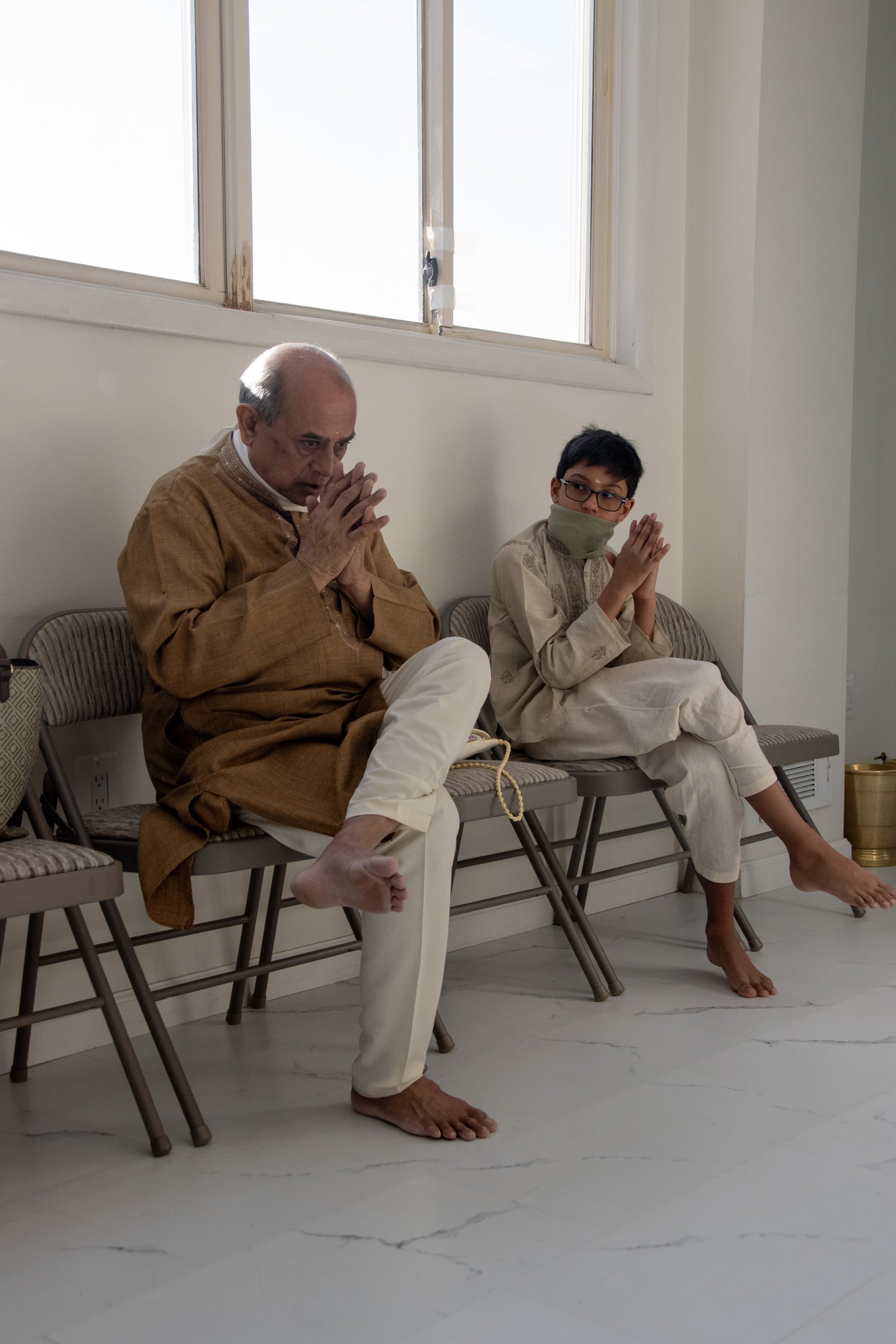
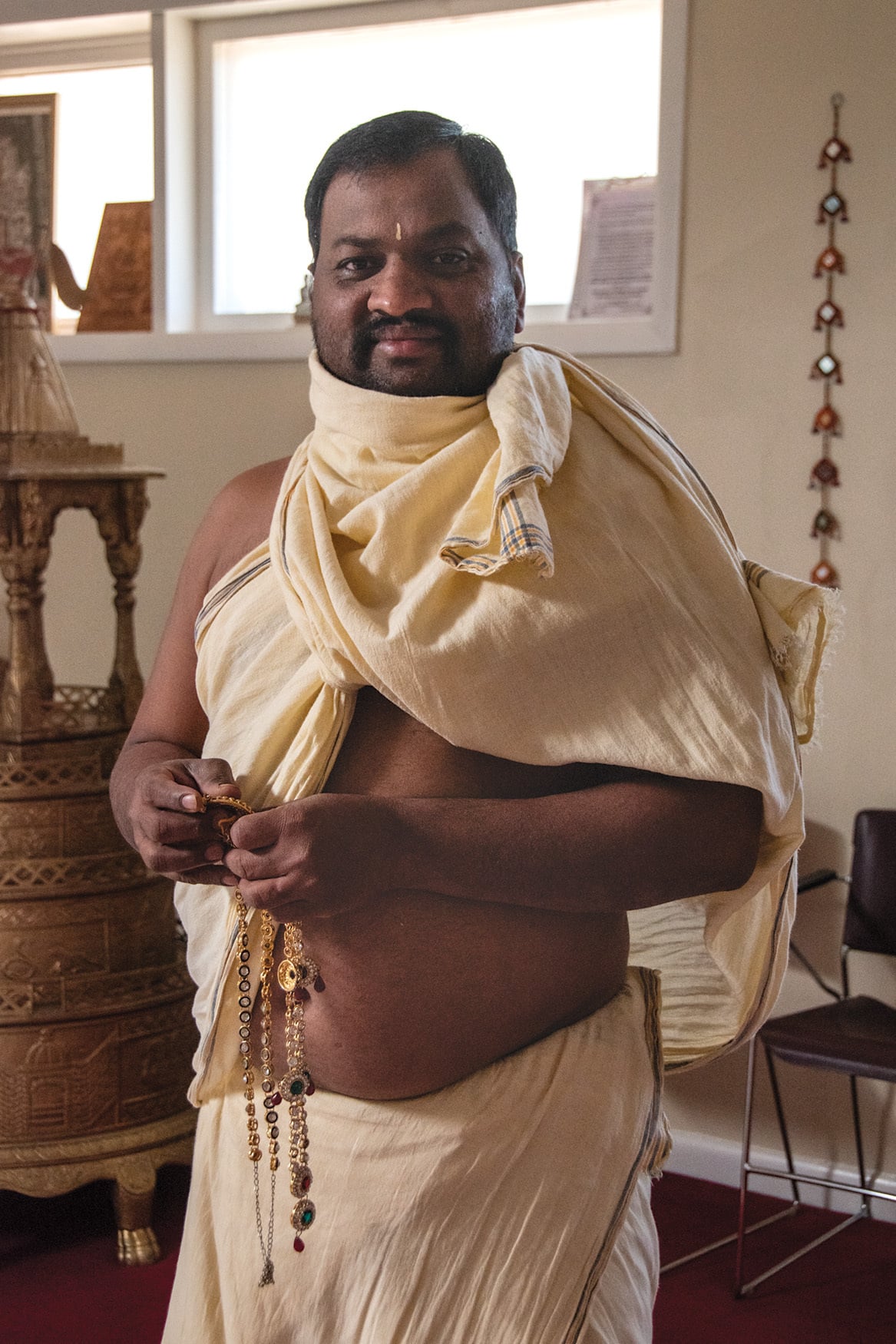
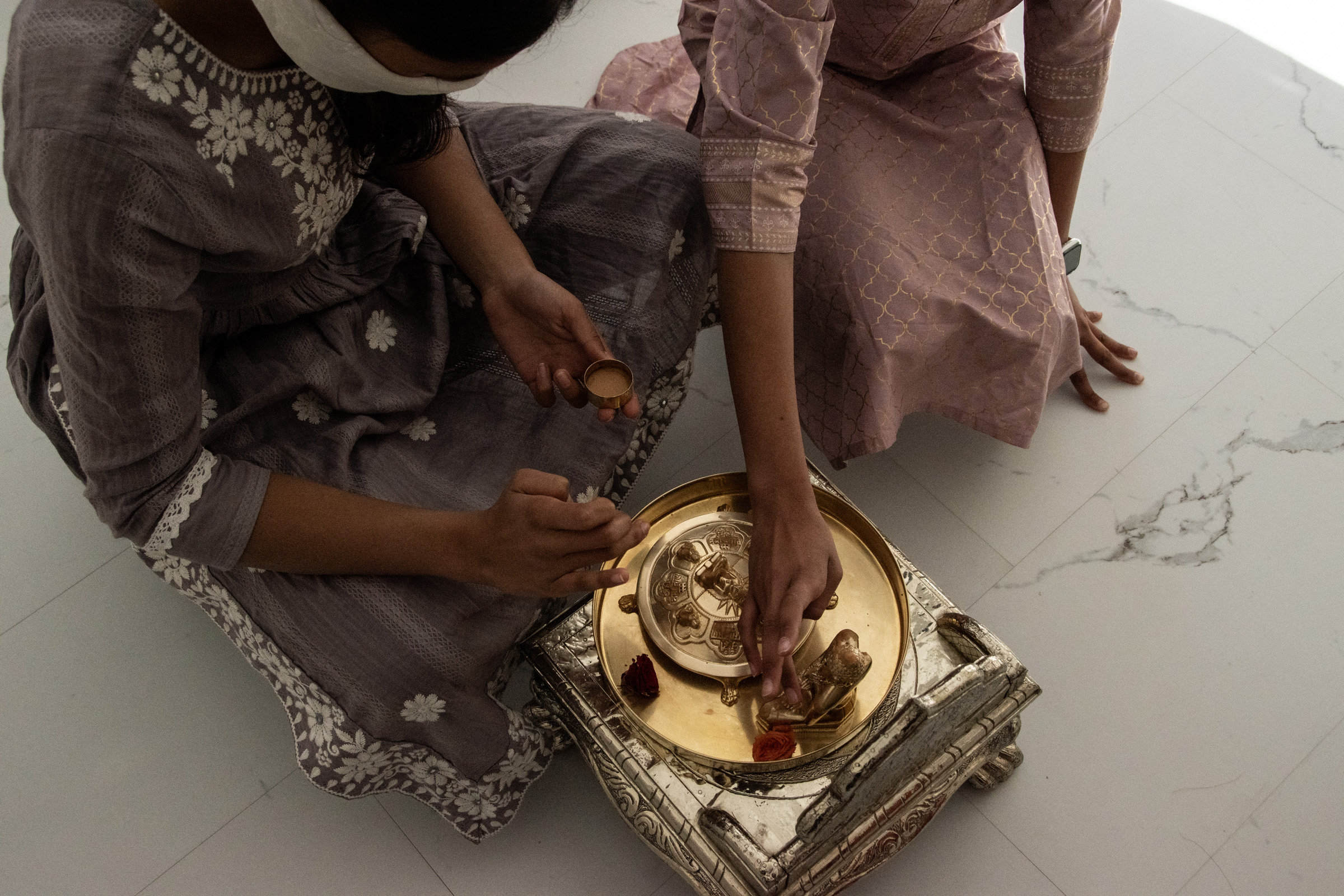
Jain Society of Metropolitan Washington
1021 Briggs Chaney Road, Silver Spring
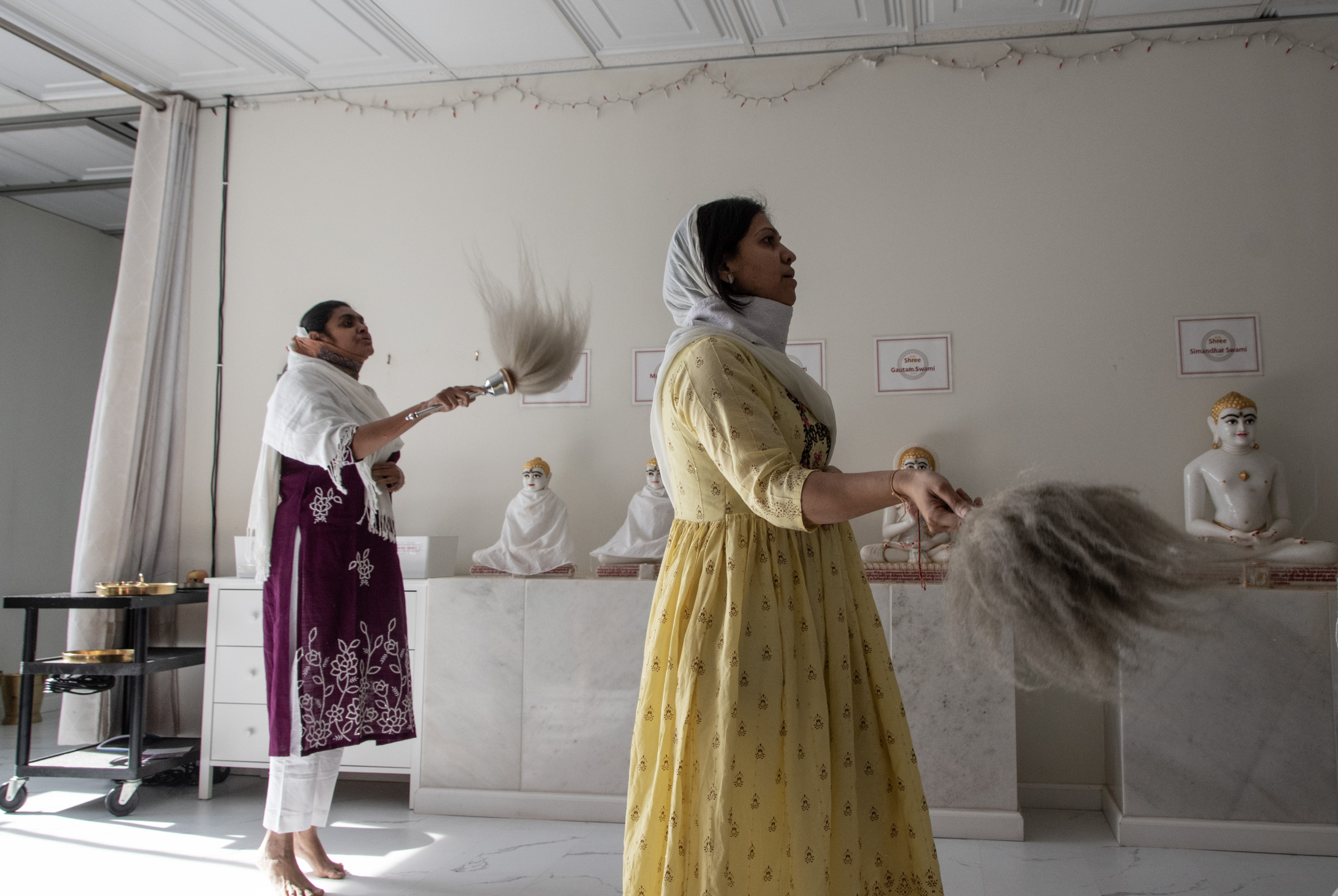
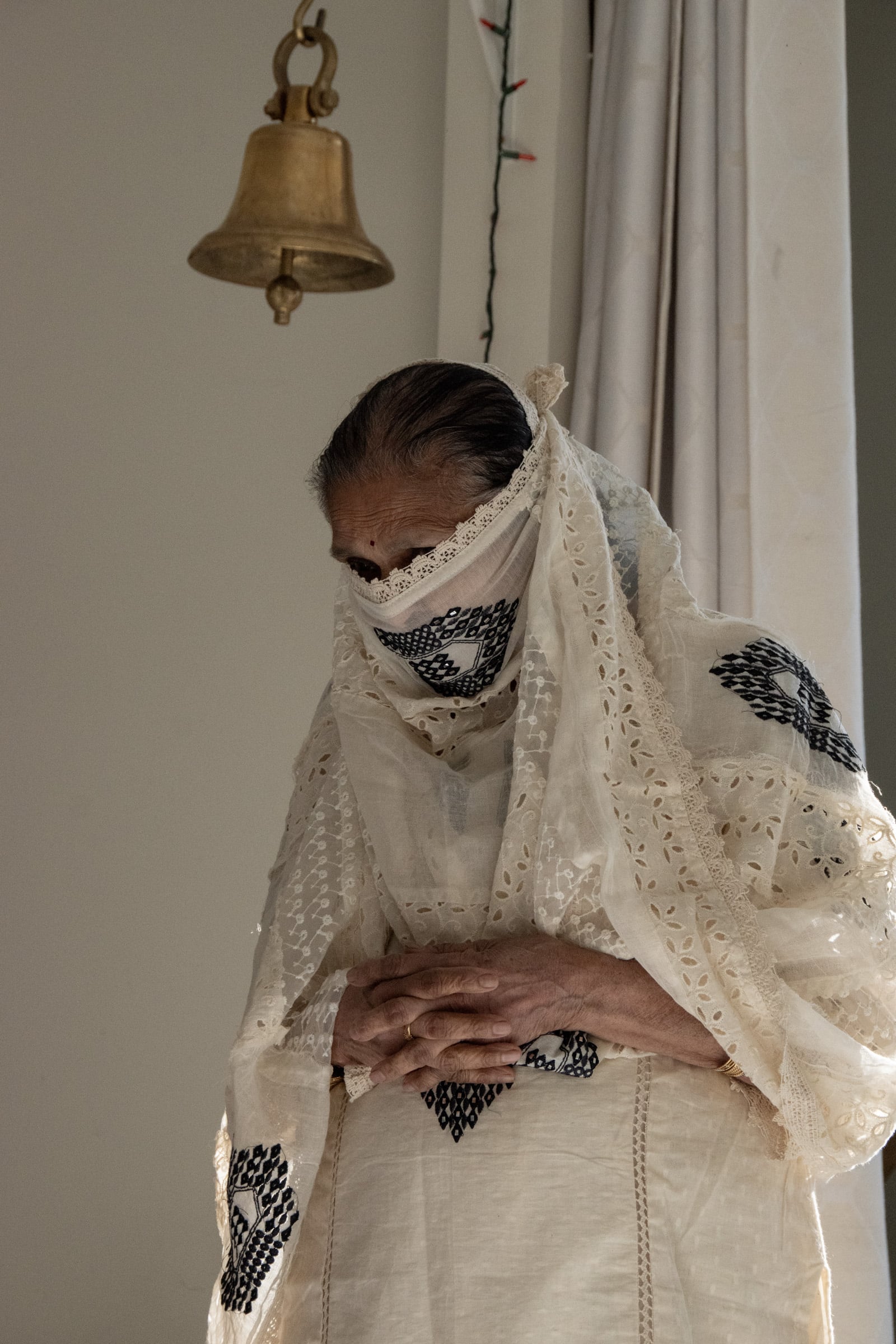
Ahimsa, or nonviolence, is a core pillar of Jainism. In the ritual seen here, adherents wear veils over their mouths to embody that principle—it prevents the wearer from inhaling and thus harming any airborne organisms, while also symbolizing disciplined speech. (Since these photos were taken, the society has moved to Beltsville.)
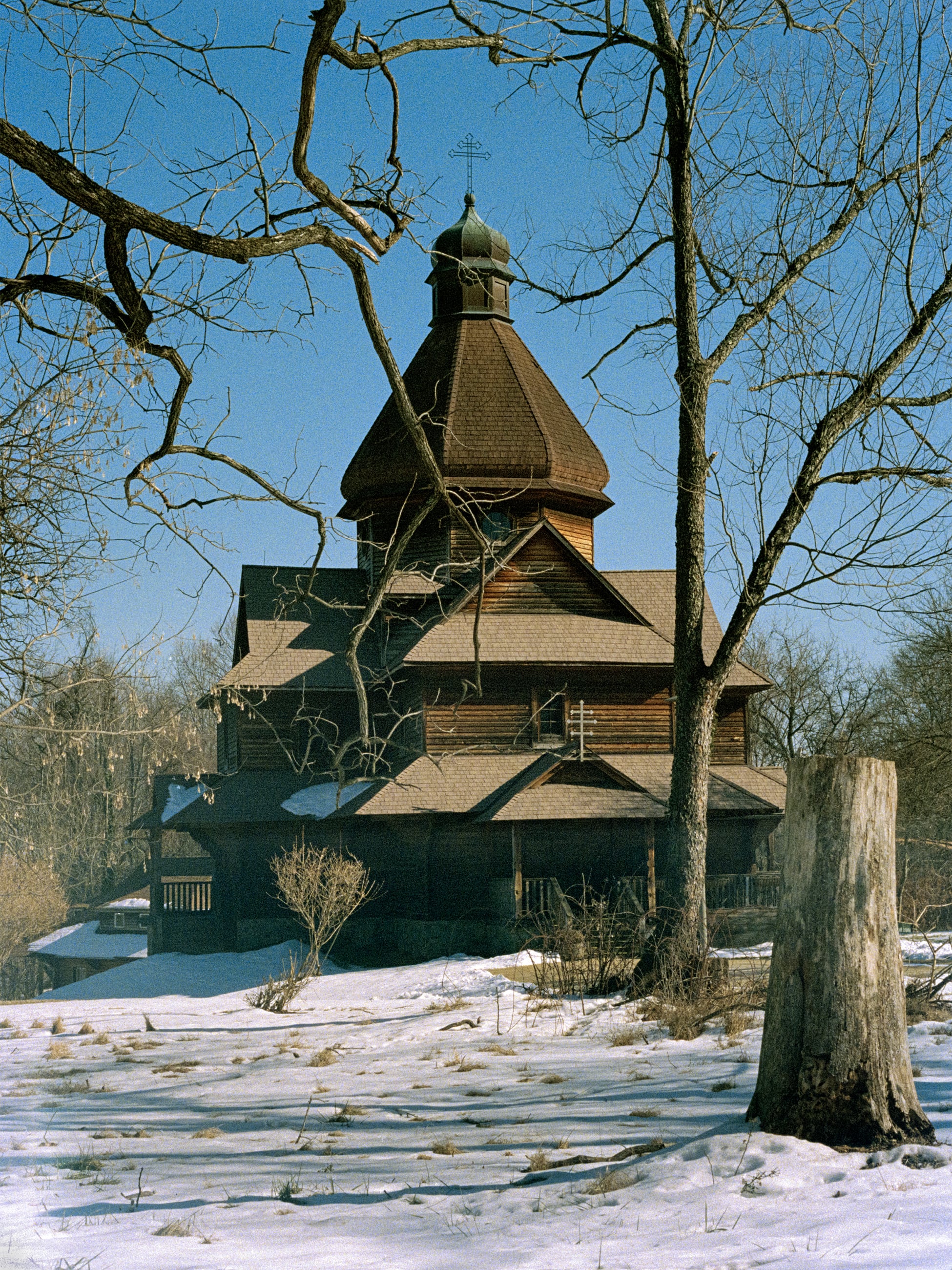
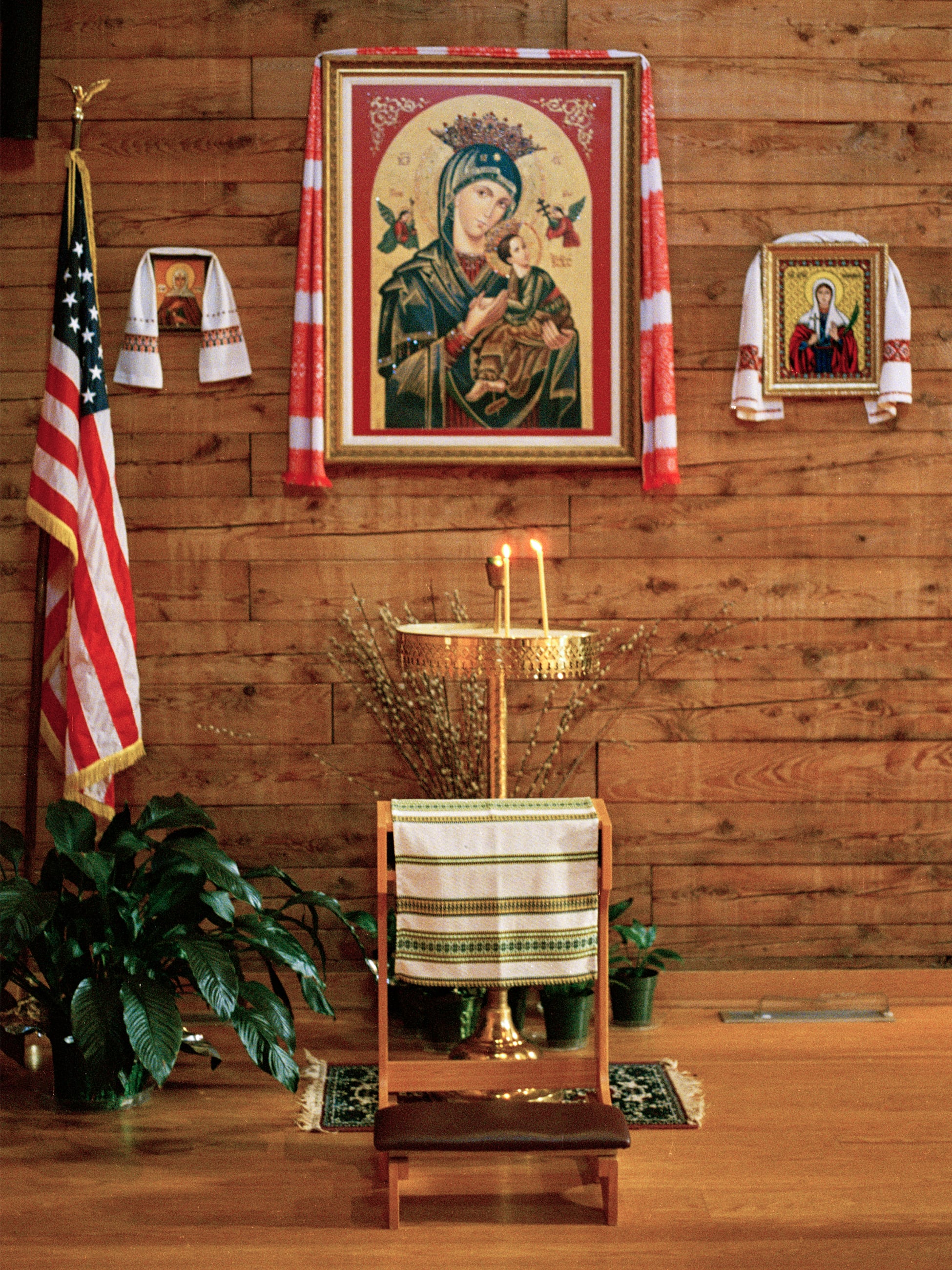
Holy Trinity Ukrainian Catholic Church
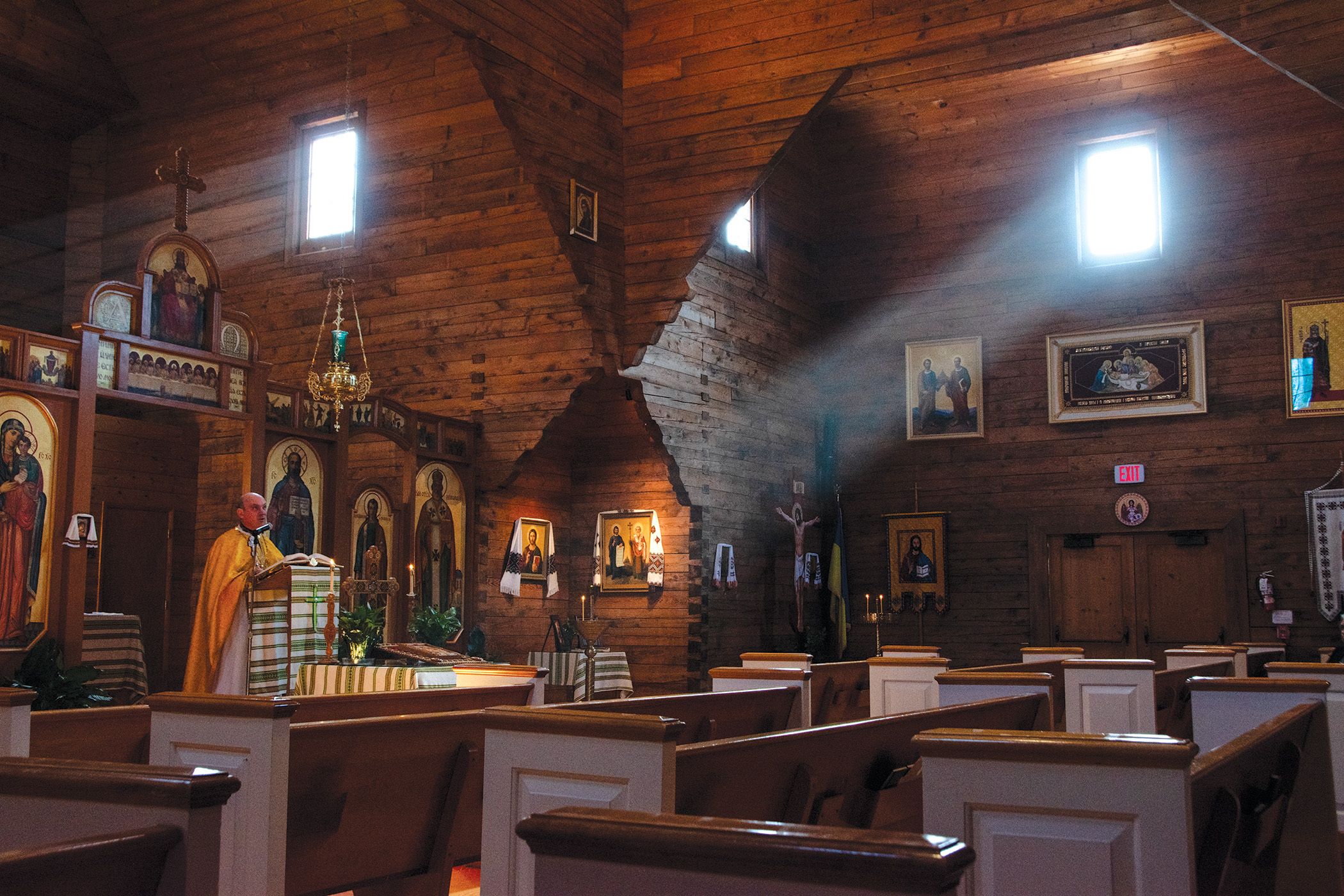
16631 New Hampshire Avenue, Silver Spring
When blanketed in snow, this towering structure looks just like the traditional Carpathian wooden churches it was built to emulate. Inside, Sunday Mass has been held since the 1980s under the watchful eyes of Eastern Catholic icons. Outside, a banner asks drivers to “pray for Ukraine,” and the church has collected donations for humanitarian aid since the Russian invasion in 2022.
Cambodian Buddhist Society
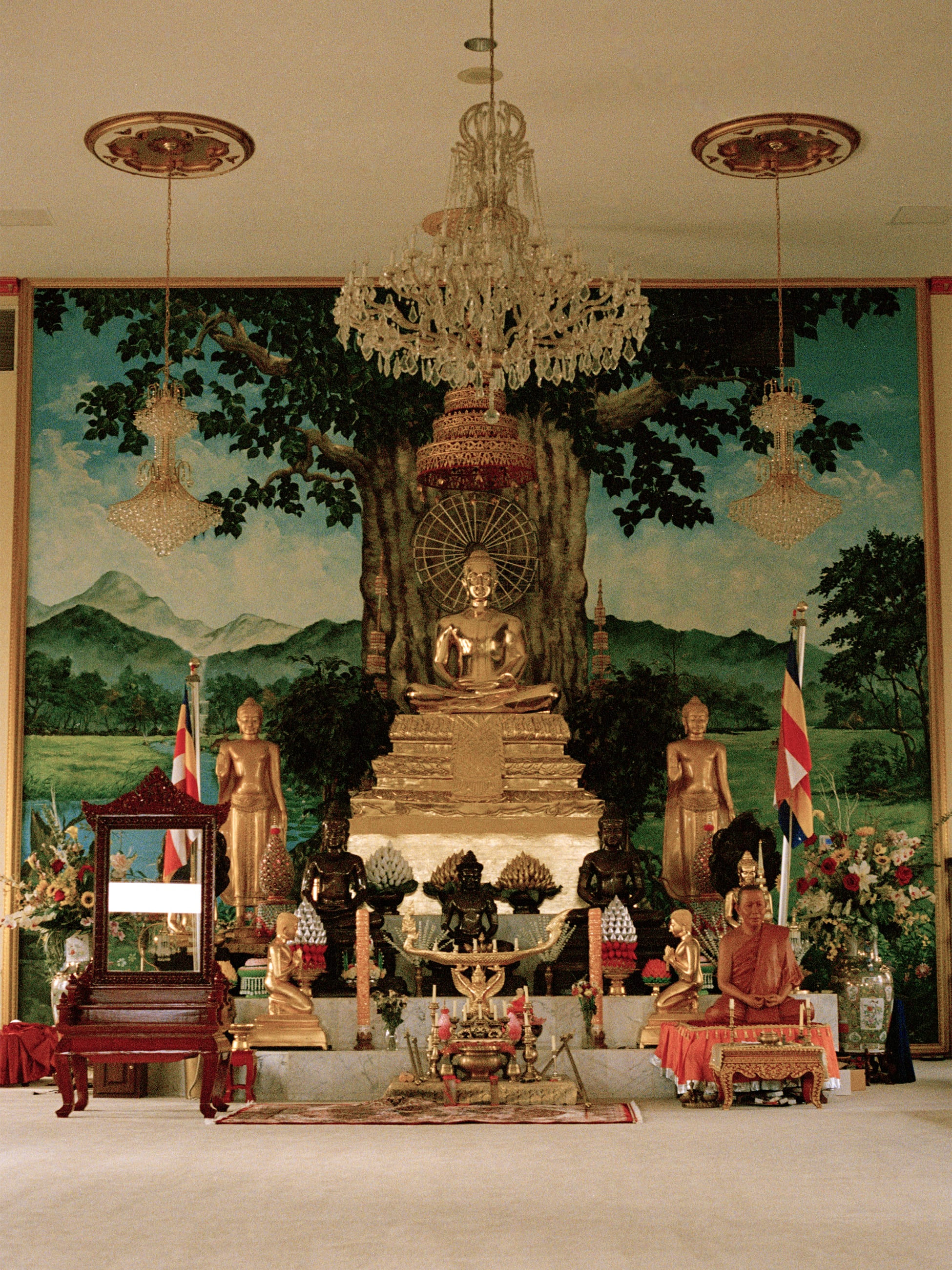
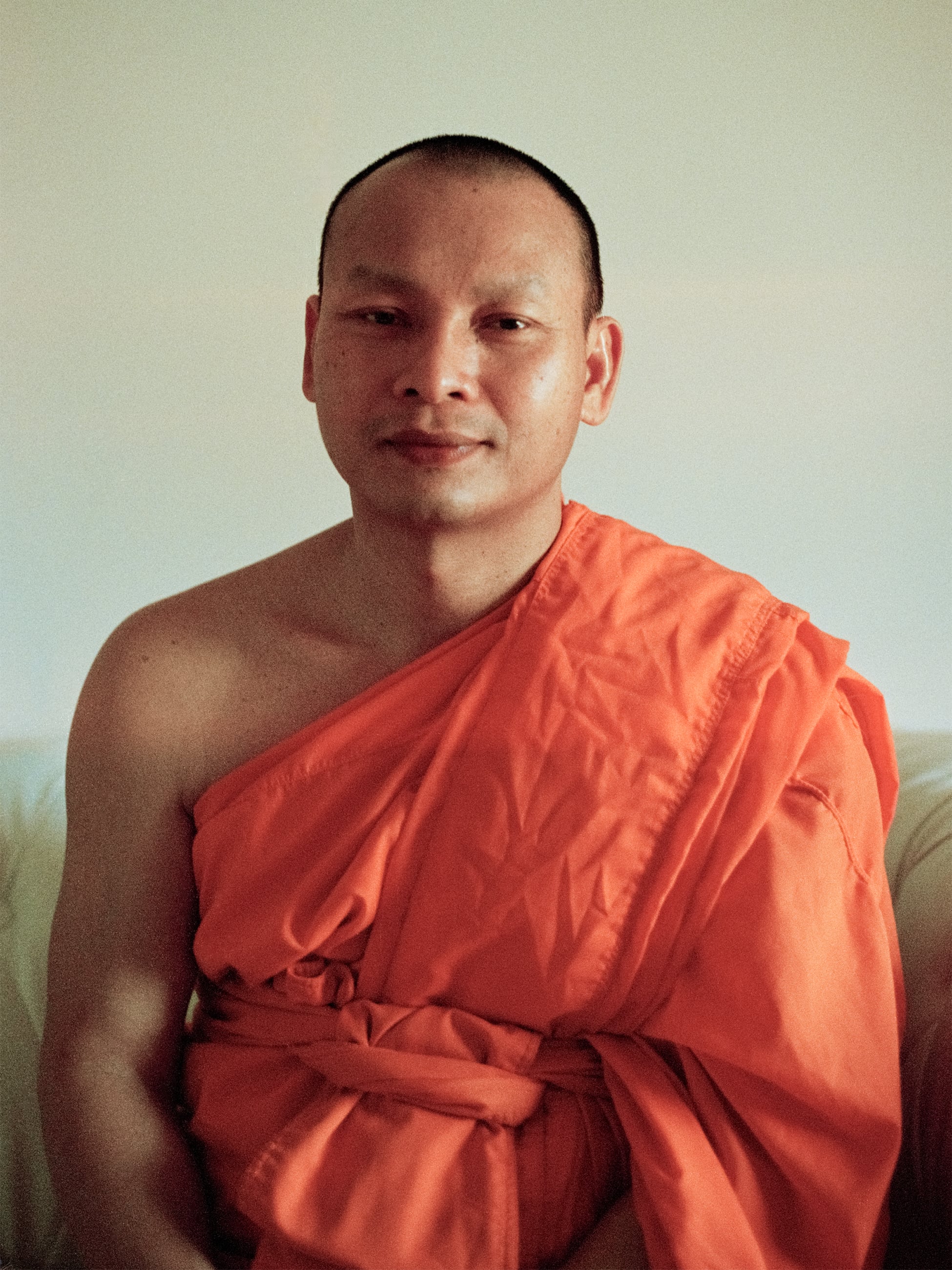
13800 New Hampshire Avenue, Silver Spring
The nation’s first Cambodian Buddhist temple, founded by a group who fled the Khmer Rouge’s genocide in the late 1970s, is a strikingly beautiful place. It holds major celebrations for Khmer holidays and is home to seven resident monks, including Chhun Sophal (below).
Anjuman-e-Ezzi
18728 New Hampshire Avenue, Ashton
In the northernmost stretch of the Highway to Heaven is this masjid and Islamic center for the Dawoodi Bohra community, a sect of Ismaili Shia muslims primarily from India. These photos were taken during the holy month of Ramadan and capture the separate women’s and men’s sections of the mosque.


Shri Mangal Mandir
17110 New Hampshire Avenue, Ashton
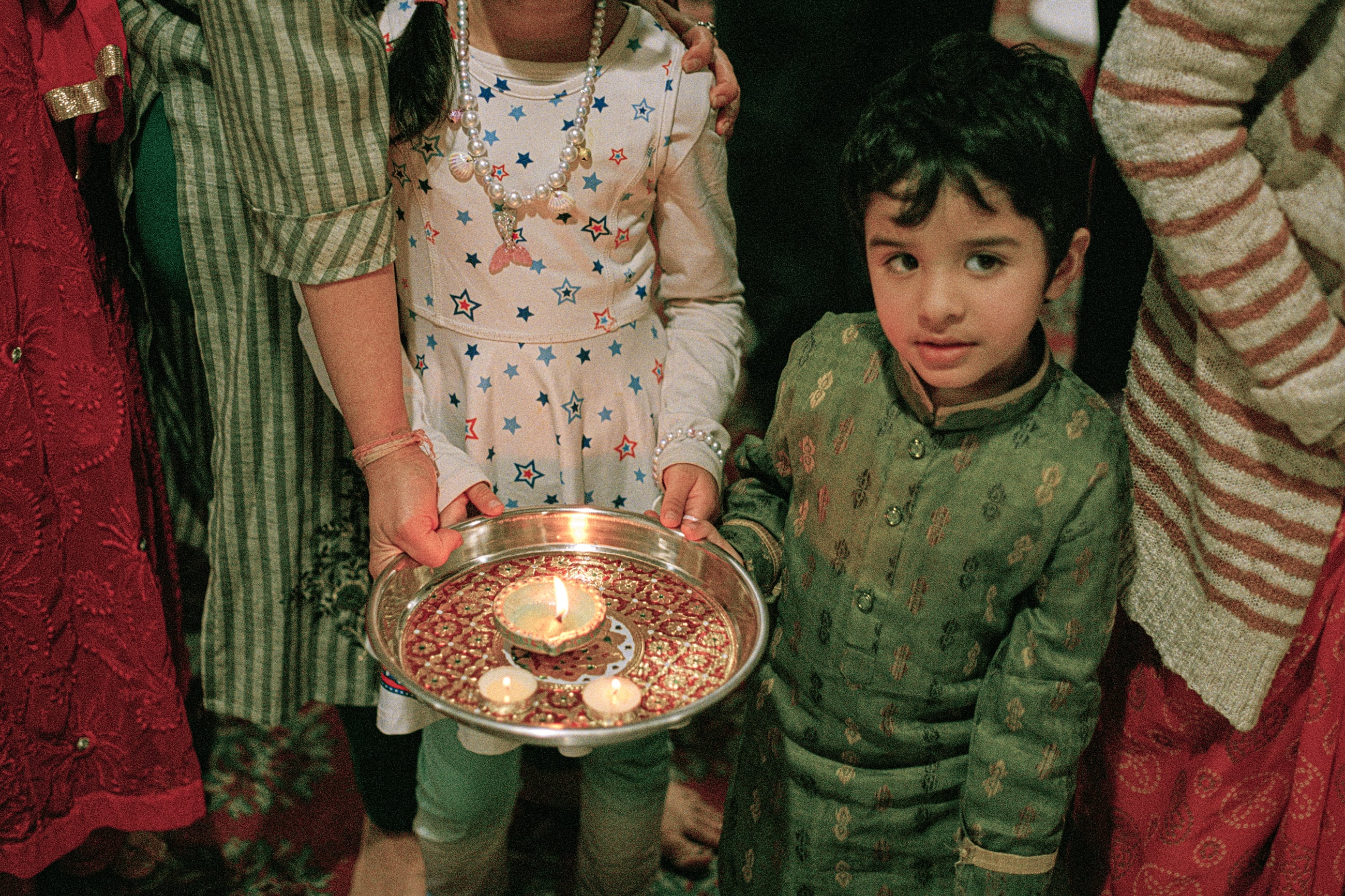
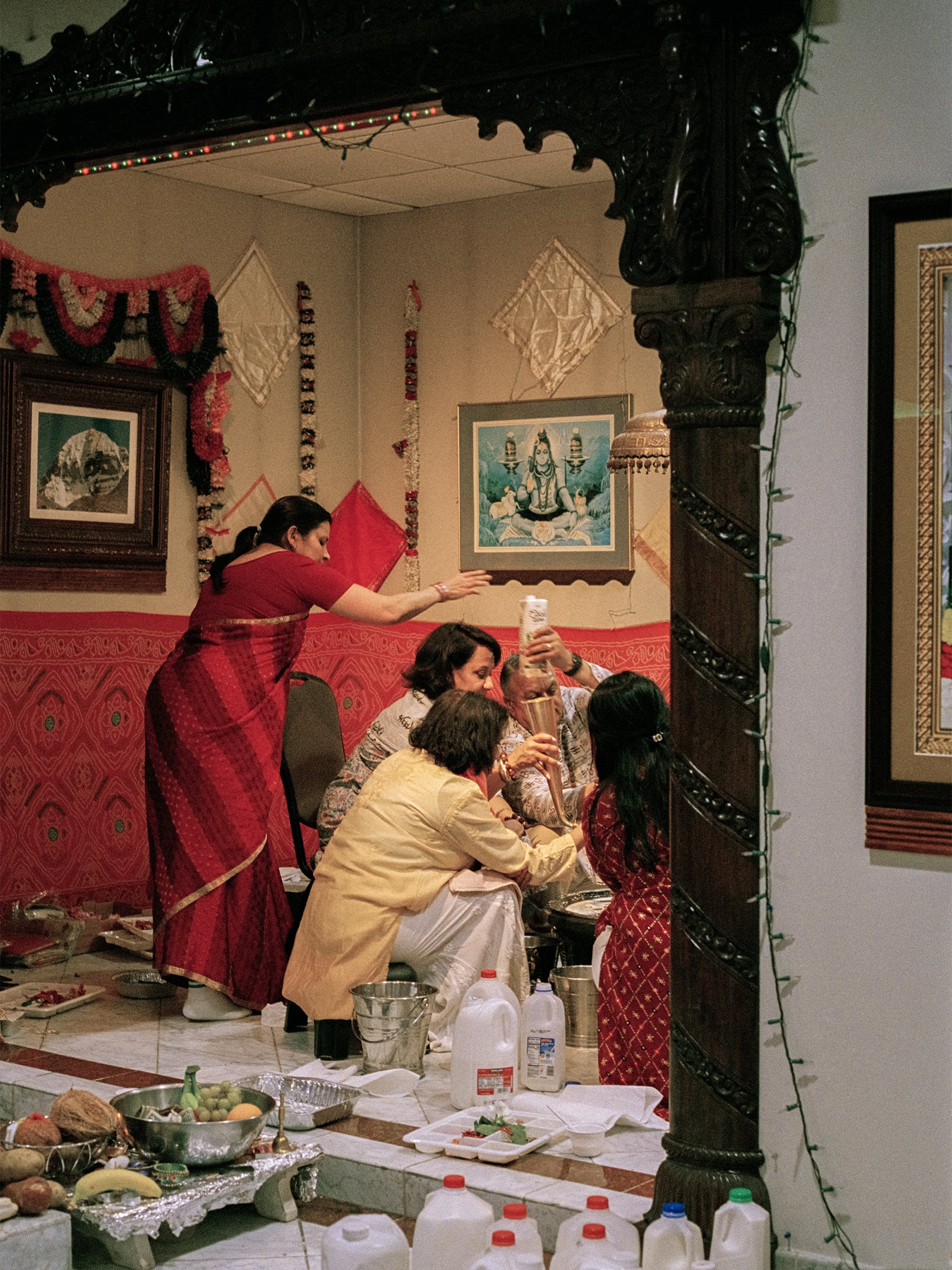
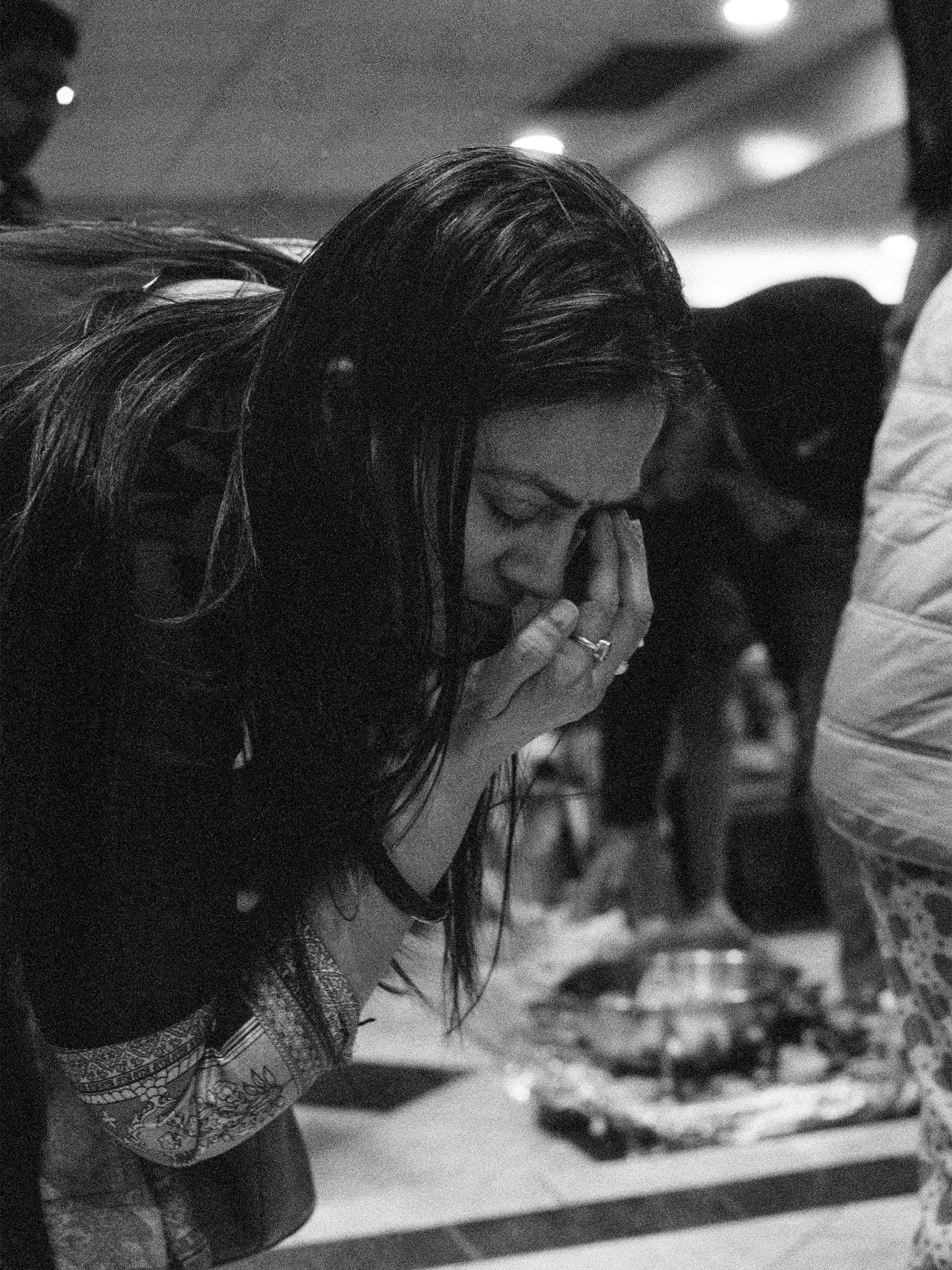
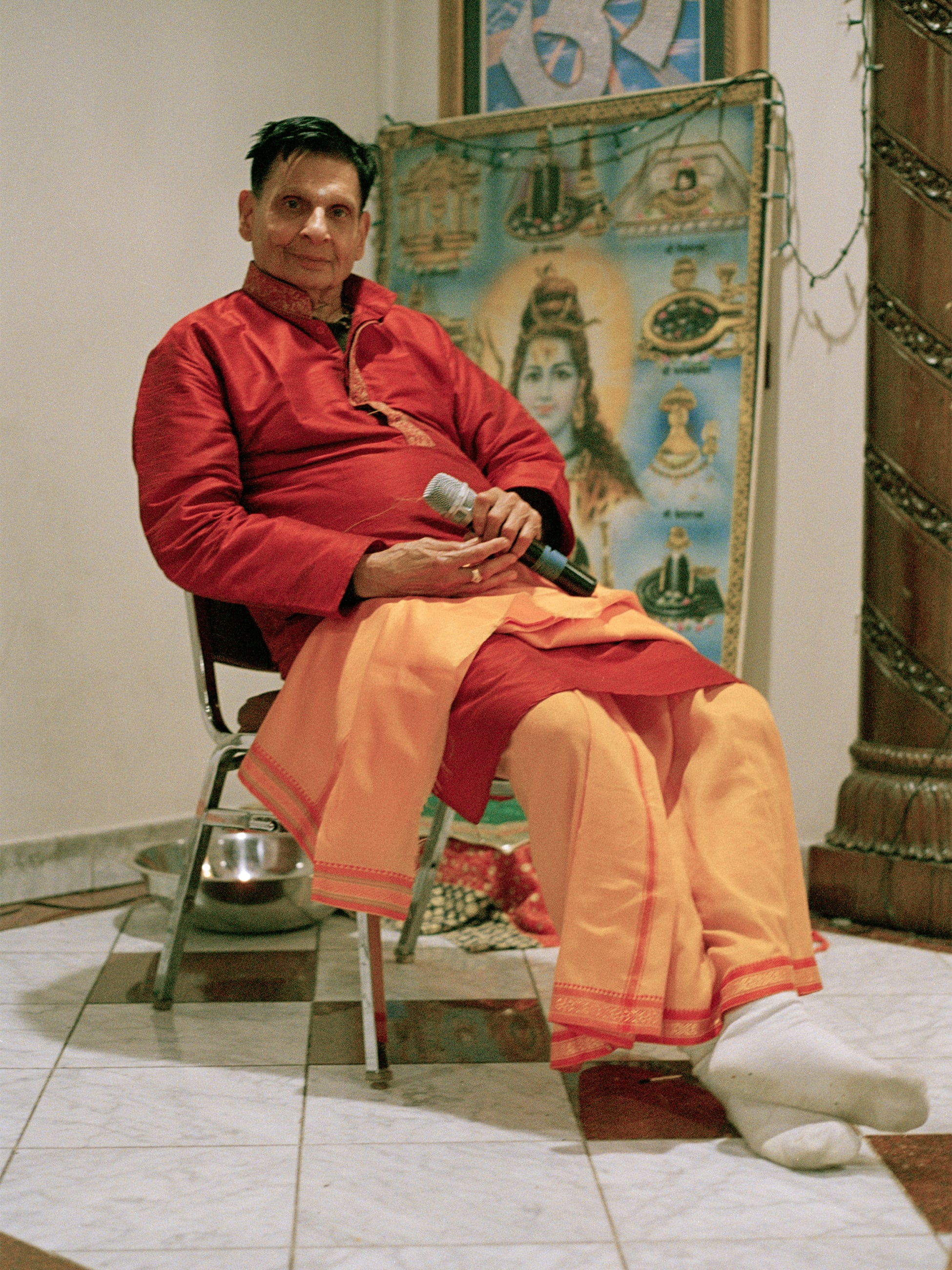
Photographer Lance Lokas stayed at this small 30-year-old Hindu temple from 9 pm to 6 am on Maha Shivaratri, a nocturnal festival commemorating the marriage of the gods Shiva and Parvati. Worshippers stay up all night, praying and performing the ritual abhishekam—bathing deities in milk (bottom left).
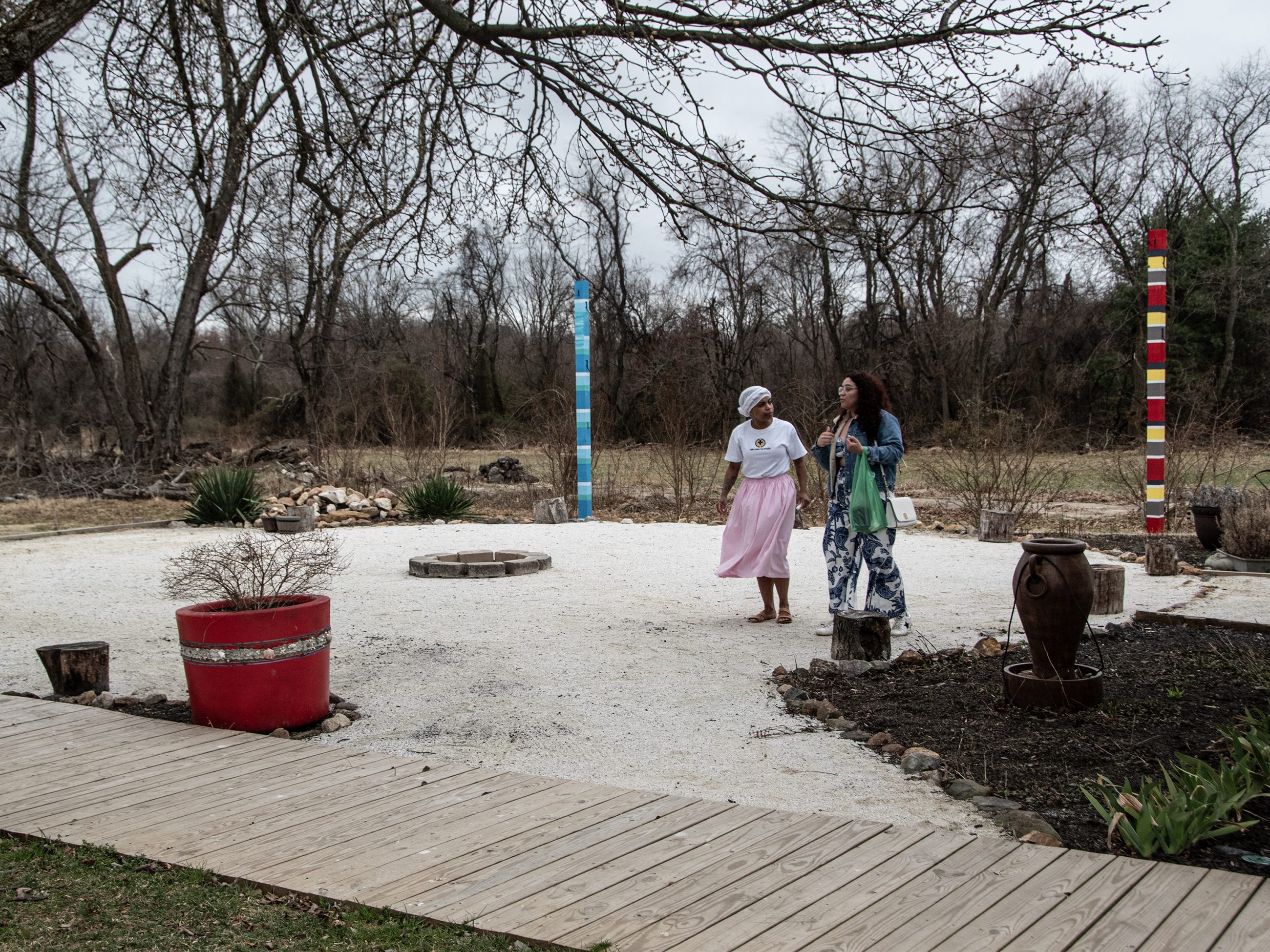
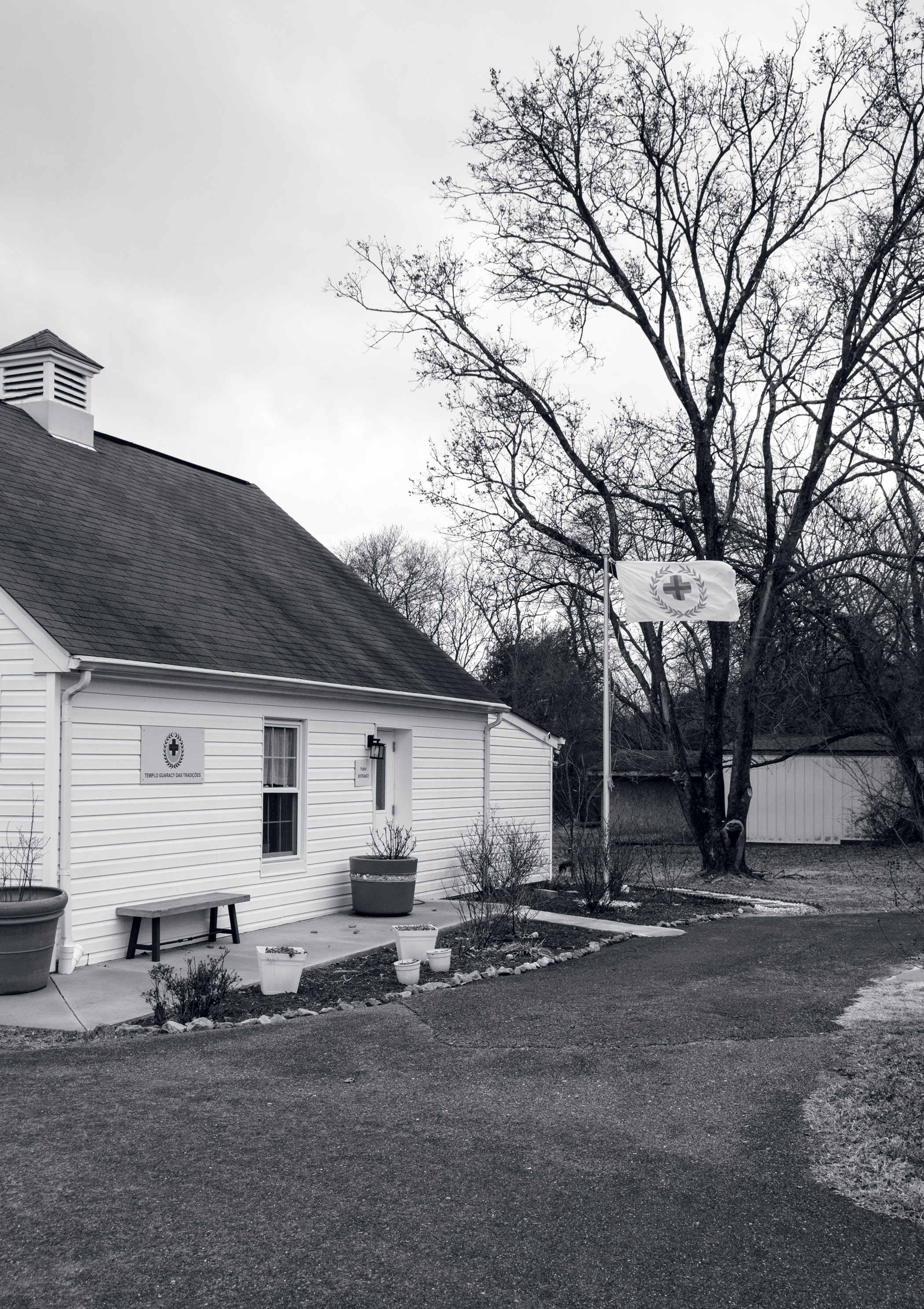
Templo Guaracy Das Tradições
15811 New Hampshire Avenue, Silver Spring
Umbandistas—adherents of a Brazilian religion that blends Afro-Brazilian and Catholic practices—gather at what looks like a house every week for giras, dances to celebrate and communicate with powerful spirits called orixás. Pictured are an Umbanda medium and a community member outside the temple.
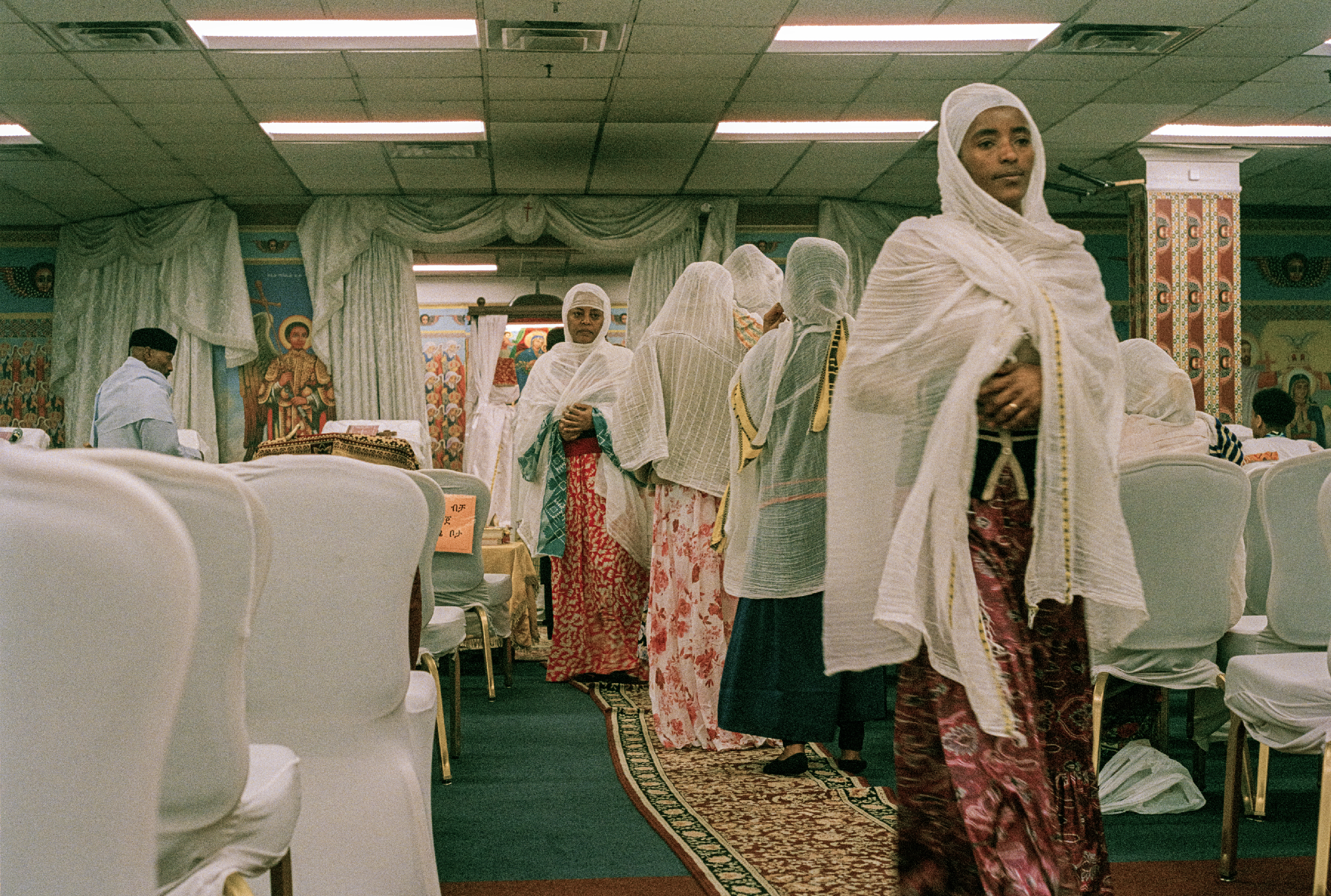
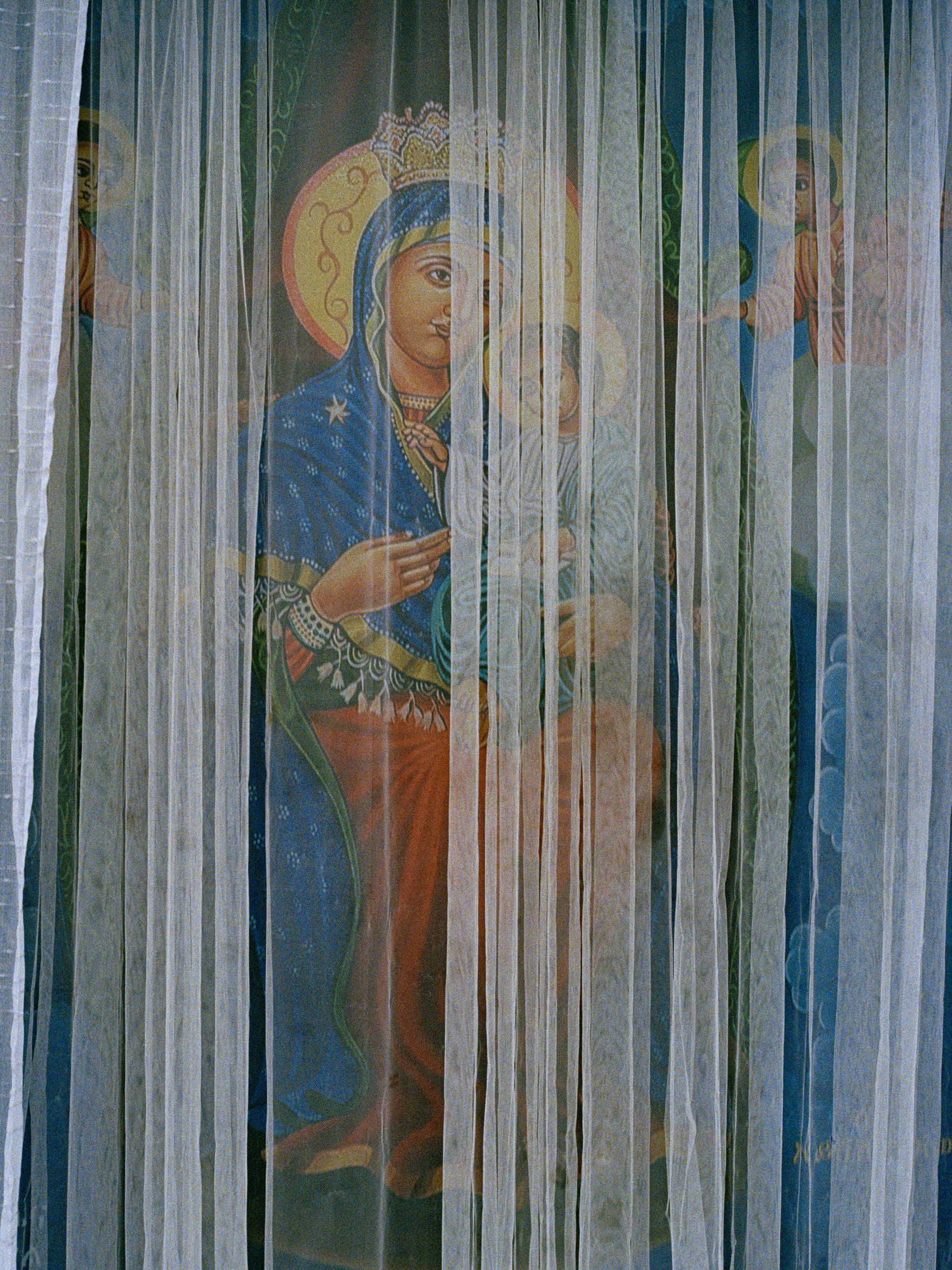
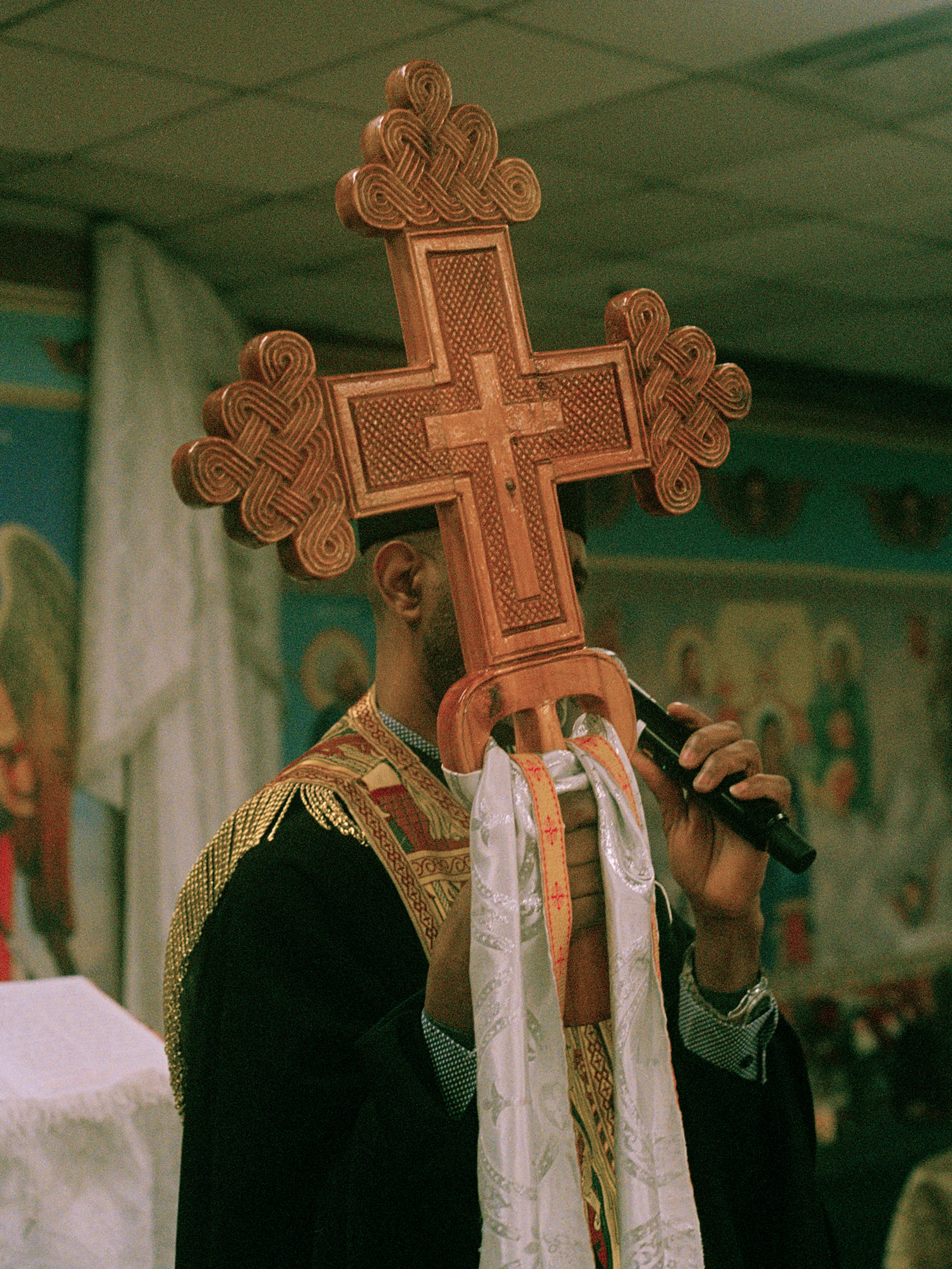
Kidist Kidanemihret Ethiopian Orthodox Church
6509 Riggs Road, Hyattsville
The Ethiopian Orthodox Tewahedo Church was founded in the fourth century. In Ethiopia, Christians pray in 800-year-old rock-hewn churches of Lalibela and in the Holy Trinity Cathedral of Addis Ababa, which holds the sarcophagus of Emperor Haile Selassie. This drop-ceilinged strip-mall church, just off the Highway to Heaven, is more humble—and also a way of maintaining tradition for the area’s large Ethiopian community.
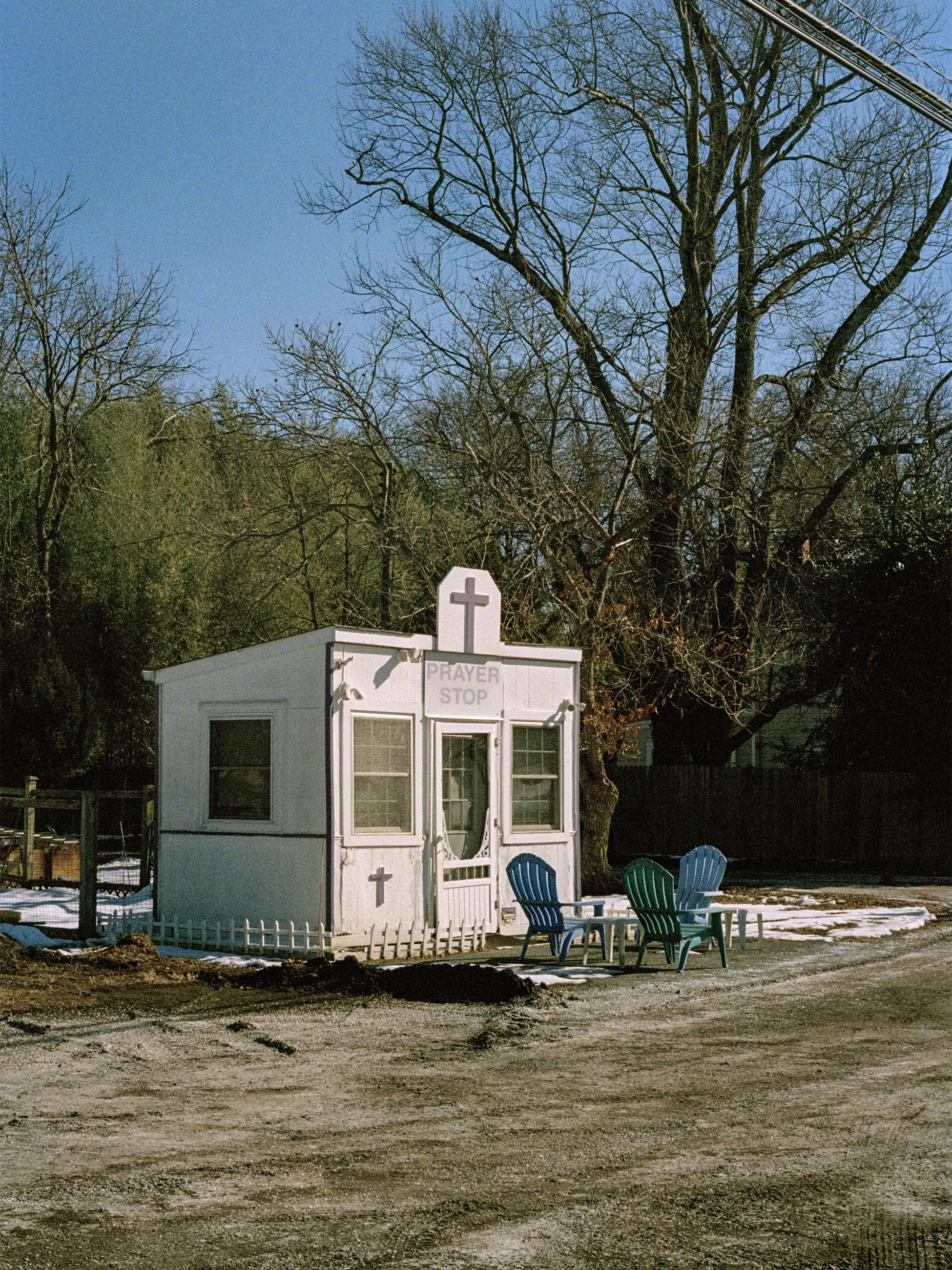
The Prayer Stop
16811 New Hampshire Avenue, Silver Spring, MD
The Prayer Stop, a devotional roadside shed that was formerly a fruit stand, is the humblest house of worship along the “Highway to Heaven.”
This article appears in the April 2026 issue of Washingtonian.