Recipients of the annual Kennedy Center Honors are typically revealed in mid-summer, four or five months before the glitzy show and black-tie dinner held in recognition of their contributions to the performing arts. The long lead time is as much about marketing as event logistics: There are donations to solicit, tickets to sell, and publicity to get out before the star-studded ceremony in early December.
Not this year. Kennedy Center officials didn’t get around to naming this year’s honorees—actor Andy Garcia, singers Paul Anka and Barbara Mandrell, playwright David Mamet, and music impresario David Foster—until November 2, just over a month before the big night. The late announcement will compress the usual months-long production into a matter of weeks. Rehearsals this year will begin just three days before the curtain goes up.
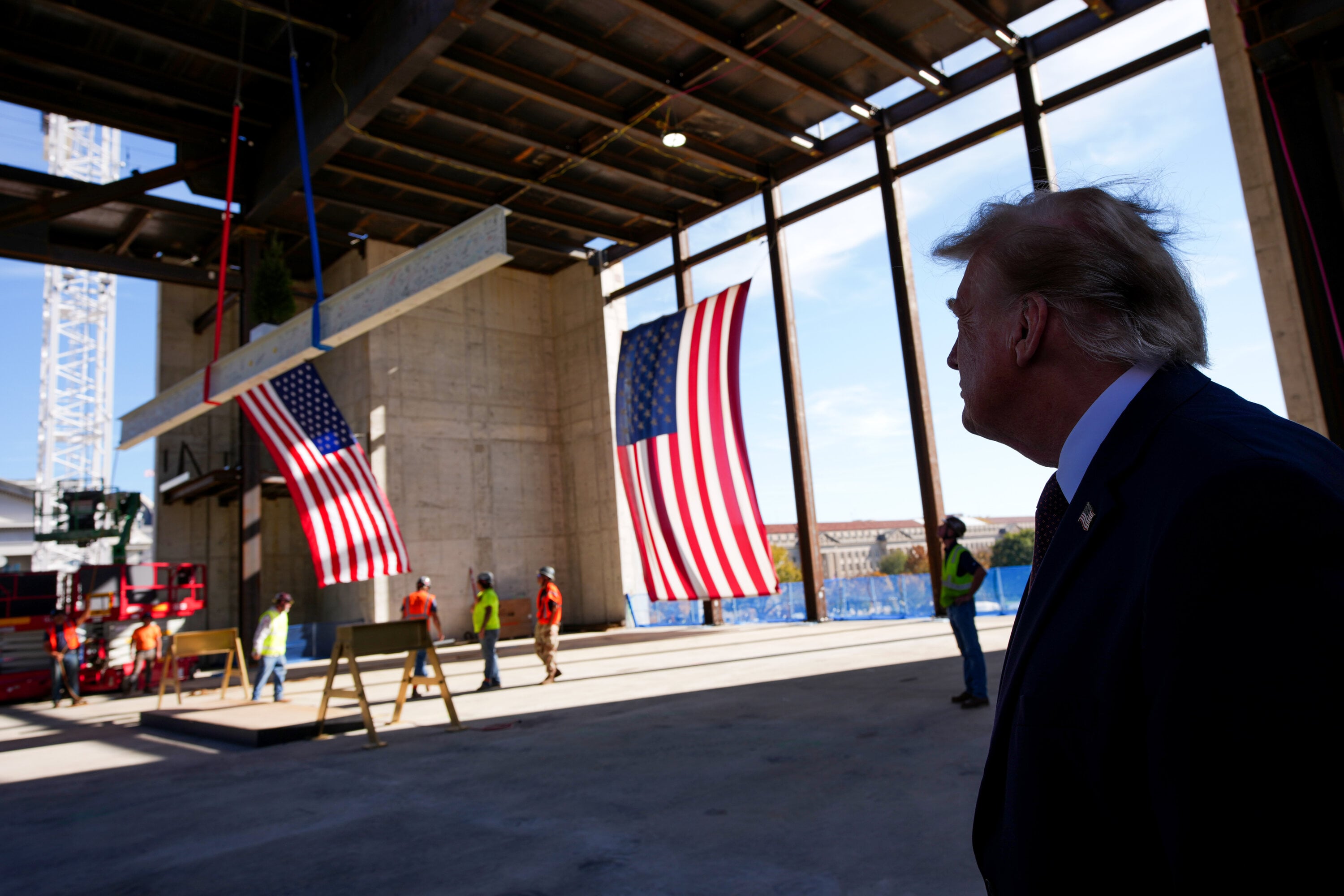
The hurry-up schedule for the Kennedy Center’s best-known annual event and leading fundraiser is a byproduct of the turmoil that has engulfed the institution under its self-appointed chairman, President Trump, and his hand-picked board. That the show will go on at all counts as a kind of miracle, considering the circumstances. “This year has been a mess,” one person involved in organizing the Honors told Washingtonian.
Using words like “chaos” and “uncertainty,” the person added: “I’m just not sure what normal looks like.”
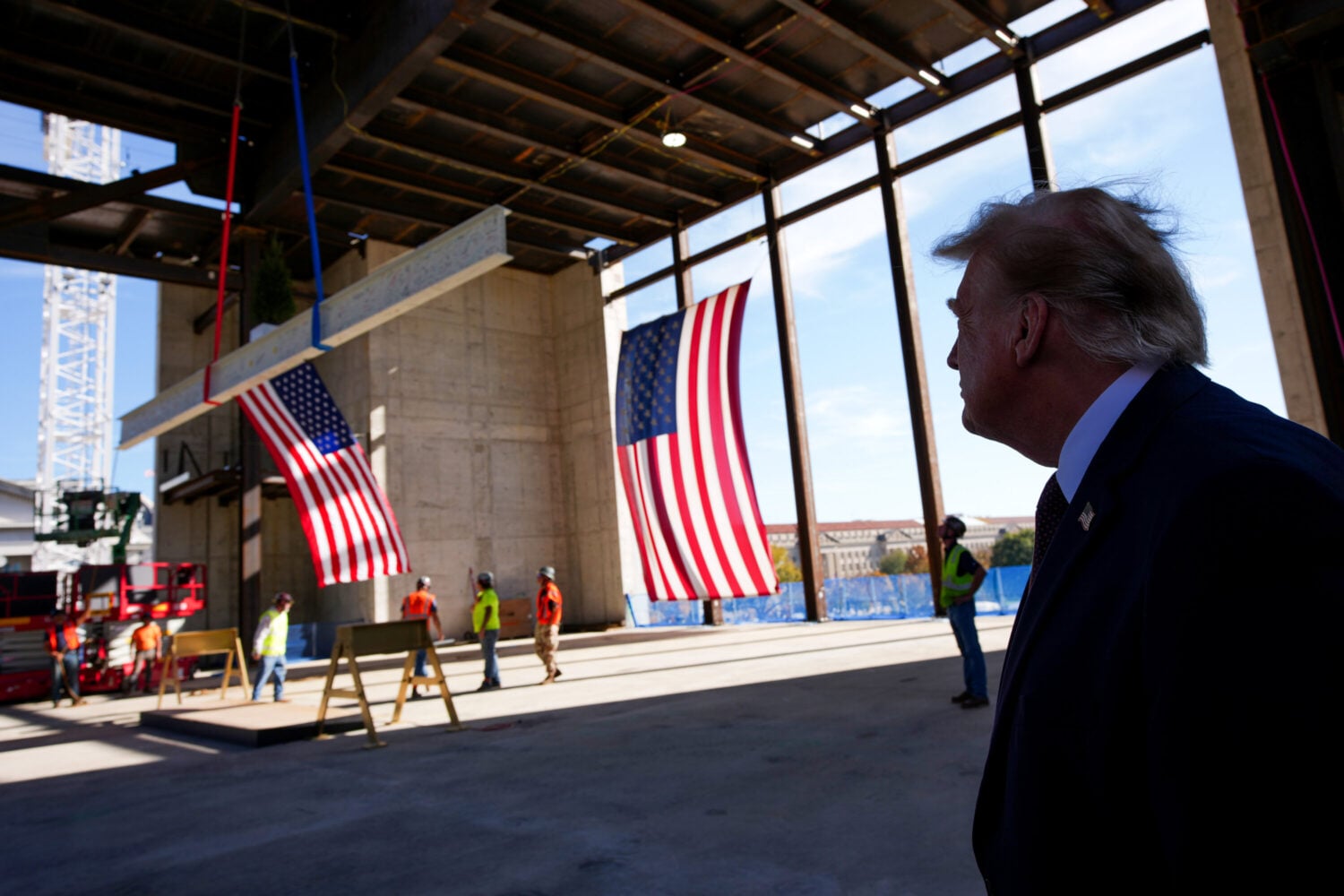
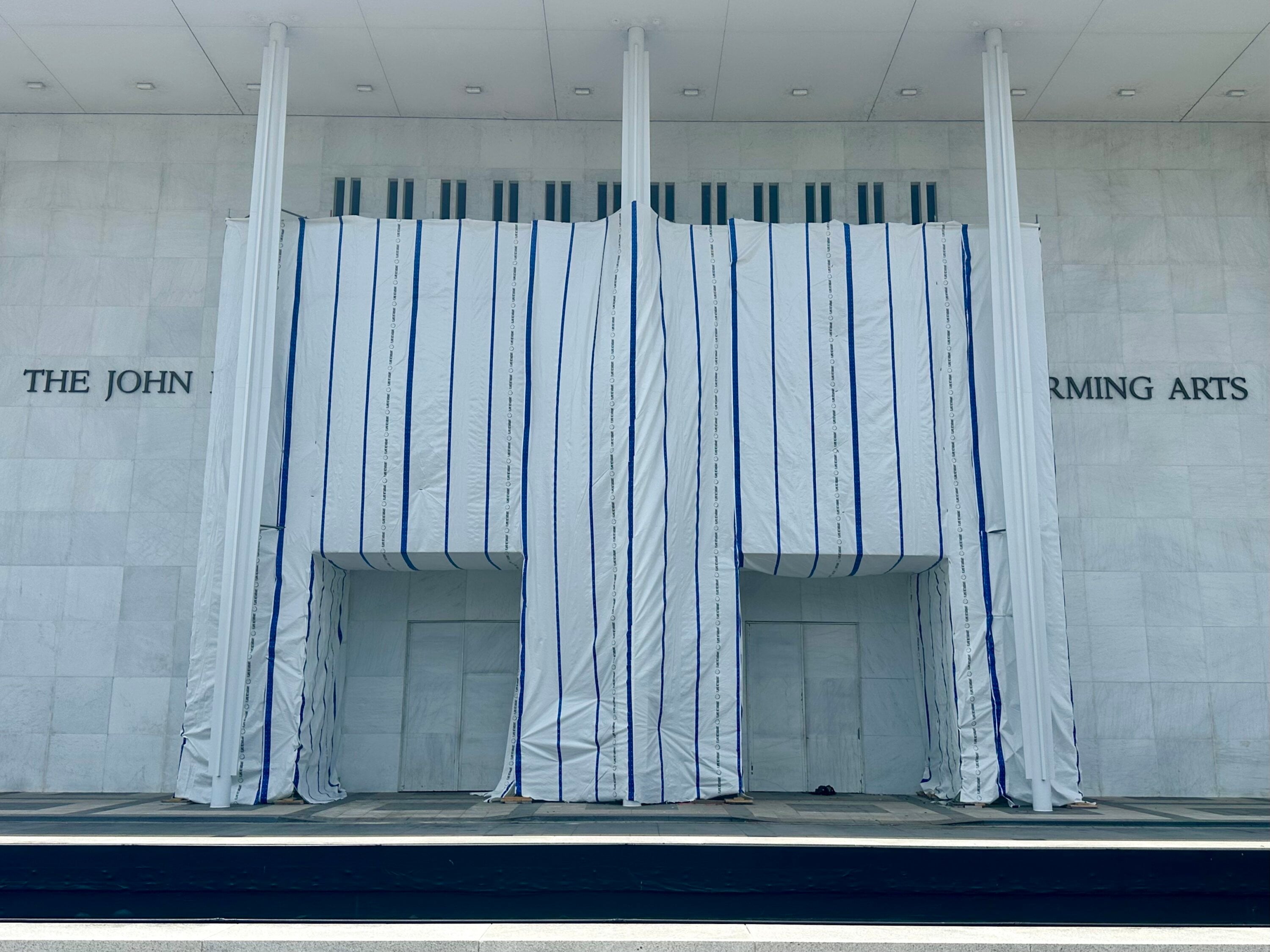
How did the Honors get here? A few days after last year’s gala, the Kennedy Center’s board voted to add Trump’s name to the complex, triggering public outrage and a lawsuit from a dissenting board member, Democratic Ohio Congresswoman Joyce Beatty. Trump lost the first round in May when a federal judge ruled that the Kennedy Center could only be renamed by an act of Congress. The judge, Christopher R. Cooper, rejected a second attempt in September, leading the board to close the building for two years, ostensibly due to its deteriorating physical condition. Trump himself has said the building could be “ripped down” unless his administration—that is, he himself—receives “recognition” for operating it. Or, at the moment, not operating it: Congress has authorized $257 million for repairs, but the complex is closed and an overhaul is on hold while the legal dispute plays out.
The September closure meant Honors organizers had less than three months to find a new site—or to delay or scrap the show entirely. They ticked through a list of possible alternative venues, but almost all were booked in early December. The only facility with three open dates was downtown’s Capital One Arena—with an added wrinkle that the Honors would have to fit in between scheduled Georgetown University men’s basketball games, bumping the event to a Monday night (December 7) instead of its traditional Sunday night.
The Kennedy Center announced the move to Capital One in early October. What it didn’t mention was the awkward mismatch between the arena’s vast capacity and the actual number of people expected to attend the Honors. The arena holds around 20,000 for a concert or Washington Wizards game; the Honors will have just 2,300 in attendance, following its usual practice of distributing tickets to donors, sponsors and VIP guests, and selling a limited number to the public. That means acres and acres of the arena will be empty for the Honors—exactly the kind of optics Trump, notably crowd-conscious, despises.
Why not fill those seats by selling more tickets? That’s another problem. Layoffs among the Kennedy Center’s ticketing staff and an incomplete transition to a new online ticketing vendor have complicated ticket sales. As of mid-November, none were available via Ticketmaster, the new vendor, or on Capital One Arena’s website, the latter of which doesn’t even list the Honors on its events calendar. Anyone interested in buying a ticket has to visit the Kennedy Center Honors information page, fill out a registration form, and await “updates” about when tickets might be available.
According to organizers, the 2026 program will once again be broadcast by CBS (and streamed by Paramount+), just as it has every year since its inception. But therein lies another drama: CBS is a late arrival to this year’s Honors. The network declined to renew its contract with the Kennedy Center after last year’s show, and no other TV partner stepped up as the uncertainty about the center increased. CBS didn’t re-up until mid-November, just three weeks before the ceremony, effectively saving the Honors from being blacked out. As of Wednesday, CBS’ participation still hadn’t been officially announced; neither the network nor the Kennedy Center would comment to Washingtonian on the new contract.

The Honors were conceived in 1978 by producers George Stevens Jr. and Nick Vanoff as a made-for-TV tribute to legendary performing artists and creators—actors, film directors, dancers, musicians, comedians. The result was an unusual melting pot of high and pop culture, with honorees ranging from contralto Marian Anderson to rockers Led Zeppelin. With a slickly-produced show and a candlelit dinner under the Kennedy Center’s soaring roof, the event quickly assumed the vibe of a command performance and royal ball. The audience routinely included the president and first lady, members of Congress, military brass and wealthy patrons.
Historically, the annual broadcast has been relatively popular and consistently prestigious, helping brand the Kennedy Center as America’s palace of fine arts. Since its inception, it has collected 16 Emmy Awards, the most for a variety program, and 60 nominations in all. As recently as 2014, Stevens’ last year as producer, the broadcast attracted 9.3 million viewers—a handsome number that represents its 21st century peak. But since then, the trajectory has been downward. The 2025 version drew just 3.01 million viewers, a decline of 25 percent from the previous year and the lowest total in its history.
Some read that figure as a mass rebuke to Trump, who turned the program into his personal project. After declining to attend any of the Honors during his first term, he led a press conference last year and bragged that he was “98 percent involved” in selecting the 2025 recipients—including actor Sylvester Stallone, glam rockers KISS, and singer Gloria Gaynor. Trump also named himself host of the televised ceremony, the first time a president had done so. At one point during its telecast, CBS referred to the program as “the Trump-Kennedy Center Honors.”
Trump has taken a more low-key approach this year. There was no press conference to reveal the recipients, just a press release headlined “President of the United States Donald J. Trump and the John F. Kennedy Center for the Performing Arts Announce the 49th Class of Honorees.” As of mid-November, Trump hasn’t committed to hosting the ceremony again, and insiders say this year’s show is likely to go host-less. It isn’t even clear that Trump will attend; neither the Kennedy Center nor the White House has confirmed that he and first lady Melania Trump intend to do so next month.
Nevertheless, Trump hasn’t fully let go of the program. While he has made no claims of influencing the selections, at least three of this year’s honorees—Anka, Mamet and Foster—have ties to him, either as performers at Trump-sponsored events or as outspoken supporters. Mamet, the Pulitzer and Tony Award-winning dramatist, has endorsed Trump’s stolen-election claims and called him “the best president since Abraham Lincoln” in an interview in 2024 (Trump, in turn, promoted Mamet’s 2025 essay collection on Truth Social). Anka recorded a version of “My Way,” the classic song he co-wrote for Frank Sinatra, to honor Trump last year (Trump shared the song on Truth Social; sample lyrics: “You lead us … your way!”).
A Kennedy Center spokesman said honorees are picked by an advisory committee, which includes board members and past honorees and artists. Actor Kelsey Grammer and musician Lionel Richie were in the latter group this year.

The 2026 ceremony will be produced by Rick Canny, the Los Angeles-based rock-music promoter and talent manager who took over as the Kennedy Center’s artistic director in October. A senior consultant on the 2025 Honors, Canny has managed the likes of bluesy rockers ZZ Top and former Motley Crue drummer Tommy Lee, but has no background with artists in any of the other genres routinely recognized by the event.
Given the Kennedy Center’s current state, it’s fair to wonder if this year’s Honors are doomed to underwhelm. And looking ahead, the bigger question may be existential: if the institution’s premier event can no longer attract the kind of big-name performers who in turn draw donors and viewers—and do so free of Trump’s polarizing shadow—then how much longer can the show go on?

Paul Farhi covered the news media and other topics during 35 years as a Washington Post reporter. He’s been a freelance reporter since 2024.