
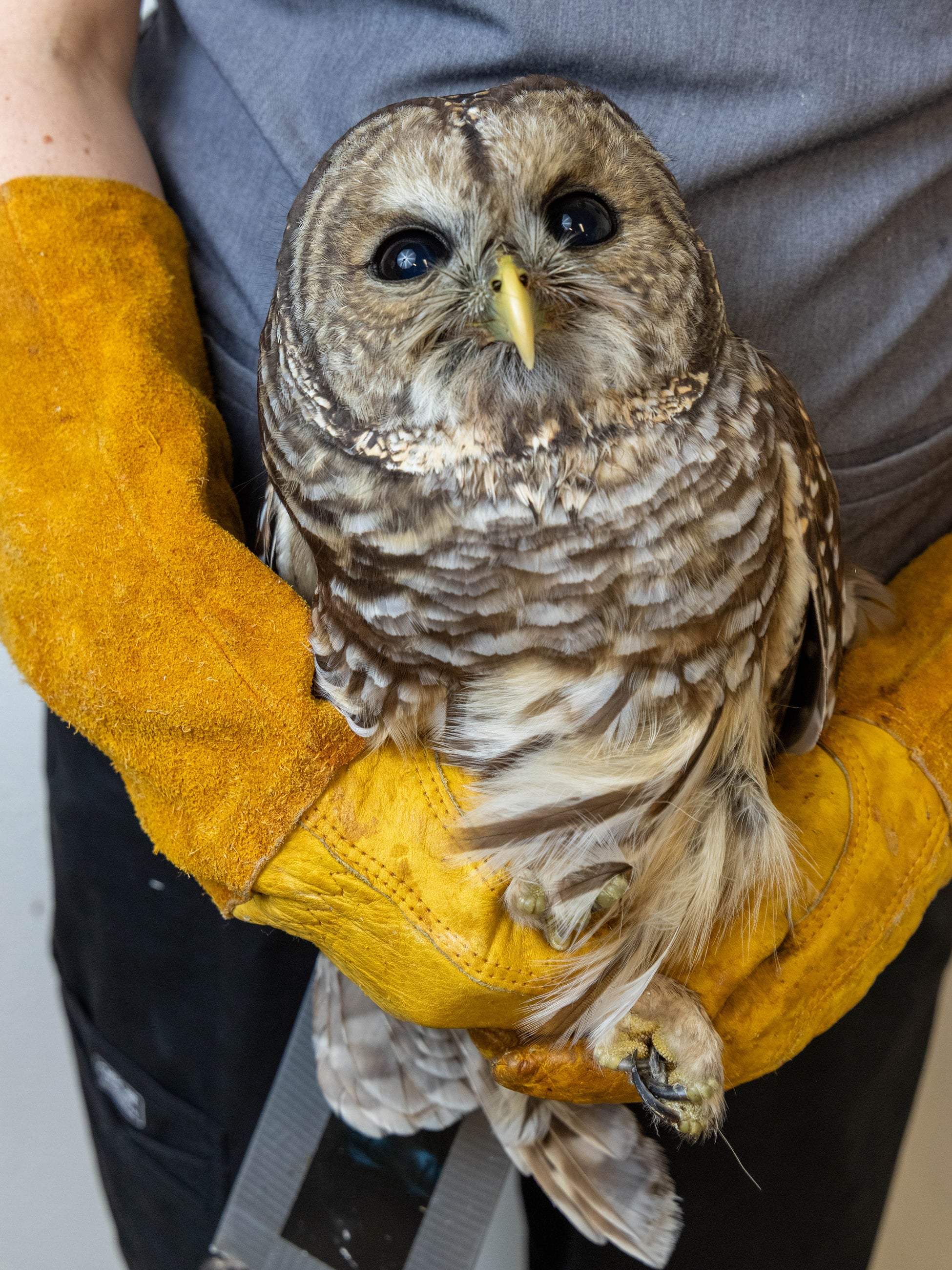
ou see a mourning dove flapping on the sidewalk, struggling to move. A baby squirrel crawling near traffic, seemingly abandoned. An owl lying on the ground with one eye closed. What do you do? If you’re like thousands of locals each year, you try to help sick or injured wildlife. Often, rescued animals end up at City Wildlife, the District’s only wildlife rehabilitation clinic.
Opened in 2013 and led by veterinarian Sarah Sirica, the facility treated roughly 1,900 animals last year—slightly more, for its size, than the Wildlife Rehabilitation Center of Minnesota, the busiest such facility in the world. On a recent morning, Dr. Sarah, as the staff calls her, loads syringes with medicines and annotates patient printouts. Her exam room has a large whiteboard of columns tracking admission, species, and problems. On the list: eastern gray squirrel, rock pigeon, and red-shouldered hawk, with notes such as “neuro” (neurological symptoms like a tilted head), “lead” (an animal ingested the heavy metal), and “HBC” (hit by car).
The day’s crew of volunteers, interns, and staff prepares food for about 100 recovering animals. Among them are an orphaned baby opossum, also known as a “joey,” which draws awwws from the interns as it struggles to keep itself upright in a blanket, its paws resembling tiny, fingerless gloves. Dr. Sarah reminds everyone to keep quiet around the opossum to avoid “habituation”—a lack of fear from continued exposure—to humans, which can get animals killed after leaving the clinic. Joeys, she says, are especially vulnerable to habituation when left on their own; before release, staff might hiss at the baby marsupial so it learns to fear people.
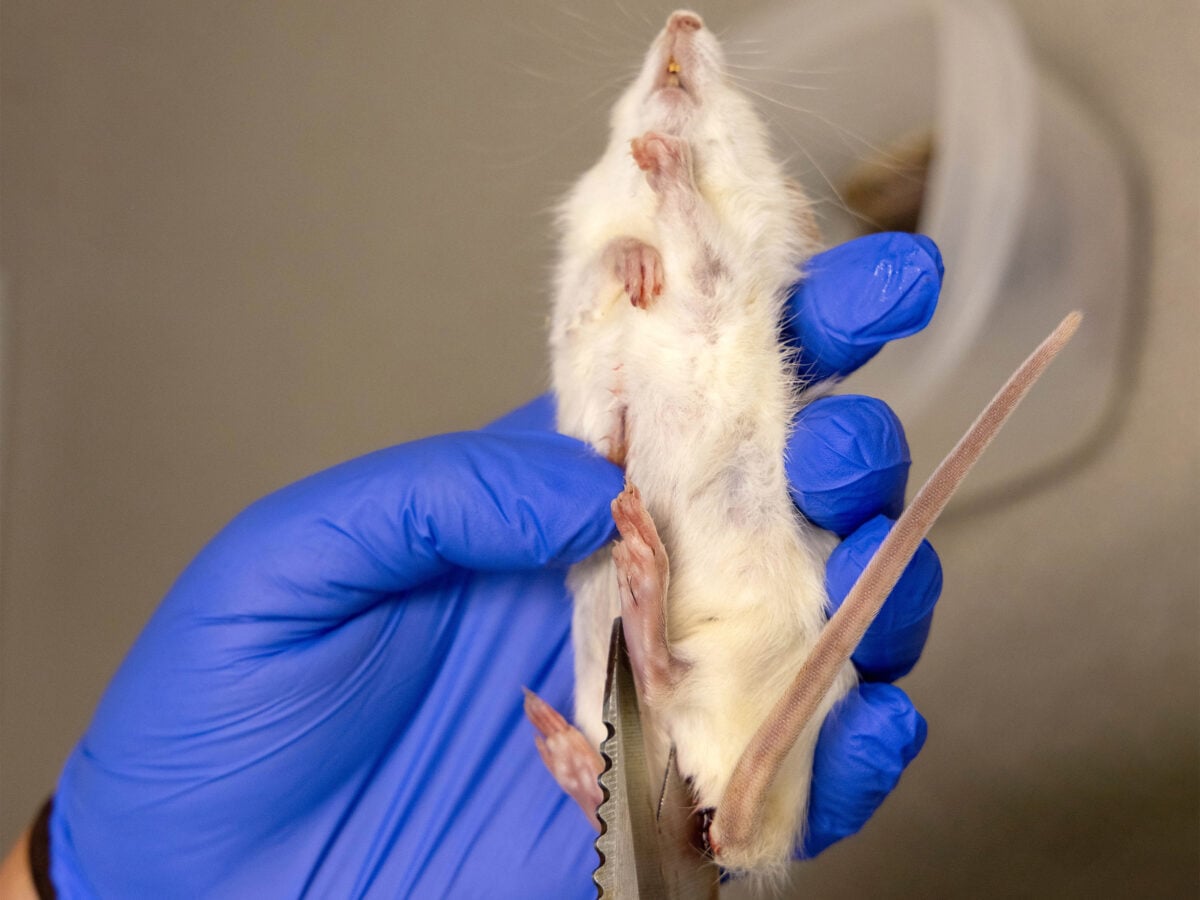
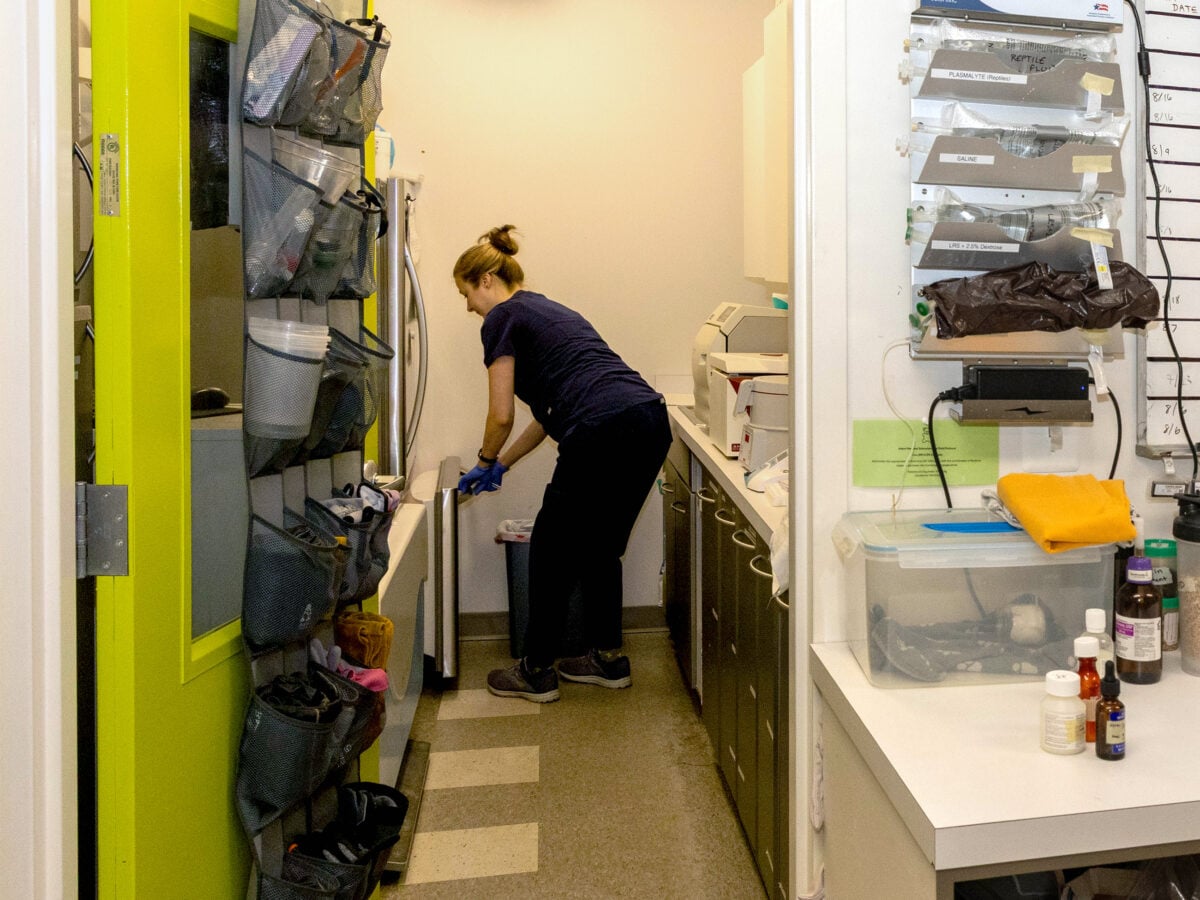
For most of the day, Dr. Sarah gives her patients head-to-tail exams. If needed, she’ll bathe them, rebandage limbs or shells, inject medications, improvise splints from donated craft supplies, and collect fecal samples. The interns help out, and Dr. Sarah quizzes them on the types of parasites scraped from a pigeon’s crop. Many interns intend to work in animal care, and wildlife rehabilitation has been professionalizing since the International Wildlife Rehabilitation Council was founded in 1972.
Today, there are a few hundred wildlife-rehabilitation facilities in the US. Clinics like City Wildlife share their data nationally, and universities and government agencies use it to study everything from disease monitoring to evolutionary biology. Funding is mostly private. The District covered about 24 percent of City Wildlife’s $836,000 operating costs in 2025, with most of the rest coming from grants and donations. Practitioners like Dr. Sarah tend to bring a DIY ethos to the work—best practices for, say, a robin neck splint are found in group chats with other rehabilitators.
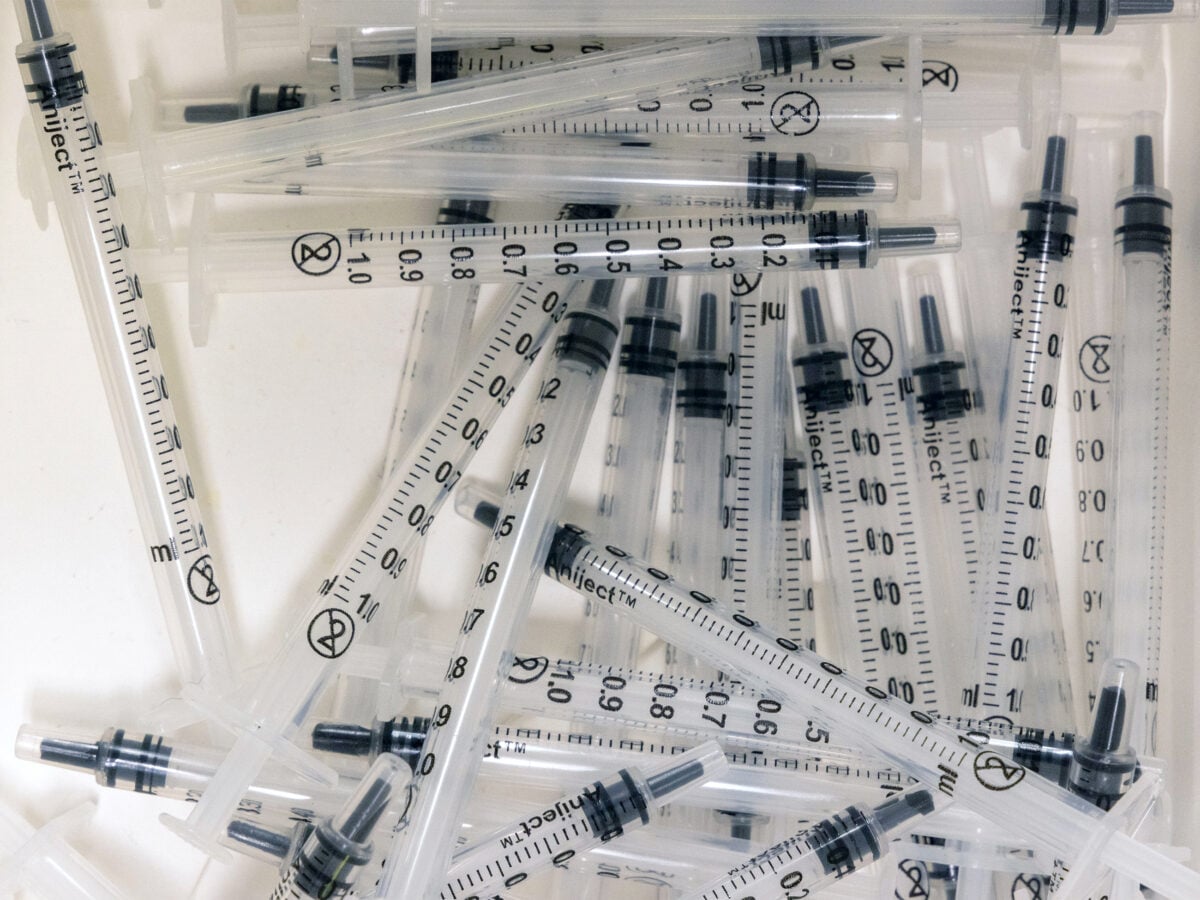
Nationally, about two-thirds of the animals brought in for rehabilitation don’t survive. Of those that recover, some are released following a few days of care, while others can stay for as long as a year. Before leaving for the day, Dr. Sarah mops her exam room, restocks fresh towels, and updates patient records on her laptop. She also washes syringes, which she’ll reload the next morning. “It feels like this is what I’m supposed to be doing,” she says. “I love the wildlife. The fact that I can lend a hand to their problems is extremely meaningful for me.”
Helping Hands
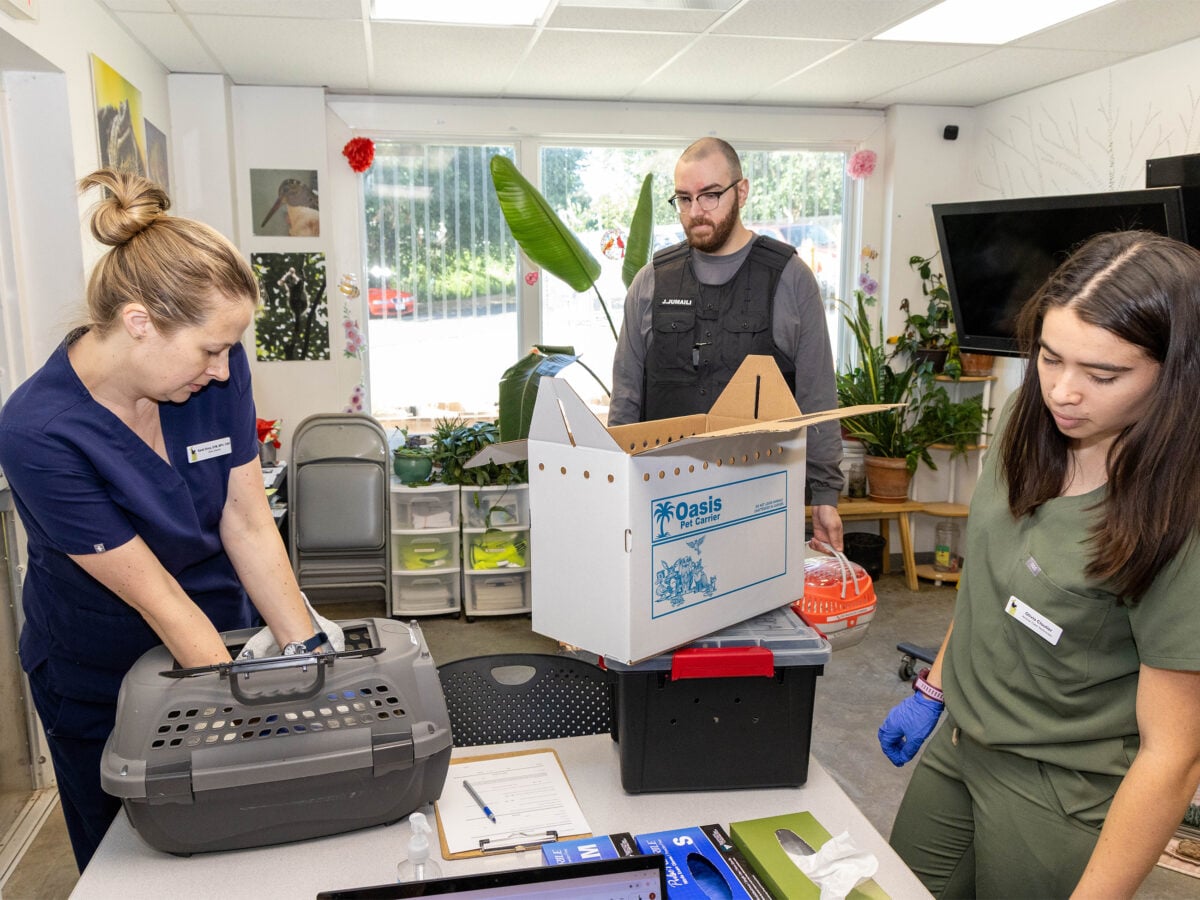
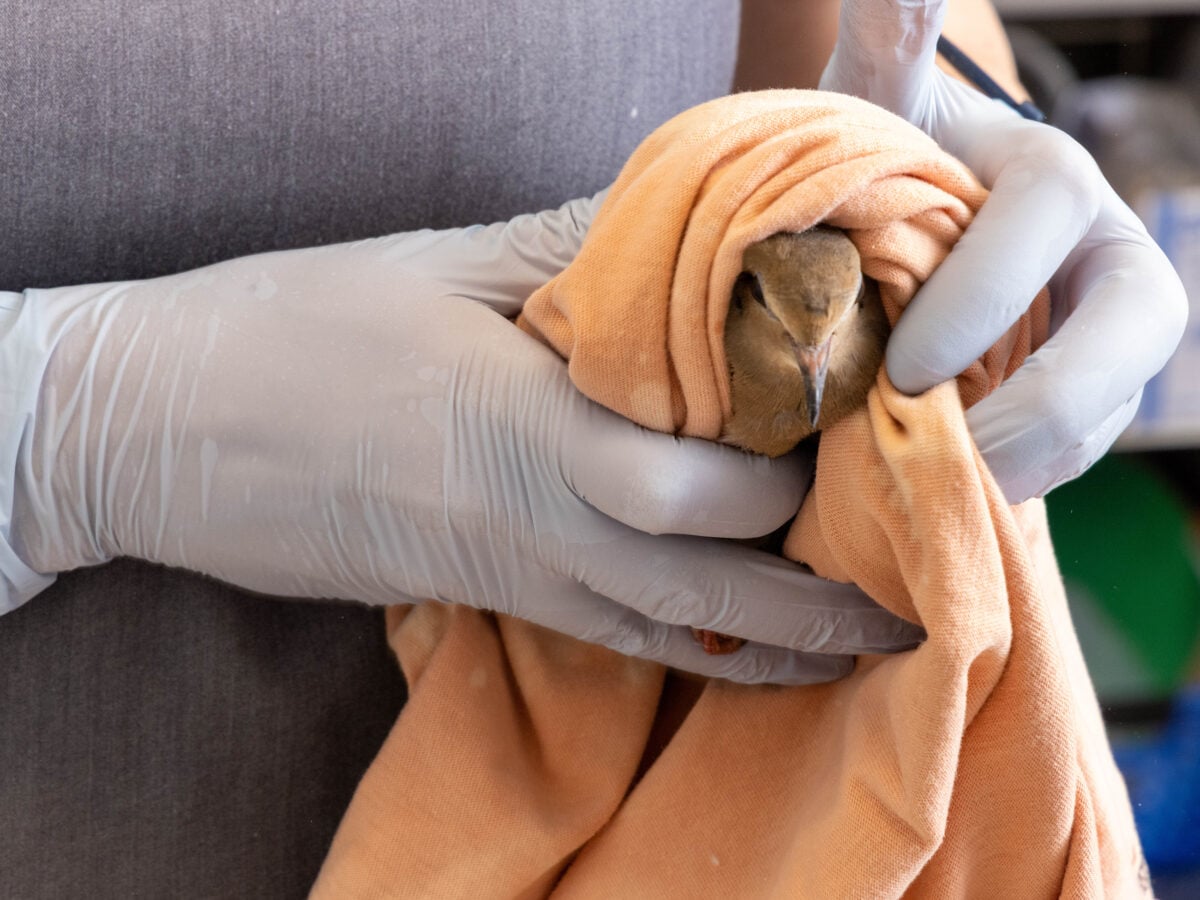
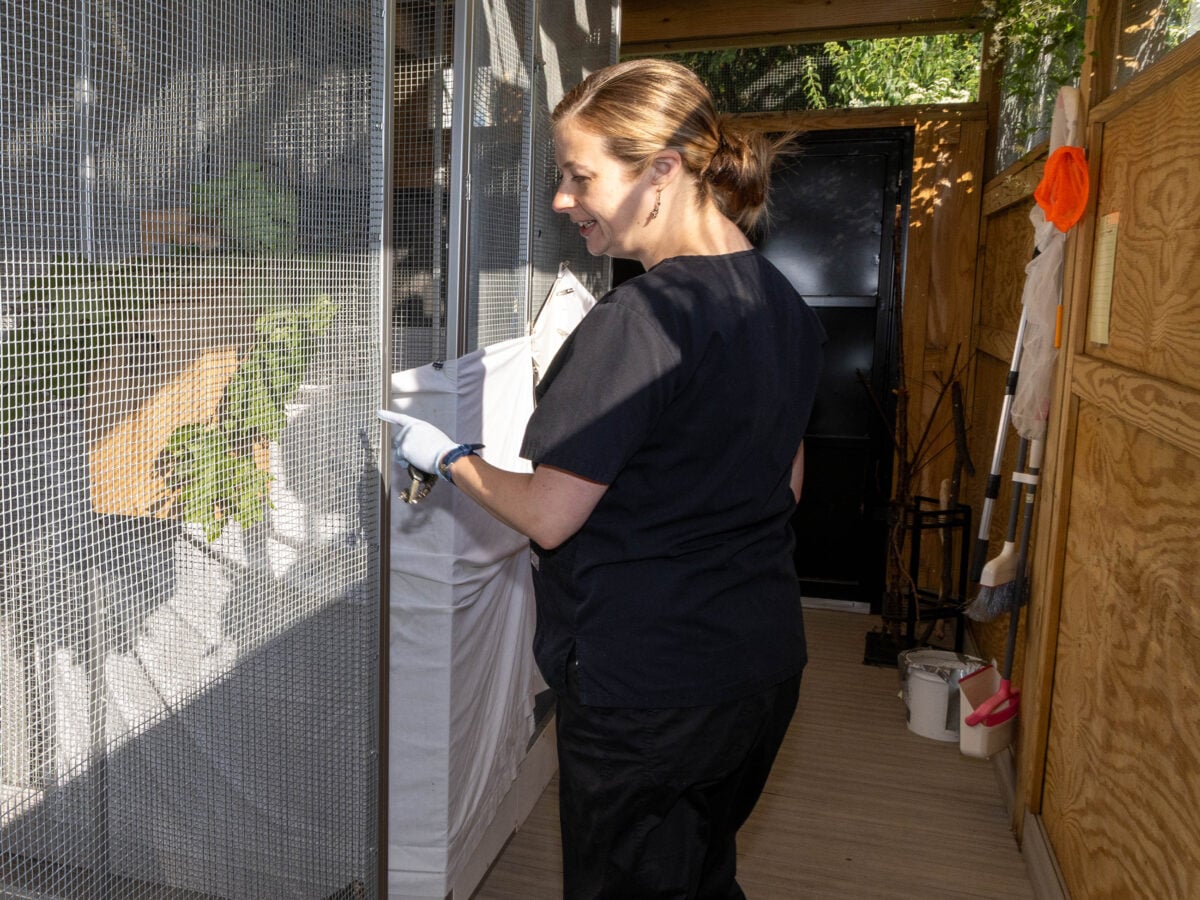
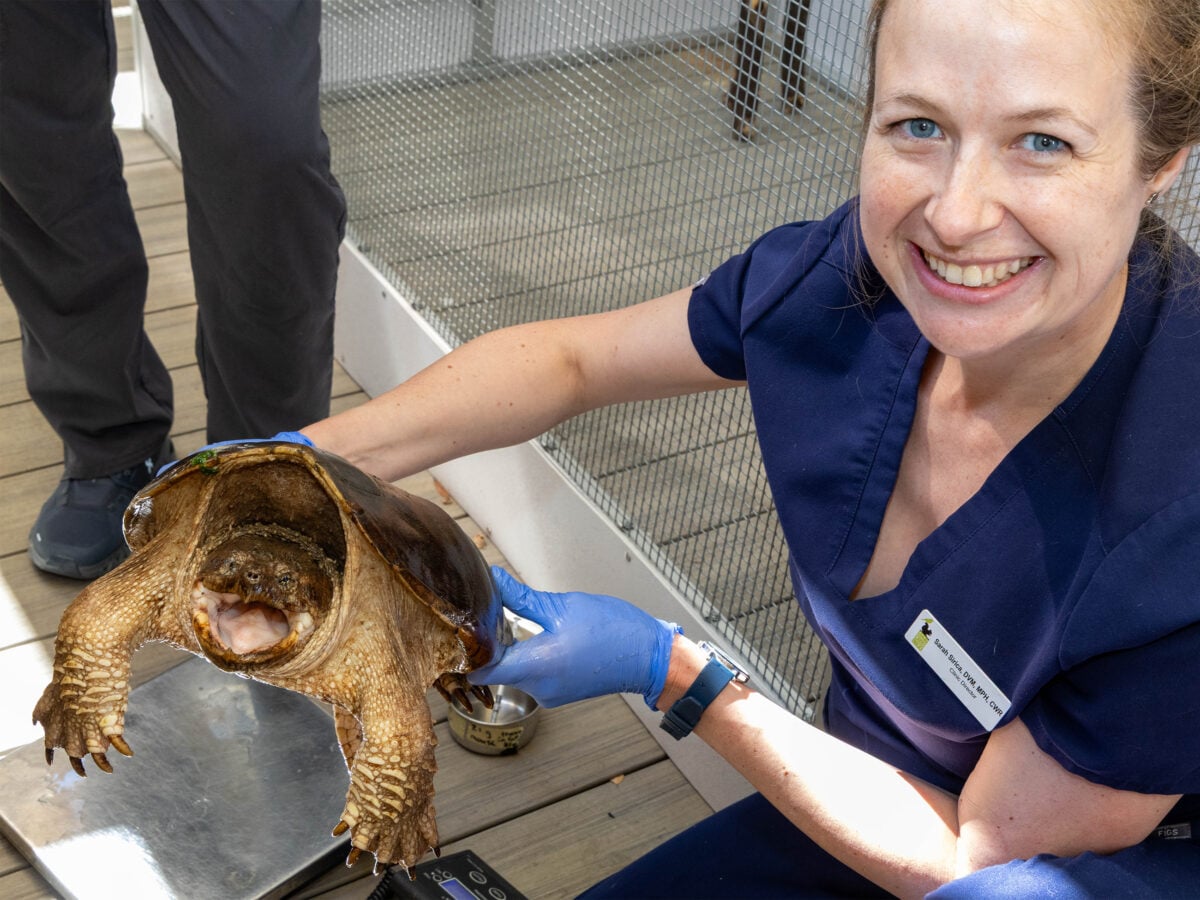
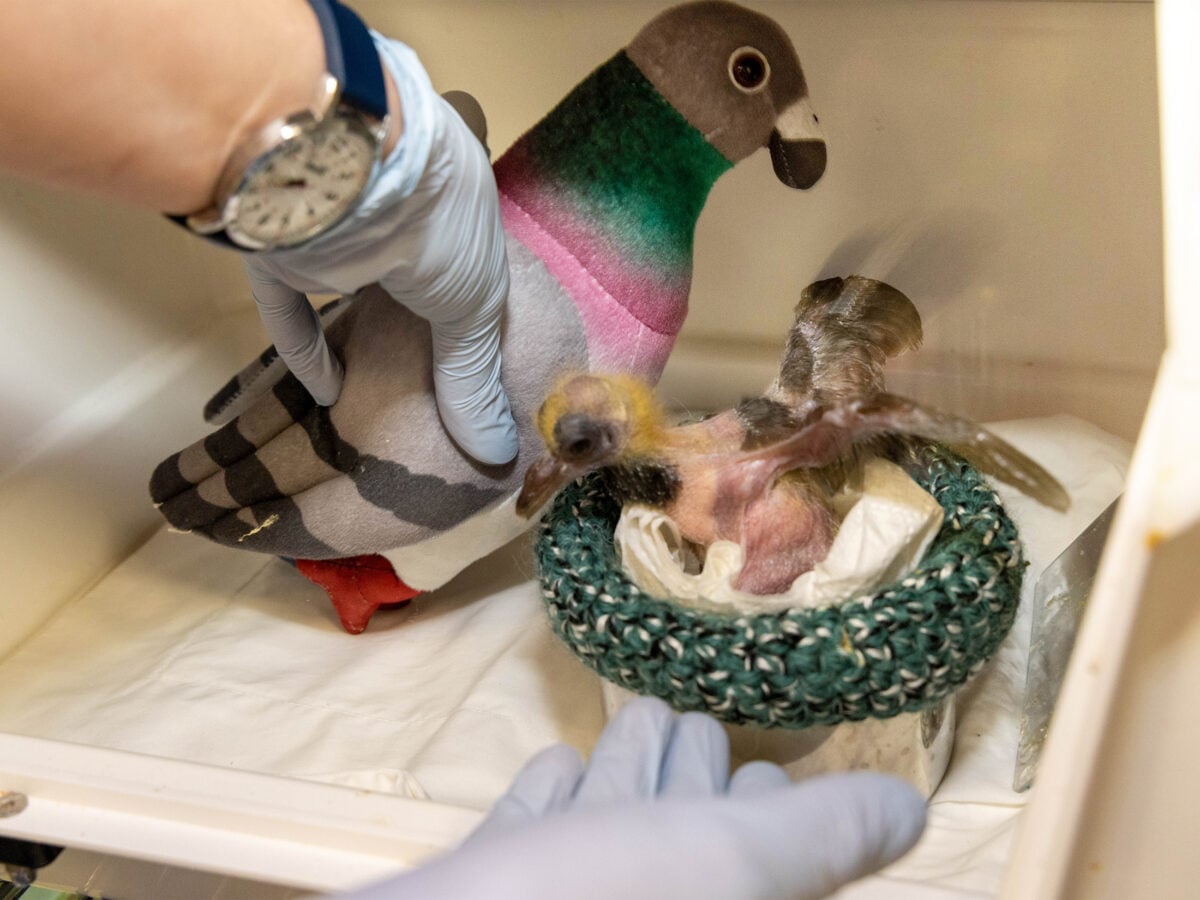
Dr. Sarah receives a patient from an animal-control officer (Slide 1). Top reasons for clinic admission include physical trauma, being orphaned, and injuries from interacting with cats and dogs. City Wildlife has indoor and outdoor enclosures for the animals in its care—which on this day include a mourning dove (Slide 2), a squirrel (Slide 3), and a snapping turtle (Slide 4). A baby pigeon in its incubator is given a stuffed animal to reduce anxiety (Slide 5).
Care and Feeding
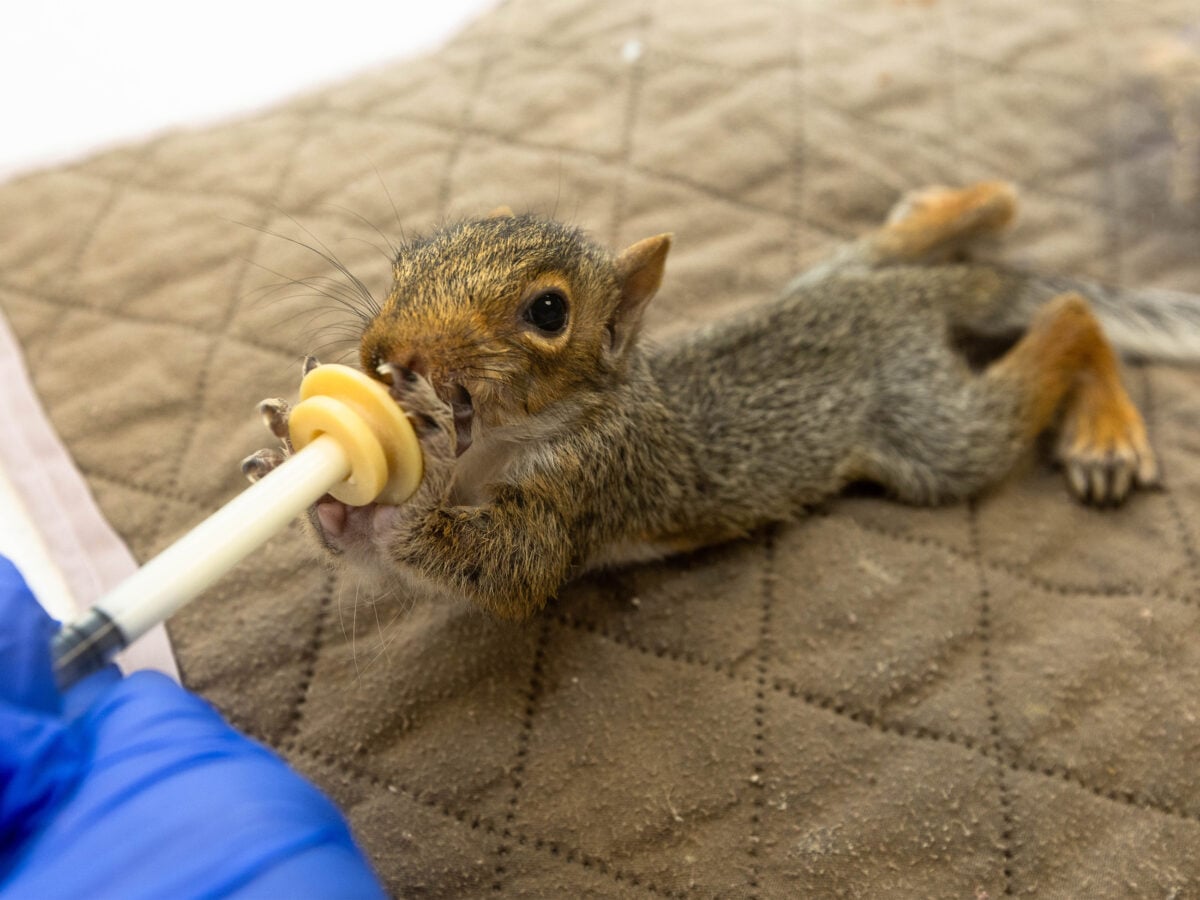
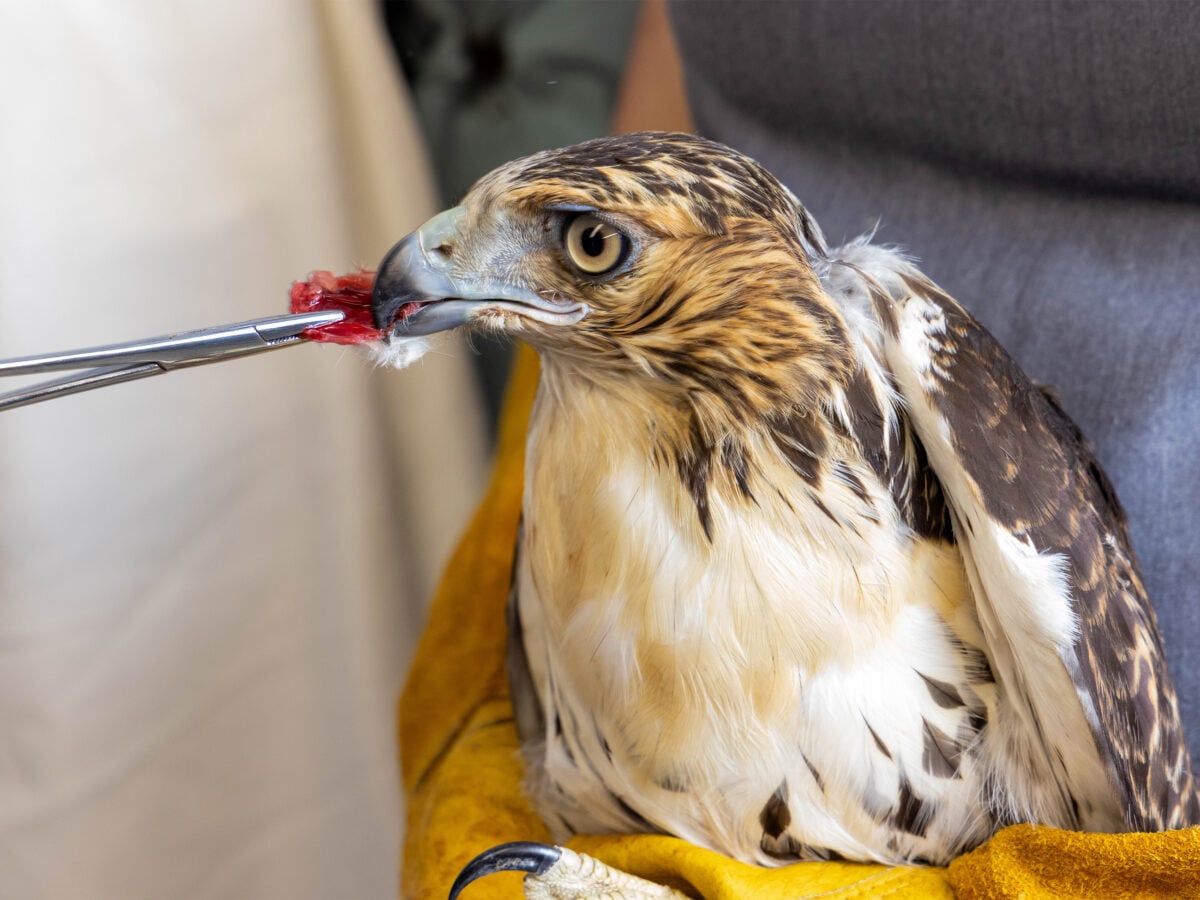
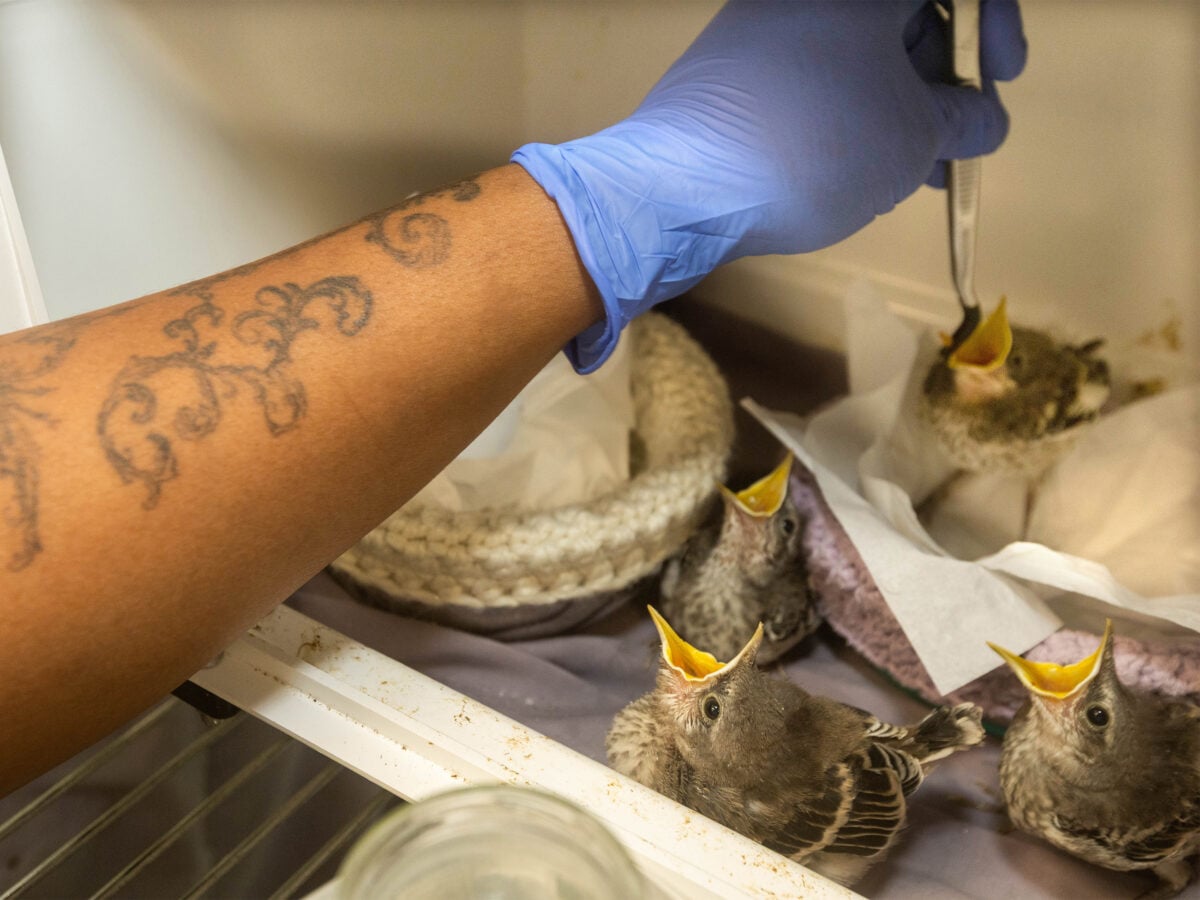
At the clinic, most nestlings are fed every 30 minutes. Other animals receive food twice a day. Diets vary: An orphaned eastern gray squirrel (Slide 1) is fed formula from a nipple attached to a syringe, and a red-tailed hawk enjoys quail meat delivered via forceps (Slide 2). Ducks may get Swiss chard, while crows sometimes feast on dead mice (Slide 3).
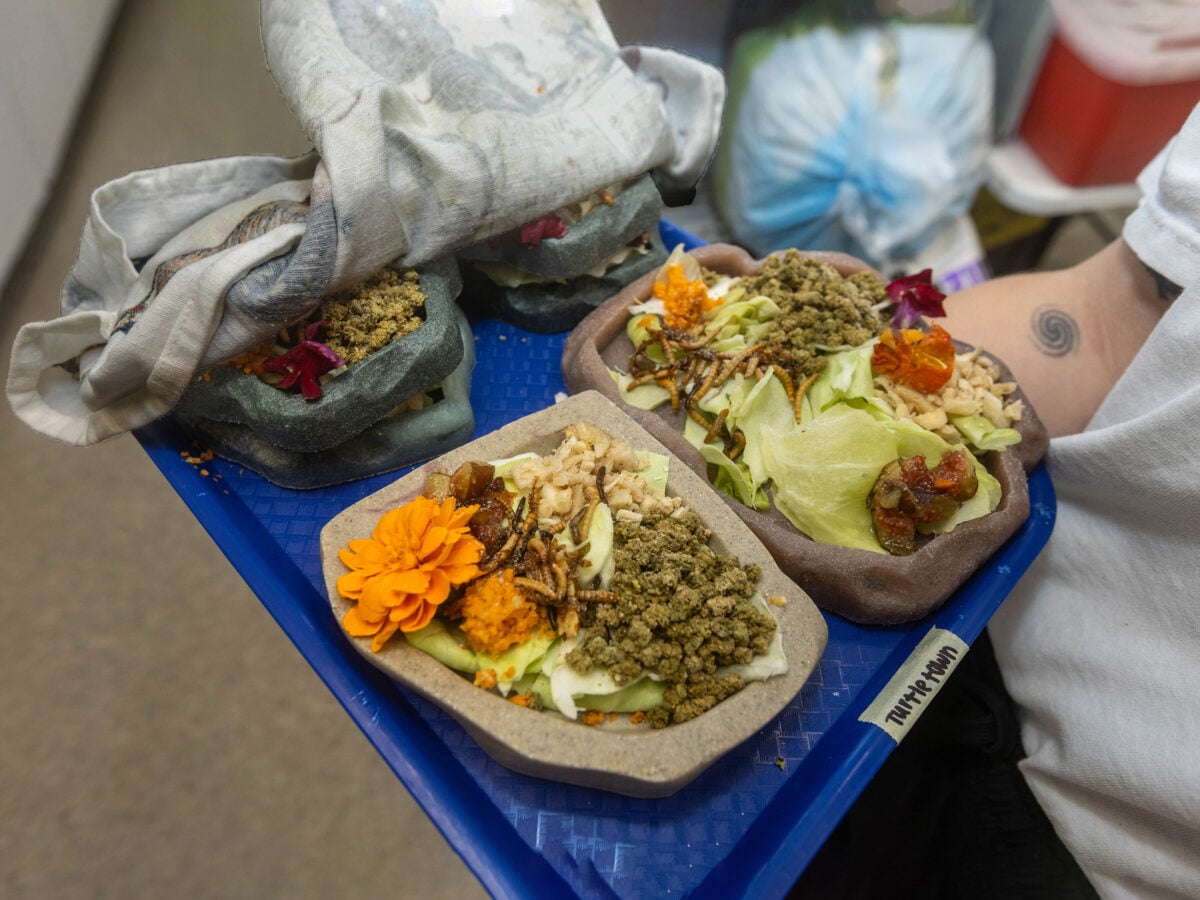
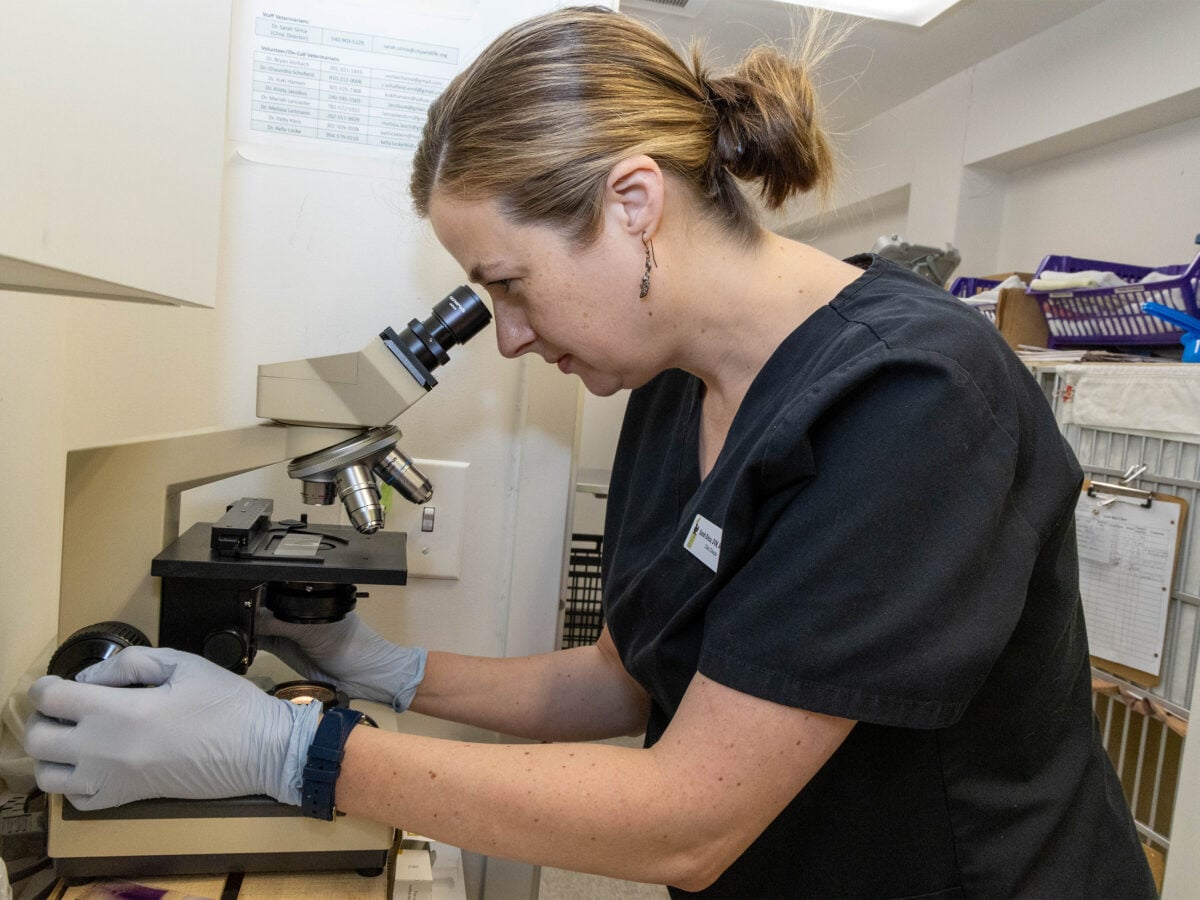
Robin nestlings in an incubator are served worms (Slide 4), while turtles receive food trays containing iceberg lettuce; mealworms; carrot mash; chopped figs and bananas; and seaweed croutons (Slide 5). Syringes deliver painkillers to crows, antibiotics to ducks, and chelating agents to remove heavy metals from a pigeon’s blood (Slide 6). Using a microscope, Dr. Sarah looks for signs of infections among admitted animals (Slide 7). Disease-and-parasite monitoring is one of the main reasons DC helps fund City Wildlife: Pathogens can spread from animals to humans, and advanced warning can help health officials guard against outbreaks.
Diagnosis and Treatment
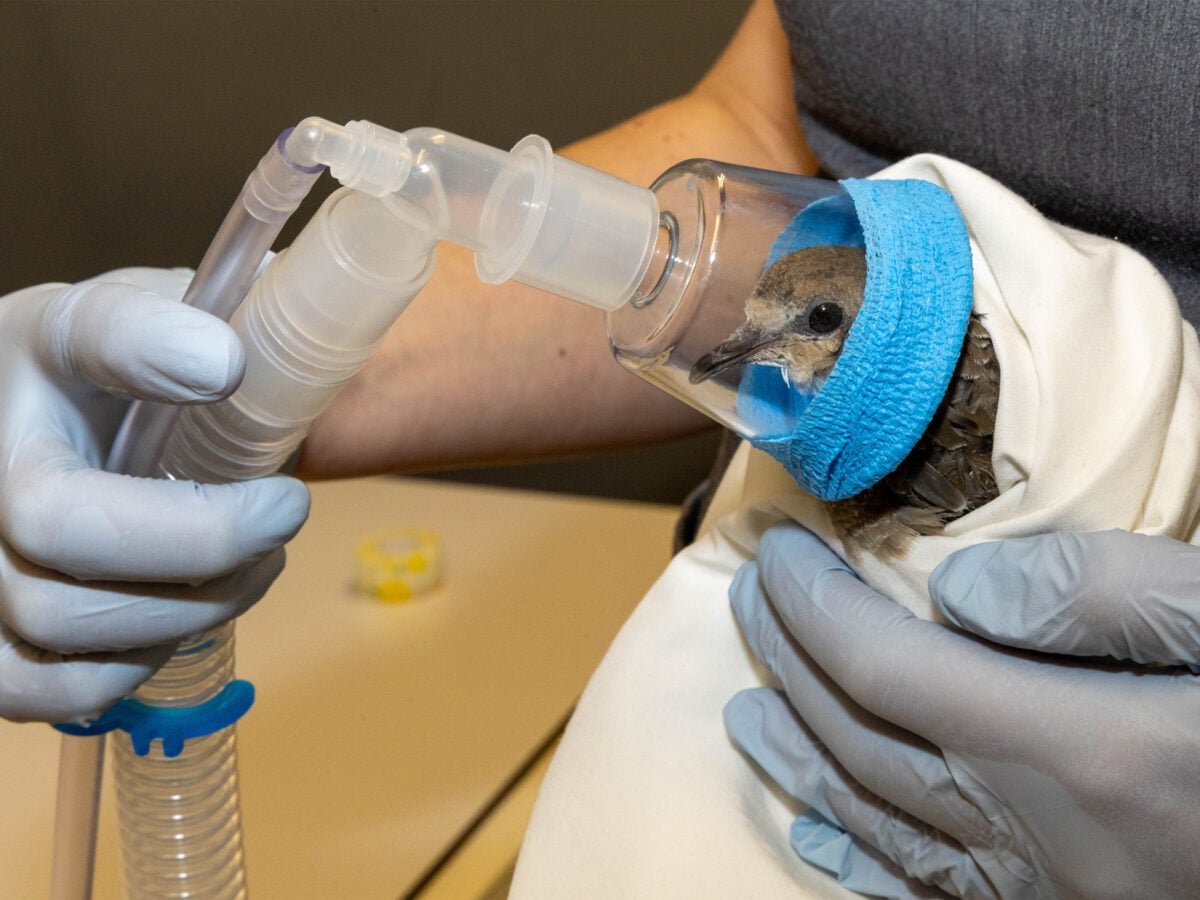
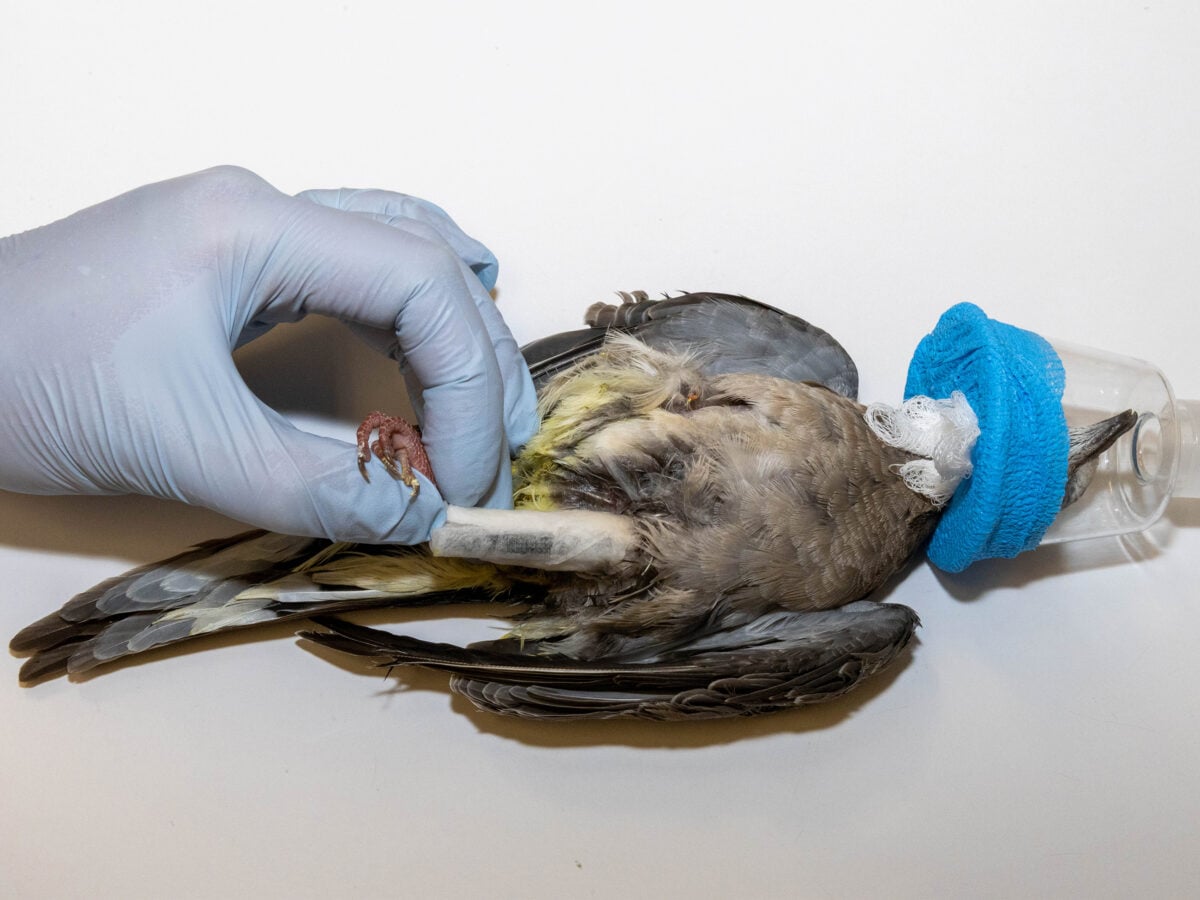
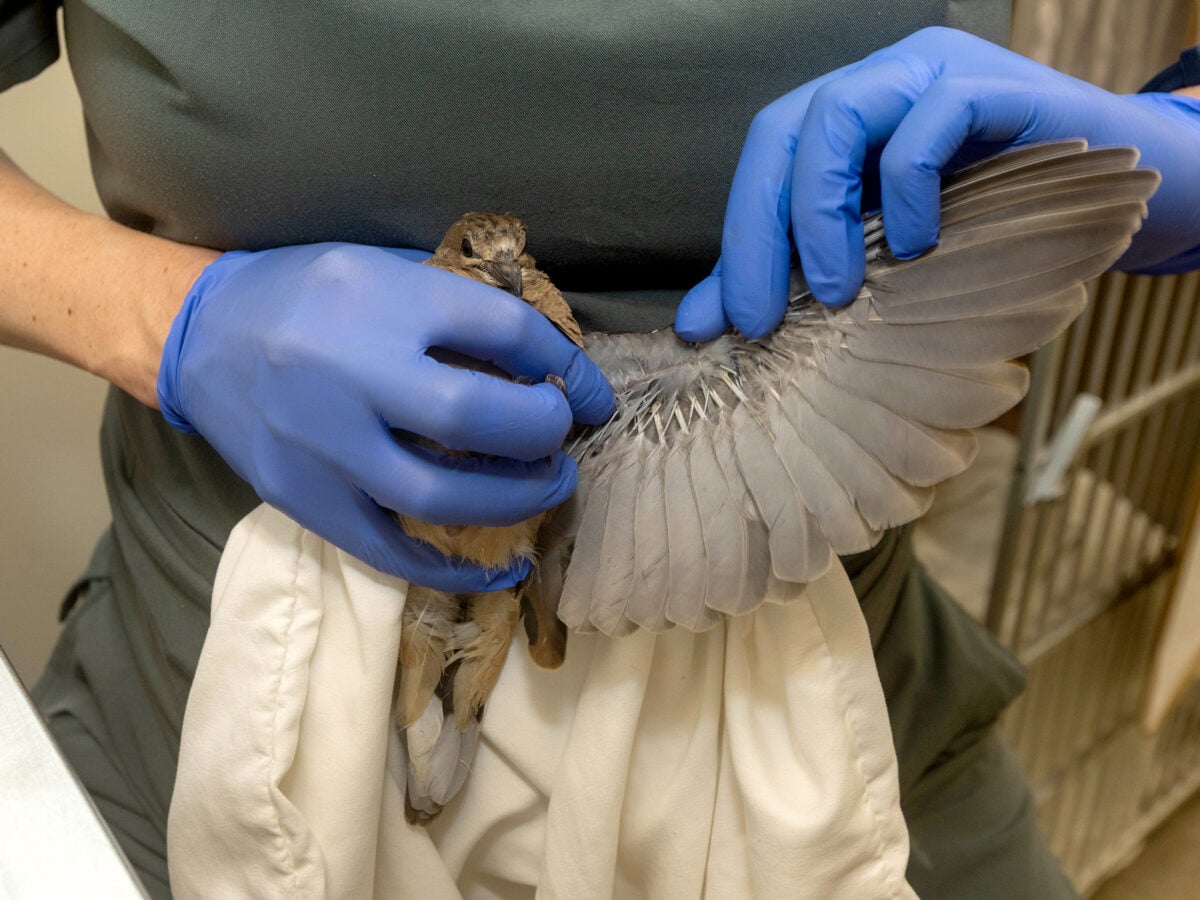
Wrapped in a pillowcase, a mourning dove is given anesthetic gas (Slide 1) before Dr. Sarah applies a leg splint made of Styrofoam and medical tape to stabilize its broken fibula (Slide 2). The splints and braces she crafts train limbs to heal properly. If left to heal on their own, they often contort into lifelong injuries. Dr. Sarah checks the range of motion in a mourning dove’s wing (Slide 3).
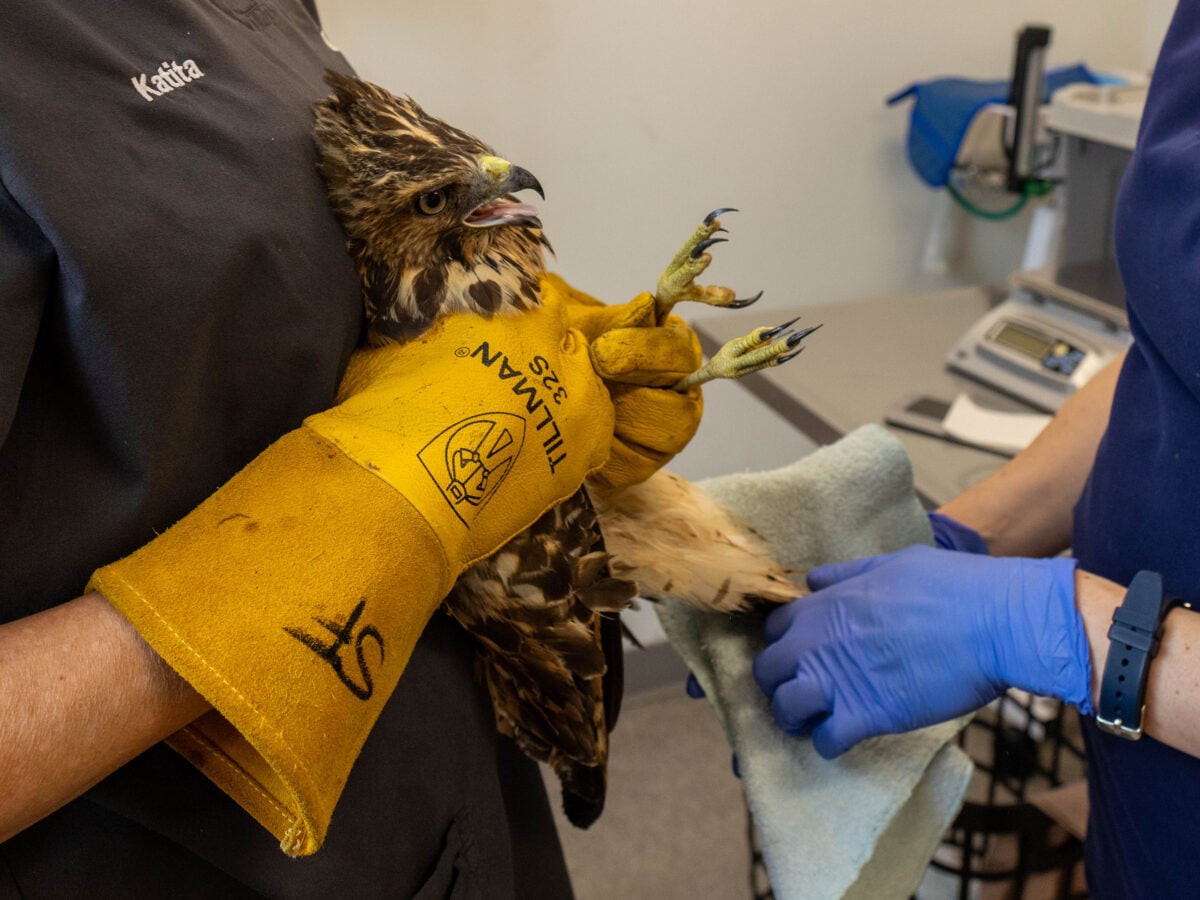
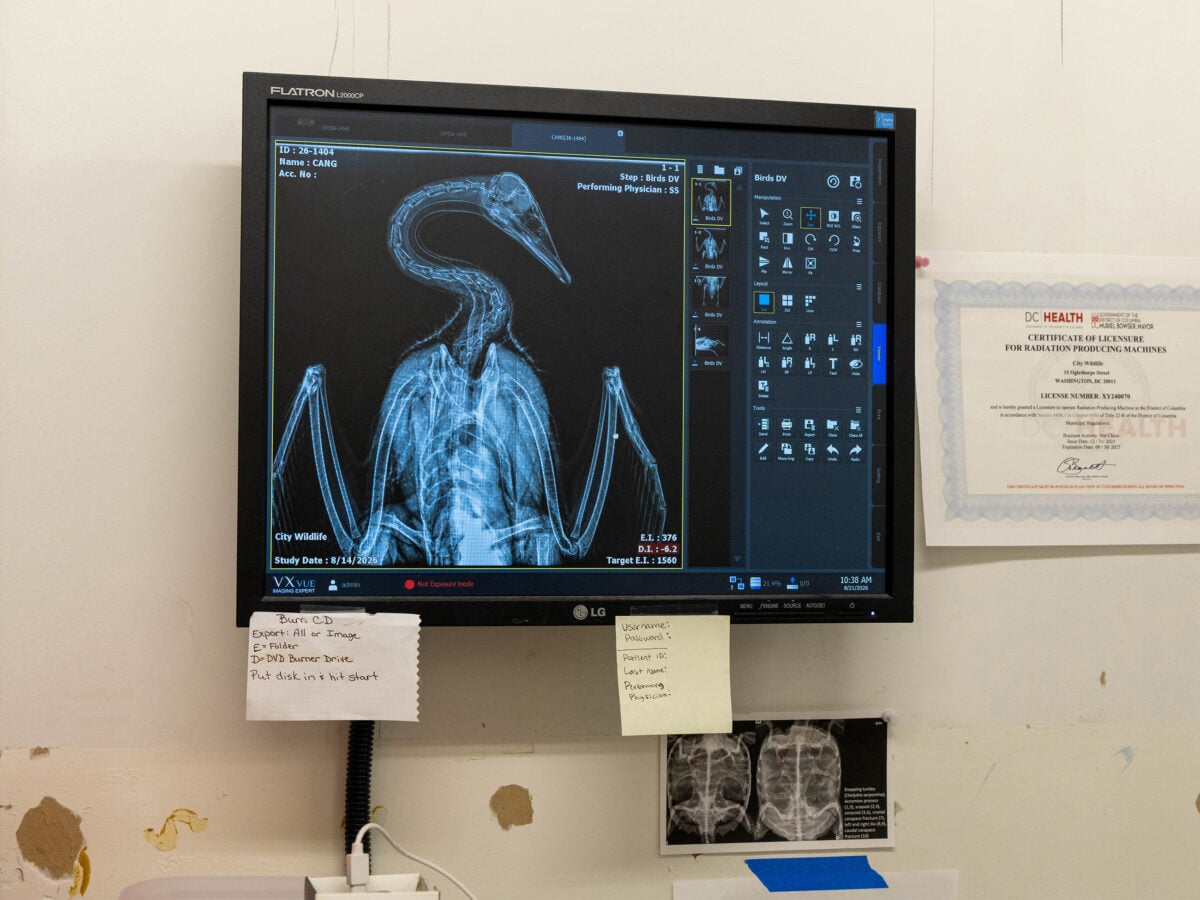
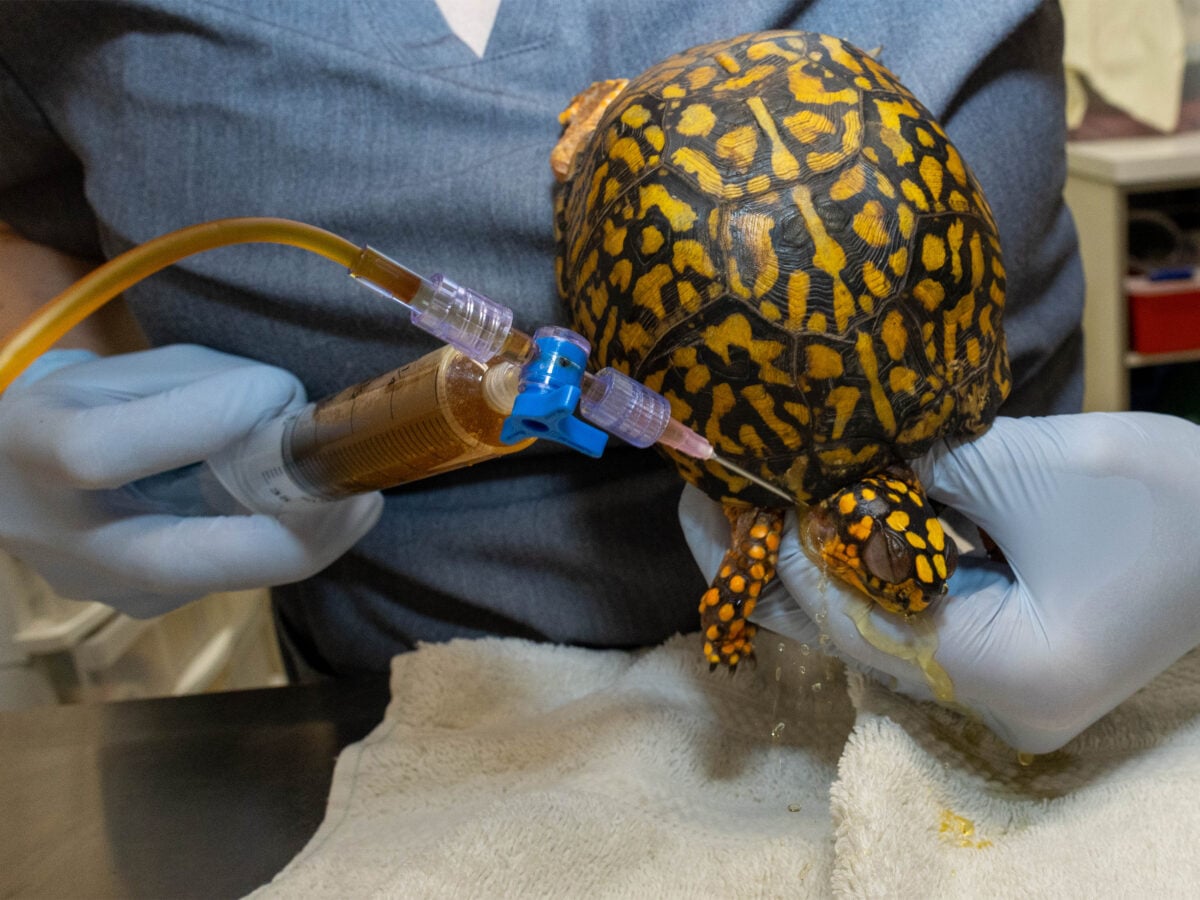
A gloved technician holds a red-tailed hawk’s feet—which can exert three times more grip force than its beak—in place for safety (Slide 4). Animals with internal injuries can be sedated and x-rayed, creating images like a scan of a duck (Slide 5). Dr. Sarah treats a turtle with disinfectant (Slide 6). Fluent in anatomy across several classes of vertebrates, she sees more than 100 species a year at the clinic (Slide 7). “In this job,” she says, “I learn something new almost every single day.”
This article appears in the November 2026 issue of Washingtonian.


