William Shakespeare’s Sonnet 130—the one beginning, “My mistress’ eyes are nothing like the sun”—is one of his best-known and most beloved poems. A satire challenging the way conventional European poetry described women, it has sparked literary debates, class discussions, and, most recently, Folger Shakespeare Library’s new exhibition, “To Hear Her Speak: Black Women and Shakespeare.”
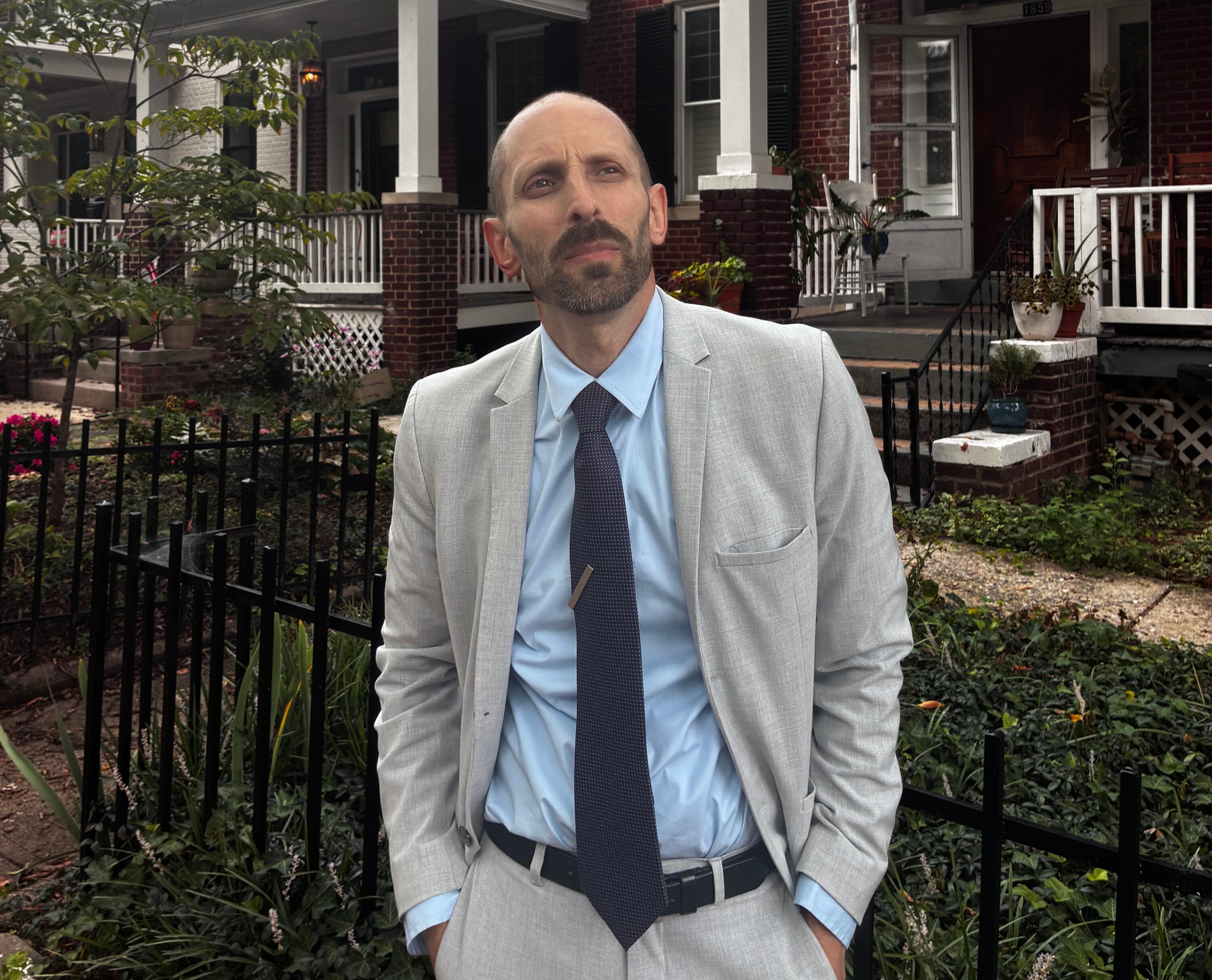
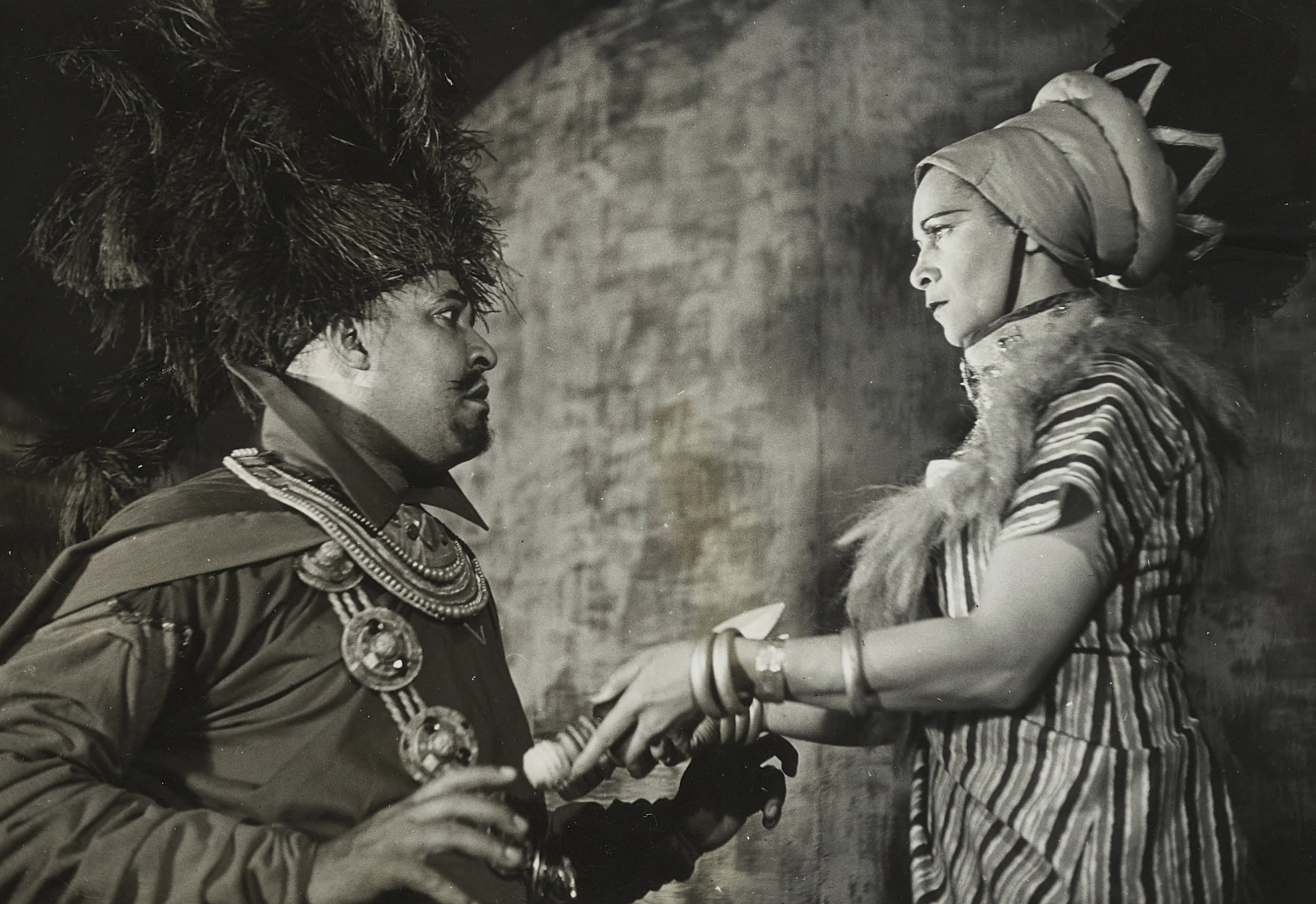
Named after another line from that sonnet, the free exhibit—which opens October 16 and runs until May 2—explores how Black women have engaged with Shakespeare’s work over hundreds of years through literature, performance art, fashion, and activism. Patricia Akhimie, the show’s curator, spent two years developing the library’s most expansive temporary exhibition since its 2024 gallery renovation, with the help of six research fellows and a team of assistants. The result is a collection of nearly 100 objects, including playbills, rare photographs, vintage diaries, a famous Jet magazine cover, and visually striking stage costumes. It’s all organized chronologically across four sections in the Folger’s Stuart and Mimi Rose Rare Book and Manuscript Exhibition Hall. “There’s a longstanding myth that Shakespeare’s London was not a particularly diverse place, that Shakespeare wouldn’t have interacted with Black people,” says Akhimie, who also runs the Folger Institute, the library’s scholarship-and-research wing. “It’s just not true.”
The proof is stitched into each section of “To Hear Her Speak,” starting with a map marking where Black women worked and lived in London during the Bard’s time. Interactive displays and other tools let visitors hear and see the stories of Black women, including an accompanying audio guide featuring Shakespearean actress Adjoa Andoh. In one gallery, a rare display of pioneering African American poet Phillis Wheatley’s handwritten copybook invites viewers into a conversation about slavery, while another room transports them into the future of performance art with celebrity designer Melissa Simon-Hartman’s metallic gold-winged Afrofuturist costume, which was used in a Royal Shakespeare Company production of Much Ado About Nothing.
At one point, visitors can sit inside a recreated New York City living room modeled after the 1950s home of playwright and civil-rights activist Lorraine Hansberry. Here, a television broadcasts archival footage of thought leaders Toni Morrison and Maya Angelou admiring and examining Shakespeare’s legacy.
For Baltimore textile artist Suzanne Coley, “To Hear Her Speak” provides a chance to reach an audience that might not otherwise encounter her work. Coley’s embroidered book bindings offer a notable contemporary component. Black women, she says, “have been speaking, but too often in sotto voce, or hushed voices. This exhibition gives us the opportunity to lift those voices so they can be heard and, in my case, seen.”

Briana A. Thomas is a local journalist, historian, and tour guide who specializes in the research of D.C. history and culture. She is the author of the Black history book, Black Broadway in Washington, D.C., a story that was first published in Washingtonian in 2016.