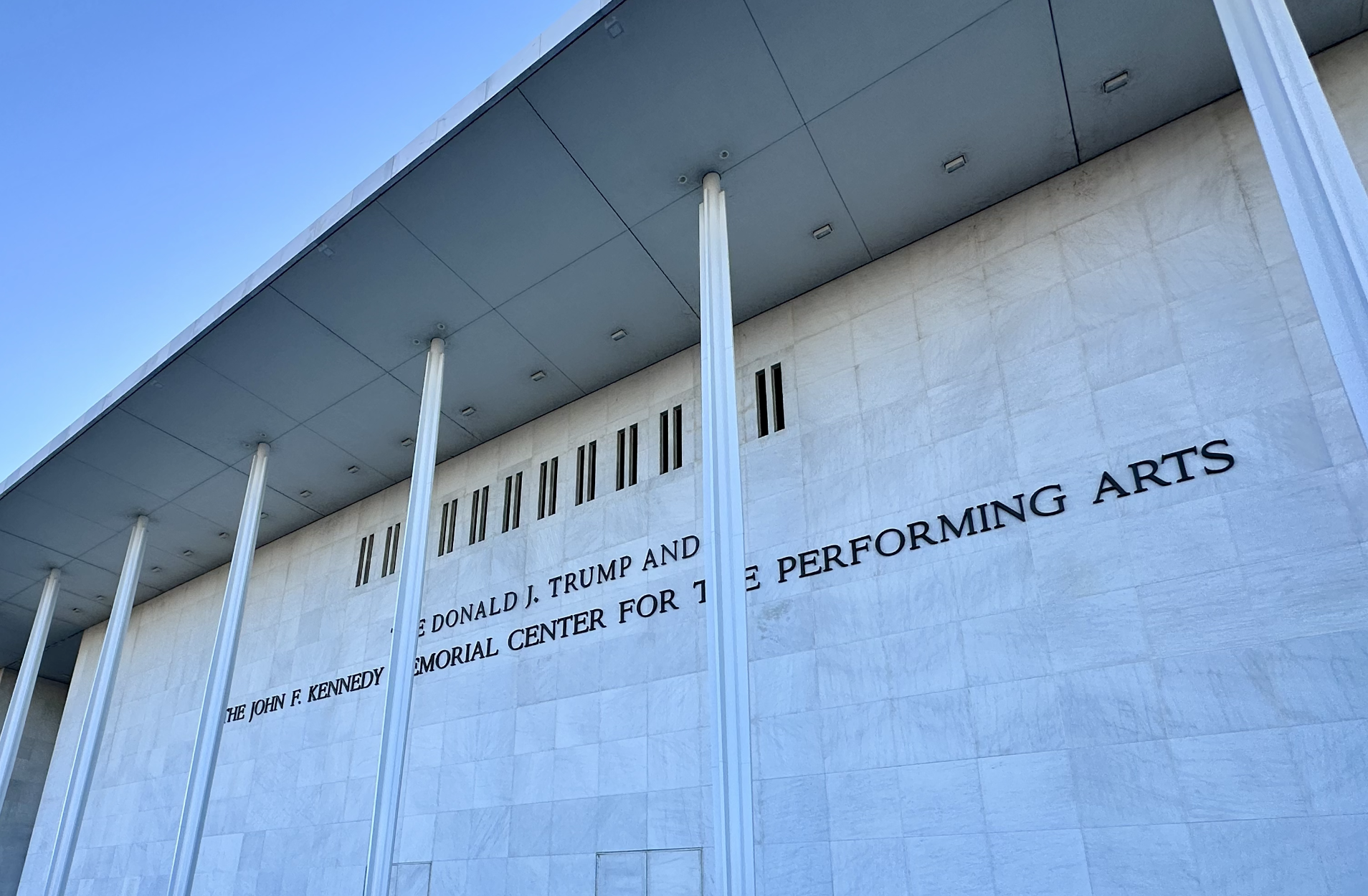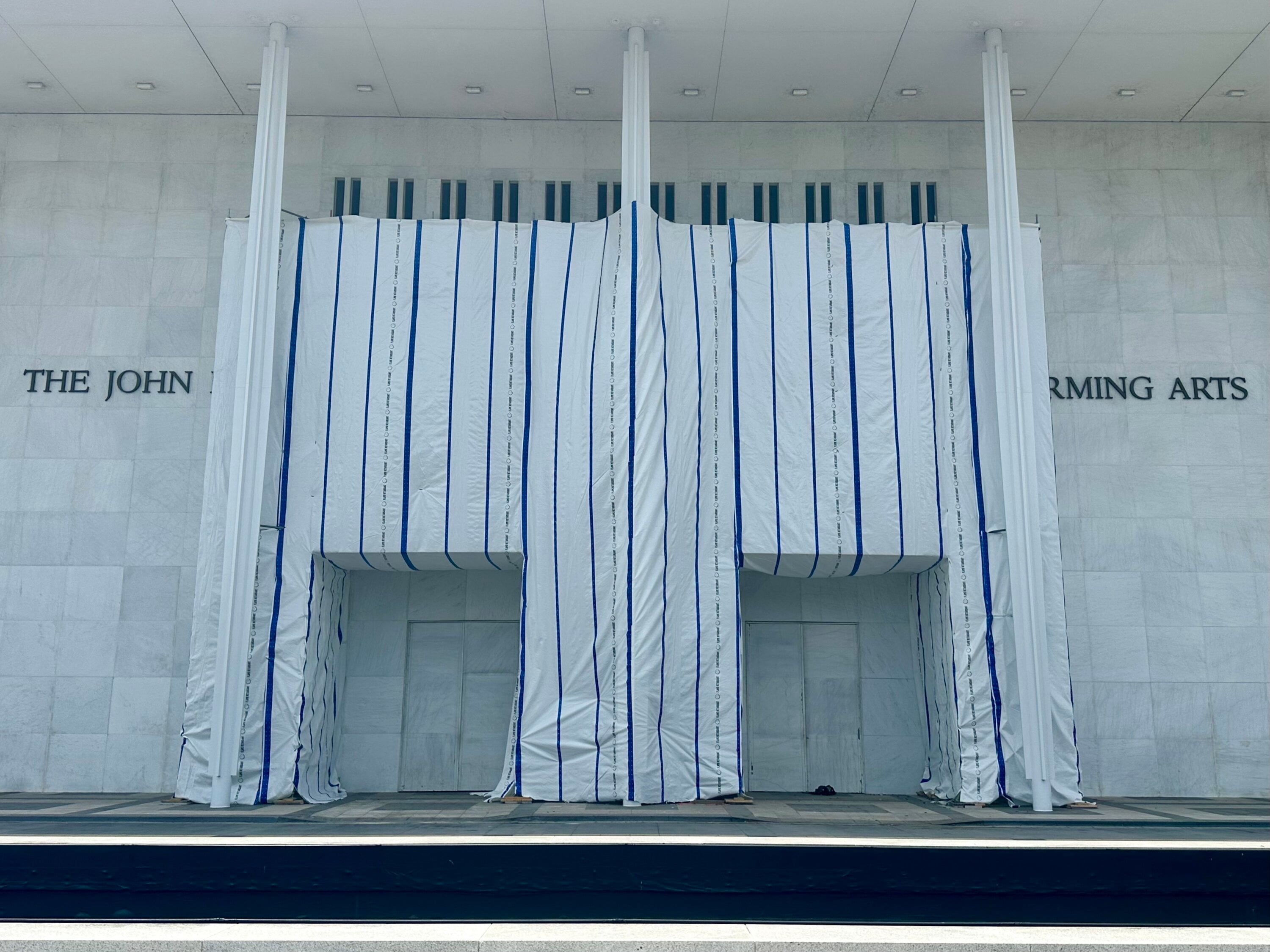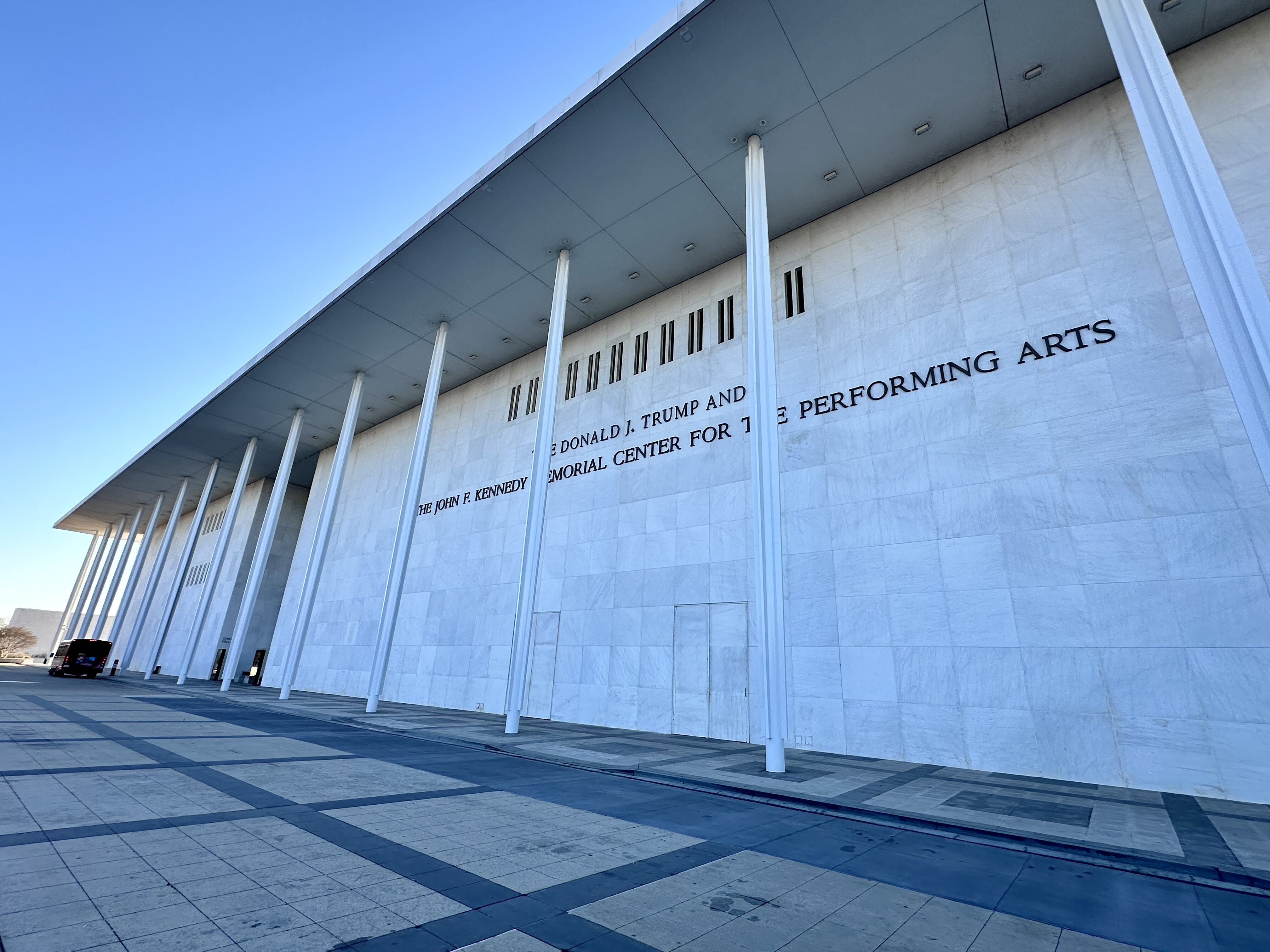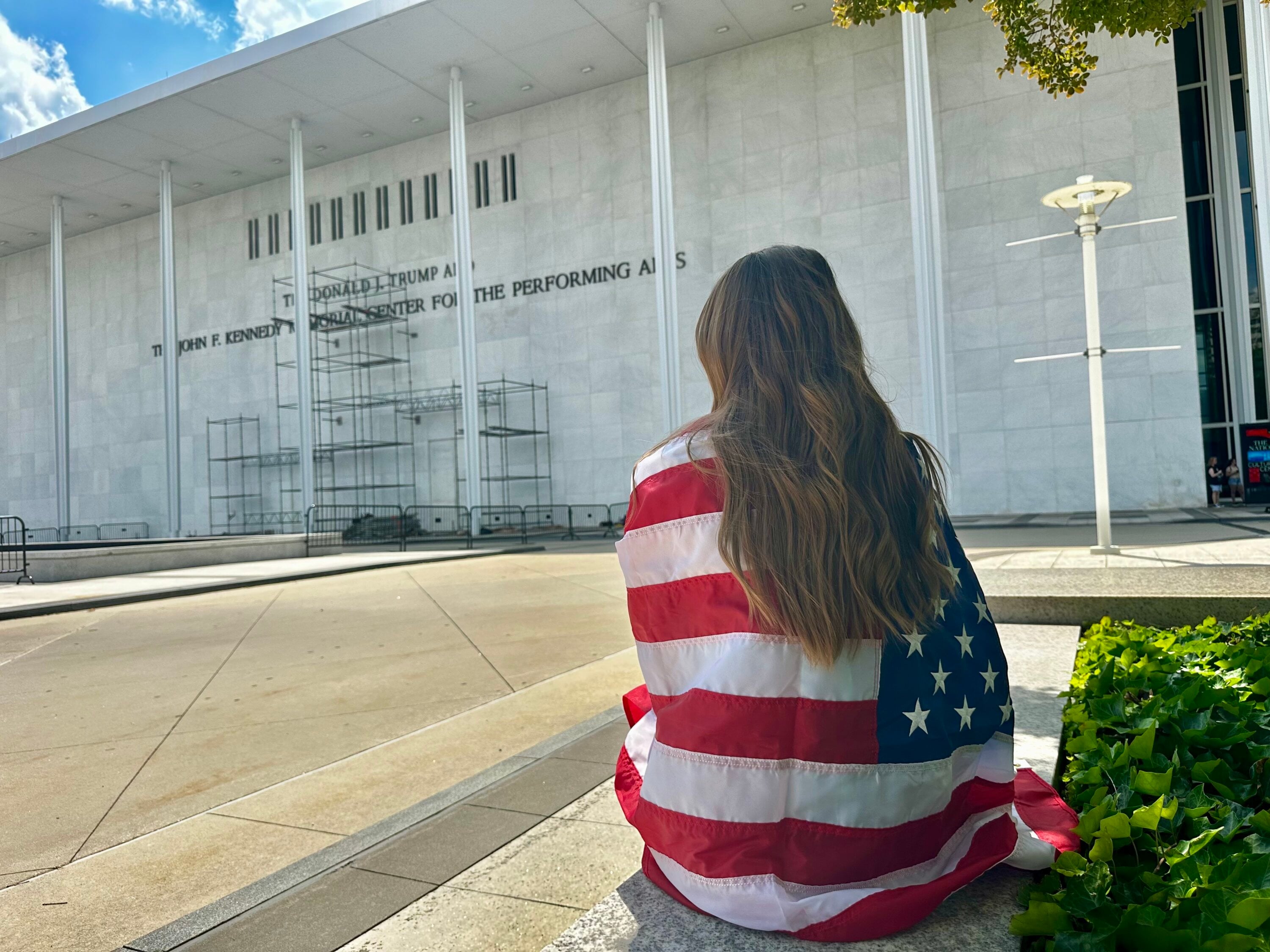
In ordinary times, the National Symphony Orchestra announces its upcoming season in March, a full six months before the season begins in September. On that schedule, there’s time to promote performances and woo donors, and concertgoers can block off dates before their fall calendars are full. But this year, the Kennedy Center only just announced the new NSO season on August 18, mere weeks before its opening concert on September 26. It’s an extremely unusual delay, and the timing is likely to be tough on the orchestra. According to arts administrators, the late announcement may depress ticket sales, create confusion for patrons, and demoralize musicians, among other effects.
The NSO’s new season has the potential to be popular. It includes beloved works by Tchaikovsky, Ravel, Beethoven, and Rimsky-Korsakov; a program commemorating the NSO’s legendary former music director Mstislav Rostropovich; plus major new commissions and a five-state tour. Nonetheless, the NSO’s normal processes, says former Kennedy Center president Michael Kaiser, “don’t seem to be functioning with any kind of sensible direction right now.” And the fault appears to lie not with the orchestra itself, but with its parent organization, the Kennedy Center. Reportedly, the NSO’s new season has been planned and ready to announce for months—but the delay occurred because the orchestra has struggled to secure budget approval from the Kennedy Center’s board, a process that’s typically routine.
Last week, the Washington Post reported that Trump’s takeover of the Kennedy Center has sent the NSO’s revenue “into a two-year free fall” that has led the orchestra “into the deepest financial crisis in its recent history.” The delayed season announcement is likely to compound these problems. “Frankly, I think [the Kennedy Center’s board] is not in tune with the day-to-day needs of how you run a cultural center,” Kaiser says. He believes that the board—and its chairman, Donald Trump—didn’t understand that a delayed announcement might scramble the NSO’s typical pre-season preparations and that it would therefore put the orchestra “in jeopardy.”
Effect on Ticket Sales
The delayed announcement of the NSO’s new season, says Andrew Taylor, director of the arts management program at American University, puts the orchestra “in a serious headwind for good ticket sales.” He adds that obviously the announcement is “better late than never,” but promoting the season “gets harder and harder the longer you wait.”
There are a few reasons for that. For one, Kaiser says, “Every other arts organization in Washington has been selling single tickets and subscriptions since early this year, so a lot of people have committed their entertainment dollars for the fall and beyond.” Kaiser adds that election years tend to be an additional drag on sales, “because the focus of the country is so much on the political environment.” He thinks that announcing the season in mid-August, just as the midterm frenzy is heating up, is bound to make sales “more challenging.”
In addition, the usual six month period between the season’s announcement and its opening concert is important to the orchestra’s staff because it allows time to build enthusiasm with the public. Early sales numbers, Taylor says, signal to the marketing team “whether this season has the traction of past seasons, and whether some shows are stronger than expected and others are weaker.” With that knowledge, the orchestra can allocate resources towards promoting weaker shows.
Now the orchestra’s staff does not have its typical six months to promote the season, but a mere five-and-a-half weeks—and they’ll be selling tickets to audiences preoccupied with politics who may have already committed to performances elsewhere. That’s bad news for an organization whose ticket revenue has lately been decimated by Kennedy Center boycotts. Ticket sales for the previous season, the Post reported, are projected to only cover “about half of what the orchestra budgeted.”
Venue Confusion
The new NSO season will not be held at the Kennedy Center—the orchestra’s home of 55 years, which is expected to close for a two-year renovation—but at a variety of other venues around the region, including Strathmore, Lisner Auditorium, Schlesinger Hall, and the Center for the Arts at George Mason University. There’s potential upside to this multi-venue model, Taylor says: “You’re in other people’s neighborhoods, and maybe people take an interest because you’re somewhere closer to them.” And, of course, the venues might draw wayward NSO fans who have been boycotting the Kennedy Center.
But Taylor cautions that pulling off a multi-venue season amid this kind of disruption “requires a different kind of planning and engagement.” Audiences “aren’t sure if the Kennedy Center is open, or where the orchestra is going to be performing, or whether the concerts will be the same quality as what they’ve come to know—so on top of the late announcement, that just adds uncertainty and confusion, setting them up for a difficult preseason subscription process.”
Kaiser agrees that the multi-venue model may be tough. “Our patrons got used to a certain pattern of driving, parking, food service, et cetera” at the Kennedy Center. If they needed to exchange a ticket, they knew how to do that. They knew where they liked to sit in the hall. “But every time you change the venue, you make it a little harder for them to show up.”
To overcome that friction, Kaiser believes that the orchestra will have to make a strong case for the new season, explaining why patrons should accept the hassle of changing venues. That’s not impossible; the Washington National Opera, since leaving the Kennedy Center last winter, has used a similar multi-venue model. But the NSO and Kennedy Center are currently woefully understaffed and have not communicated well about the delay in announcing the season. (“I’m imagining they’re either not allowed to transparently communicate with loyal ticket buyers, or that they are self-editing because the Kennedy Center itself is such a tinderbox right now,” Taylor says.)
Whatever its constraints, the orchestra now has five weeks to quell audience confusion and build enthusiasm for the season. But “there’s just a lot of open questions,” Taylor says, “and people don’t make significant commitments of money and time when they are confused.”
Donor Drift
The NSO operates at a loss. It’s an expensive and complex institution, and its concerts do not break even. Instead, the orchestra sells as many tickets as it can and then raises money to fill the gap. But with ticket sales depressed, there’s increased pressure on philanthropy to keep the orchestra afloat, and donors have fled since the Trump takeover. The Post reports that donations to the NSO “fell 25 percent short of expectations last year.”
“I believe that there are a lot of donors who want the NSO to survive and thrive,” Kaiser says, “but they have to know what they’re supporting, and it’s been very hard to write a check when the musicians aren’t under contract and no season [was] announced.” Now, the season has been announced—but donors may still not return.
In a typical year, Taylor explains, the March season announcement is an opportunity for “reinforcing and building donors” by getting them excited about the valuable work that the orchestra does. When ticket sales open, the development team gauges donor enthusiasm by looking at who’s returned as a subscriber. If the orchestra’s primary donors aren’t buying tickets, then the team has six months to woo them back. But the late announcement means that fundraising staff spent all summer without knowing the status of its donors. “Without that signal, you just don’t know where to aim your energy,” Taylor says.
Furthermore, shoring up donor relations will fall to a development team that’s been slashed. The Post reports that the Kennedy Center’s fundraising operation—which also fundraises for the NSO—was cut from 94 employees to 16 after Trump took over. Given the shortened timeframe and diminished staff, Taylor and Kaiser do not expect fundraising to be robust. “Arts organizations never operate with a very big margin,” Kaiser says, “so if you lose a substantial portion of your revenue stream, it’s going to put you in a very, very difficult position.”
The Future of the NSO
If the new season sells poorly—through no fault of the orchestra’s own—there are lots of different concerns. One is that the NSO may lose esteem among its patrons. People don’t like showing up to a half-empty concert hall, Taylor says. Regardless of the quality of the performance, empty seats can make concertgoers feel like they made a bad choice. The NSO is a top-tier orchestra that is, by most accounts, playing better than it has in decades—but still, Taylor worries that if audiences don’t come, the NSO “becomes not the place to go anymore.”
“What I would really be concerned about,” Kaiser says, “is if this season doesn’t go well, what will happen with the next season?” He fears that lackluster sales and donations might lead the Kennedy Center to “cut back on the amount of performing or the size of the [NSO’s] budget for next year.” Worse, it could even cancel the NSO outright due to perceived lack of enthusiasm. Taylor has similar concerns. If revenue continues to plummet, the orchestra may have “less fuel going into the next season, or maybe a deficit that the Kennedy Center will have to resolve.”
And of course, the health of the NSO depends in part on the health of the Kennedy Center, which seems to be in serious trouble. “It’s easy to think of the Kennedy Center as a building,” Taylor says, “but really, what makes a performing arts center thrive is a global network of trusted relationships with artists, agents, audiences, and donors. When you lose those relationships, it devastates the ability of the enterprise to do its mission, and it’s going to take a long time to build back.”
As Kaiser puts it, “When the whole infrastructure’s gone—when all the expertise is gone—you can’t just push a button and start it up again. It’s going to take real planning to get the place back up on its feet.” And in fact, Kaiser says he’s currently drafting such a plan: a roadmap for how to “rebuild and restart” the Kennedy Center whenever its post-Trump leadership takes over. He stresses that he has “no standing to draft this plan,” and that he’s not waiting in the wings to return to the Kennedy Center. (“I am sure there are people who are better situated [than me] to run the Kennedy Center. I would certainly lend my support to anyone who was going to be in that position.”) He declined to discuss the details of the plan, but he hopes that “whenever the center is allowed to return to normal,” he can help get it running again.
In the meantime, Kaiser says, “my biggest concern is for the musicians of the NSO,” who are stuck in a terrible situation. “They are world class musicians, and one hopes they will have an easier time going forward.” The Kennedy Center, he adds, “was a very important part of the arts ecology of the region, but also of the nation. And as someone who’s spent his life trying to make art accessible to everyone, it’s extremely sad to see a major arts player being essentially silenced.”