1. Upgrade window treatments—and use them wisely.
“Window treatments, like lined drapery panels, Roman shades, or solar shades, can make a huge difference by filtering strong sunlight during the hottest parts of the day,” says Tracy Morris of Tracy Morris Design.
Standard curtains do little to block the heat, according to Michael Winn of Winn Design + Build, especially for west- and southwest-facing windows, which he says are responsible for the biggest heat gains. For these, Winn recommends cellular “honeycomb” shades, which trap a layer of air against the glass and insulate rather than just block light. “Close them by lunchtime, open them after sundown.”
Johanna Howe of Howe Interiors suggests automating the shades: “I had a client where the back of their house faced west and the second floor was wall-to-wall windows. The back rooms—which included the office, kitchen, and dining room—became about 10 to 15 degrees warmer in the afternoon and evening than the rest of the house from April to October. I installed electric shades—inset into a box painted the color of the window trim to hide it—programmed to close from 3 to 8 pm. This made a world of difference in both their use of the rooms and in their electric bill.” An added benefit: Closing shades during the day cuts down on the fading of rugs, upholstery, and art.
2. Check for leaks.
“Take a few minutes to inspect your doors and windows for any gaps or small air leaks,” says Deborah Sauri of TriVistaUSA Design + Build. “Adding weather-stripping or sealing openings can help prevent hot air from seeping inside and make your home more energy-efficient.”
3. Use ceiling fans—efficiently.
Ceiling fans can make a big impact, as long as they’re spinning in the right direction. “Make sure the fan spins counterclockwise in the warm months on a medium or high setting—this pushes air down and creates a breeze,” says Howe. (In the winter, switch to clockwise on a low speed to push warm air down without creating a breeze.) There’s usually an inconspicuous switch near the motor. Another thing to remember, says Winn: Ceiling fans cool people, not rooms. “Fans work by moving air across your skin, not by cooling the room itself. If you leave the room, turn the fan off. Running them in empty rooms just adds heat from the motor.”
4. Rearrange the furniture.
“Simple layout adjustments, like moving upholstered furniture away from direct sunlight or heat-producing windows, can make a noticeable difference in how comfortable a space feels,” Morris says.
5. Take advantage of cool breezes.
In the season’s shoulder months of June and September, you can flush heat out of the house if you time it right. Says Winn: “Open windows on opposite sides of the house early in the morning and again after sunset, get a cross-breeze going for an hour, then close everything up.”
6. Go for a cozy, low-light ambience.
“Keep lighting minimal in the evenings,” Morris advises, “because heat-producing bulbs can subtly raise the temperature inside the home.”
7. Close unused rooms.
“If there are rooms that you’re not using regularly,” Sauri says, “keep the doors closed so airflow stays concentrated in the spaces you’re actually spending time in.”
9. Swap out linens.
Breathable natural fibers on beds, like linen or cotton—especially percale—go a long way in helping regulate body temperature, says Howe, by wicking away moisture as you sleep and feeling cooler to the touch. Morris, who suggests that clients switch out their bedding seasonally for a summer-friendly setup, also likes bamboo. Shannon Claire Smith of Shannon Claire Interiors notes that the same decisions can be made for upholstered furniture: Couches and chairs made with linen, glazed cotton, and other glazed fabrics generally stay cool to the touch—and if you’re not in the market for new furniture, linen and cotton throw pillows can break up warmer heavy textures.
10. Shade outdoor spaces.
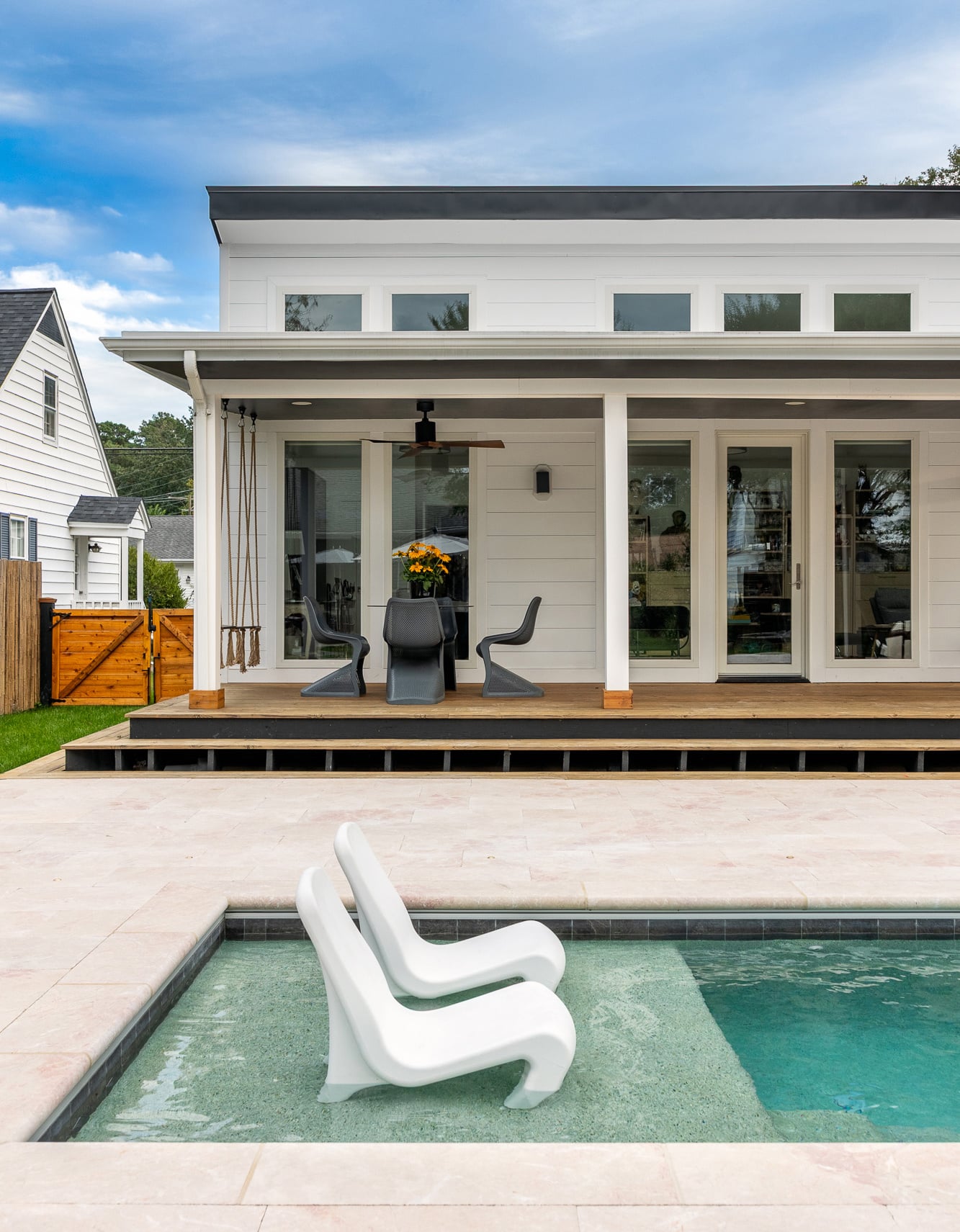
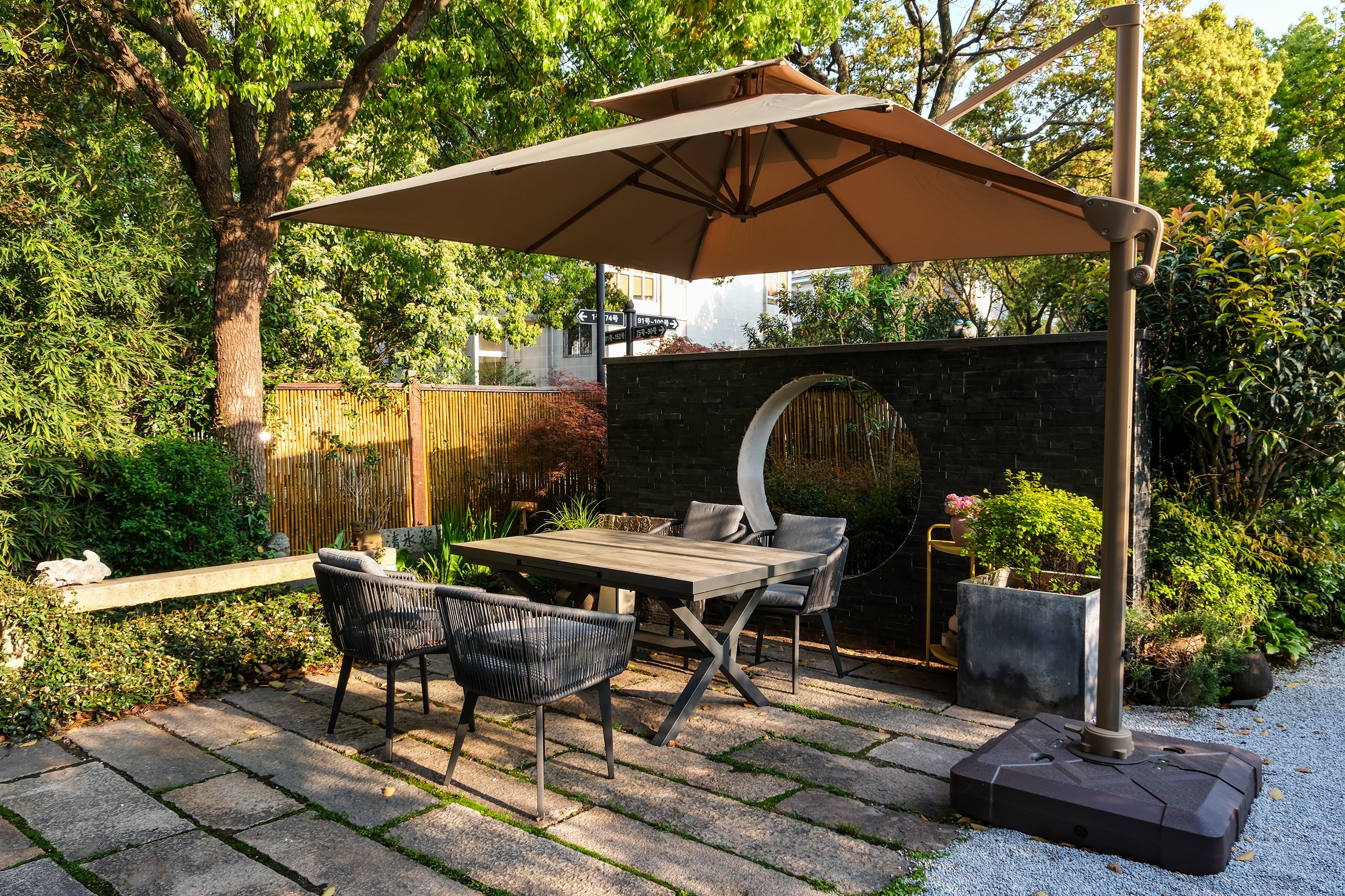
By blocking sunlight from hitting patios and decks—with awnings, sail canopies, and other shades—you not only can keep outdoor areas cool, Sauri points out, but can stop the heat before it reaches your wall. Bonus: Enclosing a space with motorized screens or outdoor curtains can help keep out bugs.
This article appears in the July 2026 issue of Washingtonian.

Amy leads Washingtonian Weddings and writes Style Setters for Washingtonian. Prior to joining Washingtonian in March 2016, she was the editor of Capitol File magazine in DC and before that, editor of What’s Up? Weddings in Annapolis.