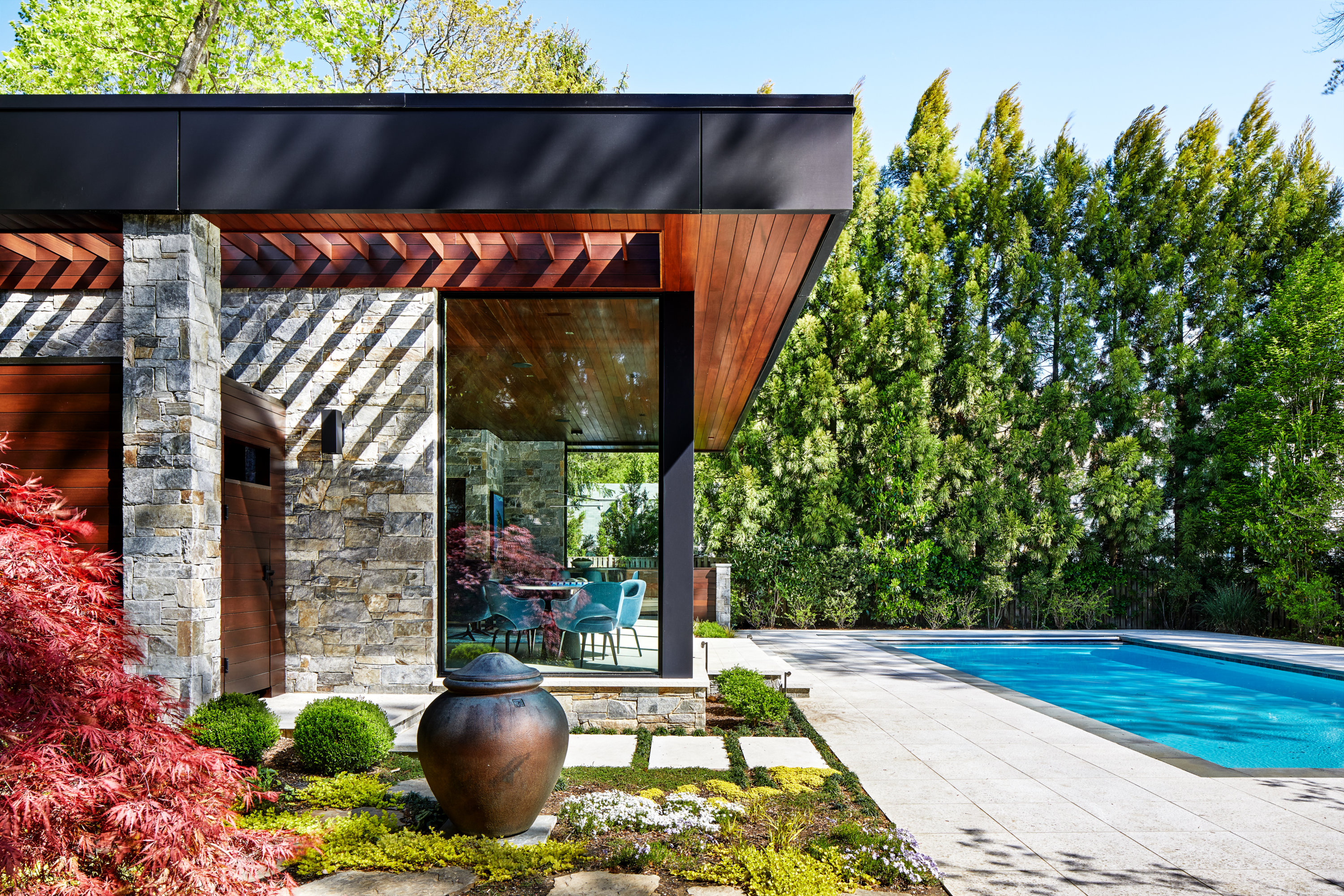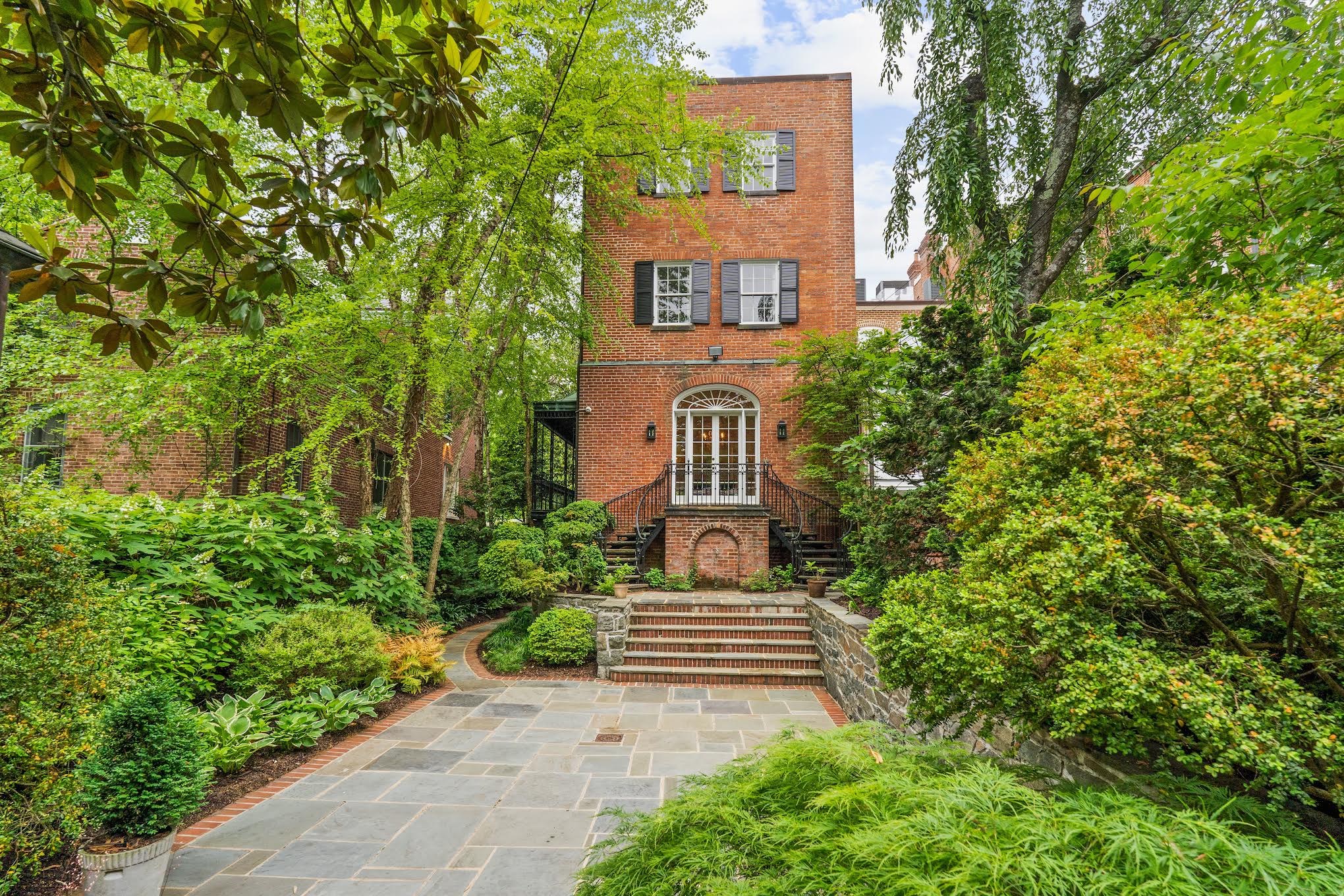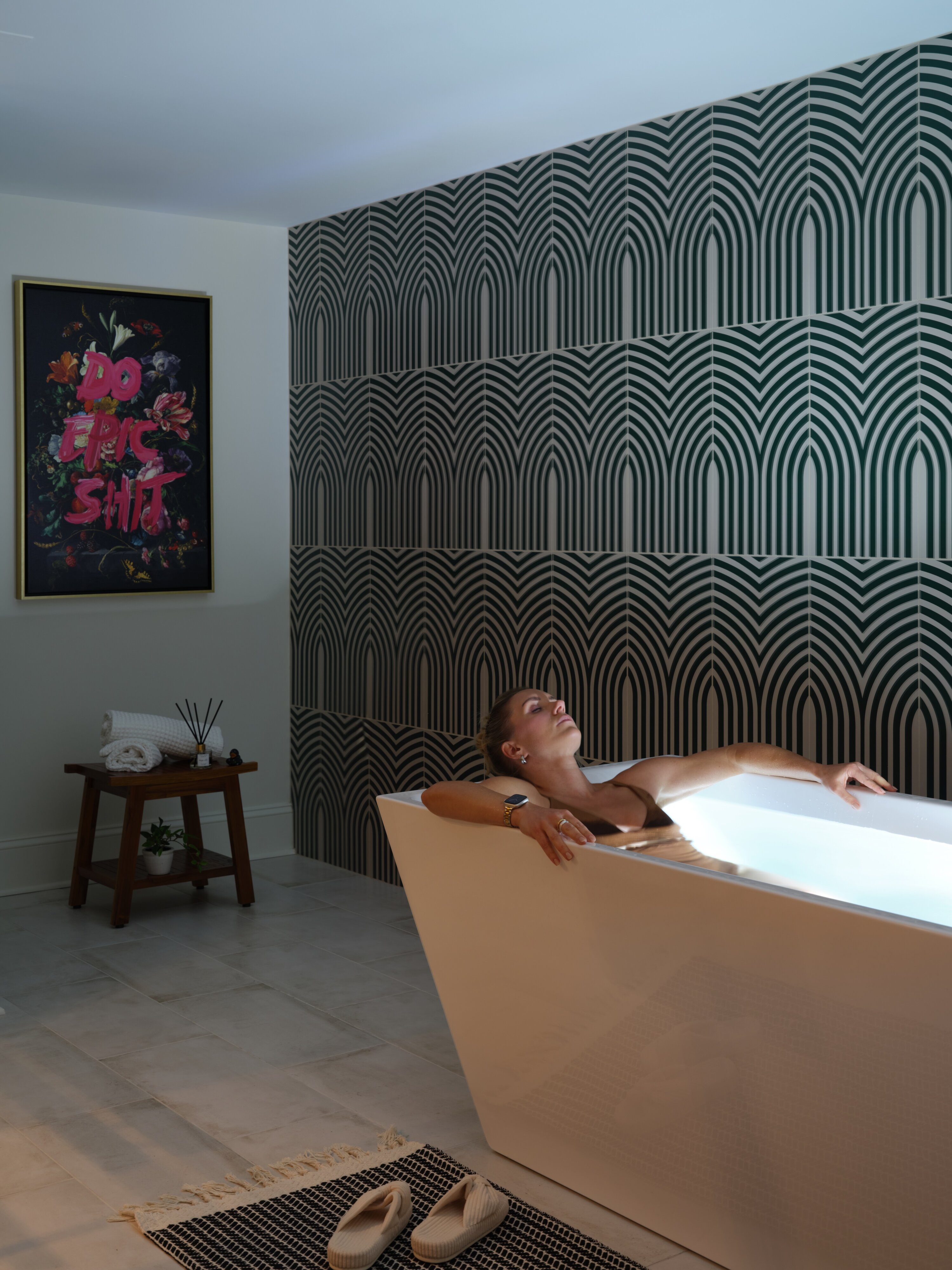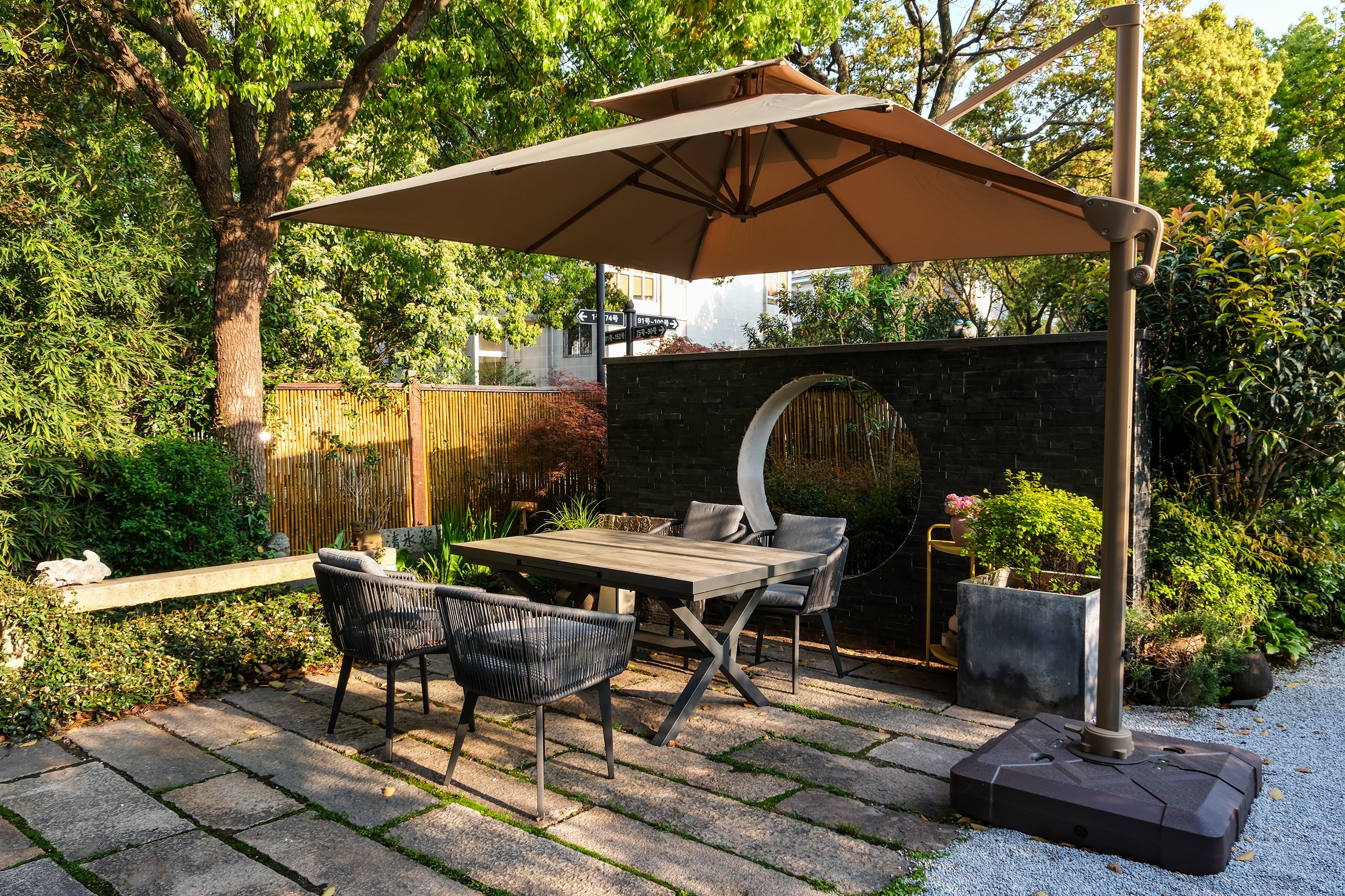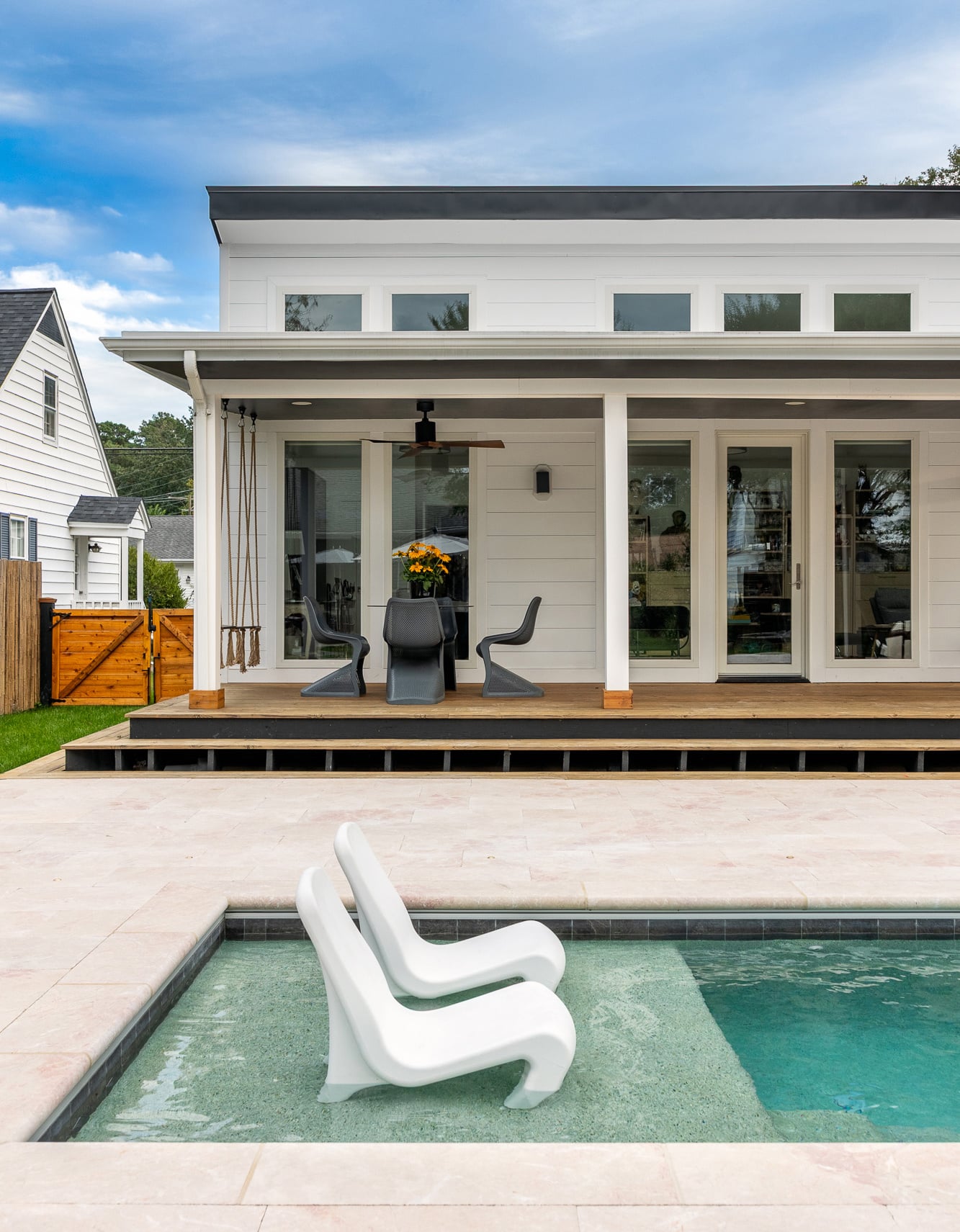
Interest in residential water features is growing, and with it, options are expanding. Popping up at homes across the region are koi ponds, plunge pools, and fountains, plus water walls, upgraded birdbaths, reflecting pools, and natural-looking streams.
You don’t need a lot of space.
There are grand versions of everything, but Ed Ball of Ed Ball Designs says more people are preferring restraint: “There’s an increasing demand for smaller-scale water environments. A compact plunge pool adjacent to a lounge terrace can create just as much impact as a much larger installation. We regularly integrate water features into urban courtyards, townhome gardens, side yards, and smaller suburban backyards.”
Even a small water feature can cool you off.
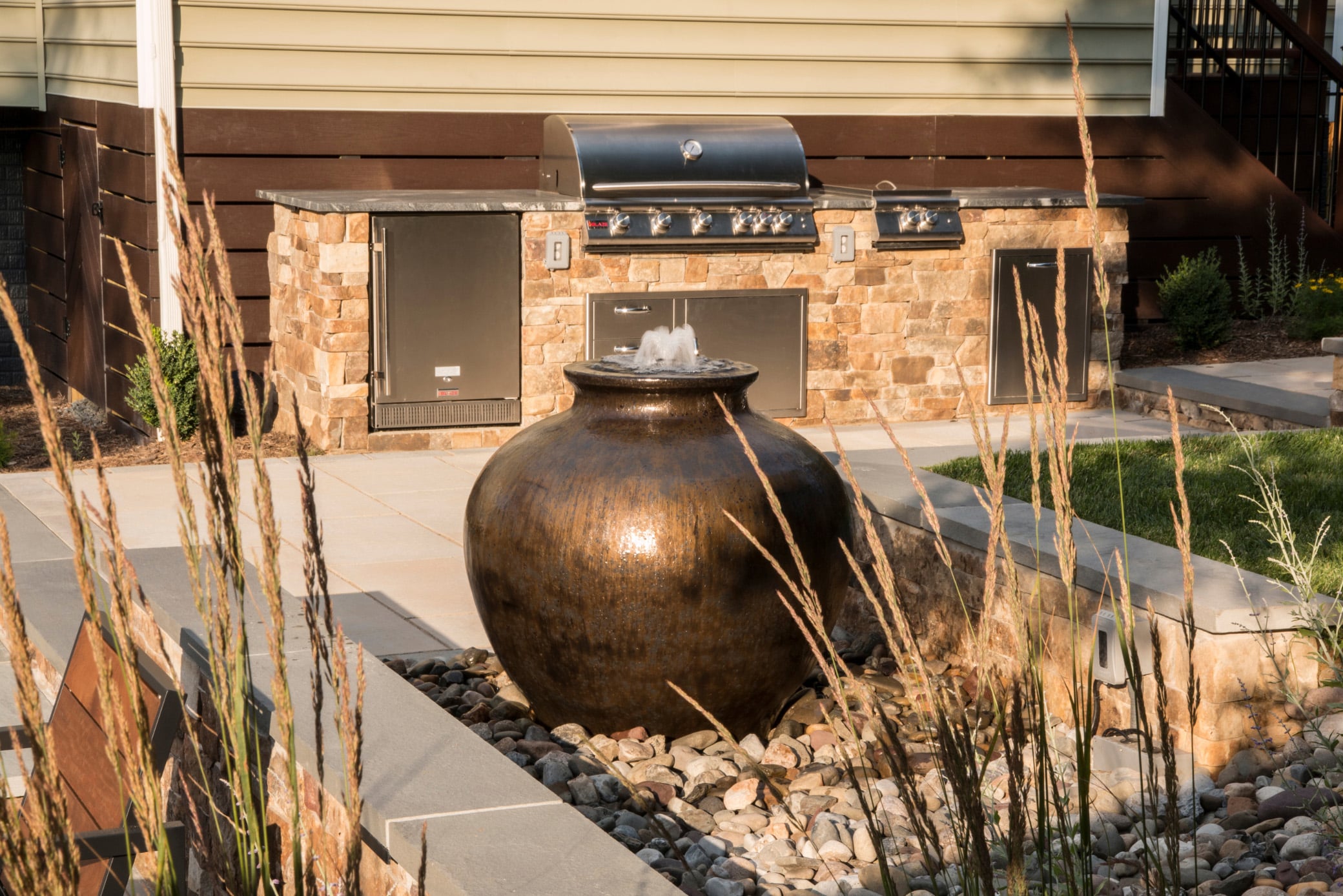
As air passes over water, it’s cooled through evaporation, which absorbs heat, explains Ryan Moody of Moody Graham: “This was the organizing principle of Persian, Islamic, and Roman courtyard gardens.” How big the effect is depends on the water’s surface area. “In practice,” he says, “you need to be within roughly five times the feature’s largest dimension to feel it, so a five-by-five-foot reflecting pool conditions the air up to about 25 feet away.”
Also, moving water cools more efficiently than still water because it constantly exposes new surface area to the air. In a dry climate, Moody explains, the temperature drop can be dramatic. During a humid DC August, the result is subtler but still noticeable—especially when paired with shade. And while water alone might not dramatically lower the temperature of an entire backyard, Ball says even relatively compact features strategically positioned near seating or entertaining areas can improve the comfort level. Plus, he adds, water has a psychological cooling effect.
There are other psychological benefits, too.
“The soft sound of water trickling or flowing is incredibly relaxing,” says Jim Rill of Rill Architects. It can also act as white noise, blocking out the hum of nearby roads and properties, “creating a more private and relaxing outdoor environment,” says Ball.
Visually, water features can give your brain a break, thanks to something called soft fascination. “The non-rhythmic play of sunlight on moving water occupies our attention without demanding it,” Moody says. “This kind of involuntary attention is restorative, and it’s one of the reasons people gravitate toward water without quite knowing why.” These “small moments of awe,” as he calls them, are something most people aren’t getting enough of from day to day.
You’ll spend more time outside—and may see more wildlife.
Water features can change the way people use the area where they’re installed.
“They naturally draw people outdoors and encourage longer use of the space,” says Ball. “Whether it’s a plunge pool for cooling off, a fountain beside a seating area, or a shallow basin that creates ambience in the evening, these elements contribute to how the space is experienced.”
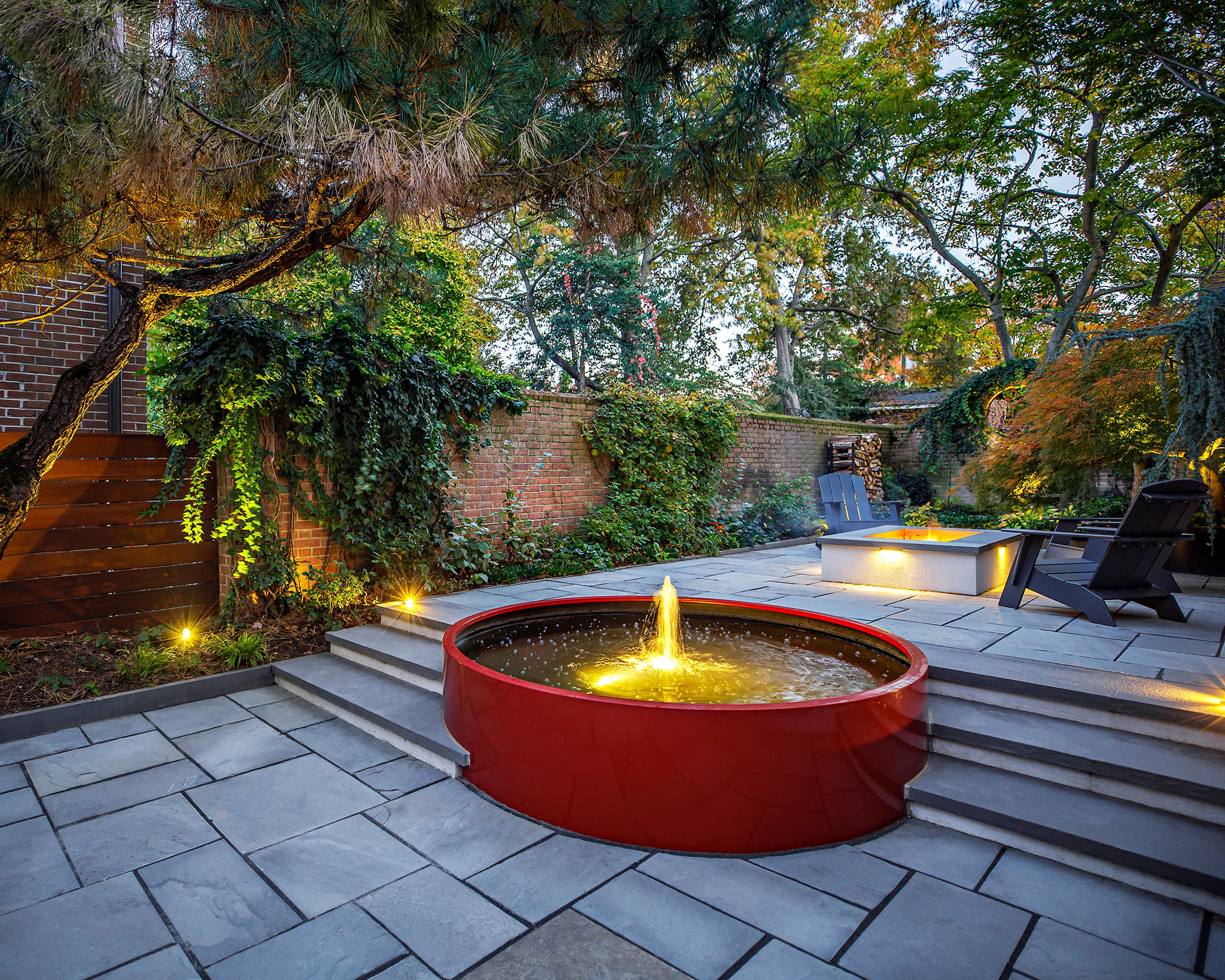
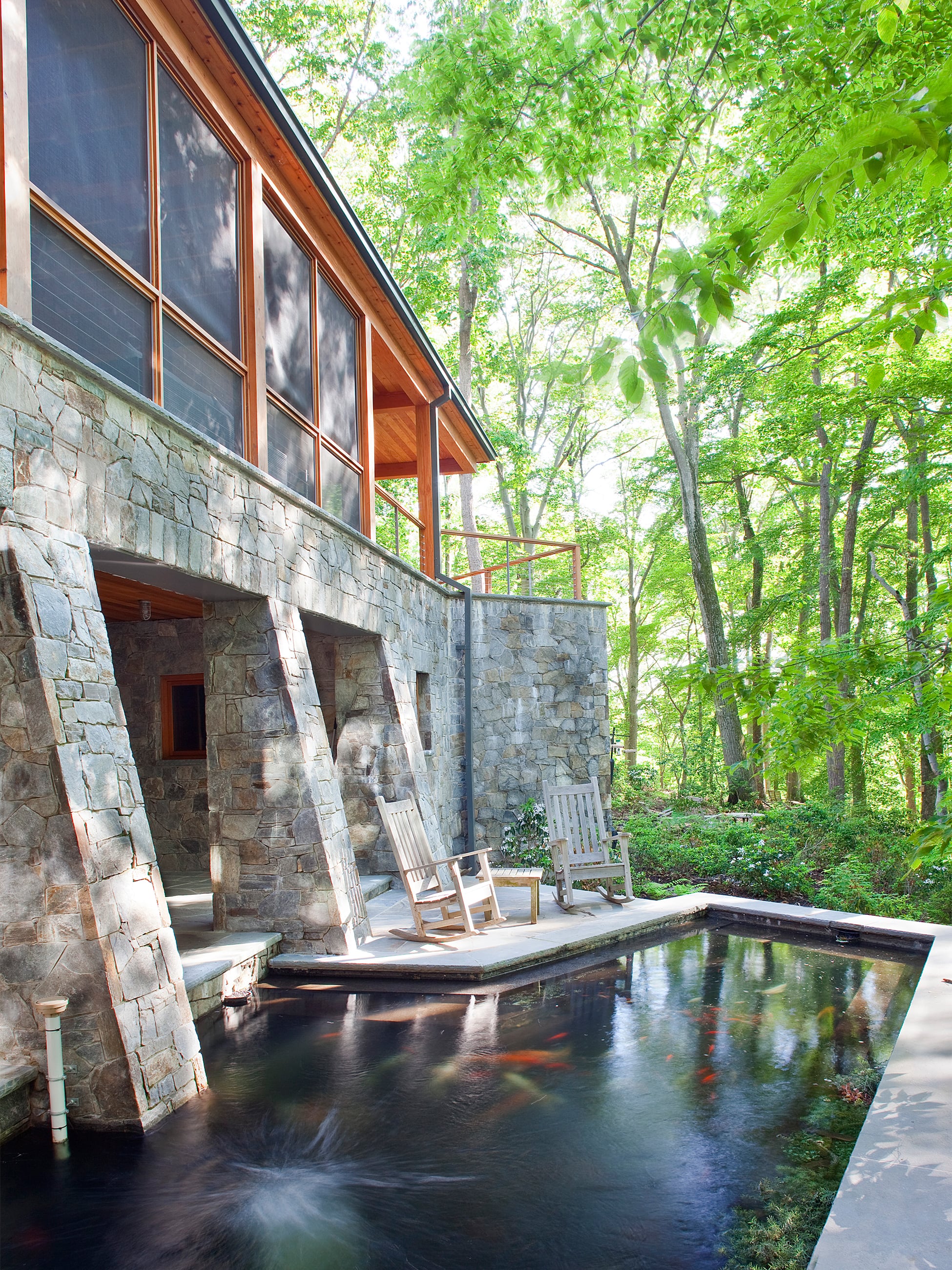
Plus, they’re great for the local habitat. “Even small features provide water for birds and support frogs, dragonflies, native bees, and other pollinators,” says Moody.
In our area, mosquitoes are a concern, so moving water—which prevents egg-laying—is recommended. But if you’ve fallen in love with a still-water installation, Moody suggests mosquito dunks—a bacterial treatment harmless to other wildlife—as an easy solution.
You could install a fountain or basin in a few hours.
Entertaining this weekend? Off-the-shelf systems, which typically include a below-grade basin, a pump, and a boulder, vase, or carved stone that the water spills from, are widely available—Moody likes the ones from Blue Thumb and Stone Forest online. They start at about $1,000 and can be set up by the homeowner in a few hours.
On the other end of the spectrum, larger projects that are part of landscape renovations can take months, says Peter Miles of the Drawing Board, depending on permits.
They all require some maintenance.
“Typical maintenance includes monitoring water levels, cleaning filters and pumps, removing debris, managing water chemistry where required, and seasonal winterization,” says Ball. The simpler the feature, the less ongoing attention it needs. Thanks to new technology, automated systems now allow homeowners to control pumps, lighting, heating, and water effects through app-based platforms. But, Rill warns, you can’t simply let them sit.
The aesthetic possibilities are endless—but think lifestyle, not trends.
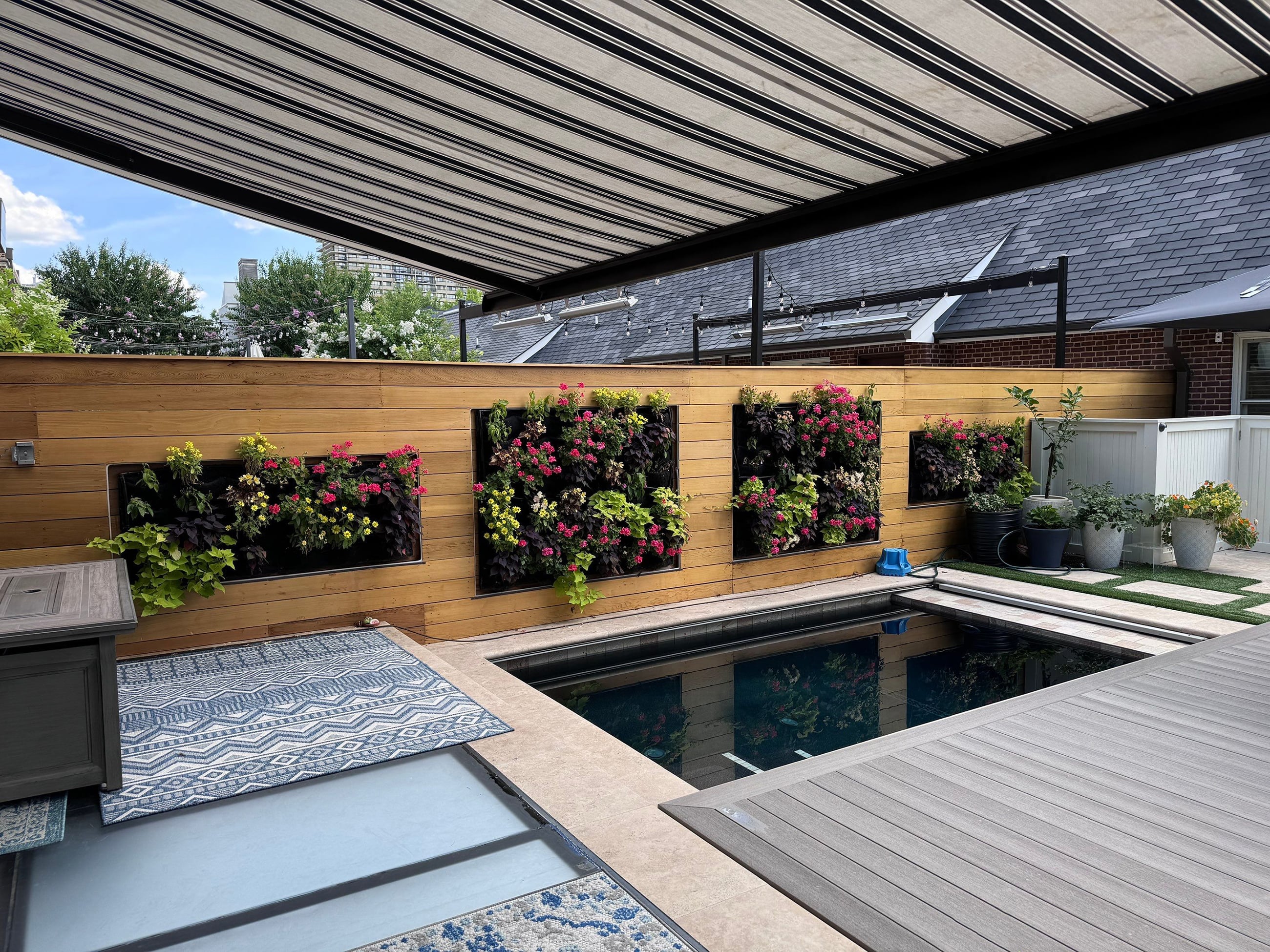
Styles can range from highly contemporary and architectural to completely naturalistic.
Experts we spoke to said there’s an edge toward the latter right now, with “more interest in naturalistic ponds and streambeds over highly formal fountains,” says Moody.
Figuring out what’s best for your home starts with questions rather than imagery, Moody explains. “What is the feature for? Cooling, sound, habitat, focal point, all of the above? When will you experience it? Morning coffee, evening entertaining, year-round from inside? Where will you see it from? A kitchen window, a terrace, the approach to the front door? What are the sun conditions? How much maintenance time do you actually have? And what’s the budget? The answers narrow the field quickly.”
Some clients are looking for tranquility and visual simplicity, while others prioritize entertaining, wellness, or family use: “The design should respond to lifestyle first,” says Ball, “rather than trends alone.”
Don’t Bug Me
A backyard oasis loses its luster when insects move in. These repellent products can help keep mosquitoes and other bugs at bay so you can soak up long summer days and nights in peace.
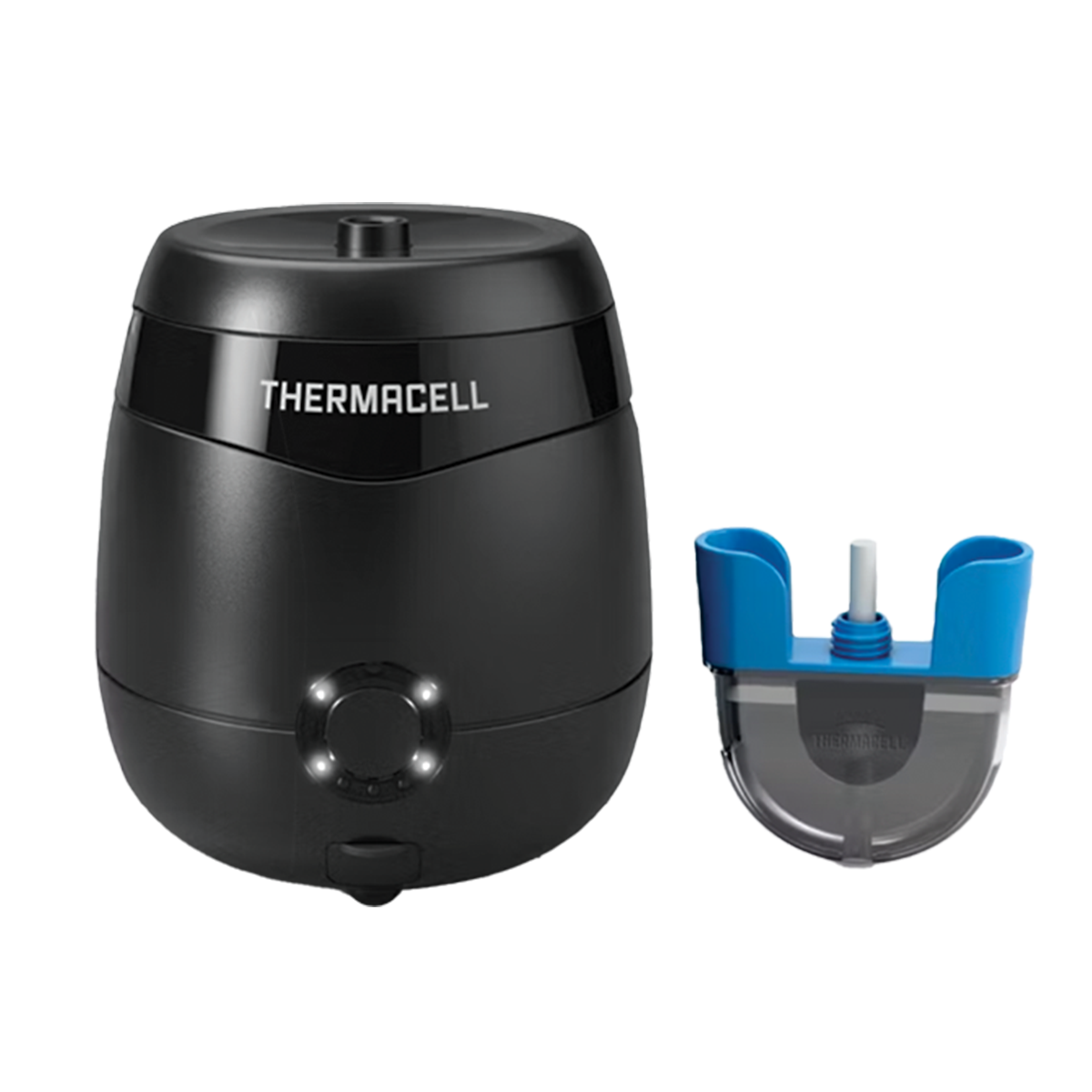
Thermacell Mosquito Repeller
The little battery-operated machines pack a big punch when it comes to warding off mosquitoes—each is designed to create a 20-foot bug-free zone. This one, the E65, comes with a fast-charging dock. $45 each at Target.
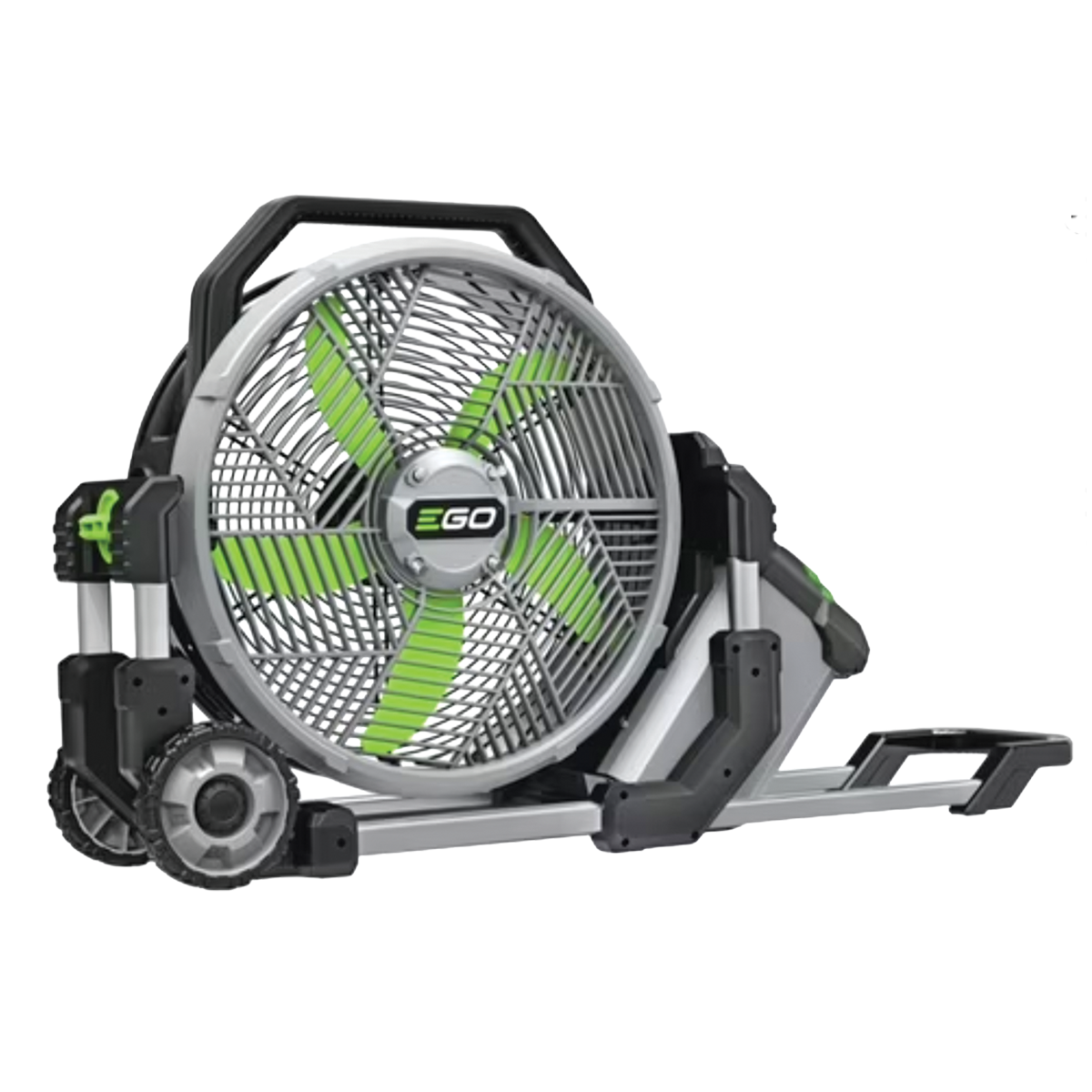
Ego Power+ 18-INCH Misting Fan
Fans are a tried and true way to battle mosquitoes—especially powerful, low-sitting fans. Does it have to be one that claims to be the most powerful misting fan of all time? No. But doesn’t that sound nice on a scorching day? This model has a five-star rating with 1,500 reviews at acehardware.com. $259 at Ace Hardware stores.
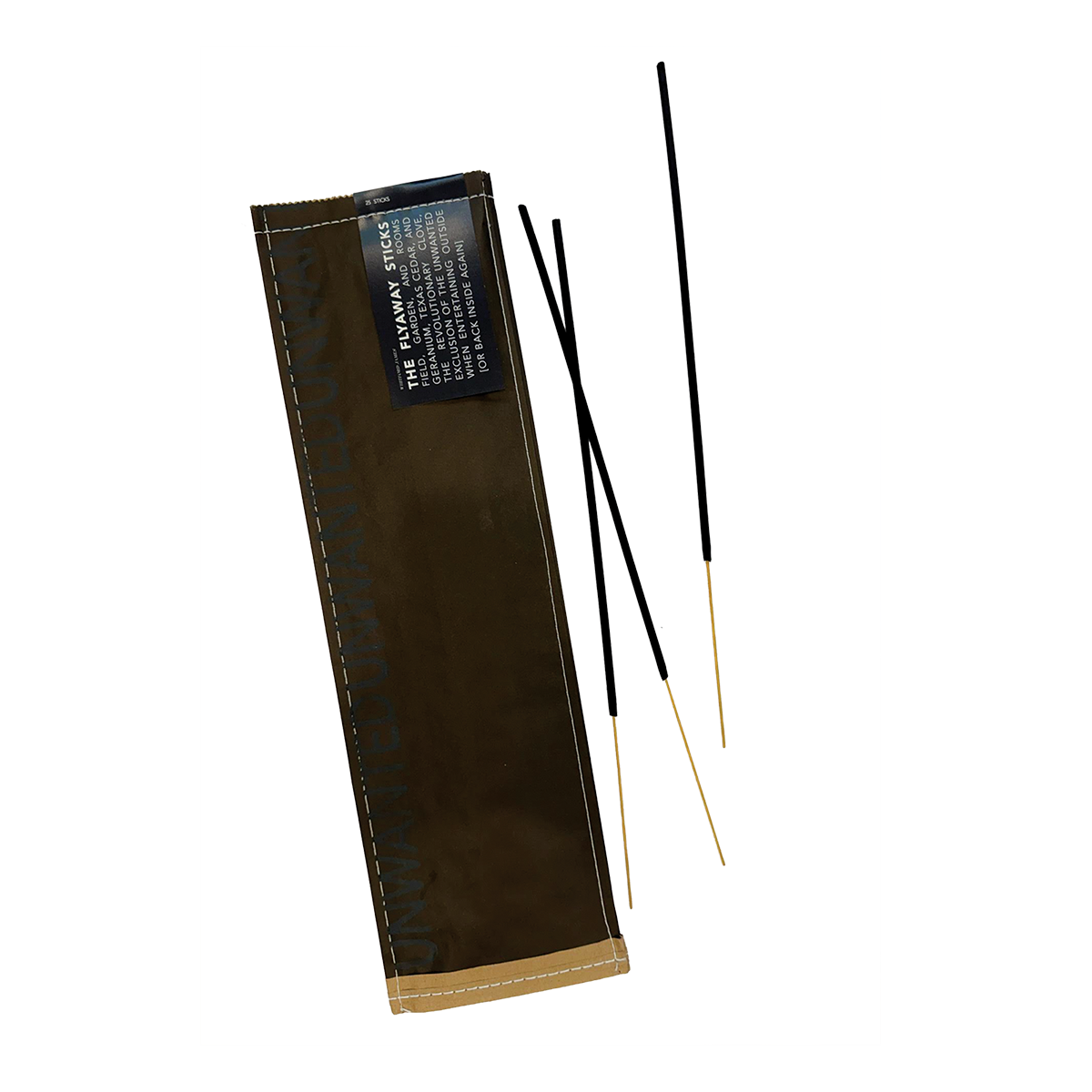
Flyaway Sticks
These natural incense sticks are designed to deter unwanted visitors (of the insect variety, at least) with a warm and subtle woodsy fragrance that includes geranium, cedarwood, and clove. $40 for a pack of 25 at the Georgetown Garden Shop.
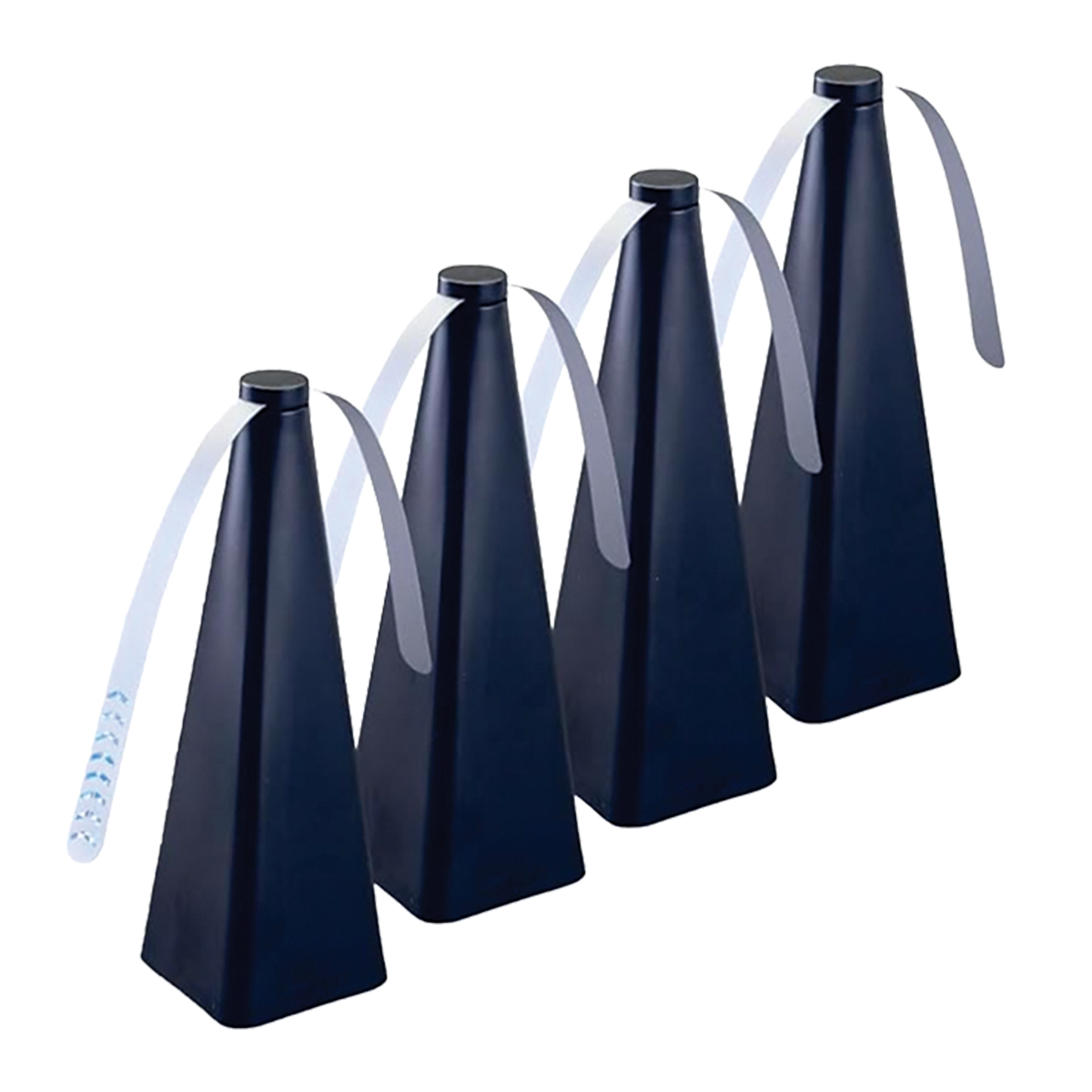
Treva Fly Fans
These originally took off as a way to keep flies out of food while you’re entertaining, but they do a surprisingly good job of keeping mosquitoes away, too. $33 for a pack of four at Amazon.
This article appears in the July 2026 issue of Washingtonian.

Amy leads Washingtonian Weddings and writes Style Setters for Washingtonian. Prior to joining Washingtonian in March 2016, she was the editor of Capitol File magazine in DC and before that, editor of What’s Up? Weddings in Annapolis.