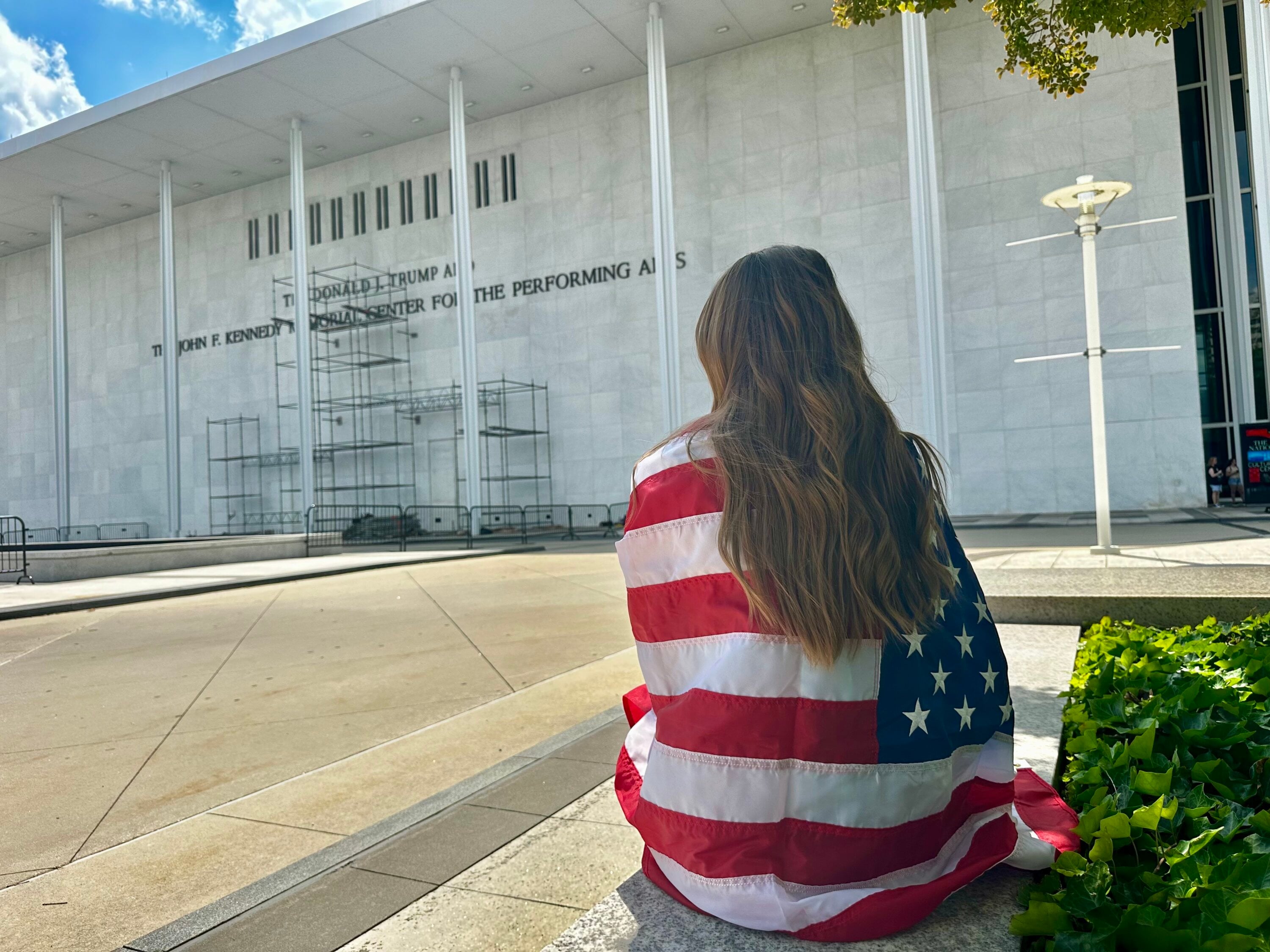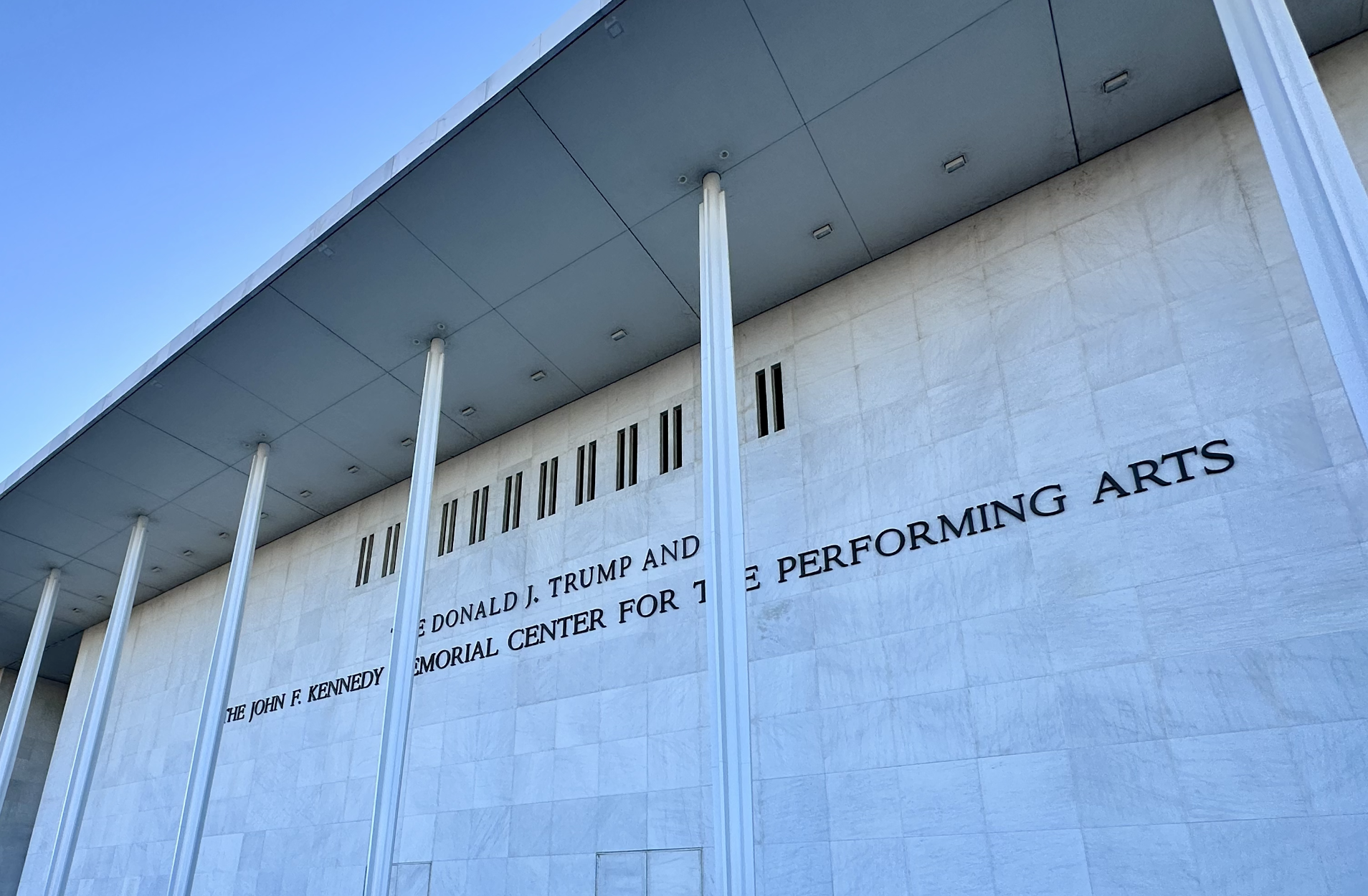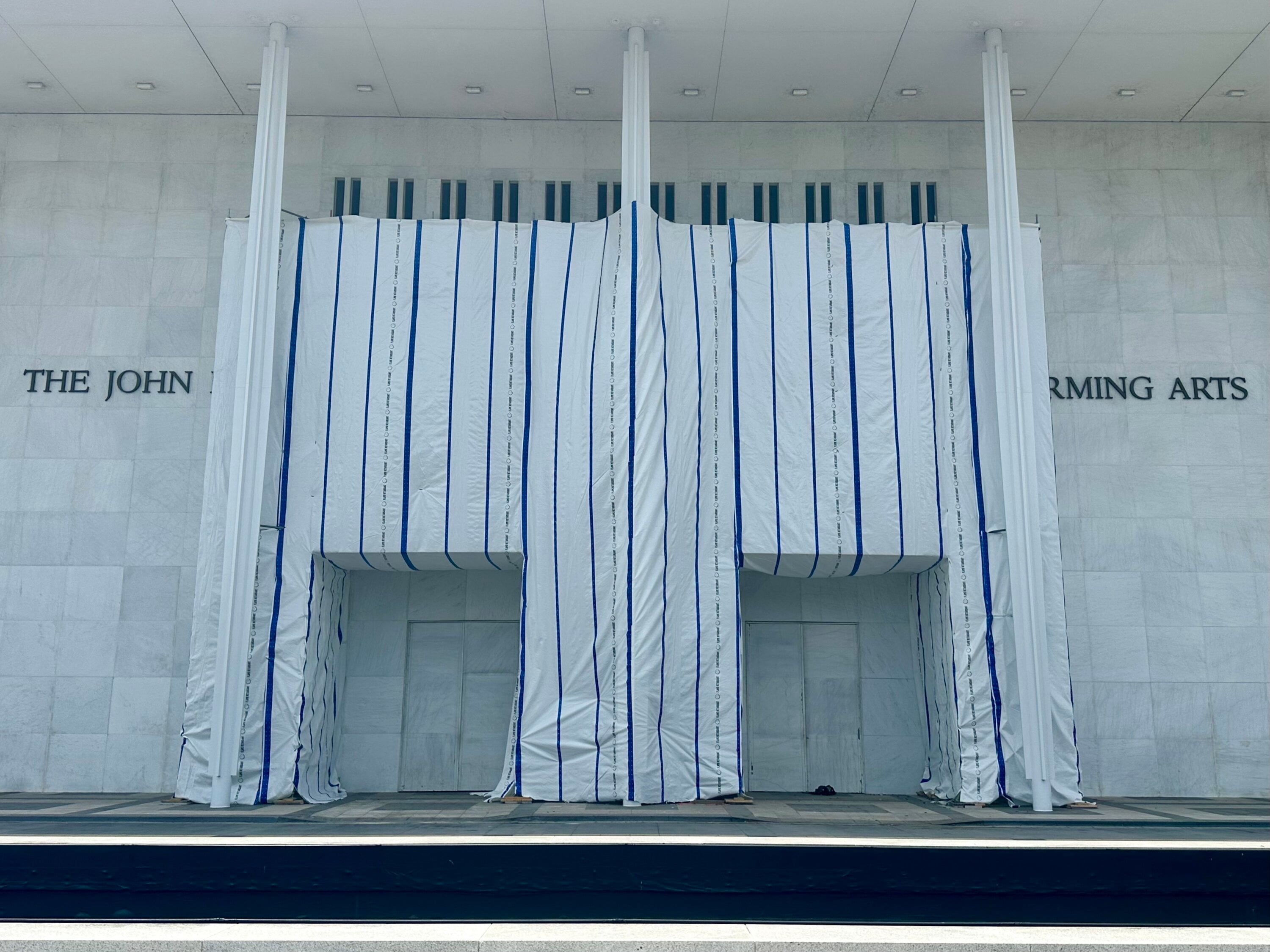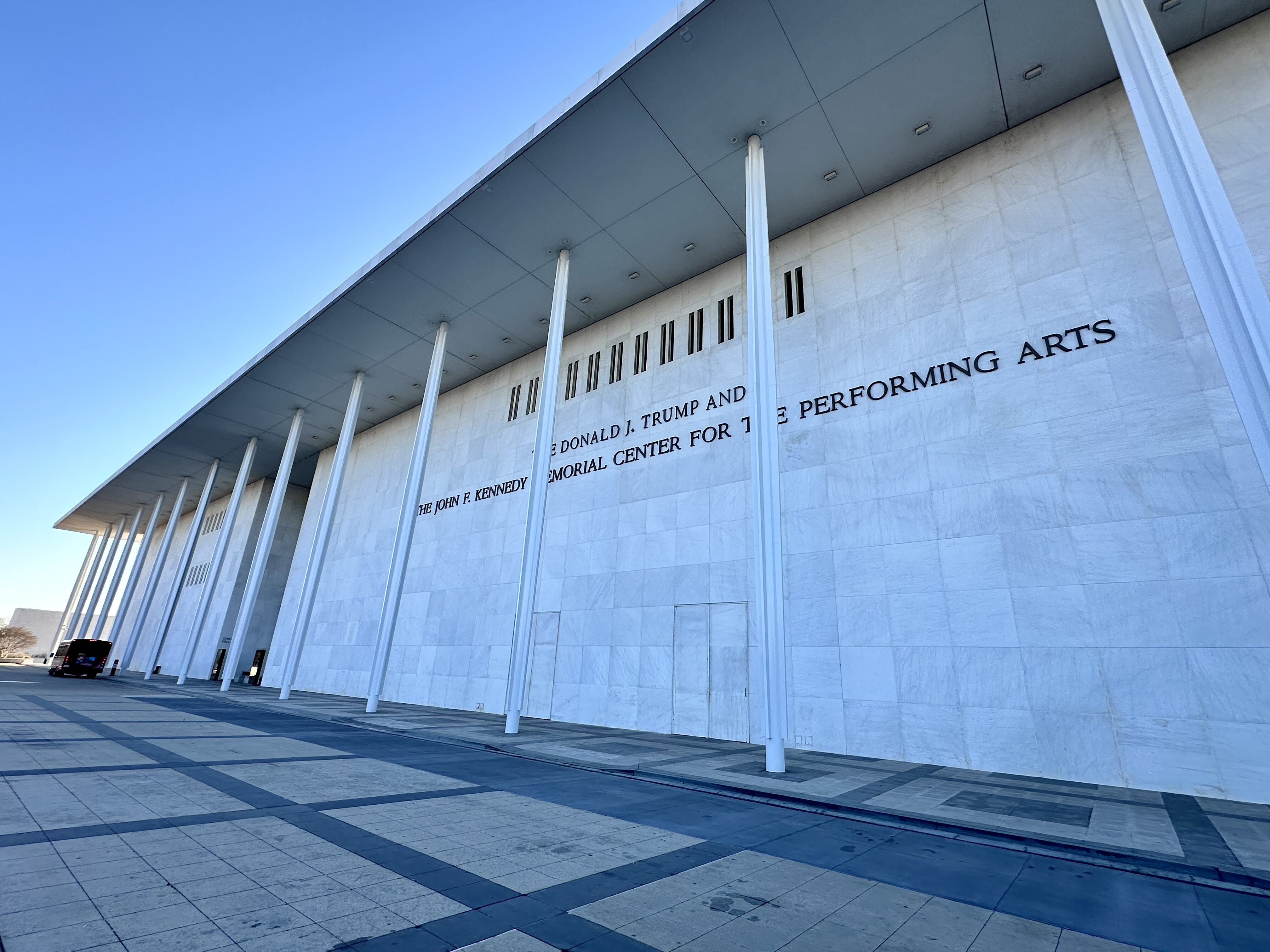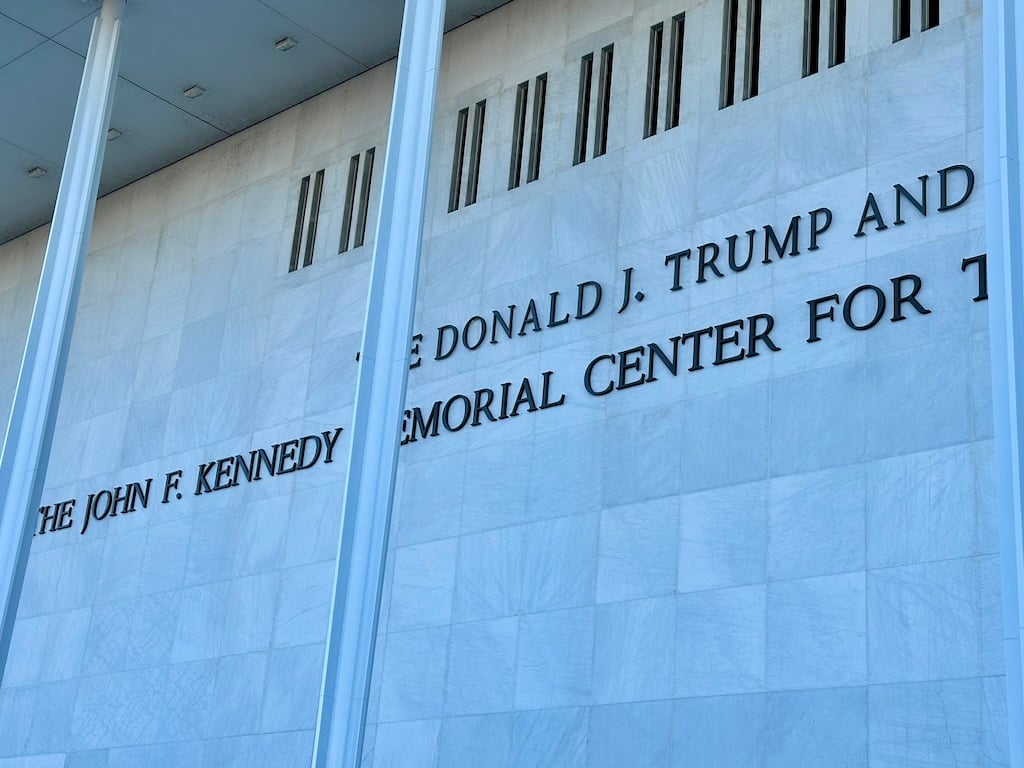
Last week, US District Judge Christopher Cooper ordered the Kennedy Center to remove the Trump name from its branding and facade and halted its plans to close the building for renovations. But according to David Super, an expert in administrative law and professor at Georgetown University’s law school, the Kennedy Center may already be defying the court. At issue is a memo sent on Thursday by the Kennedy Center’s Office of General Counsel, instructing staff on how to comply with Cooper’s ruling.
The name-change aspect seems fine; the memo orders staff to “remove all references to the Center being named for anyone other than John F. Kennedy.” But the second section of the memo, entitled “The Renovations and Closure,” is murkier. The memo (emphasis original) says that, “While the Court ruled that renovations can proceed at this time, it determined that the Board did not have sufficient information to make an informed decision to shut down the Center when it voted in March. The Court did not rule that the Center must stay open during the renovations, and did not require that the Center present any particular programming on-site during the renovations. Instead, the Court ruled that the specific Board vote in March was inappropriate, and that any subsequent vote regarding closure must take more information into account.”
It’s true that the court did not categorically prohibit the Kennedy Center from closing for renovations; the judge wrote that a future closure could be legal in the event that the board—after a more comprehensive review process—deemed it necessary. But Super, who reviewed the memo and ruling for Washingtonian, finds the memo “quite misleading” in its gloss of what the judge said. “The order requires the Kennedy Center to stay open during renovations until and unless the Board does something it has not done,” he wrote. “So it does require that the Kennedy Center stay open. The exception is irrelevant until and unless the Board makes a new decision.” Super also stressed that “the biggest problem is not [the memo’s] description of the ruling. The biggest problem is its failure to comply with the ruling.”
In particular, Super drew attention to the part of the ruling that voids the Kennedy Center board’s March 16 decision to close the building for renovations. To comply with the ruling, Super believes, the Kennedy Center should be operating as though that decision had never been made. “Were it not for the Board’s March decision,” Super wrote, Kennedy Center staff “would be working to schedule performances in its various venues”—and booking these acts would be particularly urgent if administrators “somehow found themselves in early June with no programming [scheduled] after the beginning of July,” which is exactly the position they’re in now. Because of that, Super concluded that the memo’s failure to “instruct the staff to seek to book acts for July is, in effect, leaving the March 2026 decision in place and defying the court.” (A spokesperson for the Kennedy Center emailed the following comment: “We are complying with the court’s order while evaluating all legal options to preserve this revitalization and recognize President Trump’s leadership.”)
By contrast, the memo does direct staff to comply with the court’s ruling on the name change. It orders the removal of any reference to “the ‘Trump Kennedy Center,’ ‘the Donald J. Trump and the John F. Kennedy Memorial Center for the Performing Arts,’ or similar name,” including on “email signatures, email communications, letterhead, website, brochures, promotional materials, press releases, signs, references in contracts, MOUs, and other agreements.” Staff were notified that they must change their email signatures and letterhead immediately, while other changes (“such as to templates and forms, signage, brochures, and website pages”) are required by Friday, June 12.
Throughout his ruling, Cooper emphasized that the Kennedy Center’s mandate, as assigned by Congress, is to offer arts programming—and that arts programming must remain a priority, even as the building undergoes necessary renovations. To Super, then, compliance with the court order requires more than nominally keeping the doors open. “If this were a public park,” he explained, “simply preventing it from closing would suffice, as people would come to enjoy it. But the Kennedy Center is effectively closed if it has no performances scheduled.” According to Super, the memo reads as if “they are still planning to close in July but they have not yet decided whether they will do so formally or simply achieve the same result by not scheduling any performances.” As of now, the Kennedy Center’s calendar is relatively bare; there is no programming scheduled in the main building after a July 5 performance of Bluey’s Big Play.