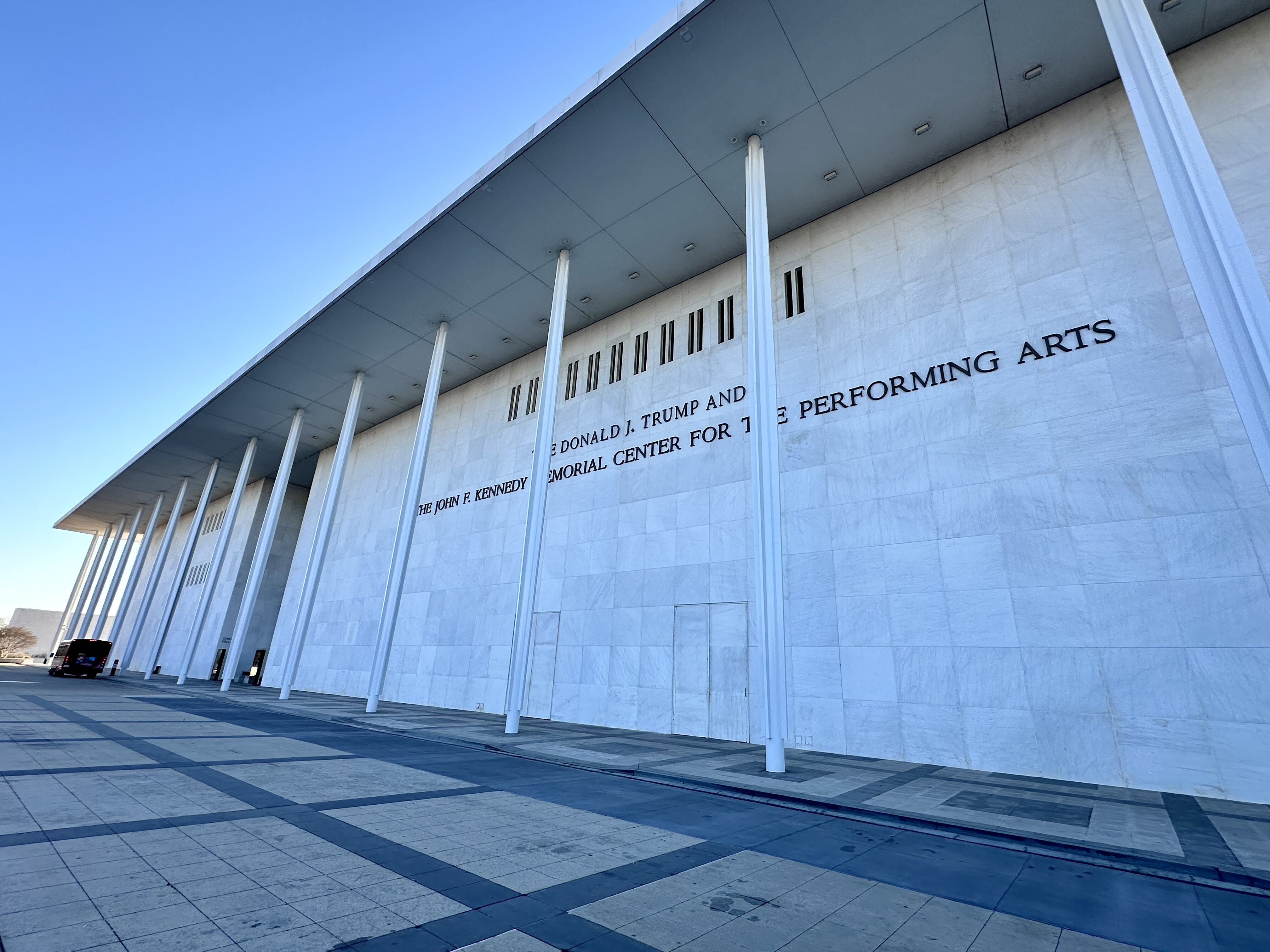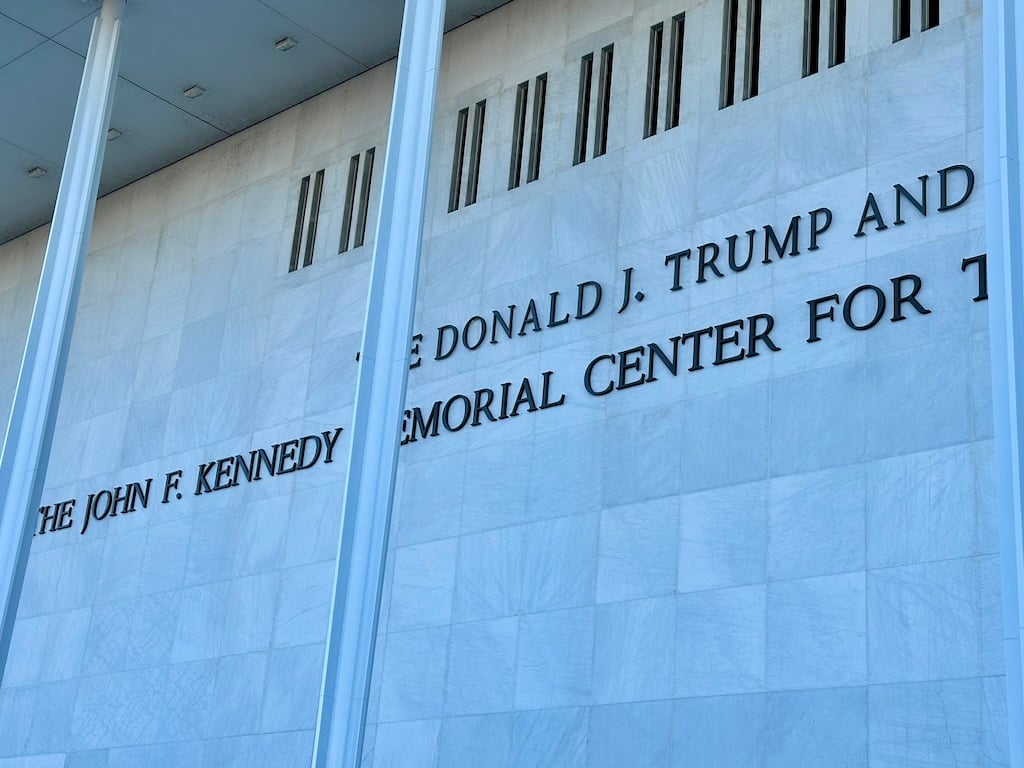
In a Friday night court filing, the Department of Justice confirmed what many people have feared: that the Kennedy Center is making no efforts to schedule performances, despite a court order barring the place from closing. You’ll still be able to access the building, the government assured us—at least until a planned board meeting in mid-July, when trustees may vote, yet again, to shutter it completely. Between now and then, there won’t be much Broadway or Brahms or ballet, but you can amble around the vacant Hall of States if you’d like.
But wait—is that lawful? What about the court order suggesting that “being open” requires offering programming? And why on earth is the Trump administration so bent on closing the Kennedy Center in the first place? The situation has become fairly labyrinthine, but if you care about the fate of the Kennedy Center—or, frankly, about how odd it is for the President of the United States to apparently be on a relentless and very personal crusade to tank a midsized local employer that’s historically been an extraordinary tourist draw—then you need to understand a few things about what’s been going on.
How did the fight over Kennedy Center programming begin?
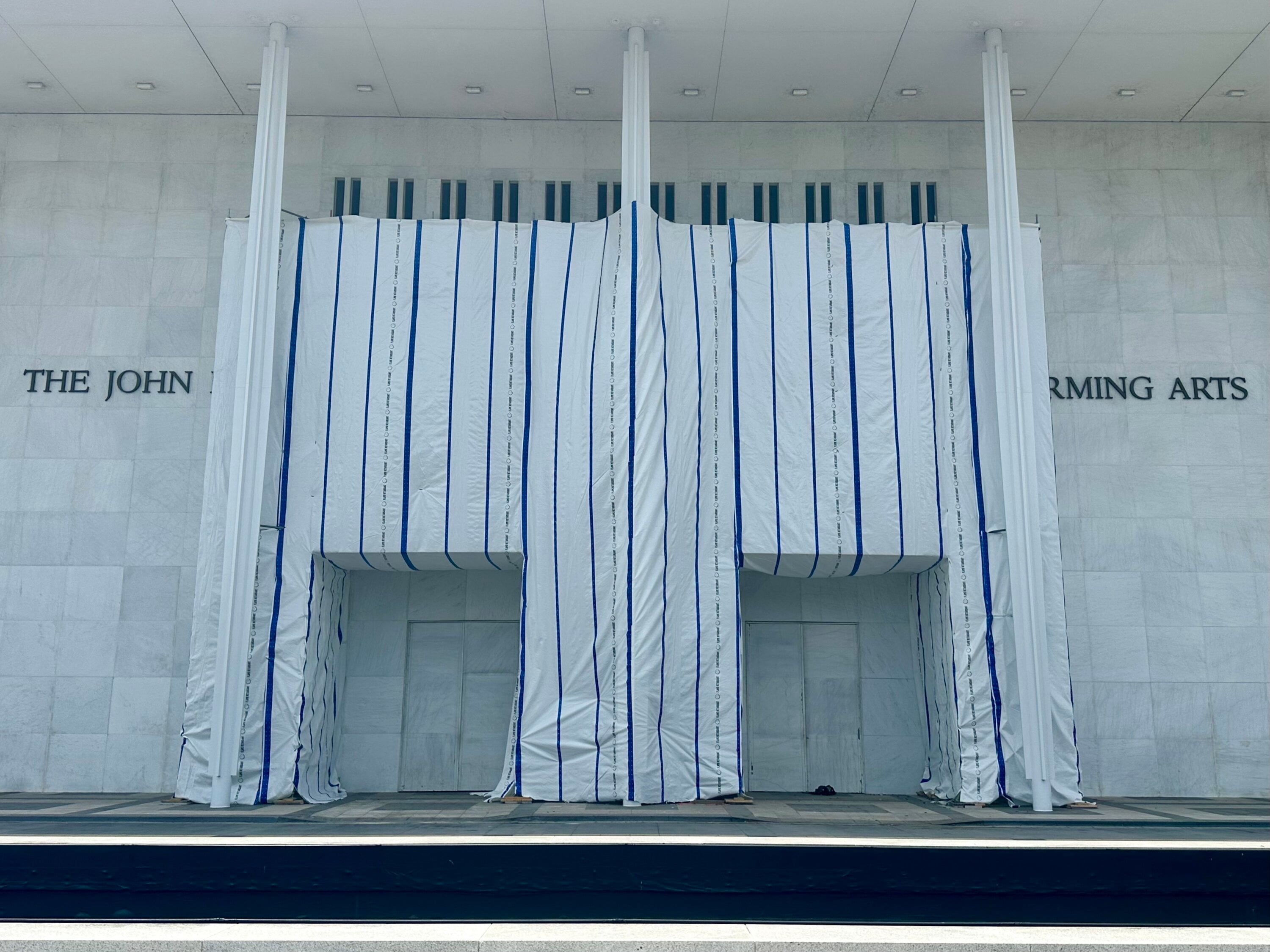
On February 1, President Trump announced via Truth Social that the Kennedy Center would close for a two-year major renovation beginning on July 4, in order to “take a tired, broken, and dilapidated Center…and turn it into a World Class Bastion of Arts, Music, and Entertainment.” On March 16, the Kennedy Center’s board voted to authorize that closure. The Trump administration insisted that closing the building was the safest and most straightforward path to doing badly needed renovations, such as fixing water damage in the parking garage, updating the water pumping system, and repairing degrading paneling on the eaves overhanging the plaza. Also, some cosmetic changes were planned, including installing marble armrests and changing the color of the carpets from red to black.
But is it true that the Kennedy Center needs to close for renovations?
It’s definitely true that the Kennedy Center needs some repairs. But in the past, major renovations have been carefully planned so that arts programming would be minimally disrupted and the building would never fully close. Before Trump announced the two-year closure, a less disruptive renovation plan—in keeping with past ones—was already funded and underway. Had the board stuck with that, the building would not have needed to close.
Then why did Trump announce the closure?
This is still a topic of debate. The Trump administration insists that it’s just about the renovations—that the safest and most efficient route to Making the Kennedy Center Great Again is closing it for two years, rather than prolonging the renovations by doing them in the off-hours or putting the public at risk from an allegedly crumbling building.
But many critics suspect that the closure was actually a face-saving move for Trump, whose takeover of the Kennedy Center has resulted in crippling boycotts, apparent fundraising woes, and high-profile defections by artists who refused to perform there anymore. There is some credible reporting that the closure was meant to stop the cascade of embarrassing headlines and stem the institution’s financial bleed. That said, it’s tough to really know.
Why is the closure a legal issue?
When Trump announced the closure, he was already being sued by Ohio Congresswoman Joyce Beatty over the “Trump Kennedy Center” renaming. Her legal team amended the lawsuit to also oppose the closure.
And why does Beatty think that it’s illegal for the Kennedy Center to close?
In general, the board of an institution has duties of loyalty and prudence. Essentially, that means that the board is required to act in the best interest of the institution and to make responsible decisions on its behalf. Among arts administrators, it is widely recognized that a prolonged closure of a place like the Kennedy Center would be extremely disruptive. During closures, audiences drift and donors lose interest. Revenue craters. Employees take other jobs. A closure damages the institution’s relevance and reputation, and Beatty’s legal team argued that a prudent trustee would do everything possible not to shut the Kennedy Center down.
But didn’t the board try to avoid a shutdown?
On Truth Social, the President claimed that he’d only decided to close after “a one year review of The Trump Kennedy Center, that has taken place with Contractors, Musical Experts, Art Institutions, and other Advisors and Consultants.” And the Kennedy Center’s president, Matt Floca, told the court that the decision to close was informed by “an extensive analysis of expert evidence and internal operational data.” That is, at bare minimum, what one would expect from a major arts institution weighing whether to undertake a multi-year closure.
But as part of the lawsuit, the Trump administration was invited to provide documentation of these reviews. Apparently, none was submitted. (“Evidence of any such review is nil,” the court found.) In part because of that, the judge concluded that the board’s decision to close fell “below even a forgiving standard of prudence.”
What about the Kennedy Center’s legal obligation to offer arts programming?
That part is important. The Kennedy Center is not an ordinary nonprofit—it’s a federal entity, established by Congress, whose mission is laid out in its founding statute. That mission is to be a living memorial to president Kennedy and to offer arts programming to the public. In fact, the very first item listed under “Duties of the Board” is to “present classical and contemporary music, opera, drama, dance, and other performing arts.” The law is clear that offering arts programming is the Kennedy Center’s core function.
The statute’s language makes it even harder to justify a full closure. The board is legally obligated to make decisions in support of the Kennedy Center’s mission—and Beatty’s team argues that “turning the Kennedy Center into a lifeless husk for two years” would be a “fundamental breach” of the board’s “most basic fiduciary obligations.”
Is this argument a stretch?
It’s not a stretch at all, according to US District Judge Christopher Cooper, who handed down a decision in the case on May 29. Cooper decided largely in favor of Beatty, agreeing that the board did not adequately consider the institution’s mission when authorizing the closure. (He wrote that “neither the Kennedy Center’s leadership nor the trustees appear to have given any serious thought to…the Board’s range of statutory obligations.”)
Cooper did not categorically prohibit the Kennedy Center from closing for renovations in the future—but in order to do so lawfully, the board would need to arrive at that decision again after weighing all of its responsibilities, including its duty to offer arts programming. Until and unless the board does so, Cooper’s court order bars the Kennedy Center from enforcing its March 16 decision to close, and also prohibits it from continuing to “wind down” programming in anticipation of that closure. Put simply, Cooper ordered the Kennedy Center to resume normal operations.
Is the Kennedy Center complying?
According to Joyce Beatty, no. The Kennedy Center’s performance calendar remains almost completely bare, which Beatty has brought to the court’s attention. In response, Judge Cooper requested last week that the Kennedy Center provide him with documentation of its efforts to comply with his court order, “including plans for public access and ongoing programming, activities, and operations after July 5, 2026.”
And did they?
Well, that was the big news from Friday’s joint status report. The Kennedy Center did provide an update on its plans for ongoing programming—but the update was essentially that there are no plans for ongoing programming.
Apparently, the Kennedy Center’s board will be meeting in mid-July to vote once again on renovation plans, selecting between a phased renovation, a partial closure, or a full closure. Given this uncertainty about the future, the attorneys argue, it doesn’t currently make sense to schedule any programming.
But can you do that? Can you ask the court to essentially give you some time to decide whether or not to comply with its order?
According to Judge Cooper, yes. On Wednesday, he denied Beatty’s motion to require weekly updates on the Kennedy Center’s progress towards booking performances. Instead, he asked for a report by the end of July, after the board meets to sort out its renovation plans. In other words, he’s decided not to press them on programming for now.
Trump obviously wants a closure. Can’t the Trump loyalists on the Kennedy Center’s board pretend to consider the options but ultimately just vote for what he wants?
Not exactly. Cooper has issued a preliminary injunction that prevents the Kennedy Center from moving forward with a closure. Even if the board does vote to fully close, the judge has to dissolve that preliminary injunction before the closure can proceed. This means that the board is going to have to prove that the vote is genuinely prudent—a result of real deliberation about the institution’s obligations and needs—rather than a sham proceeding designed to cater to the President’s wishes.
In his original opinion, Cooper wrote at length about how the March 16 vote to close the Kennedy Center seemed to be a mere formality, a rubber-stamping of a closure plan that Trump had already announced. Cooper is likely to be on the lookout for that happening again—but there are also limits to what he can do, since he doesn’t want to be seen as micromanaging the operations of the Kennedy Center.
So, what’s next?
Well, a lot of the questions we’ve just asked should at some point be answered, since the lawsuit is now proceeding to discovery. That means the Kennedy Center will have to produce materials about why they chose to close, what evidence they considered in weighing the closure, how much of that decision was driven by artist cancelations, and so forth. We’re not going to see any of this for a while, though—perhaps not before early fall.
In the meantime, if you thought that the May ruling blocking the Kennedy Center’s closure meant that you could attend some performances there in July, that’s not going to pan out for you. The Kennedy Center will be effectively closed for the time being, unless you just want to sit silently in the hall.