Green Ridge State Forest
Flintstone, Md.
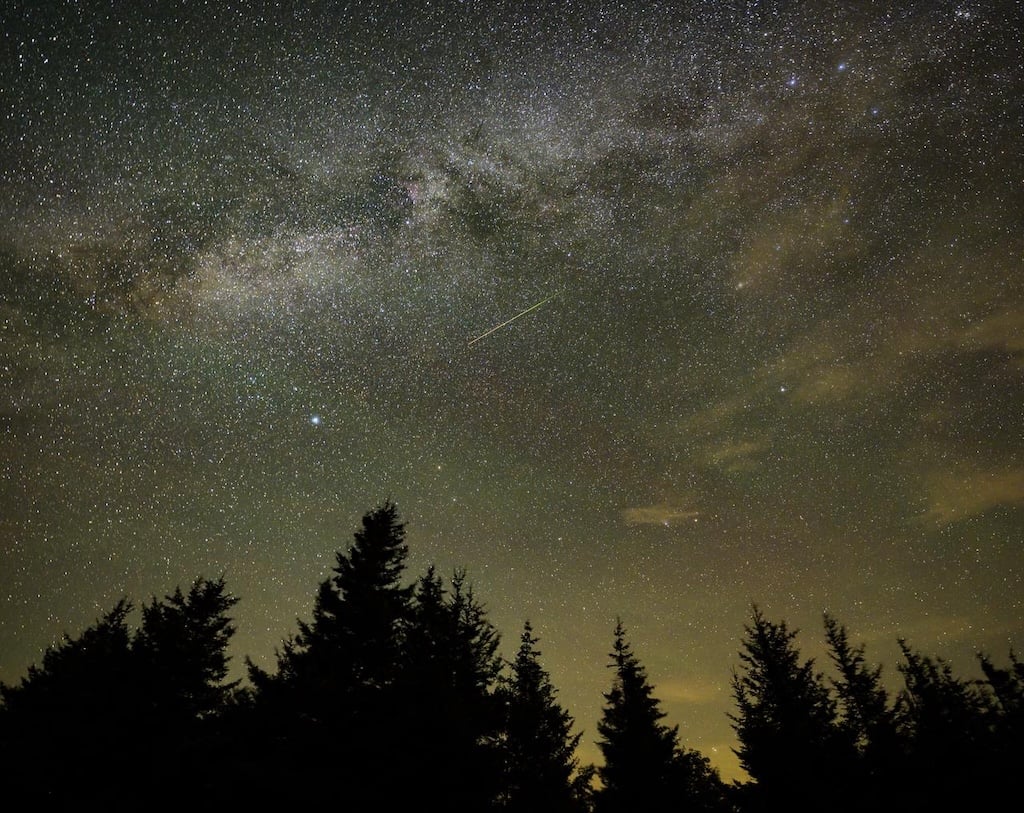
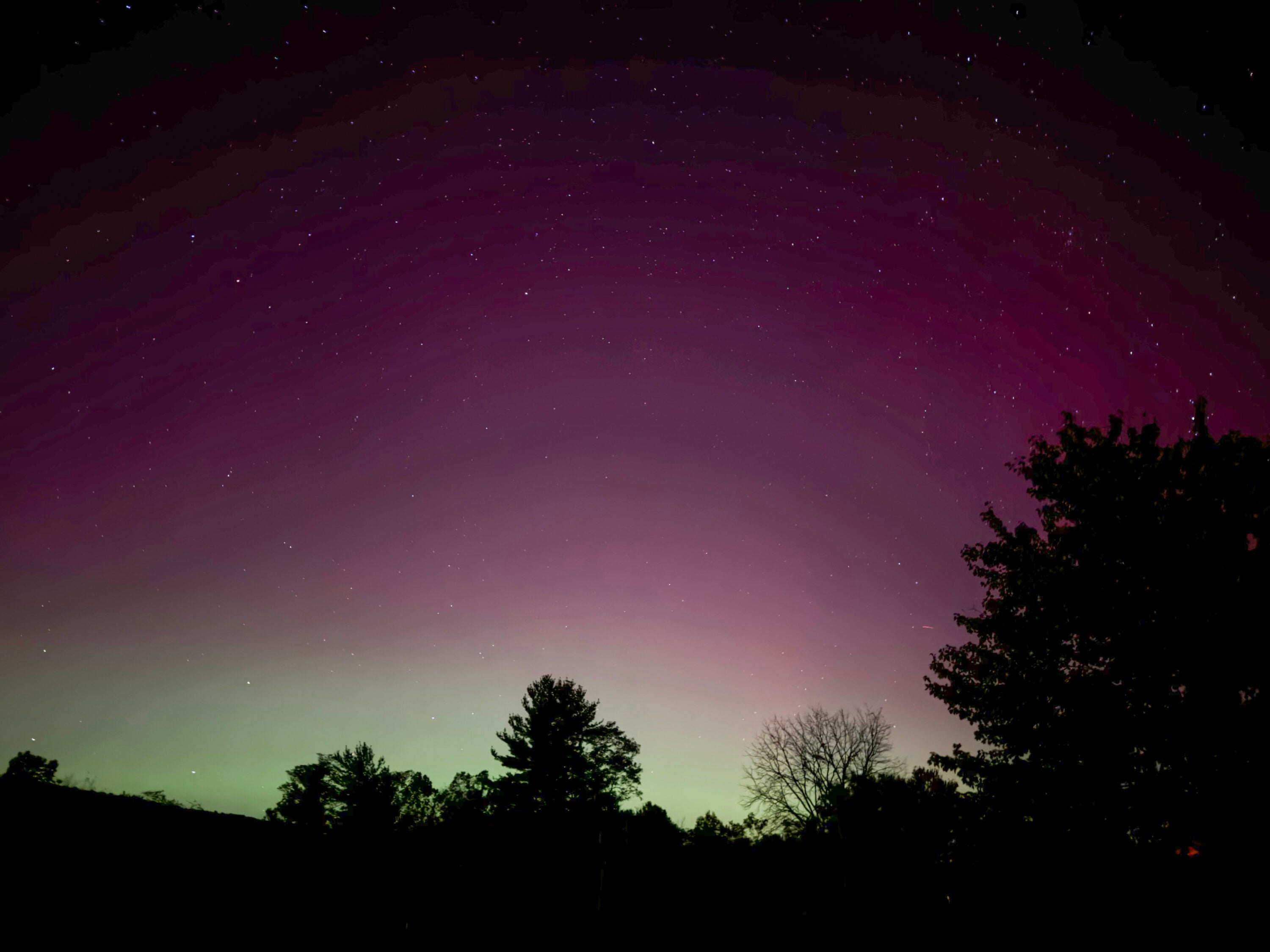
Buffered by a vast swath of wilderness in the Allegheny Mountains and far from urban glare, this forest is among the darkest in the region. Head for the aptly named Point Lookout, an elevated flat that sits above the tree line, for the clearest view of Jupiter and Mars.
Stay: Rocky Gap Resort, about a 20-minute drive from the forest, is located inside Rocky Gap State Park. It has a spa, a casino, restaurants, and pretty good Milky Way visibility from the property.
Drive time from DC: Two hours
Assateague Island National Seashore
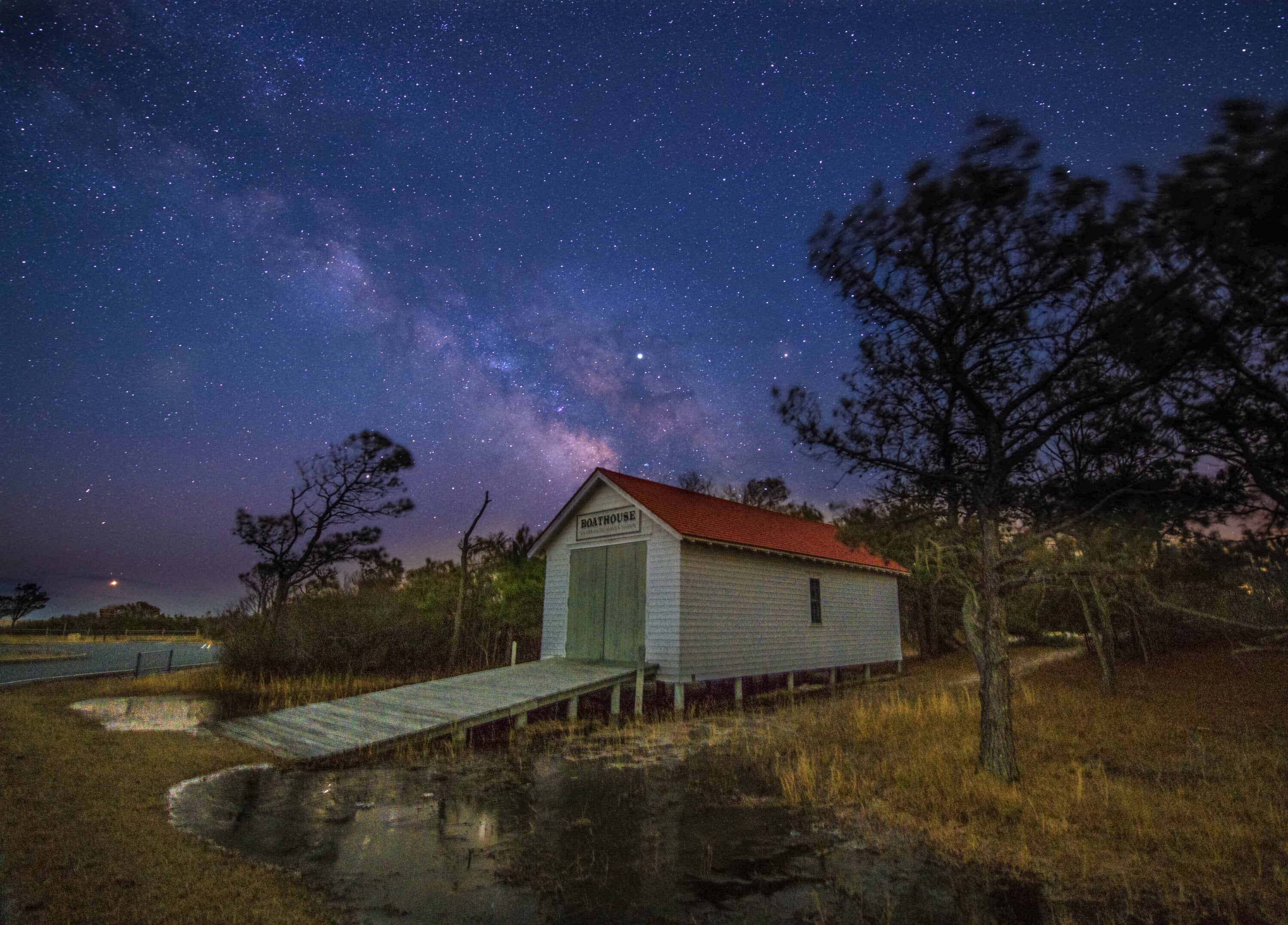
Berlin, Md.
This barrier island in the Atlantic is just far enough from the bright lights of Ocean City to reveal exceptional views over the water. Expect to see thousands of distant stars, the whole of the Milky Way, and gems such as the Seven Sisters, a group of young stars dubbed the “mini dipper.”
Stay: The Atlantic Hotel in downtown Berlin offers historic rooms and a restaurant with an enclosed porch. For devoted dark-sky diehards, beachfront campsites are available in winter, no reservations required. Just remember to bring a wind-resistant tent—you’ll need it.
Drive time from DC: Three hours
Blackwater National Wildlife Refuge
Church Creek, Md.
This protected area in a remote part of the Eastern Shore offers a guided stargazing experience. Led by a retired NASA astrophysicist, the Friends of Blackwater Night Sky Tour is a visual escape into deep space through a 12-inch digital telescope mounted at the edge of the property. Here you can view nebulae, distant galaxies, and celestial objects. The family-friendly outing is free, but you must register in advance. Tours are scheduled around light winds and clear skies.
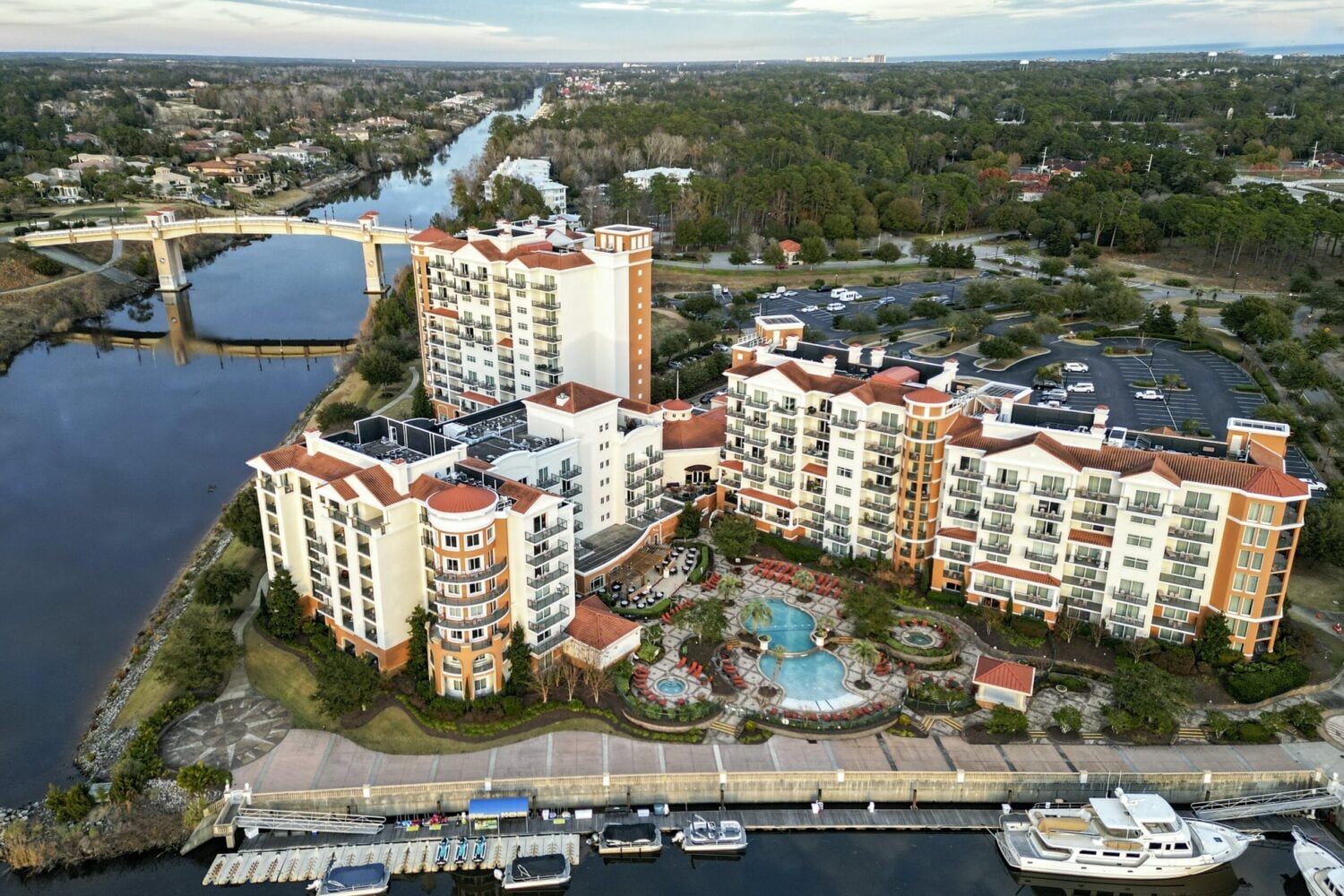
Stay: The Hyatt Regency Chesapeake Bay Golf Resort, Spa and Marina is a 20-minute drive from Blackwater. It has an indoor swimming pool, some rooms with bunk beds, and nightly s’mores by the outdoor fireplace.
Drive time from DC: Two hours
Sky Meadows State Park
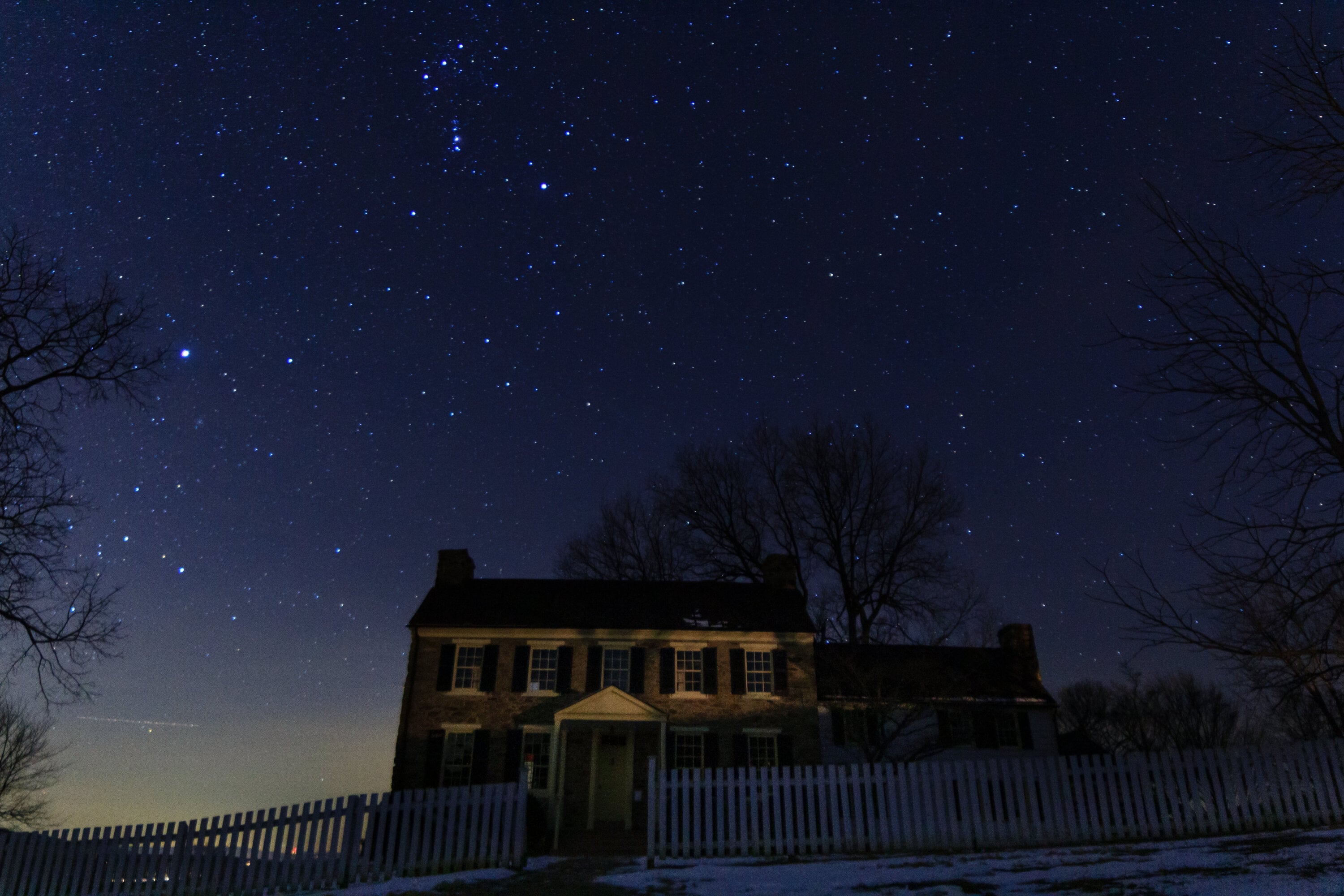
Delaplane, Va.
An official part of the International Dark Sky Program, Sky Meadows’ designation may be surprising considering its proximity to the DC area. However, its location within the Blue Ridge foothills blocks much of the suburban light. Here you can catch both the glowy band around the Milky Way and distant star clusters with the naked eye. Head to Turner Pond, the darkest corner of the park, which is open to stargazers until 2 am.
Stay: The Ashby Inn, less than two miles from the park, has a farm-to-table restaurant and luxurious guest rooms, some with wood-burning fireplaces.
Drive time from DC: One hour
Coopers Rock State Forest
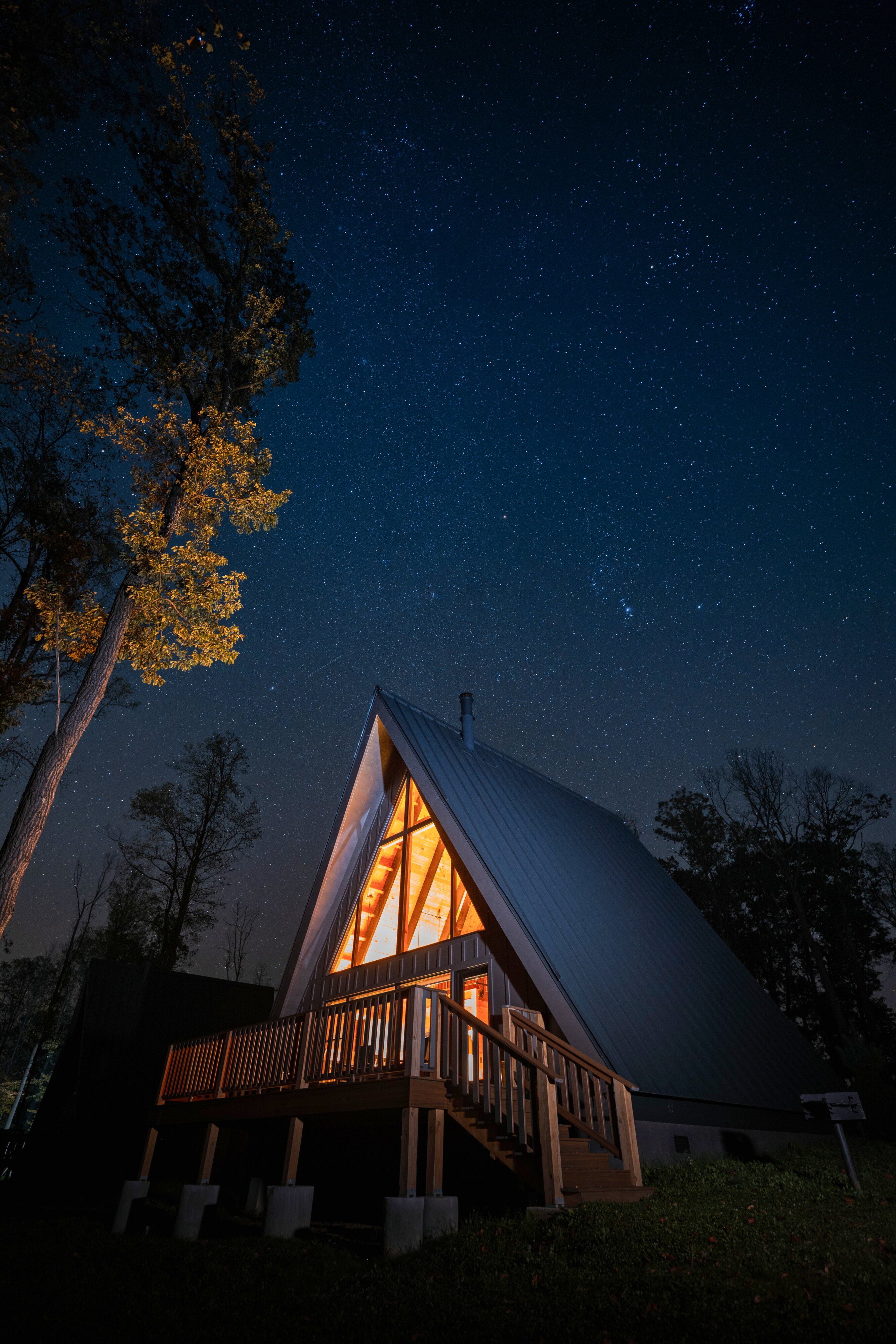
Bruceton Mills, W. Va.
This 13,000-acre park offers clear sky views, including from an overlook where you can see starry nights unfold over the Cheat River. Jupiter, Venus, and Mars shine bright on crisp winter nights, and December is a nice time to catch shooting stars.
Stay: Sleek new A-frame “stargazing cabins”—two of them ADA-accessible—are equipped with high-powered telescopes so you can spot faraway constellations at any time of night.
Drive time from DC: Three hours and 15 minutes
Cherry Springs State Park
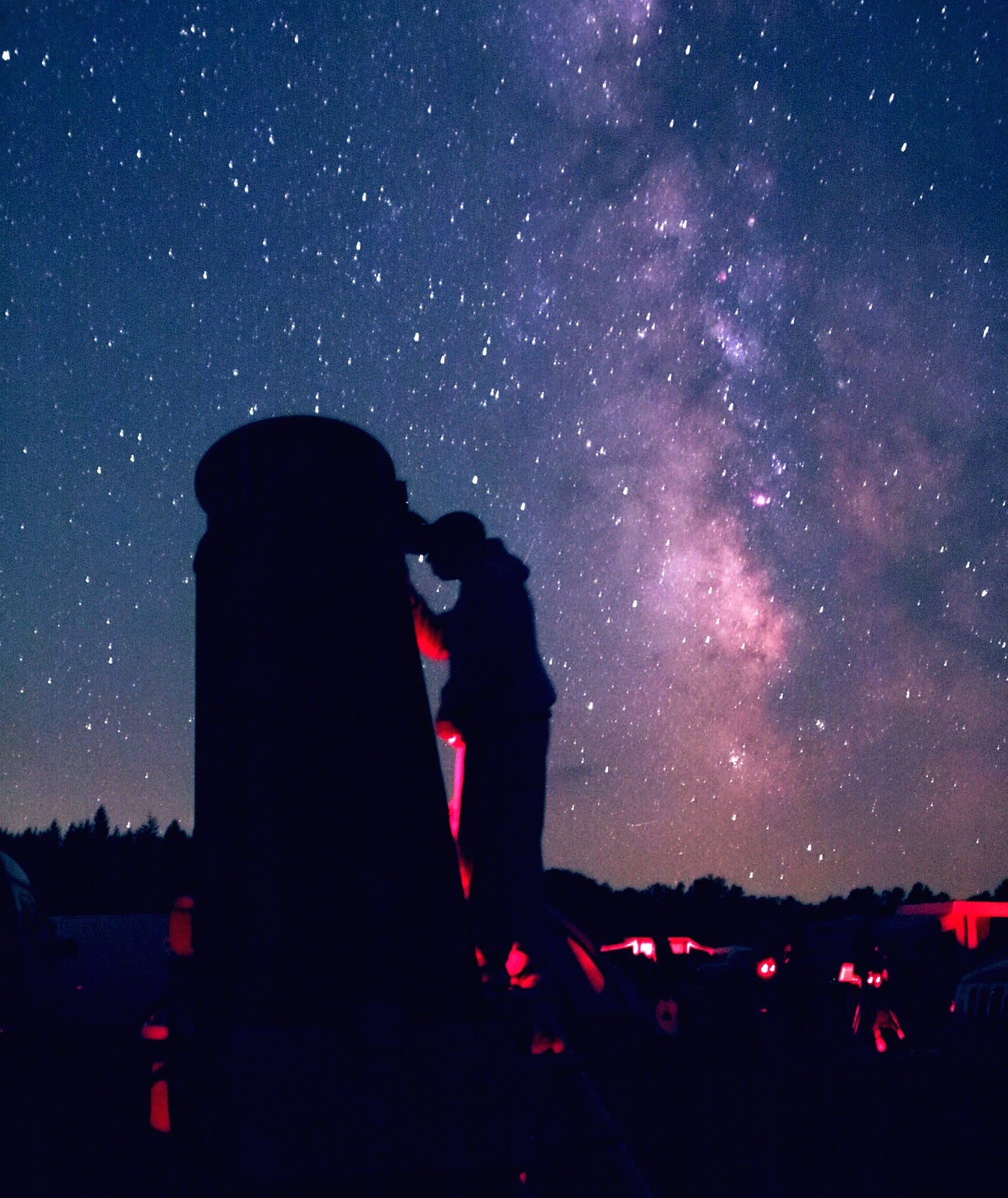
Coudersport, Pa.
In the mountains of north-central Pennsylvania, Cherry Springs is considered one of the best dark-sky destinations on the East Coast. Its fortunate position 2,300 feet above sea level happens to be ringed by a vast, mostly undeveloped forest, so on clear nights you can see the Milky Way’s bright core, the Andromeda Galaxy, and occasionally the Northern Lights. Serious astronomy fans will appreciate that the official observation field has strict dark-sky rules, requiring visitors to eliminate all light sources.
Stay: Frosty Hollow Bed & Breakfast, a low-key inn adjacent to the park, can connect you with a stargazing tour guide.
Drive time from DC: Five hours
The Lodge at Primland, Auberge Collection
Meadows of Dan, Va.
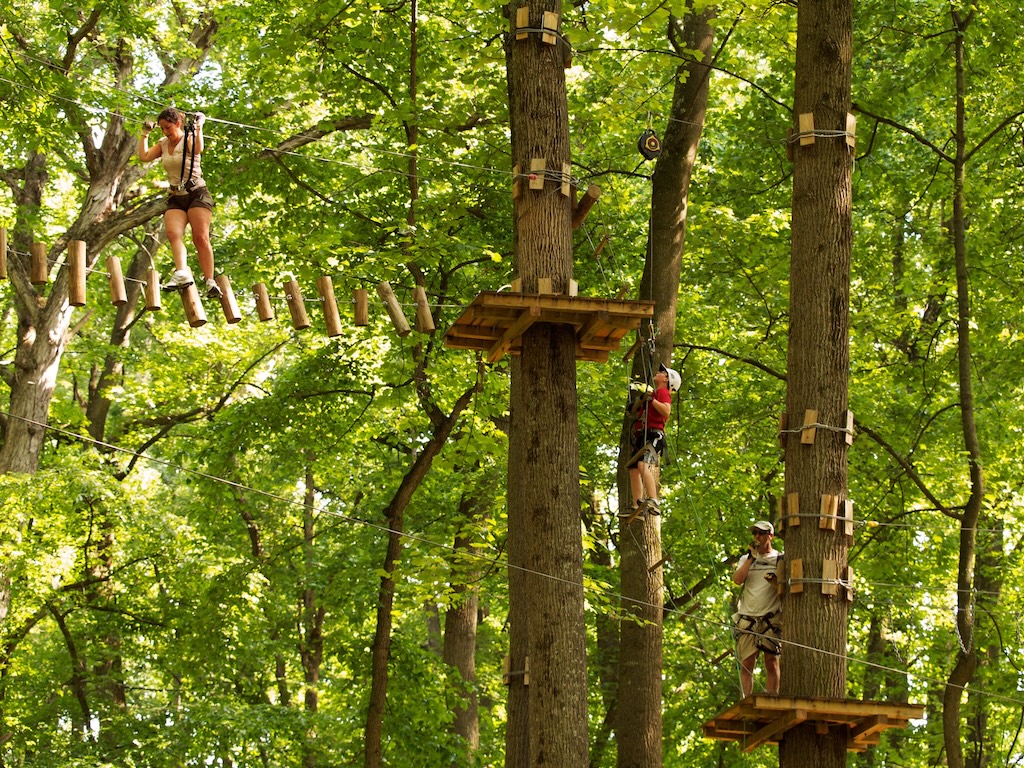
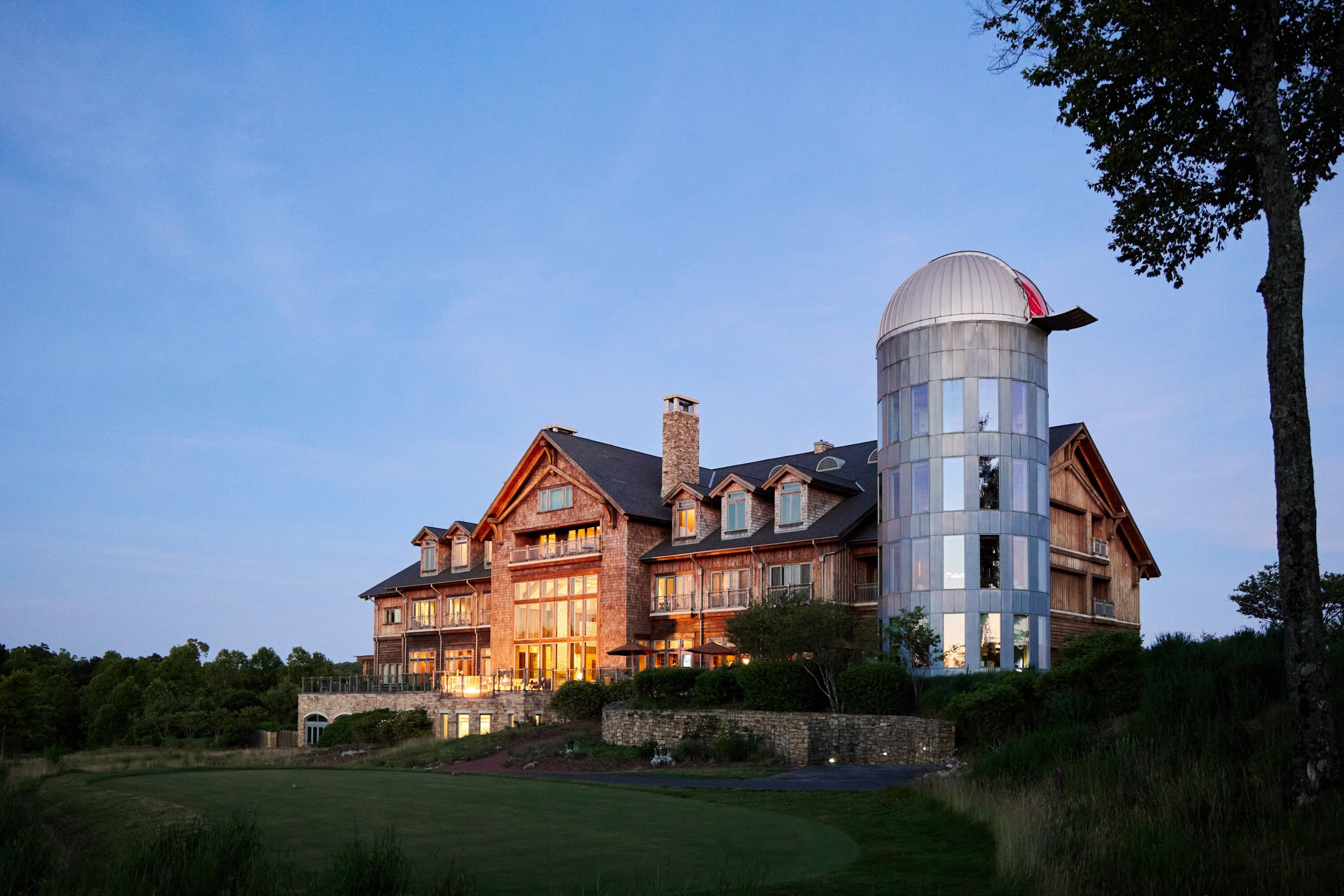
This off-the-grid resort is tucked into southwestern Virginia atop the Blue Ridge Mountains. Its elevation and distance from light pollution make it an extraordinary spot to soak in the cosmos. The posh property has great restaurants, a wellness spa, aerial adventures, and a golf course, but the biggest draw for stargazers is the research-grade observatory dome, staffed by a resident astronomer who helps guests identify planets and distant galaxies on high-tech telescopes.
Stay: Splurge on the two-story Celestial Suite, located in the observatory tower itself.
Drive time from DC: Five and a half hours
Big Meadows
Stanley, Va.
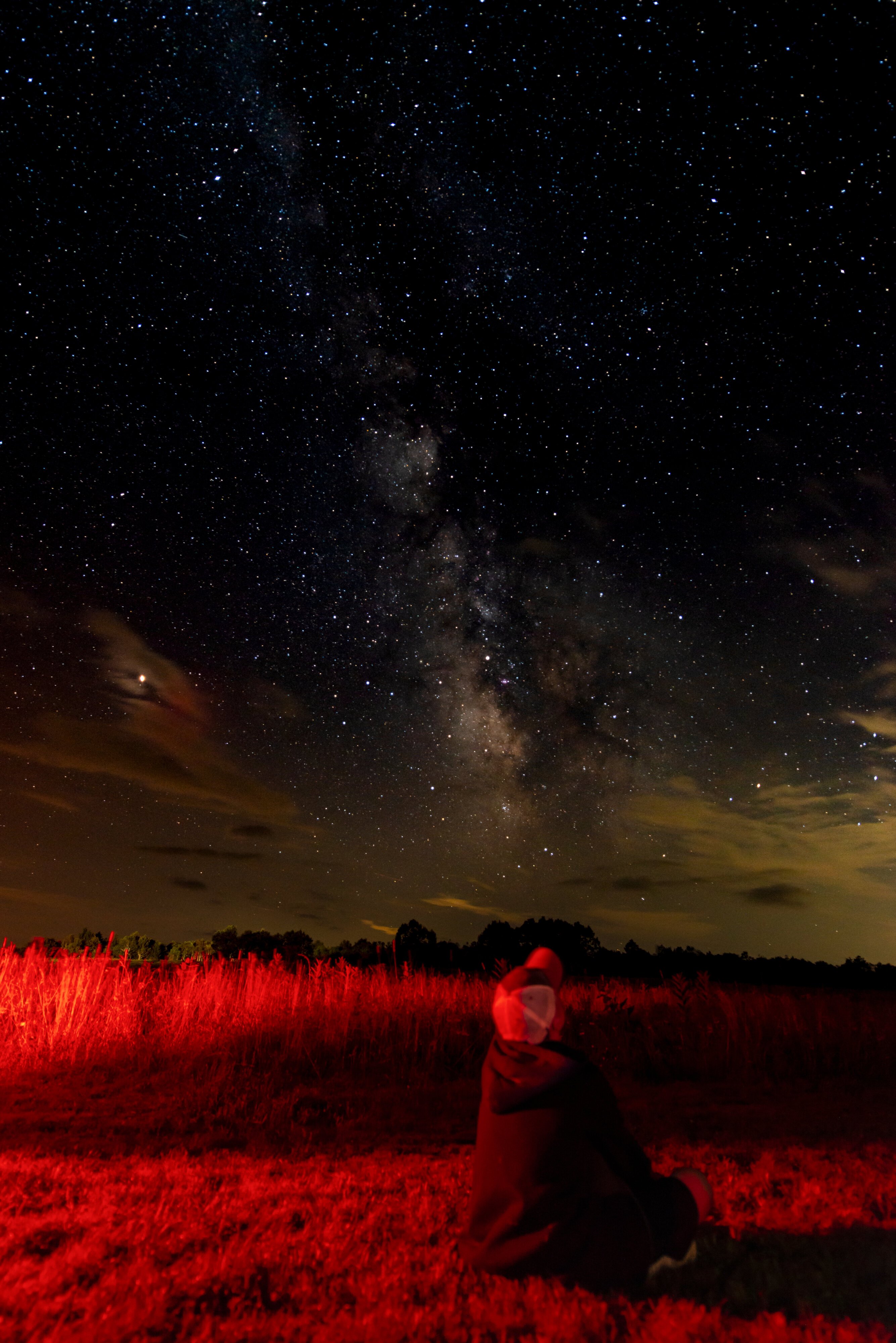
Crowning a peak in the Shenandoah Mountains along Skyline Drive, Big Meadows does indeed have a big meadow—domed by an even bigger sky—where you’ll find a standout view of the planets and constellations. Astronomers occasionally come for talks and bring professional telescopes, but this spot has such a clear view that you can simply bring binoculars.
Stay: Big Meadows Lodge closes for the winter on November 29, but Lydia Mountain Lodge is about 35 minutes away from the stargazing area. There are rooms in the lodge as well as more than 30 private cabins and glamping pods.
Drive time from DC: Two and a half hours
Mount Cuba Astronomical Observatory
Wilmington, Del.
Novices and families can’t beat Mount Cuba in the Brandywine Valley. The property hosts regular telescope viewings with experts and has an onsite planetarium that helps put it all in context. On select Fridays and Mondays, you can make a reservation to check out a working 19th-century telescope, along with a powerful modern one that can pick up dwarf stars. Nearby White Clay Creek State Park holds full-moon hikes led by naturalists.
Stay: The saddle-barn suites at the Inn at Whitewing Farm have fireplaces and seating areas.
Drive time from DC: Two and a half hours
This article appears in the November 2026 issue of Washingtonian.