Home Gyms
These boomed during the pandemic and have maintained their luster.
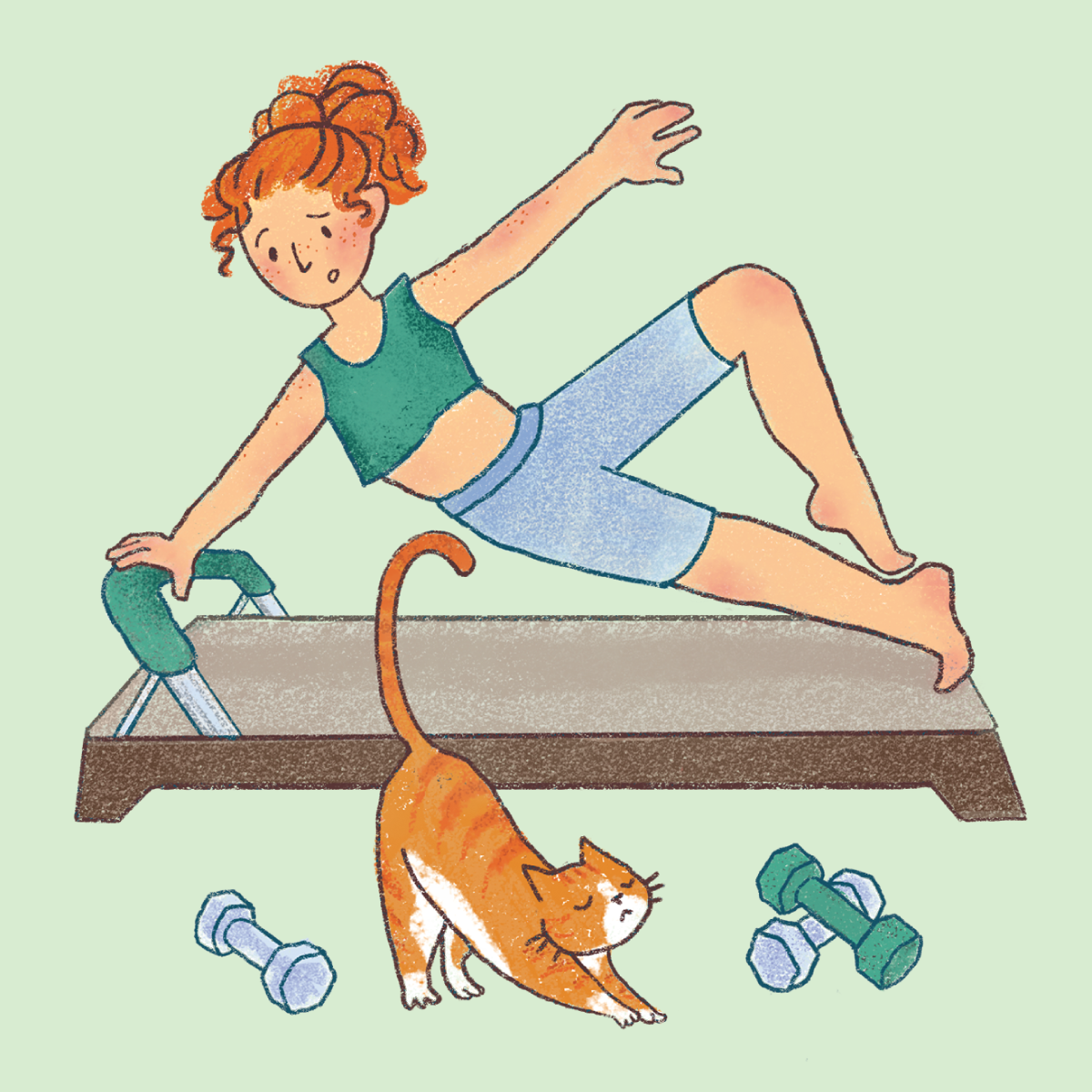
What to know: In addition to long-loved Peloton machines and weights, more specialized equipment, like Pilates reformers, have become staples in some home gyms. Other nice features, says Marnie Oursler of Marnie Custom Homes, include well-placed mirrors, a sound system, and TVs. She also suggests rubber flooring as well as soundproofing—especially if the space is near living or sleeping spaces.
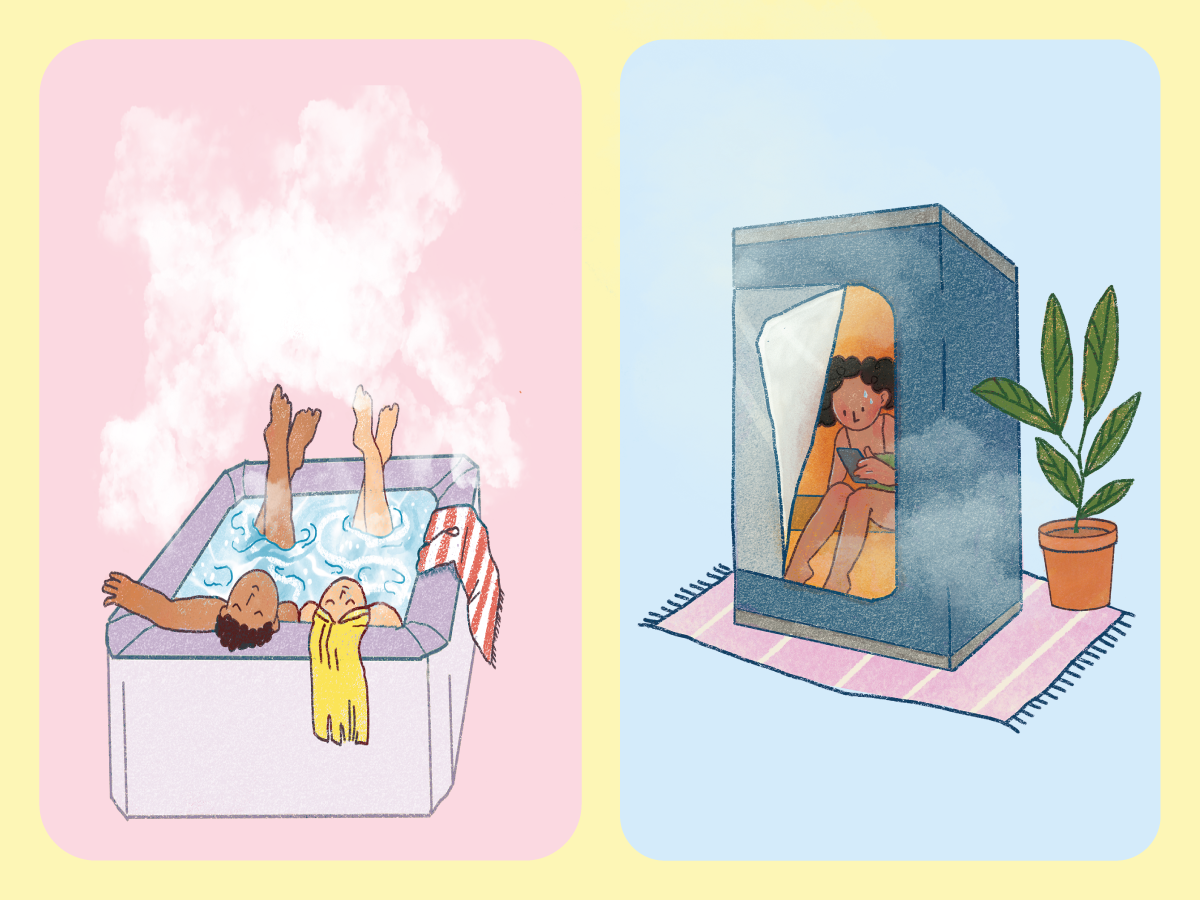
Hot Tubs
Hardly new to the market, hot tubs are experiencing a resurgence.
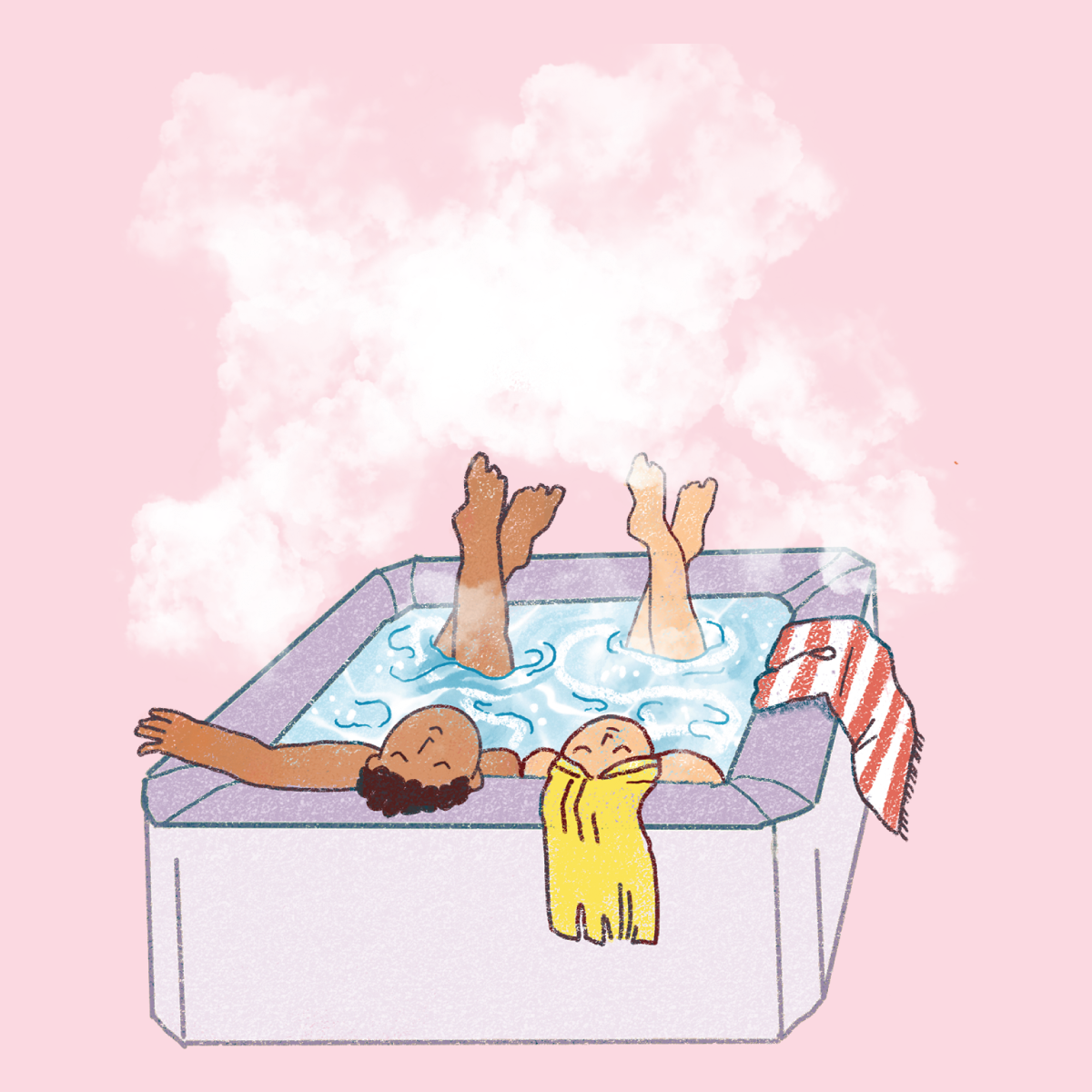
What to know: Self-contained and easy-to-install “off the shelf” hot tubs, says Caroline Ervin of Caroline Ervin Landscape Design, still require electrical work to ensure appropriate power, as well as a firm, level base—often achieved with the installation of a concrete pad. Proximity to the house and ease of getting in and out are keys to usability—Oursler recommends including a grab bar if the unit is recessed. A power-supply cutoff is important for safety regulations, adds Ervin. Though hot tubs are often included in pool designs, standalone versions are built for year-round use. Plus, they can double as a dipping pool when the water temperature is turned down.
Cold Plunges
Having hit a fever pitch on social media in the past few years, this newer wellness feature is among the more niche.
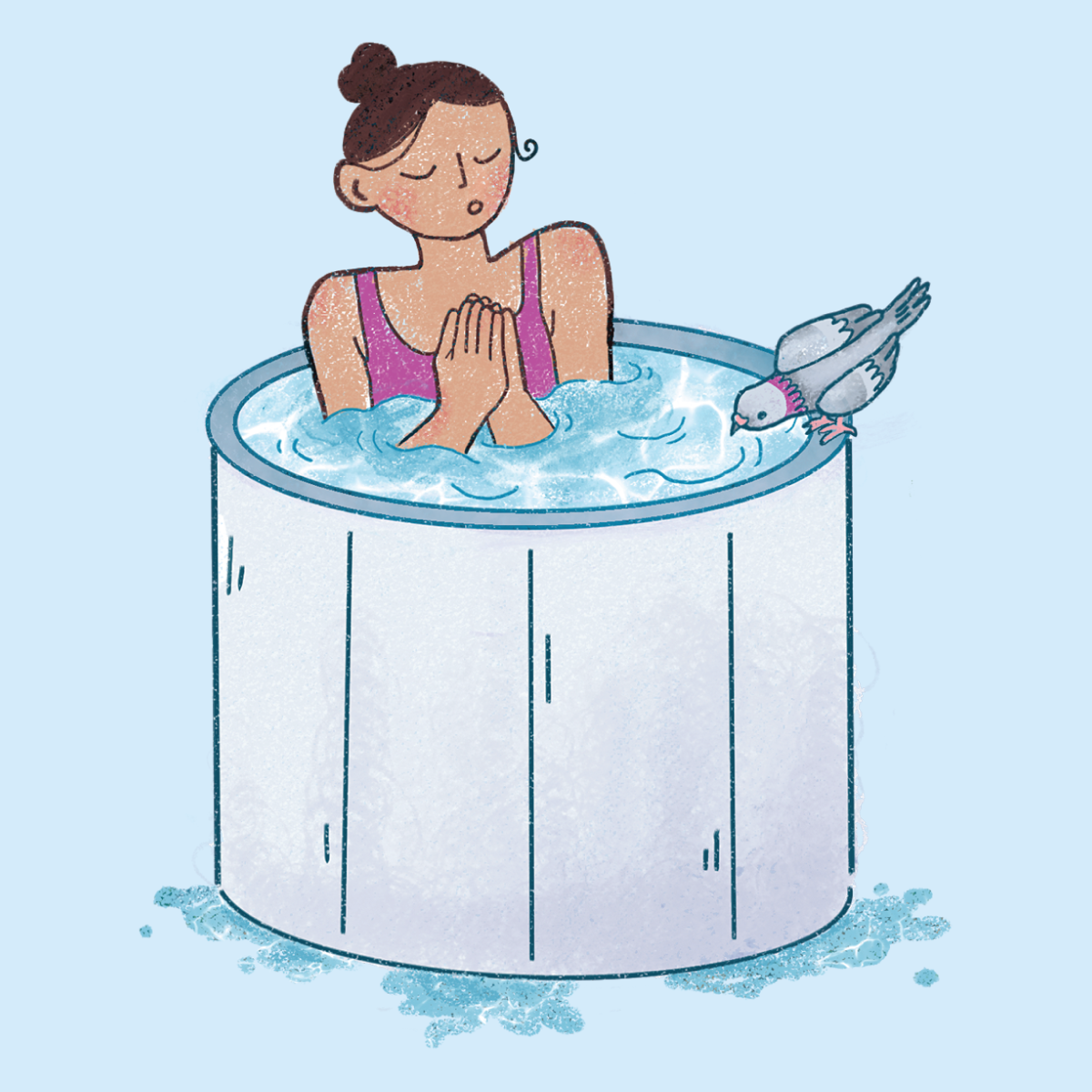
What to know: Cold plunges might not be as low-maintenance as they seem. Like a pool, they require regular cleaning, filtration, and proper water chemistry, says Joseph Richardson of Richardson & Associates Landscape Architecture. He also notes that they become more valuable when paired with a sauna—a popular combination for contrast therapy. And they can be installed indoors. Interior designer Liz Potarazu of LP & Co. Design recently transformed her home’s unfinished lower level into a gym and wellness area, and while she worried that the cold plunge’s novelty would wear off, she has experienced the opposite: She often uses it five times a week.
Outdoor Showers
Longtime staples of beach houses, these started showing up in inland homes with pools, and they’re now trending beyond that. Outdoor showers are great for the whole family after exercise or messy activities; as an opulent extension of a primary bathroom; or simply for showering en plein air or under the stars.
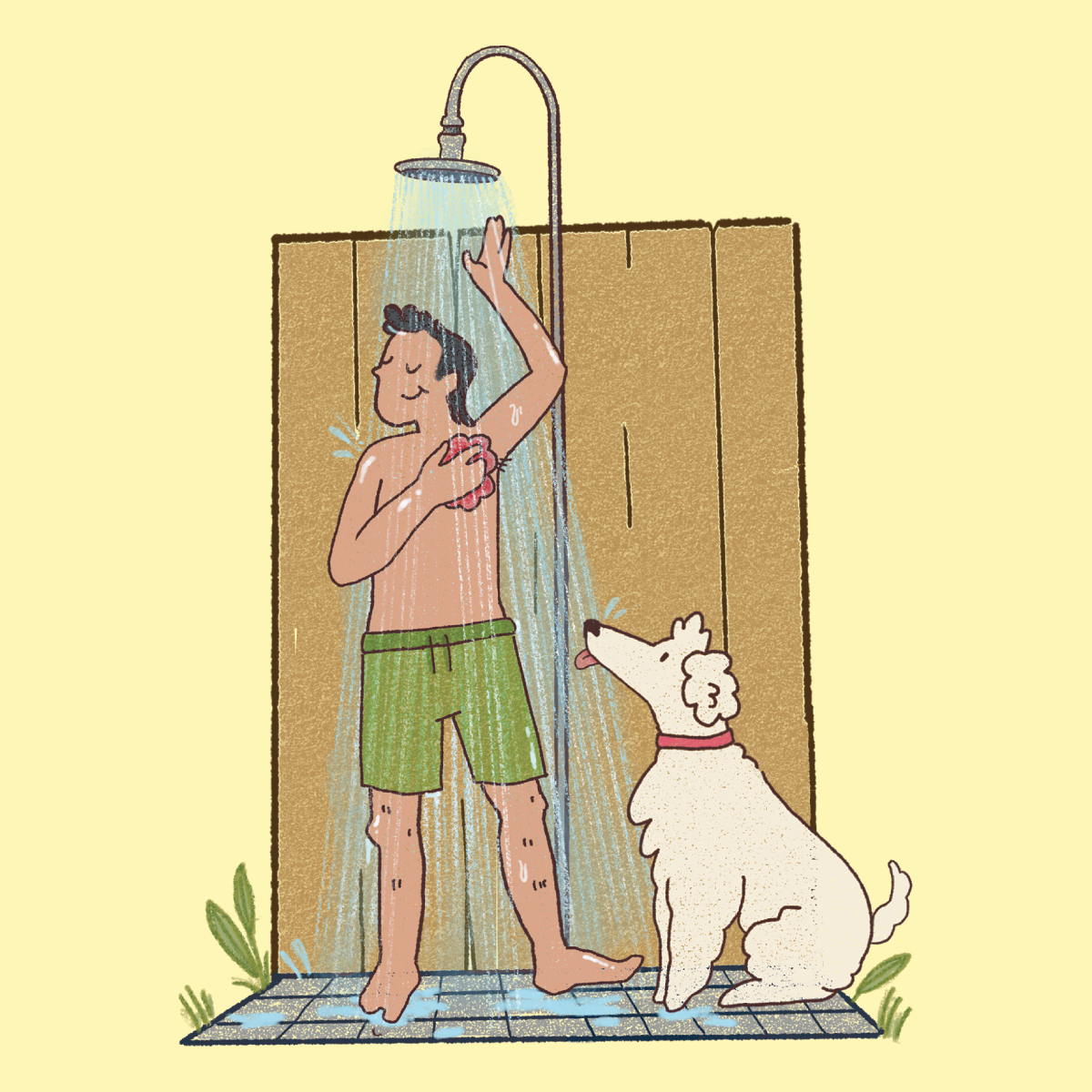
What to know: The most basic options include DIY hose-fed kits (starting around $150), which you can install in under an hour, but custom designs can include a bit more luxury. Exposed plumbing may need to be winterized for the off-months, says Ervin, and all will require some thought about how and where the water will drain. Oursler suggests considering a changing station, shelves for shampoo, and ample hooks. And when thinking about privacy from neighbors, says Ervin, “don’t forget views from overhead!”
Compact Pools
Pint-size pools offer respite from the heat, with a smaller footprint than a traditional pool—plus, they can be heated for extended seasonal use, may include seating, and can include jets allowing users to swim in place.
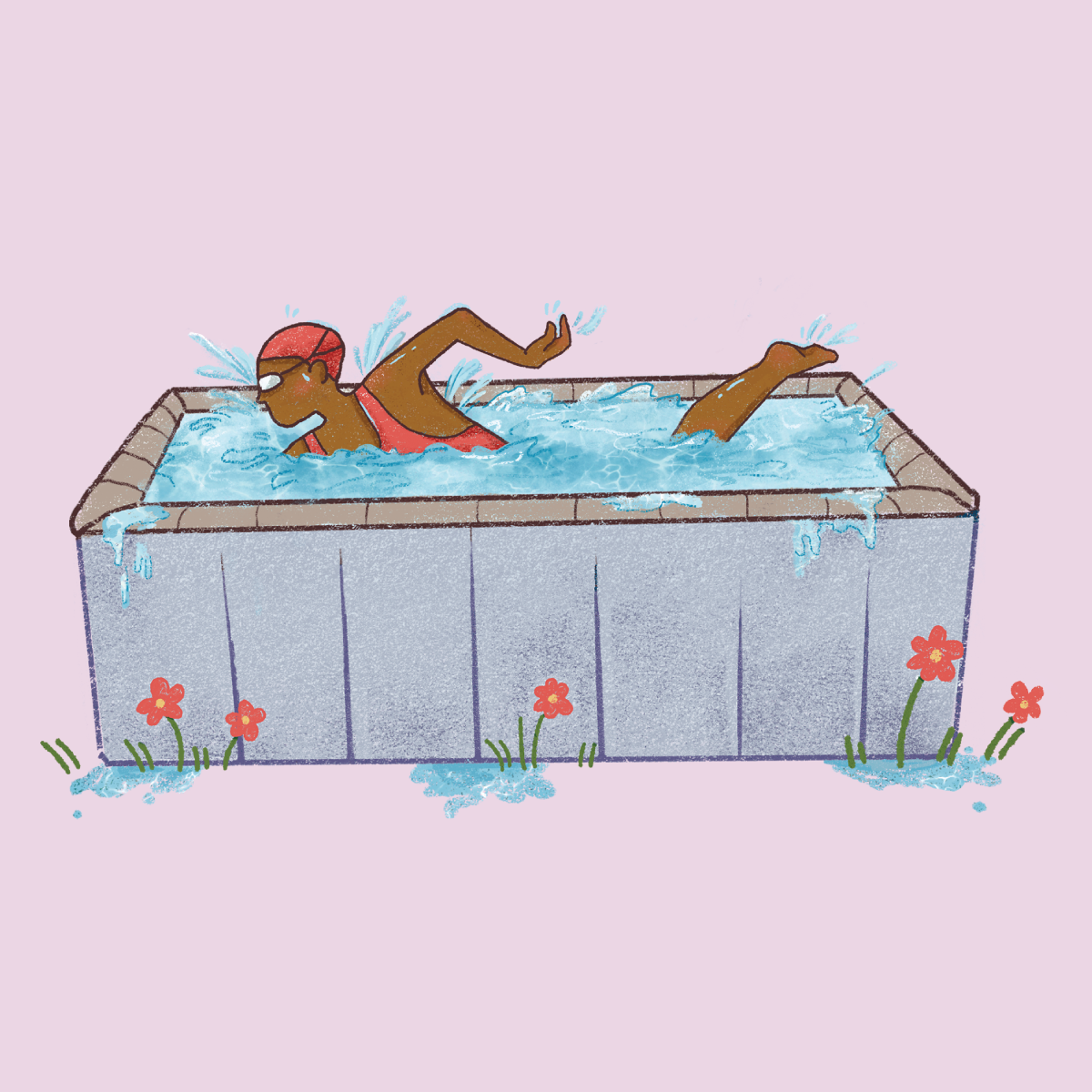
What to know: Variations include plunge pools (also called cocktail pools), swim spas (which usually feature swim-in-place technology), dipping pools, and “spools” (spa/pool combos). Those options can range from simple aboveground units (remember the DIY “stock-tank pools” that boomed a few years ago?) to custom, in-ground styles with concrete surrounds, fire features, landscaping, and lighting. The latter type, says Richardson, can start around $100,000. Whatever you choose, Oursler cautions that the cover you buy is key: Many are so cumbersome that people end up rarely using the pools at all, so automatic styles are ideal. And, she adds, make sure you have easy access to equipment—nets, filters, and such—so the pool is easy to maintain.
Circadian Lighting
Another wellness trend, this style of lighting is meant to boost productivity and sleep health by mimicking the progression of sunlight.

What to know: Circadian lighting systems use dimmers, timers, and varying warmth levels to replicate natural light, and because there are no clouds or other filters, they’re reportedly more effective than the light from windows. While buzzy, these systems aren’t widely prevalent yet. And they’re expensive: manual-switch or smart bulbs are available for about $15 to $60 each, but top-of-the-line, fully automated setups can cost as much as $1,000 per recessed bulb.
Saunas
Touting benefits for muscle, cardiovascular, and joint health as well as relaxation, indoor and outdoor home saunas are becoming increasingly popular.
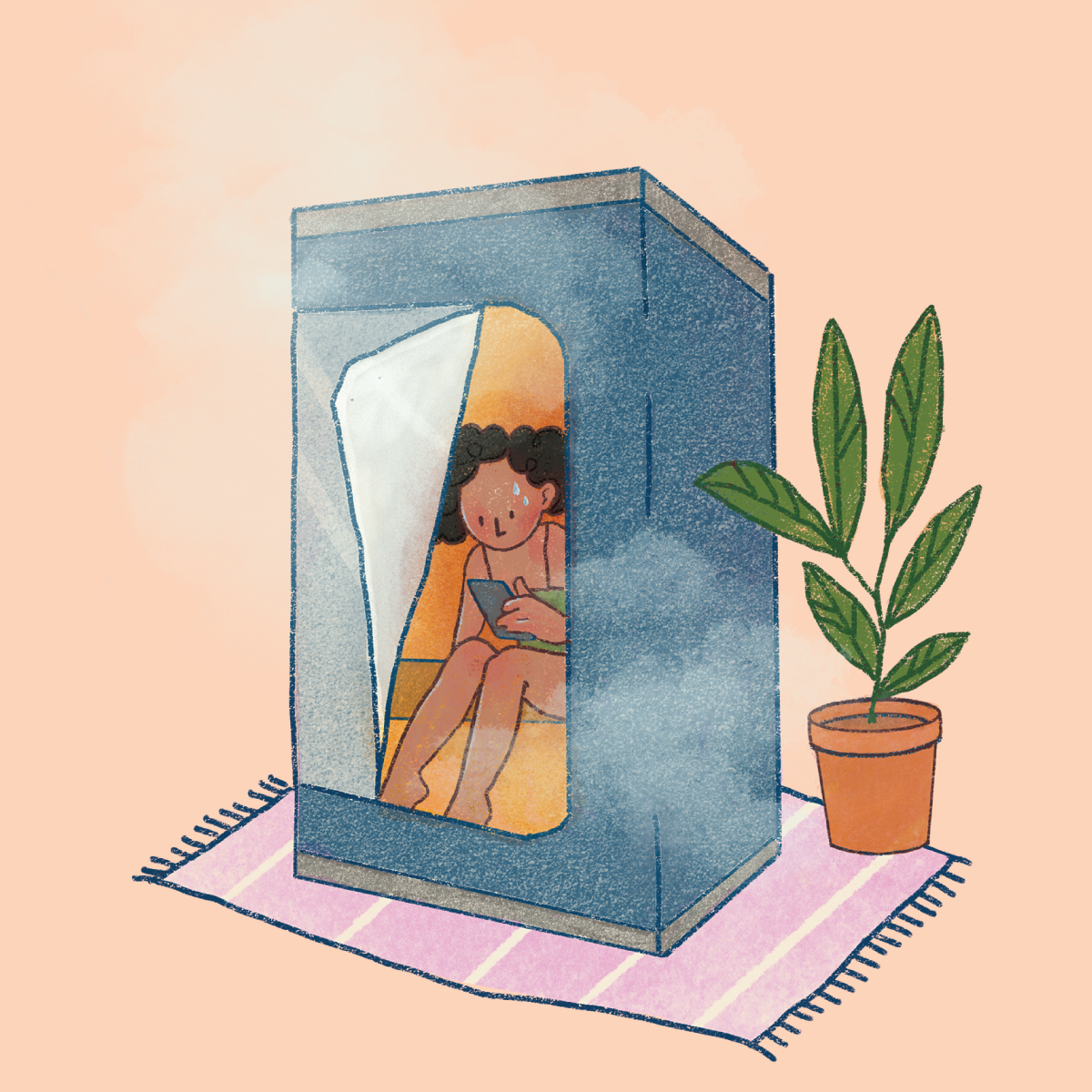
What to know: You can install these inside or out, though Richardson says the outdoor units tend to be more practical and economical. When choosing or designing one, Oursler recommends opting for benches long enough to lie down on; wiring the sauna for music (phones, she notes, overheat within 15 minutes); ensuring the ability to turn them on remotely from your phone (convenient, she says, because saunas can take 30 minutes to heat up); and considering the proximity to (or addition of) a shower, to avoid having to make a long, sweaty trek through the house.
Spa-Like Bathrooms
Many new and updated bathrooms claim to be spa-inspired, but people are continually raising the bar on what that means.
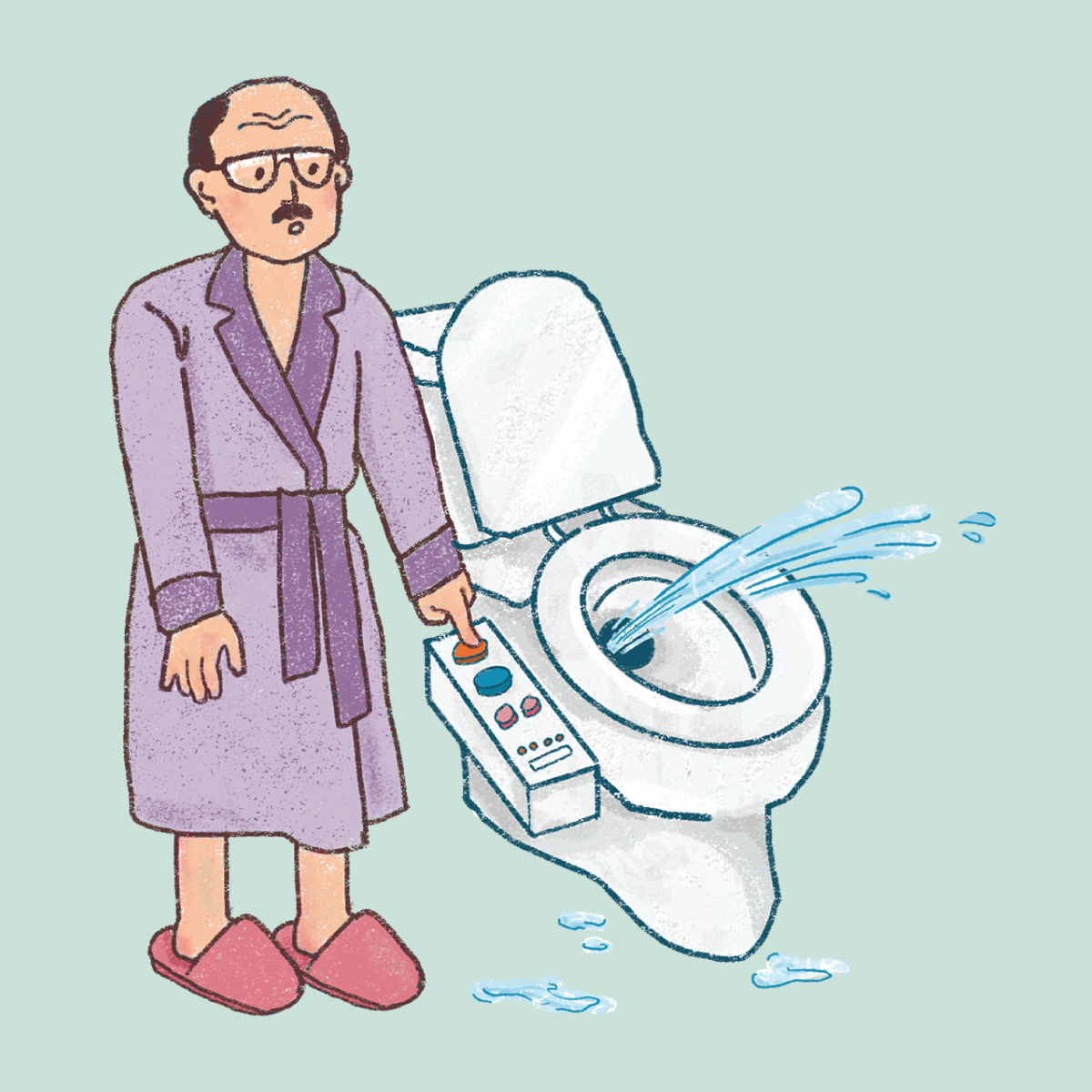
What to know: At a minimum, a spa bathroom these days has heated floors, ambient lighting, and often a bidet. Right now, steam showers—sometimes with aromatherapy—are having their own major moment. Beyond that, there’s growing interest in wellness amenities such as a cold plunge, access to an outdoor shower off a balcony or rooftop, and a sauna. Looking to start small? You can install a basic bidet seat (like the popular Tushy brand) or LED lighting strips for a few hundred dollars plus an hour or two of time.
Home Gyms
These boomed during the pandemic and have maintained their luster.
What to know: In addition to long-loved Peloton machines and weights, more specialized equipment, like Pilates reformers, have become staples in some home gyms. Other nice features, says Marnie Oursler of Marnie Custom Homes, include well-placed mirrors, a sound system, and TVs. She also suggests rubber flooring as well as soundproofing—especially if the space is near living or sleeping spaces.
Hot Tubs
Hardly new to the market, hot tubs are experiencing a resurgence.
What to know: Self-contained and easy-to-install “off the shelf” hot tubs, says Caroline Ervin of Caroline Ervin Landscape Design, still require electrical work to ensure appropriate power, as well as a firm, level base—often achieved with the installation of a concrete pad. Proximity to the house and ease of getting in and out are keys to usability—Oursler recommends including a grab bar if the unit is recessed. A power-supply cutoff is important for safety regulations, adds Ervin. Though hot tubs are often included in pool designs, standalone versions are built for year-round use. Plus, they can double as a dipping pool when the water temperature is turned down.
Cold Plunges
Having hit a fever pitch on social media in the past few years, this newer wellness feature is among the more niche.
What to know: Cold plunges might not be as low-maintenance as they seem. Like a pool, they require regular cleaning, filtration, and proper water chemistry, says Joseph Richardson of Richardson & Associates Landscape Architecture. He also notes that they become more valuable when paired with a sauna—a popular combination for contrast therapy. And they can be installed indoors. Interior designer Liz Potarazu of LP & Co. Design recently transformed her home’s unfinished lower level into a gym and wellness area, and while she worried that the cold plunge’s novelty would wear off, she has experienced the opposite: She often uses it five times a week.
Outdoor Showers
Longtime staples of beach houses, these started showing up in inland homes with pools, and they’re now trending beyond that. Outdoor showers are great for the whole family after exercise or messy activities; as an opulent extension of a primary bathroom; or simply for showering en plein air or under the stars.
What to know: The most basic options include DIY hose-fed kits (starting around $150), which you can install in under an hour, but custom designs can include a bit more luxury. Exposed plumbing may need to be winterized for the off-months, says Ervin, and all will require some thought about how and where the water will drain. Oursler suggests considering a changing station, shelves for shampoo, and ample hooks. And when thinking about privacy from neighbors, says Ervin, “don’t forget views from overhead!”
Compact Pools
Pint-size pools offer respite from the heat, with a smaller footprint than a traditional pool—plus, they can be heated for extended seasonal use, may include seating, and can include jets allowing users to swim in place.
What to know: Variations include plunge pools (also called cocktail pools), swim spas (which usually feature swim-in-place technology), dipping pools, and “spools” (spa/pool combos). Those options can range from simple aboveground units (remember the DIY “stock-tank pools” that boomed a few years ago?) to custom, in-ground styles with concrete surrounds, fire features, landscaping, and lighting. The latter type, says Richardson, can start around $100,000. Whatever you choose, Oursler cautions that the cover you buy is key: Many are so cumbersome that people end up rarely using the pools at all, so automatic styles are ideal. And, she adds, make sure you have easy access to equipment—nets, filters, and such—so the pool is easy to maintain.
Circadian Lighting
Another wellness trend, this style of lighting is meant to boost productivity and sleep health by mimicking the progression of sunlight.
What to know: Circadian lighting systems use dimmers, timers, and varying warmth levels to replicate natural light, and because there are no clouds or other filters, they’re reportedly more effective than the light from windows. While buzzy, these systems aren’t widely prevalent yet. And they’re expensive: manual-switch or smart bulbs are available for about $15 to $60 each, but top-of-the-line, fully automated setups can cost as much as $1,000 per recessed bulb.
Saunas
Touting benefits for muscle, cardiovascular, and joint health as well as relaxation, indoor and outdoor home saunas are becoming increasingly popular.
What to know: You can install these inside or out, though Richardson says the outdoor units tend to be more practical and economical. When choosing or designing one, Oursler recommends opting for benches long enough to lie down on; wiring the sauna for music (phones, she notes, overheat within 15 minutes); ensuring the ability to turn them on remotely from your phone (convenient, she says, because saunas can take 30 minutes to heat up); and considering the proximity to (or addition of) a shower, to avoid having to make a long, sweaty trek through the house.
Spa-Like Bathrooms
Many new and updated bathrooms claim to be spa-inspired, but people are continually raising the bar on what that means.
What to know: At a minimum, a spa bathroom these days has heated floors, ambient lighting, and often a bidet. Right now, steam showers—sometimes with aromatherapy—are having their own major moment. Beyond that, there’s growing interest in wellness amenities such as a cold plunge, access to an outdoor shower off a balcony or rooftop, and a sauna. Looking to start small? You can install a basic bidet seat (like the popular Tushy brand) or LED lighting strips for a few hundred dollars plus an hour or two of time.
This article appears in the August 2026 issue of Washingtonian.

Amy leads Washingtonian Weddings and writes Style Setters for Washingtonian. Prior to joining Washingtonian in March 2016, she was the editor of Capitol File magazine in DC and before that, editor of What’s Up? Weddings in Annapolis.