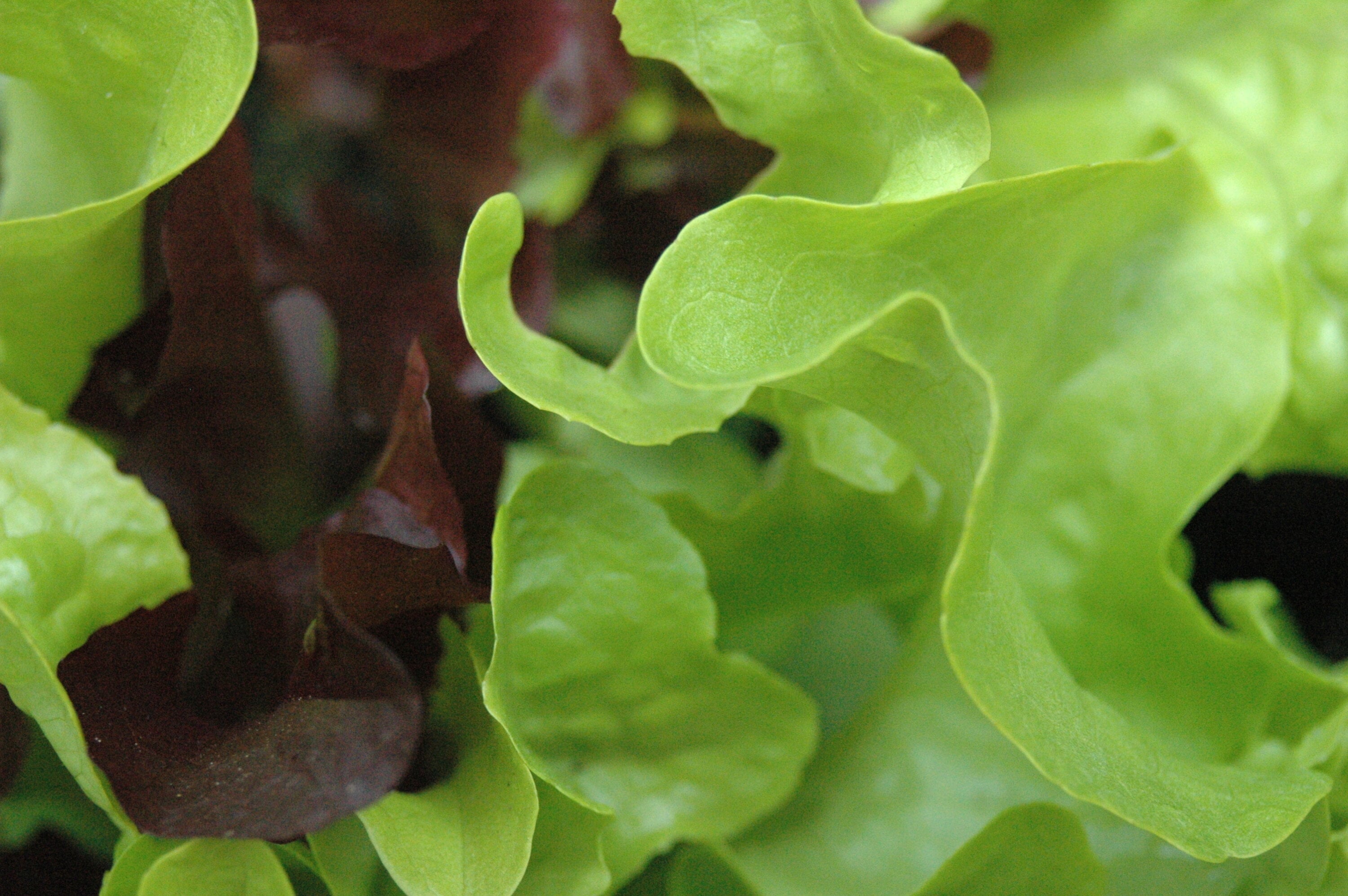
It seemed the recent cyclosporiasis saga was coming to an end when the FDA announced that shredded lettuce from Taylor Farms de Mexico had tested positive for the parasite on Saturday. The company issued a recall for iceberg lettuce coming from central Mexico between June 29 and July 16, and removed the product from stores, including those in Maryland and Virginia. However, just a day later, the FDA reversed course, saying the test was a false positive. So, for now, the source remains unknown and anxiety around cyclosporiasis, an intestinal infection caused by the parasite cyclospora, continues.
As of this article’s publication, the CDC reports cases in 34 states. Though instances are being reported in DC, Maryland, and Virginia, they are not part of the five-state outbreak believed to come from shredded iceberg lettuce. (In general, the summer months typically see an increase in cyclosporiasis.) Finding the source has been a challenge: The CDC’s Foodborne Diseases Active Surveillance Network (FoodNet) previously tracked cyclospora, but the number of pathogens monitored by the program dropped from eight to two last year. Among the cuts? Cyclospora.
Amanda Joy, a physician assistant and associate medical director of urgent care at MedStar Health, says there’s been a definite increase in patients coming in with anxiety about their bowel movements. She notes that most cases of viral diarrhea clear up within three days, so once patients cross that three-day threshold, that’s when she starts having concerns, especially if someone has recently been outside the country.
“The vast majority of cases that we have seen that are positive came from international travel, and a smaller percentage were being investigated by the Department of Health to find the source,” says Joy. “But international travel is still amongst the highest risk, particularly of what we’re seeing in this area.”
Symptoms typically kick in within two to 14 days of ingesting cyclospora. As for differentiating between “normal” diarrhea versus cyclosporiasis, a sense of urgency—the immediate need to evacuate bowels with basically no notice—is an indicator.
“The ‘explosive diarrhea’ label is always a good headline grabber, but I don’t know that it’s necessarily totally fair,” says Brandon Eilertson, an infectious-disease doctor at Kaiser Permanente. “I think most people will not have explosive diarrhea, but any kind of diarrhea is unpleasant.”
Contracting the parasite isn’t fun for anyone, but some populations have a higher risk of hospitalization, mainly related to dehydration. High-risk groups include people with a weakened immune system, including those who have received a stem-cell transplant or chemotherapy and people on either end of the age spectrum. Joy notes that most people will not need treatment; the parasite will work its way through their body. But for those who are immunocompromised, an antibiotic is available.
While international travel is the likely culprit in the DC region, food has been a concern for many. The intestinal illness does not spread from person to person but through ingestion. According to Eilertson, if produce is grown locally—or even just domestically—there’s a lower chance you’ll contract the parasite. As a result, the outbreak has put a spotlight on local food systems.
Farmers markets fall under that umbrella. According to FreshFarm executive director Cat Oakar, there hasn’t been a major shift in buying habits — though farmers have noticed an increase in questions. At the market, customers can ask producers about their growing practices, from irrigation to food safety, and make decisions based on that information.
“The person selling you your food is often the same person who planted it, harvested it, and packed it. There is tremendous amount of accountability,” says Oakar. “They have vested interest not only from a business perspective, but they’re eating the food and feeding it to their families themselves as well.”
Of course, what you buy also matters. Eilertson’s rule? “More crevices, more trouble.” A craggy raspberry is going to be harder to clean than a smooth blueberry, and crinkly kale has more places to hide than its smooth leaf counterpart.
Preparation also plays a role in avoiding cyclospora. Pastry chef Paola Velez has firsthand experience with cyclosporiasis: She was hospitalized as a child in the Dominican Republic after contracting the parasite.
“If you’ve had food poisoning or you suffer from IBS, think about that, but the intensity is like Zeus striking you with lightning,” Velez says.
The experience compelled her to start posting food-safety tips and best practices on Instagram and TikTok. Her recommendations draw on 20 years of food-safety training. Focus on cooked foods, such as summer fruits transformed into jam or vegetables blanched at 160 degrees for at least a minute. Clean your tools and cutting boards in hot soapy water to avoid cross-contamination and consider a light bleach solution. Velez has found herself turning to dishes from the Dominican Republic, where much of the cuisine is stewed for this exact reason.
Joy, the physician assistant, also emphasizes the importance of how you cook over what you cook. “You can purchase the things you would normally purchase,” she says. “You just need to be extra cautious about preparing them.”

Daniella Byck joined Washingtonian in 2022. She was previously with Outside Magazine and lives in Takoma.