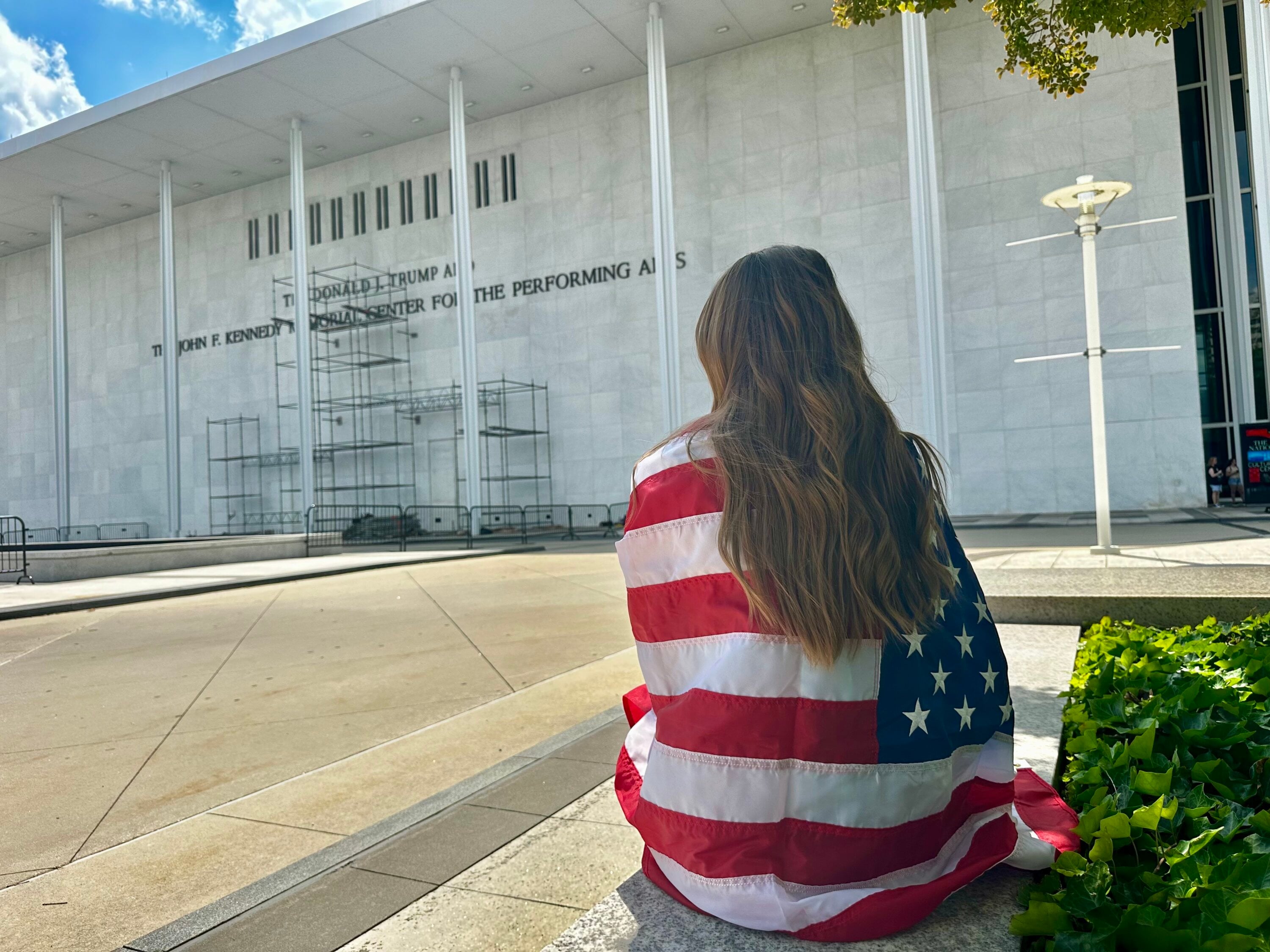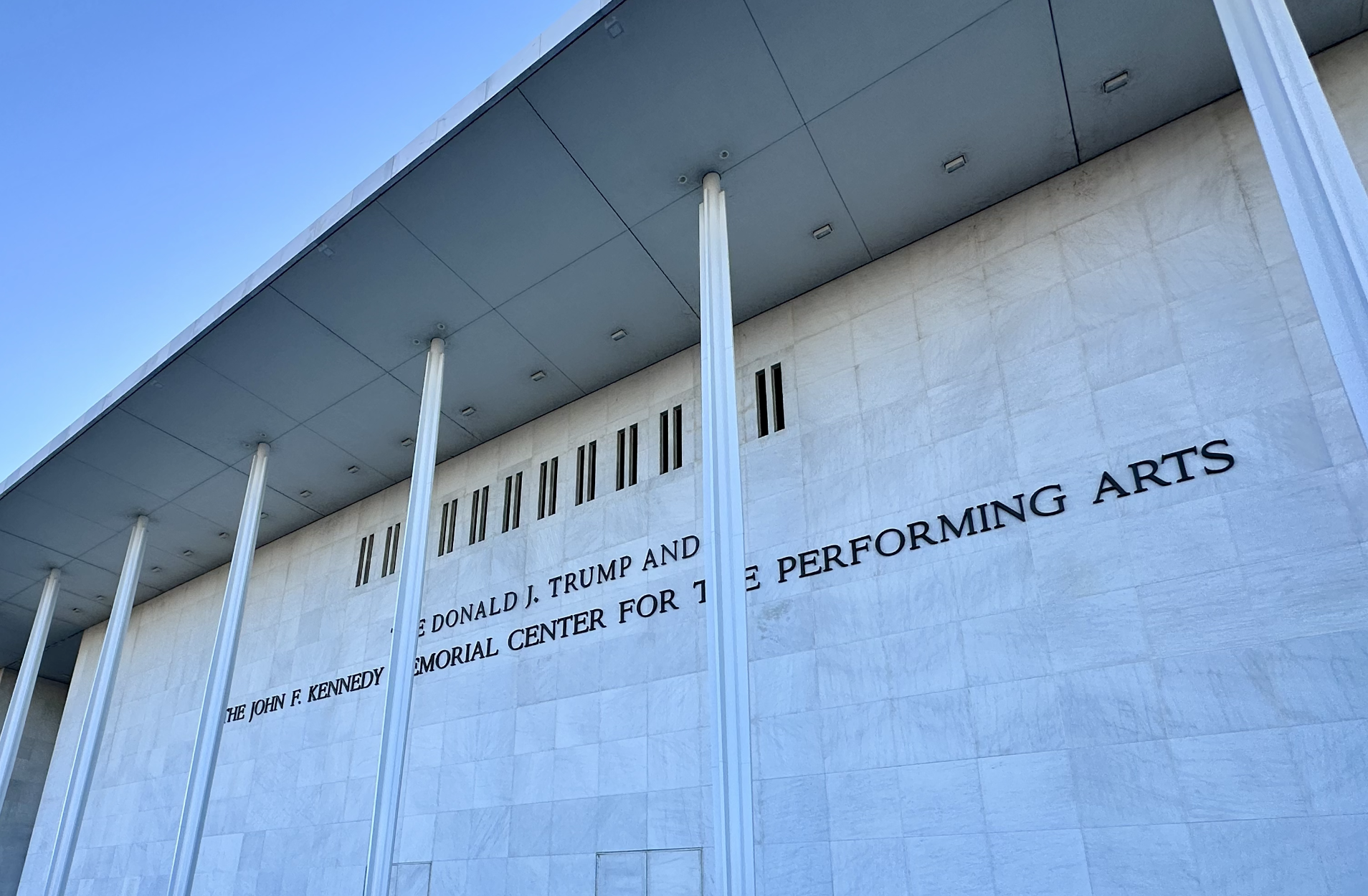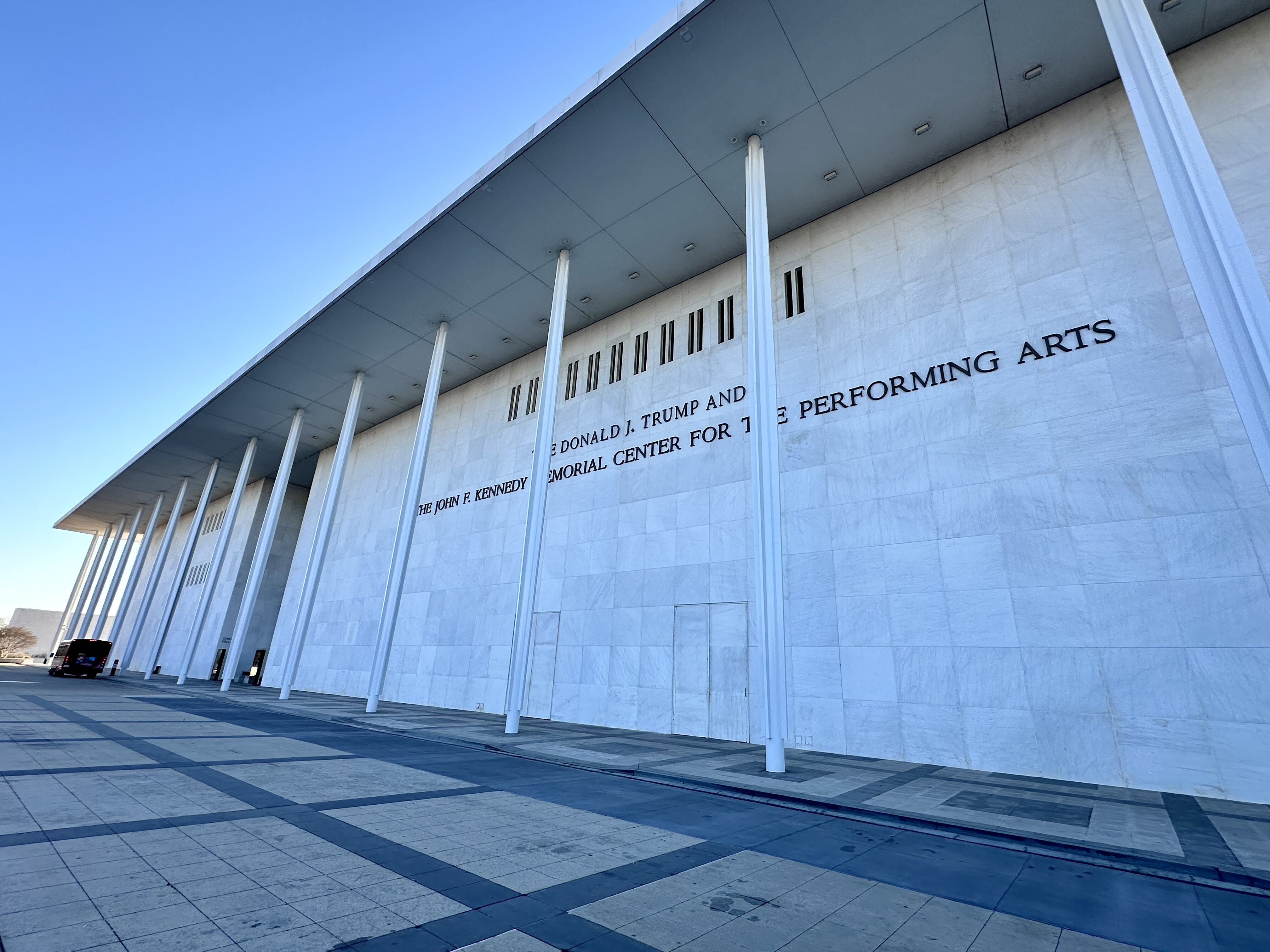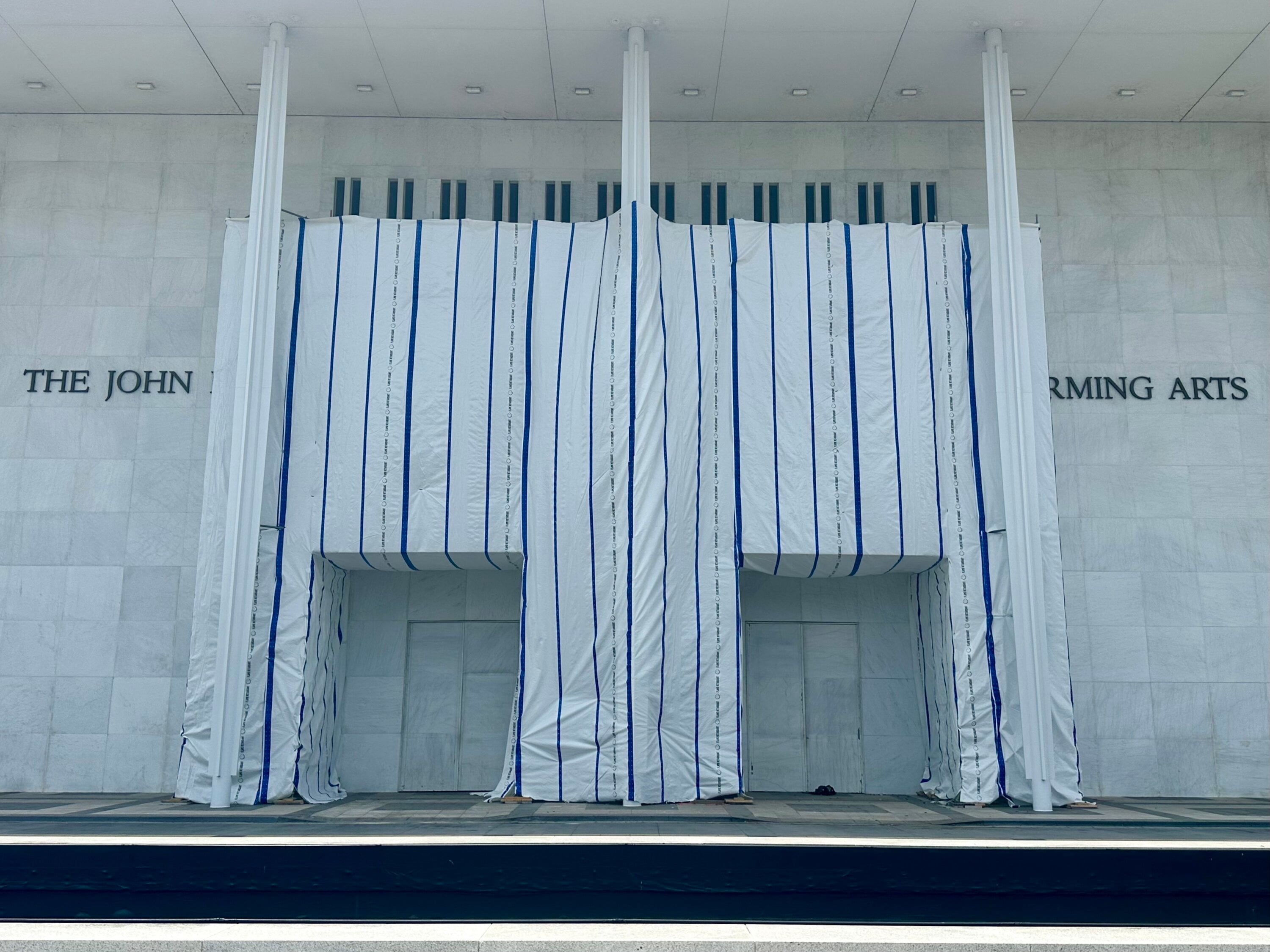
On Friday, in a joint status report filed to the DC District Court, lawyers for the Department of Justice indicated that there will be no arts programming offered at the Kennedy Center for the time being. According to the filing, the Kennedy Center’s board plans to meet in mid-July, at which time members will review several options for renovating the building, one of which is a full closure while renovations occur. In the filing, the Department of Justice attested that “Center management has not yet taken any affirmative steps related to programming or staffing,” and that they won’t be making decisions on those issues until after the planned board meeting.
The Kennedy Center’s board first voted to authorize a two-year closure in March, but last month, US District judge Christopher Cooper blocked the board from moving forward with the closure. His order requires the Kennedy Center to remain open, at least for now, and to continue to offer arts programming to the public. In an additional order, on June 16, Cooper required the Kennedy Center to document its efforts at compliance. He specified that the Kennedy Center must provide “plans for public access and ongoing programming, activities, and operations after July 5, 2026.”
In response, attorneys for the Department of Justice attested on Friday that the Kennedy Center will maintain its current operations, which include “continued public access to the Center’s public spaces and to the living memorial for President Kennedy.” DOJ also claimed that the court’s order “did not affirmatively require the Board to reschedule programming that had previously been cancelled or to seek new programming.” The Justice Department requested to wait until after the mid-July board meeting to update the court on its plans, but affirmed that the Kennedy Center is not currently taking steps to schedule performances or hire programming staff.
The Justice Department’s position “appears to be clearly in defiance of the court’s order,” says Nathaniel Zelinsky, an attorney for Ohio Congresswoman Joyce Beatty, the plaintiff in this lawsuit against the Kennedy Center. (An ex officio board member, Beatty has sued to remove Trump’s name from the Kennedy Center and to stop the planned closure.) “The court required the Kennedy Center to remain open,” Zelinsky says. “But in order to remain open and operational, they have to book meaningful programming.” He added that, “a party in front of the court, particularly the United States government, can’t just ignore what a court says.” The Kennedy Center did not immediately respond to a request for comment.
In Friday’s joint filing, Beatty’s legal team requested that the court require the Kennedy Center to immediately begin booking programming and document its efforts to do so weekly. Beatty’s team writes that “by refusing to take any steps to maintain the Center’s operations,” administrators will “effectively close the Center as a performing arts venue come July 5, 2026—contrary to the Court’s preliminary injunction order.”
In his May 29 opinion, Cooper left the door open for the Kennedy Center to close in the future—but only if the board were to arrive at that decision after conducting a more thorough review of the costs and benefits. The board has not yet taken such a vote. In addition, the judge prohibited the Kennedy Center from taking any further steps towards closing unless the court modifies or dissolves its preliminary injunction. That preliminary injunction still stands.