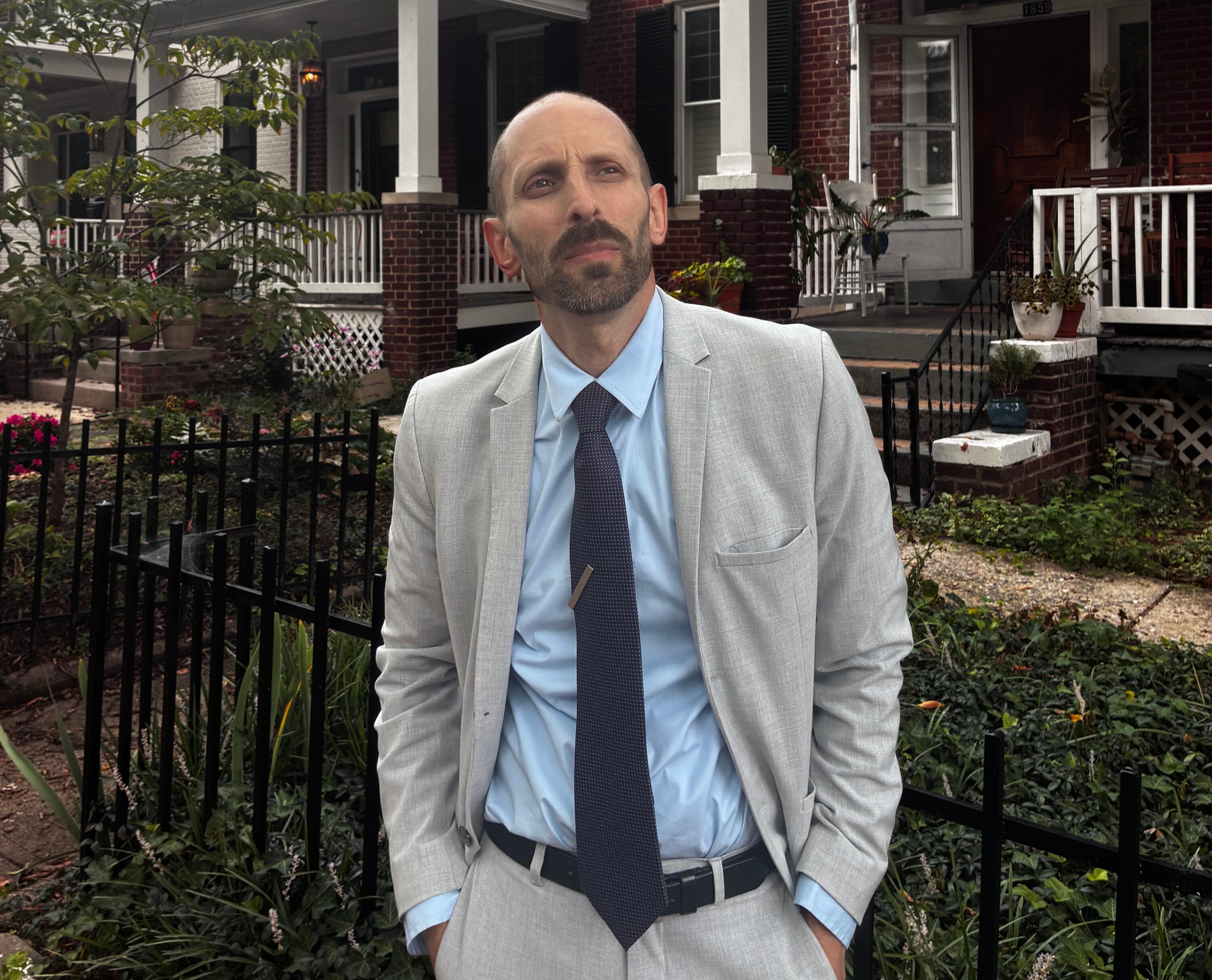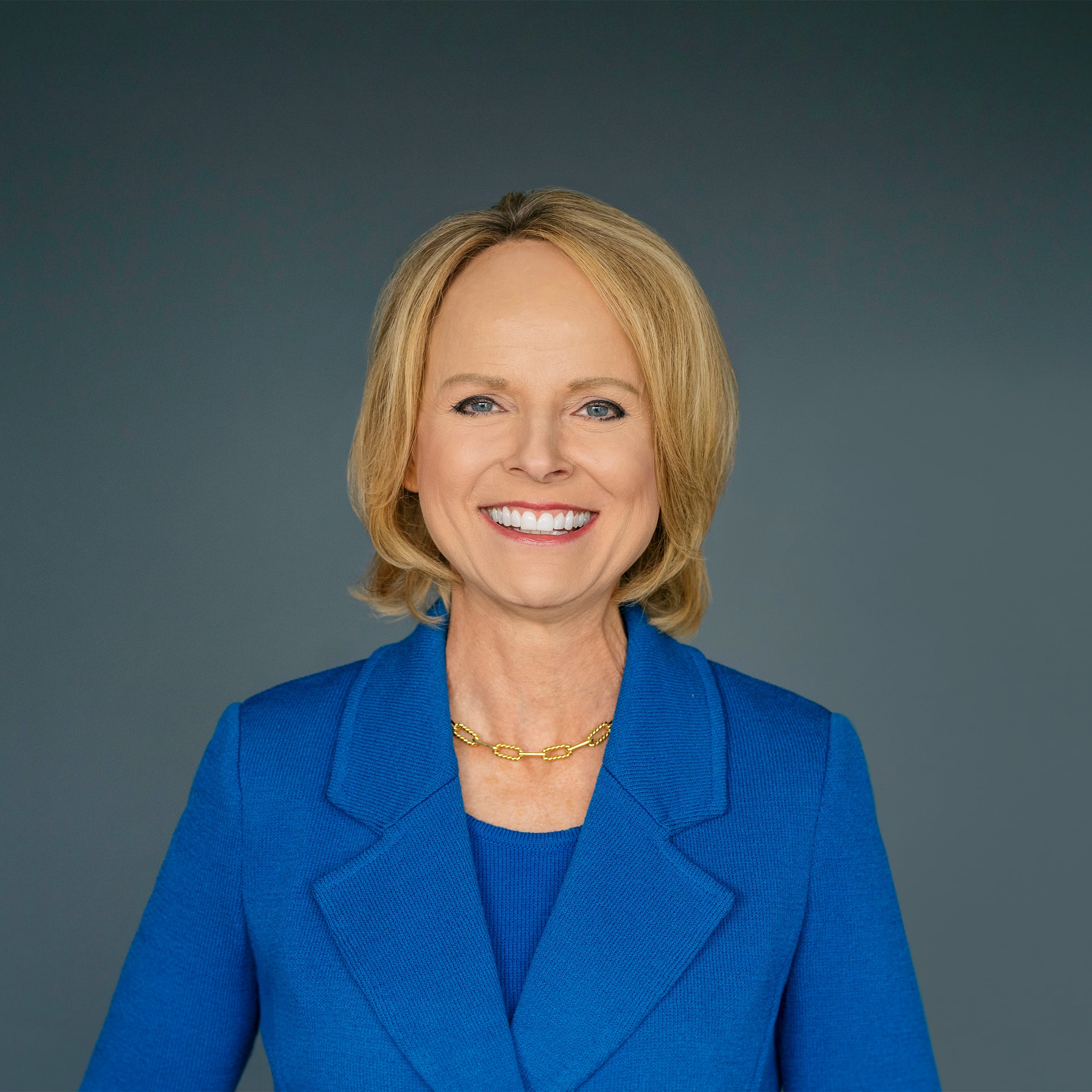
When Jennifer Sirangelo was a college senior, she spent her spring break building houses in Guatemala with Habitat for Humanity. Until that trip, she hadn’t realized it was possible to make a career out of service work. “I decided that’s what I wanted to do,” she recalls, “and that’s all I ever did.” Her first job out of school was at a homeless shelter. She later worked for Boys & Girls Clubs of America, then spent more than 15 years at the National 4-H Council, which she led until 2023.
These days, the Bethesda-based Sirangelo is president and CEO of Points of Light, a nonprofit created by President George H.W. Bush in 1990 to promote volunteerism across the country. She thinks that mission is more important now than ever. Six in ten US adults say societal division is a major stressor in their lives, according to a recent American Psychological Association poll, and more than half report feeling socially isolated most of the time. If you ask Sirangelo, community service is the cure for this national sickness.
That’s why Points of Light’s new Reimagining Service 2035 initiative aims to double volunteerism across the country over the next decade. Volunteering “changes the people who serve,” she says. “It uplifts communities where needs are getting met, and when we serve alongside people who are different than us, it helps build connection.”
Data from AmeriCorps finds that fewer than 30 percent of Americans participate in community service, but Points of Light research finds that many more say they want to start. Commonly cited obstacles—lack of time, unpredictable schedules, burnout—both hinder would-be volunteers and put nonprofits in a tough spot, because more than half of those groups say they rely on volunteers to carry out essential tasks.
Those challenges will be on the agenda during Points of Light’s annual conference, which will be held in DC this year (June 22 to 25 at the Washington Hilton). The goal is to highlight service as a priority for the country’s future, but also to convince people to just give it a try. “Maybe we can’t affect what’s on the news tonight,” Sirangelo says, but perhaps we can start with “I can change things in my neighborhood.”
This article appears in the June 2026 issue of Washingtonian.