As an electronic music promoter, Nayef Issa has seen the way cell phones have become a fixture of dance floors. But at his new Union Market dance club Tigres de la Noche, he’s hoping to make the audience feel more present with a no-phones policy. Everyone must stow away their devices in magnetically locked Yondr pouches, which allow people to carry their phones with them but not look at them.
“You’re coming in here understanding that you’re here to enjoy the DJ, enjoy the journey the DJ’s going to push you through with the music, and not be distracted by phones and pictures, etc.,” Issa says.
Tigres de la Noche is the latest in a nascent phone-free movement. Last year, chef Rock Harper debuted Hush Harbor, DC’s first completely phone-free bar. (It’s since closed its H Street location and is operating as a pop-up until it finds a new home.) Meanwhile, a phone-free cocktail bar recently opened in Charlotte, and even Chick-Fil-A recently introduced a promotion at one of its Maryland locations where customers got a free ice cream for locking their phones away during their meal.
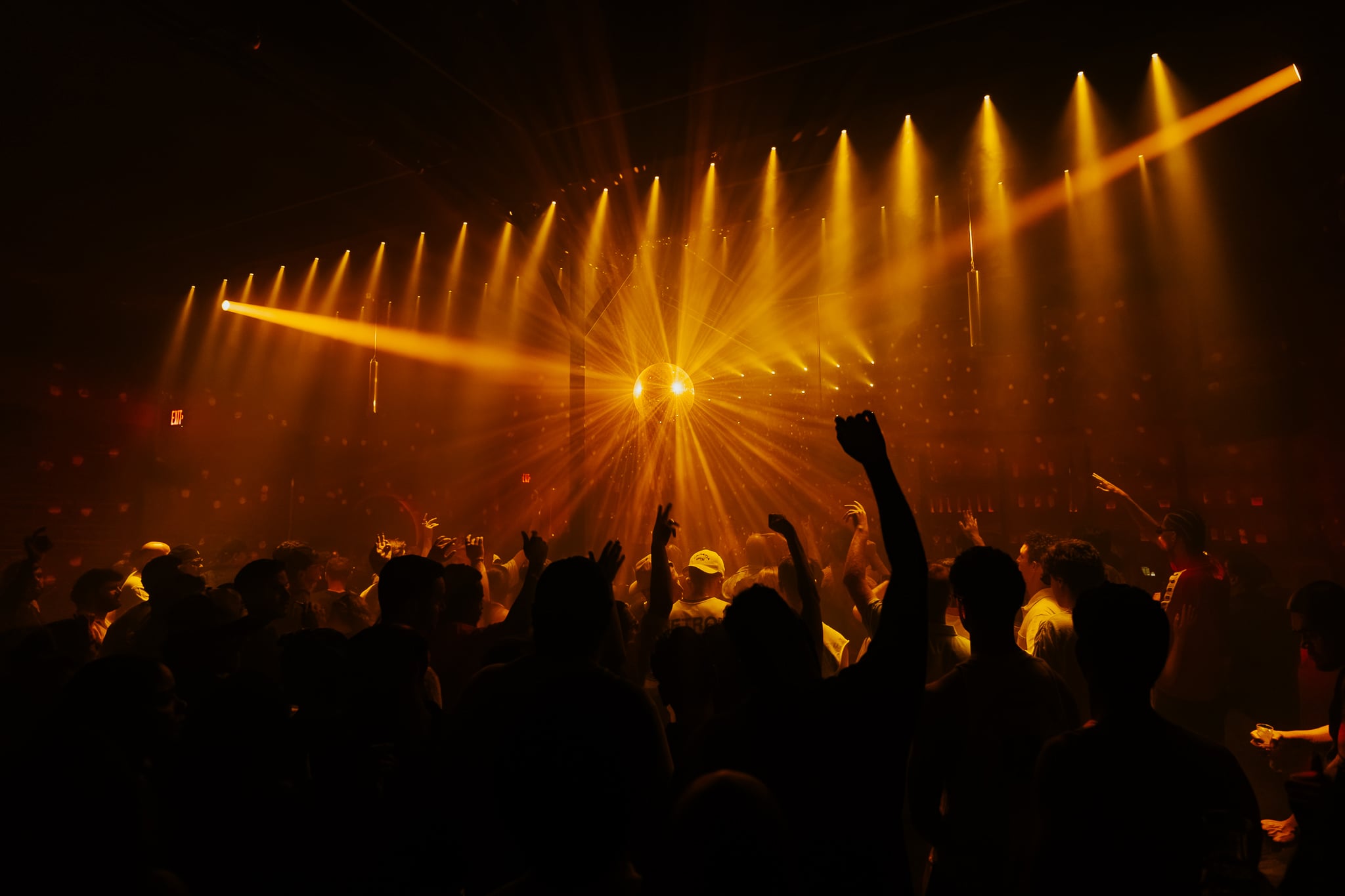
Issa also operates Lebanese-Mexican restaurant Vera in Ivy City and next-door event space Culture—which both host DJs—as well as Union Market art and music venue A.i. Warehouse. He says Vera in particular has more of a “be seen” vibe, with people regularly taking photos and videos on their phones. With Tigres de la Noche, he wanted to create an alternative space for those who wanted to get lost in the music without the technological distractions.
In a way it’s a return to his roots. In 2014, Issa started promoting electronic dance music under the banner Nü Androids at Flash nightclub in Shaw, which has a no-phone policy on its dance floor. But Flash doesn’t have a system to ensure people actually stow away their phones, and Issa says he was drawn to Yondr after seeing Dave Chappelle and other artists use it at their shows.
Tigres de la Noche is a relatively small venue with a maximum capacity of 230 people, including a small patio. The focus is on house music from up-and-coming talent, including artists touring from all over the world. Issa says he’s always had an affinity for tigers, hence the name Tigres de la Noche. The motif is present in the restrooms, which feature depictions of the animal from different civilizations.
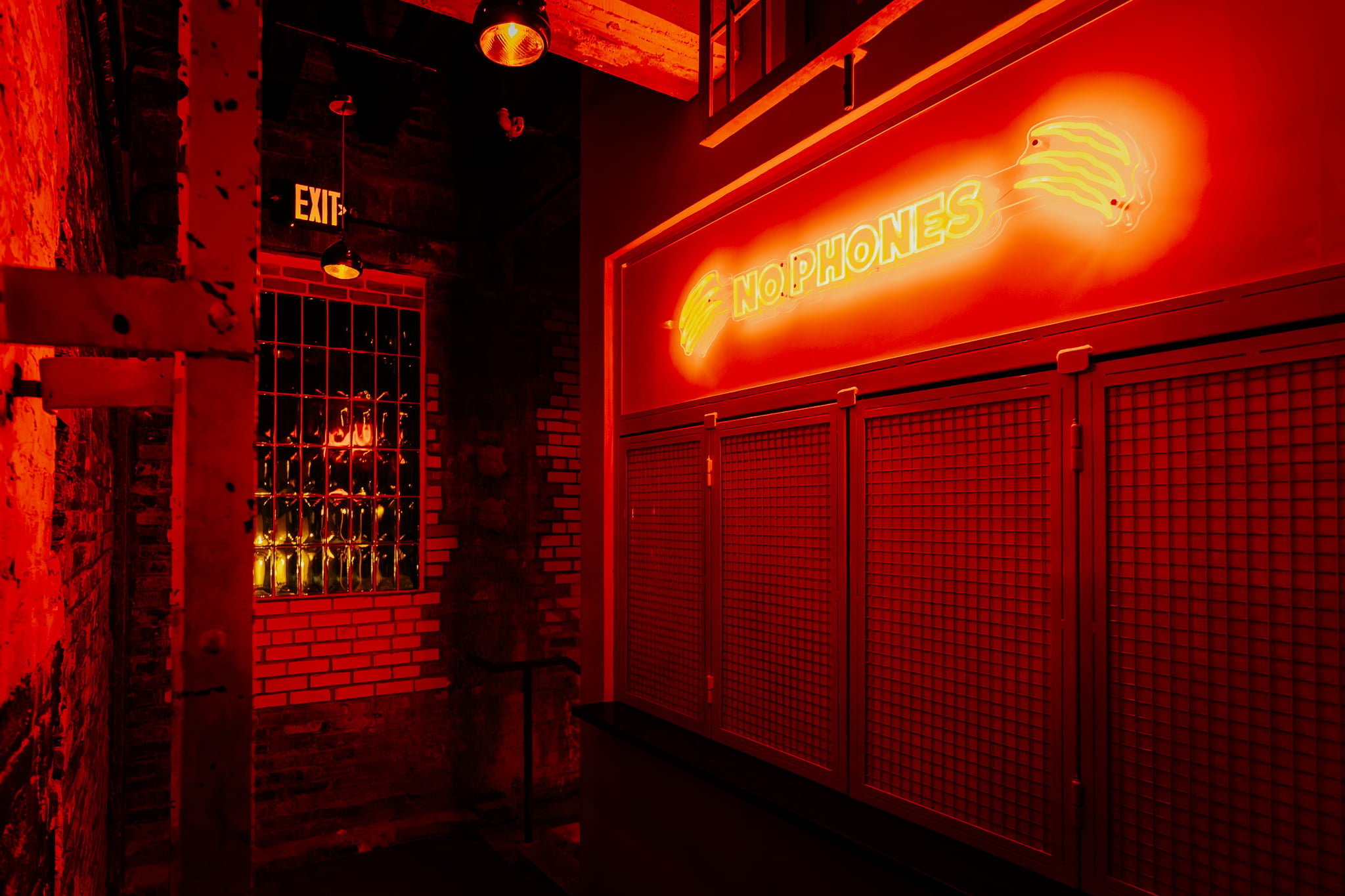
Since debuting about a month ago, Issa says the response to the no-phone policy has been overwhelmingly positive with only five to ten people who “left thinking this just wasn’t for them.” He says it’s also been a big hit with the venue’s artists: “The DJs so far have experienced the energy of the room, saying that it’s just such a totally different vibe with people not being on their phones, recording, etc.”
Beyond trying to change the dance club experience, Issa says one of his big goals is to get people to recognize DC as cool on its own, without comparing it to other cities.
“Anytime we do something cool or fun or creative or forward-thinking, it’s always like, ‘Oh, I feel like I’m in New York. I feel like I’m in Tulum. I feel like I’m in Miami,'” Issa says. “At what point is it going to be you feel like you’re in DC? Because we are doing some cool stuff here. Stop saying you feel like you’re somewhere else.”

Jessica Sidman covers the people and trends behind DC’s food and drink scene. Before joining Washingtonian in July 2016, she was Food Editor and Young & Hungry columnist at Washington City Paper. She is a Colorado native and University of Pennsylvania grad.