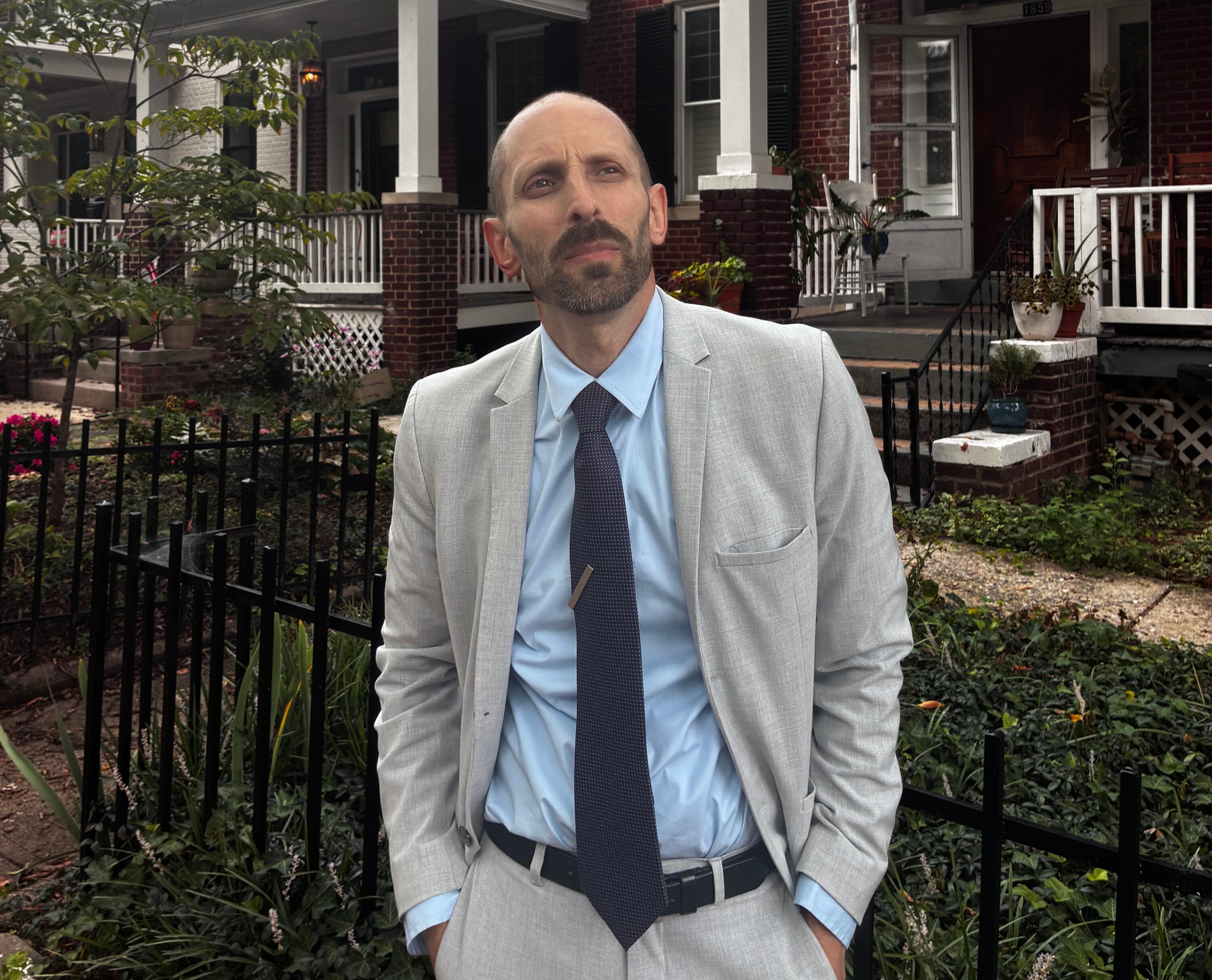
You probably don’t have a Rothko stashed in your basement, but there still might be museum-worthy treasure hidden in those bins. That’s why Jonathan Edelman, the Capital Jewish Museum’s collections curator, recently hosted an event called “We Want Your Stuff,” in which locals were invited to share their family histories and show him photos of artifacts that could be right for the museum.
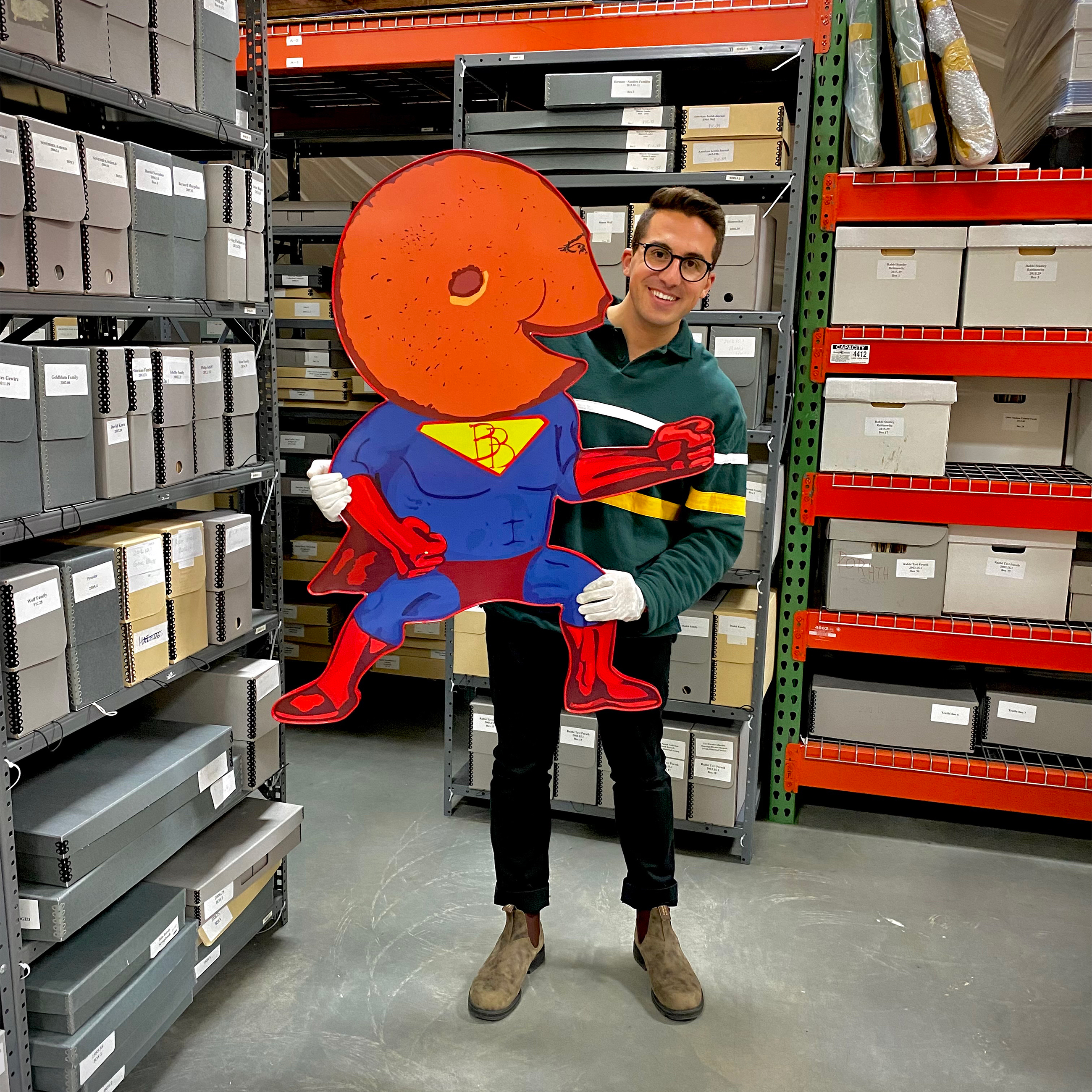
Edelman is always on the hunt for notable items—he salvaged the sign from Bethesda Bagels when it shuttered its Dupont location, for example. But he’s also eager to acquire less flashy things: photos, documents, and smaller artifacts, whether they’re historically significant or (as is mostly the case) just kind of interesting. If you’re a Jewish Washingtonian with some history in the area and a closet full of memories, Edelman wants to hear from you. “People think their ordinary stuff doesn’t matter to a museum,” he said during the event. “I tell people, ‘Show me everything!’ ”
At the museum, Edelman did 15-minute sessions with a series of potential donors. One woman brought in a sheaf of handwritten Yiddish letters from relatives in Poland (probably better for the Holocaust museum, he told her). A couple presented him with a scrapbook and a flash drive containing info going back to the 19th century (“one of the most well-organized family histories,” he said). Edelman was curious about another woman’s items from the Jewish Genealogy Society of Greater Washington—and her Jewish Motorcyclists Alliance T-shirt, which she acquired during a 2005 ride with a Miami rabbi who was delivering a historic Torah to the Holocaust museum.
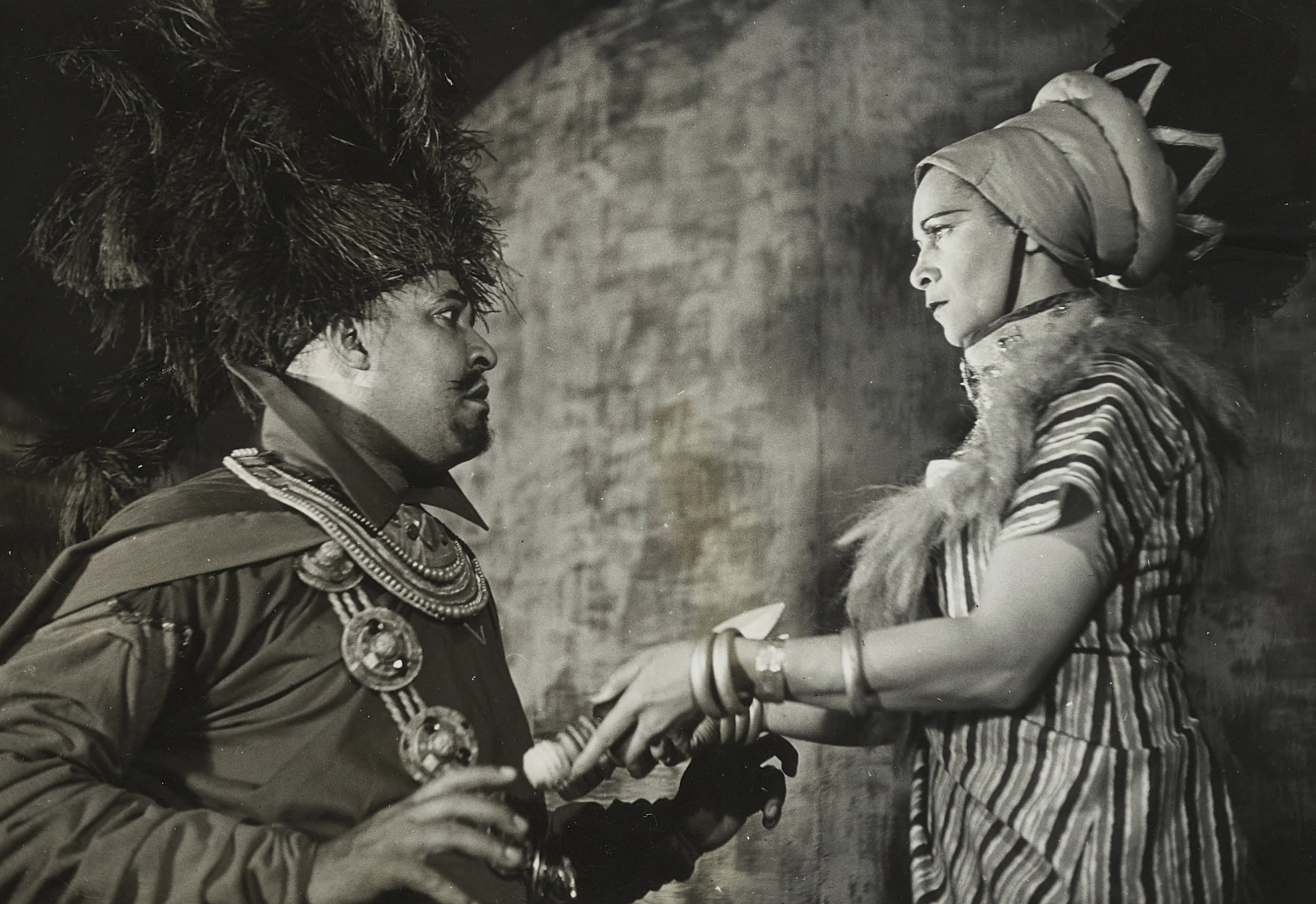
Brett Kaplowitz and his wife, Debra Kay, brought Edelman a rich story and an unusual object. Kaplowitz’s DC roots stretch back four generations, with plenty of intriguing avenues to explore. The couple had primarily come to tell Edelman about Kaplowitz’s grandmother, Sylvia Klavans Kaplowitz, a local accordionist who came to prominence in the 1930s and led an all-female accordion troupe. Kaplowitz and Kay lugged in a real treasure: Sylvia’s lovely old Excelsior accordion, which Edelman eagerly accepted for the museum. “It’s definitely the first accordion in our collection,” he said with a laugh. “I don’t know that we’ll get another.”
Several days later, Edelman met up with Kaplowitz and Kay at their Alexandria condo, where he pulled up a chair and combed through the extensive family research Kay has been compiling. “My favorite part of my job is to sit at someone’s dining table with them and they tell me their story,” Edelman said, pulling on a pair of white archival gloves to handle the materials. There was a framed invite to Franklin Delano Roosevelt’s 1937 inauguration, a 1936 issue of the magazine Accordion News featuring Sylvia on the cover, and a 1934 Washington Herald write-up of Sylvia’s performance in front of FDR at the National Press Club. Kaplowitz was excited for some of these items to go to the museum. “I want people to know about my family,” he said. “I’m proud of their heritage, proud that they’re Washingtonians. I think it’s neat for people to share. I wish everybody shared their stuff.”
So does Edelman, who’s constantly trying to explain that what people see as junk could have value to him. “It’s hard to convey that, like, we’re not looking for a Fabergé egg,” he said. “We want the stories of everyday Washingtonians. Sylvia Kaplowitz the accordion player—that’s a really rich part of the Washington Jewish experience, and I want her story to be part of our archive just as much as a Supreme Court justice.” Of course, not every pile of old papers is going to be right for the museum, but call him anyway, Edelman says: “I’m always willing to look.”
This article appears in the May 2026 issue of Washingtonian.

Rob Brunner grew up in DC and moved back in 2017 to join Washingtonian. Previously, he was an editor and writer at Fast Company and other publications. He lives with his family in Chevy Chase DC.