Why Does a City Known for Its Beltway Have a World-Class Train System?
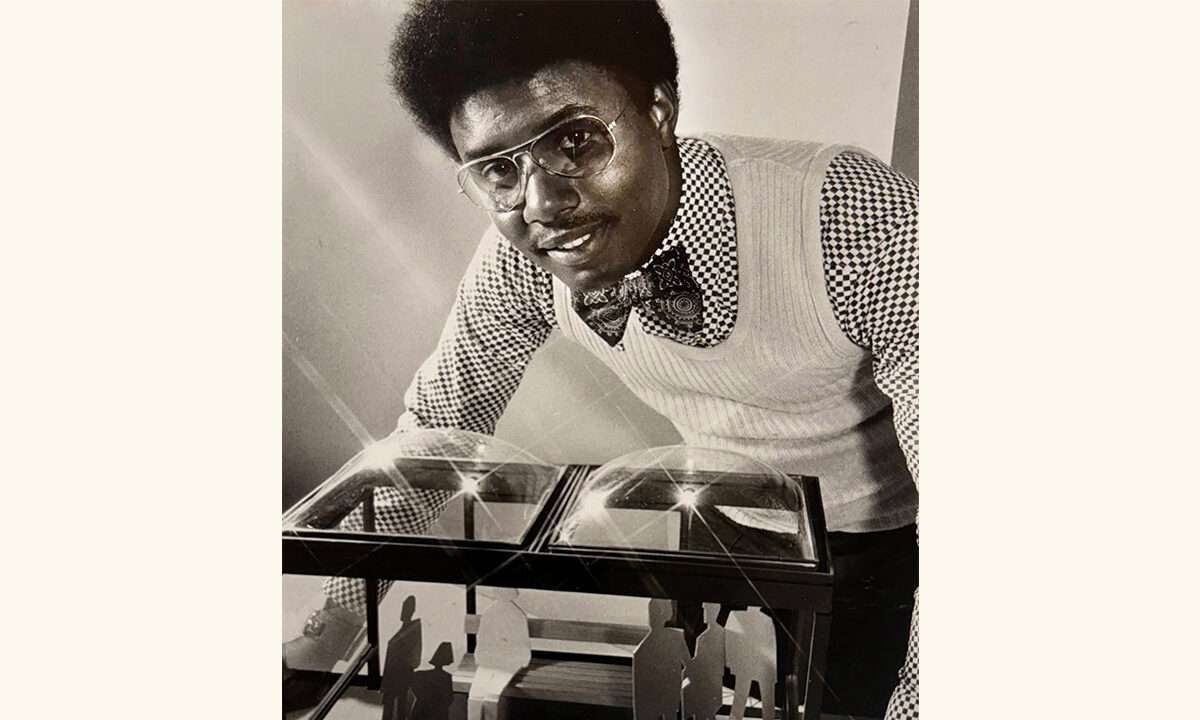
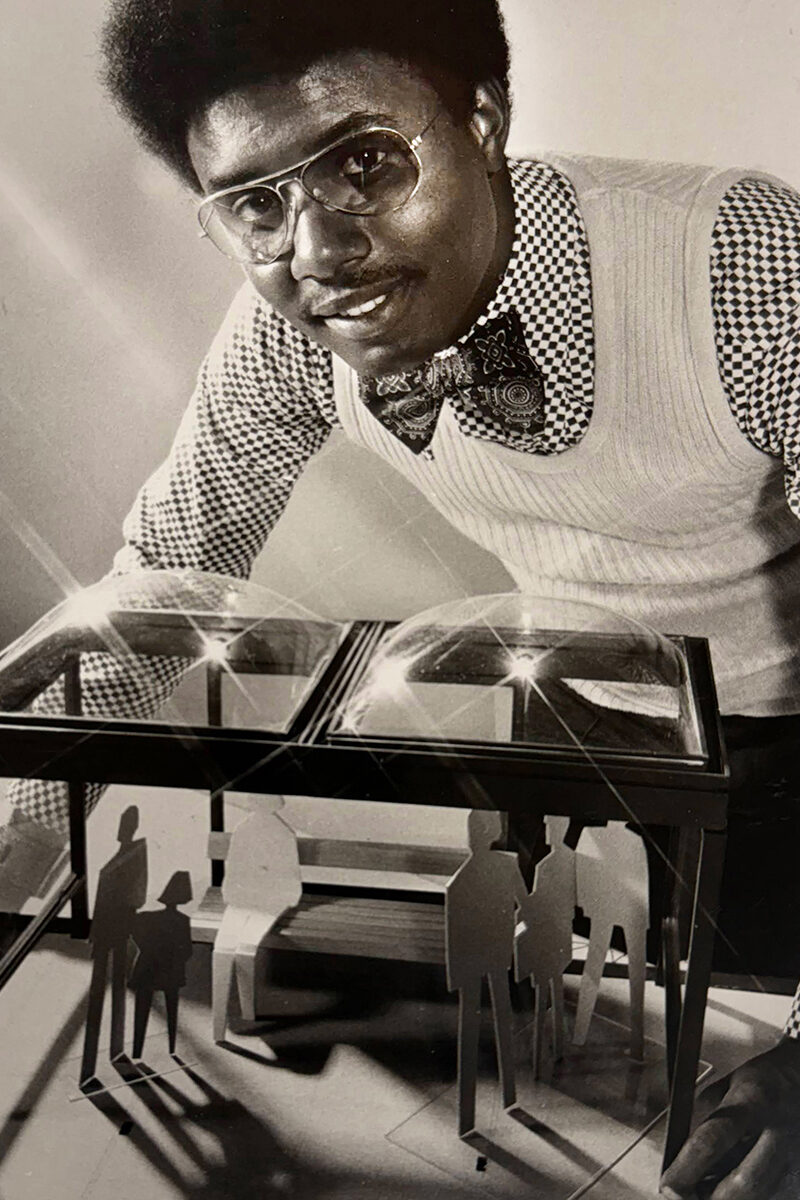 A WMATA designer with a bus-shelter concept.
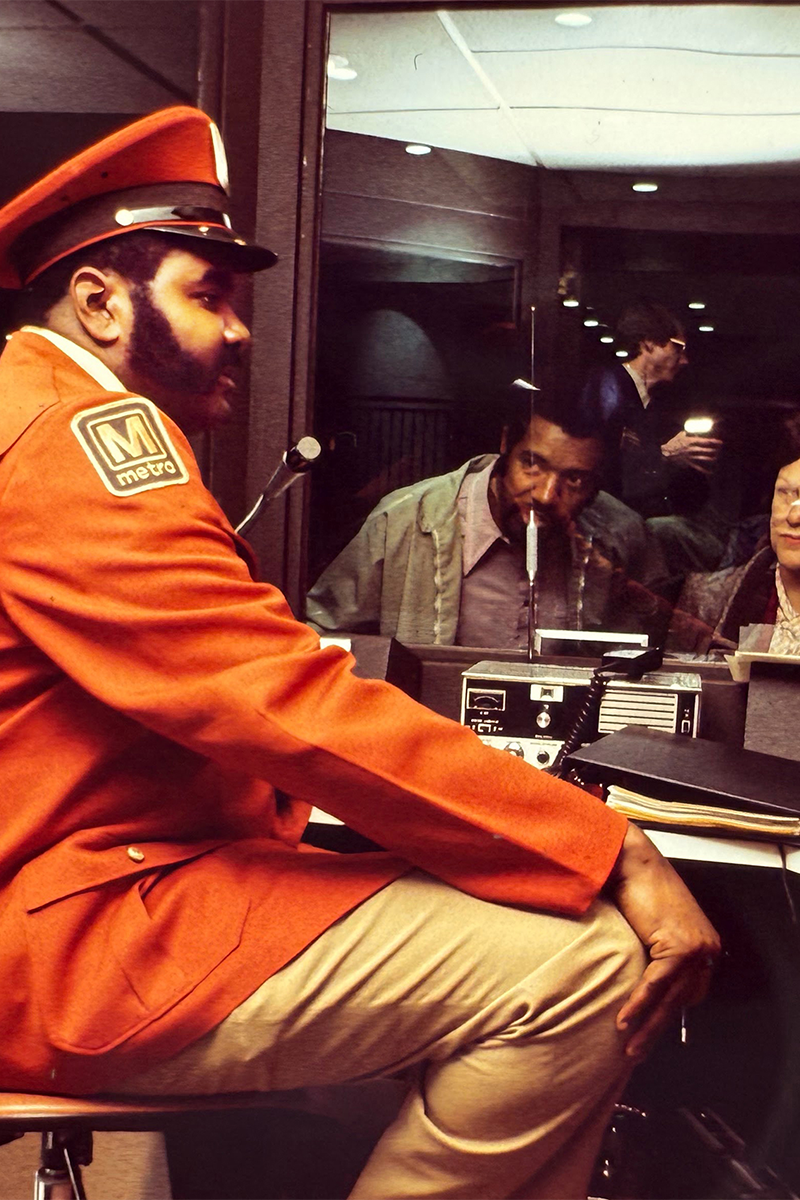
Washington’s Metro, which turns 50 this year, is something of a miracle. In post–World War II America, highways were the name of the transportation game, as decades of car-centric sprawl made new subway systems an increasingly unattractive option. New York City and Boston had gotten in under the wire—building their subways before widespread automobile ownership, then growing alongside commuter lines in the early 20th century.
Metro, by contrast, was an idealistic, against-the-grain, retro-futuristic project when planners began sketching in the 1960s.
Today, it’s hard to believe Metro’s success: The system, which saw passengers take nearly 147 million trips in 2025, is the second-busiest in America.
How did Metro get here? In part, it was born of local exceptionalism. A nascent anti-freeway movement, made up of people who appreciated the symmetry of Pierre L’Enfant’s original plan for DC, fought to avoid the fate of other cities gleefully cutting highways through their centers. Meanwhile, Presidents John F. Kennedy, Lyndon Johnson, and even Richard Nixon championed Metro, hoping to create a monumental showcase for the nation’s capital.
In fact, LBJ took a particularly keen interest, personally poring over drawings and maps of the in-progress system. The Metro that resulted, says George Mason history professor Zachary Schrag, grew out of the Johnson administration’s commitment to egalitarian public investments that reflected the nation’s huge wealth and equally grand ambitions.
“A product of its era,” Schrag writes in his book The Great Society Subway, “Metro emerged as public transportation intended not merely to transport commuters, but to build, in Johnson’s terms, ‘a place where the city of man serves not only the needs of the body and the demands of commerce but the desire for beauty and the hunger for community.’ ”
If you’ve ever crammed your-self into a rush-hour train—doors closing, but somehow, just barely, not on your laptop bag—Johnson’s words might ring a bit grandiose. But considering everywhere the system goes—to home and work and museums and ballgames and protest marches and presidential inaugurations—it’s hard to argue his point. A half century in, Metro continues to move us forward.
How Does Metro Maintain Its Distinct Look?
 The subway’s Brutalist “waffle”-style vaulted ceilings have become iconic.
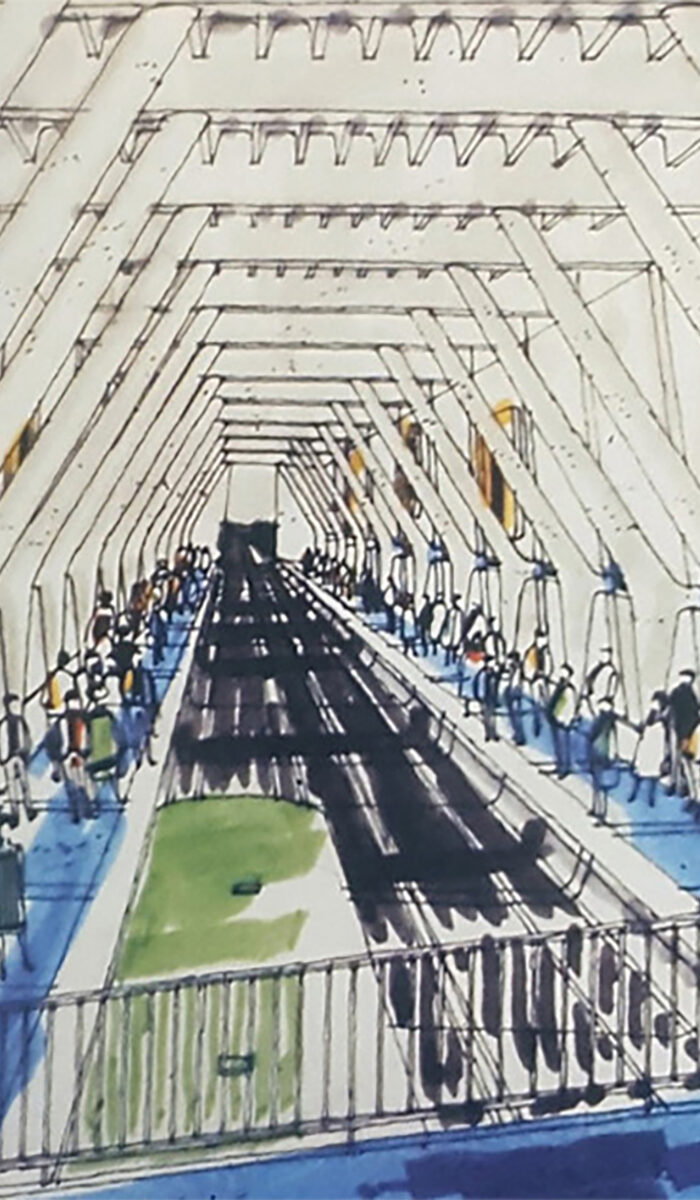
When world-renowned designer Claude Engle Jr. was hired to update Metro’s lighting, he knew it would be a challenge. The system’s original one-of-a-kind lighting style was warm and indirect, sometimes described as “theater-like”—yet over time, as trackside bulbs aged and became caked with grime, stations began to feel like murky cathedrals lit by votive candles.
As a fix, WMATA initially installed blinding globe lights in some stations, changing their atmosphere completely. Engle had a better idea: By 2020, his firm had installed a system of partially hidden LEDs that brightened stations but kept the original vibe alive.
A similar balancing act faces anyone trying to update or maintain Metro, which was given a bold and distinctive design by its original architecture firm, Harry Weese Associates.
Many transit systems are more utilitarian and less unified in style than Metro, which is remarkably consistent across its 98 stations. To maintain aesthetic integrity, Metro hired its first architectural historian in 2015—a move that failed to prevent one station manager’s well-meaning but instantly notorious 2017 decision to paint the Union Station stop’s dingy concrete walls bright white, offending riders and architecture critics alike.
Since 2023, WMATA chief customer officer Sarah Meyer has overseen efforts to modernize maps, signs, and message boards within stations while staying true to Massimo Vignelli’s original “wayfinding” design—short station names, no lettering on the vaulted walls, visual clutter confined to rectangular pillars placed on platforms.
Some change will always be necessary: To better serve riders whose brains have been rewired by Google Maps instructions, for example, future line maps will read from the bottom up instead of from the top down. Still, Metro strives to maintain Vignelli’s minimalism, even pruning WMATA’s dozens of logos down to one, the famous Helvetica-font “M” on a chocolate-brown background. “We’re not redesigning Metro,” Meyer says. “We’re revealing it.”
Why Do Some Metro Elevators Feel Like Afterthoughts?
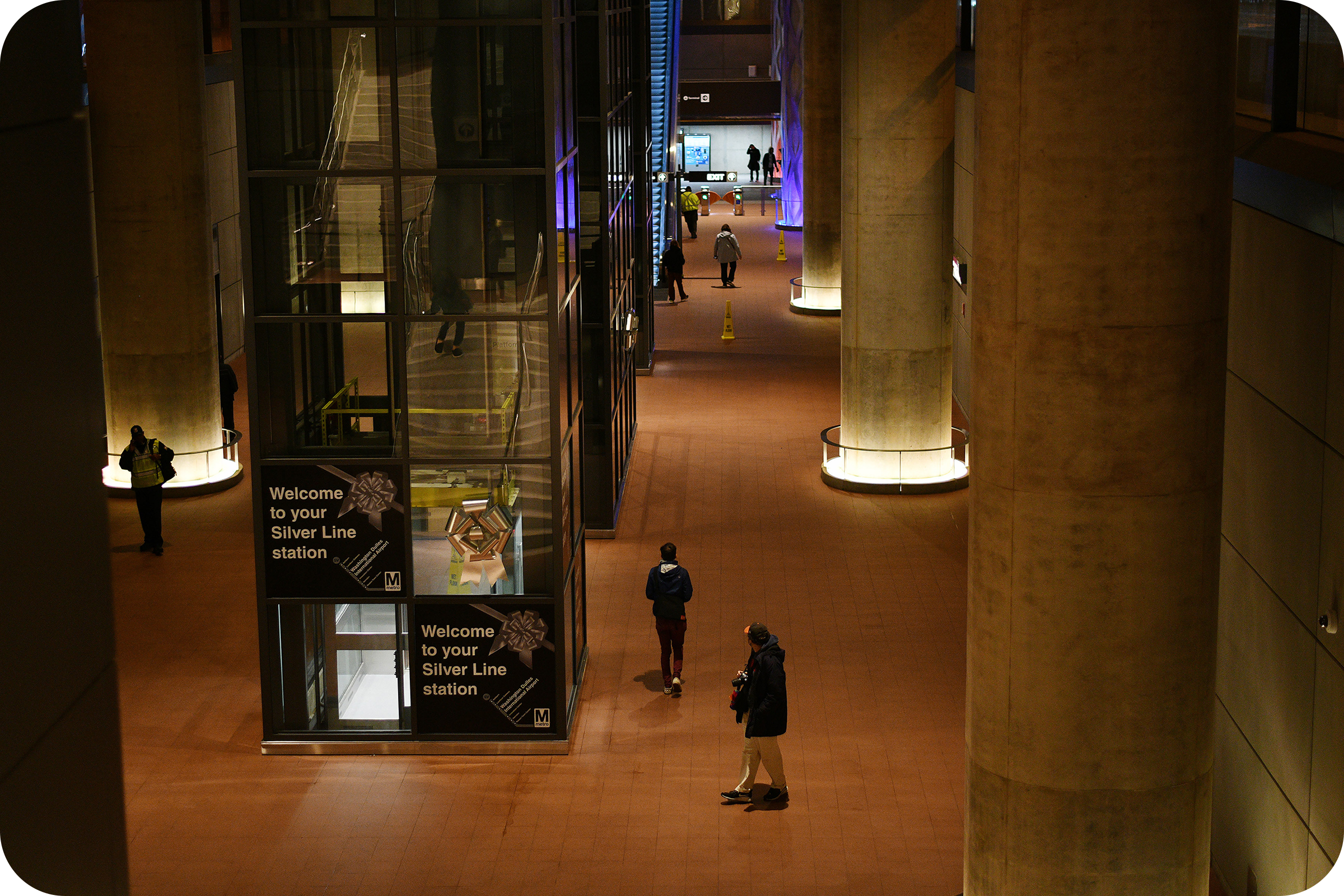
Metro’s original design featured white granite strips along the platform edges to help visually impaired passengers, blinking train-arrival lights to assist the deaf, and escalators to help the elderly and others unable to climb long flights of stairs. It did not include elevators. According to Zachary Schrag’s The Great Society Subway, architects believed they would disrupt pedestrian flow, provide hiding spots for criminals, and act as expensive and unnecessary “fancy gadgets”—in the words of architect Harry Weese—for wheelchair users, who couldn’t be expected to ride in significant numbers.
Jackson Graham, the retired Army general turned WMATA chief who oversaw the system’s initial construction, also opposed elevators, believing that people with disabilities simply needed to be taught to ride escalators. To that end, Graham brought a film crew to Dulles Airport, where he wore a series of braces and crutches while riding an escalator and ended his demonstration in a wheelchair. Dismissing Graham’s stunt as akin to walking along a “two-by-four board suspended 50 feet in the air—not something to do several times a day,” a wheelchair-using government worker named Richard Heddinger filed an ultimately successful lawsuit against WMATA that forced the installation of elevators in the under-construction system via on-the-fly redesigns and hacking through already-poured concrete vaults. Today, all stations feature elevators, but some of them can be hard to find or located blocks from main entrances, an unfortunate reminder of a less accessible era.
How Can You Find Love on the Rails?

Close quarters. Inevitable eye contact. The thrilling prospect of a chance encounter à la Before Sunrise. For those burnt out on dating apps and looking for love, can Metro be the answer? To get tips on turning a commute into a meet-cute, we talked to Elizabeth Goldberg and Andy Palumbo, a DC couple who met on the Green Line in 2017 and married last year.
Sit strategically. While neither was looking for a future spouse during their fateful Metro ride, Palumbo did pick Goldberg’s car after catching a glimpse of her striking blue-green hair from the Gallery Place platform. He also plopped down in an accessible-seating cluster catty-corner from Goldberg’s row. While Palumbo says he had “no intention of speaking,” their positions made eye contact easy.
Be in the moment. The Metro is not an especially chatty place, so striking up a conversation with a stranger might feel awkward. Palumbo and Goldberg happened to encounter a natural icebreaker. Shortly after Palumbo boarded, a group of teenagers hopped on with a boombox. They started breakdancing, and he took off his headphones to take it all in. “We caught eyes like, How are we supposed to be reacting? ” Goldberg says. “I think there is something to be said for being a little more in the world around you.”
Timing is everything. Flirtation and the harried vibes of rush hour don’t mix. Goldberg and Palumbo met around 9 pm. “I don’t think this would have happened if we were going to work,” she says. Both got off at the Columbia Heights stop, and the escalator ride up “seemed like an appropriate time” to chat about the impromptu dance recital they’d just witnessed. Learning they were neighbors, the two exchanged phone numbers.
Just go for it. Goldberg calls their meeting a Sliding Doors moment. Had Palumbo boarded another car—or if those kids hadn’t busted any moves—the two might never have spoken. If you spot a potential soulmate on the Metro, she says, embrace “having a moment in time in common. If you’re looking for connection, then it means other people probably are, too.” Don’t be afraid to initiate a conversation. And if your crush doesn’t reciprocate? You’ll both get off the train eventually and probably never see each other again. You have nothing to lose but singledom.
What Were the Weirdest Busy Days in Metro History?
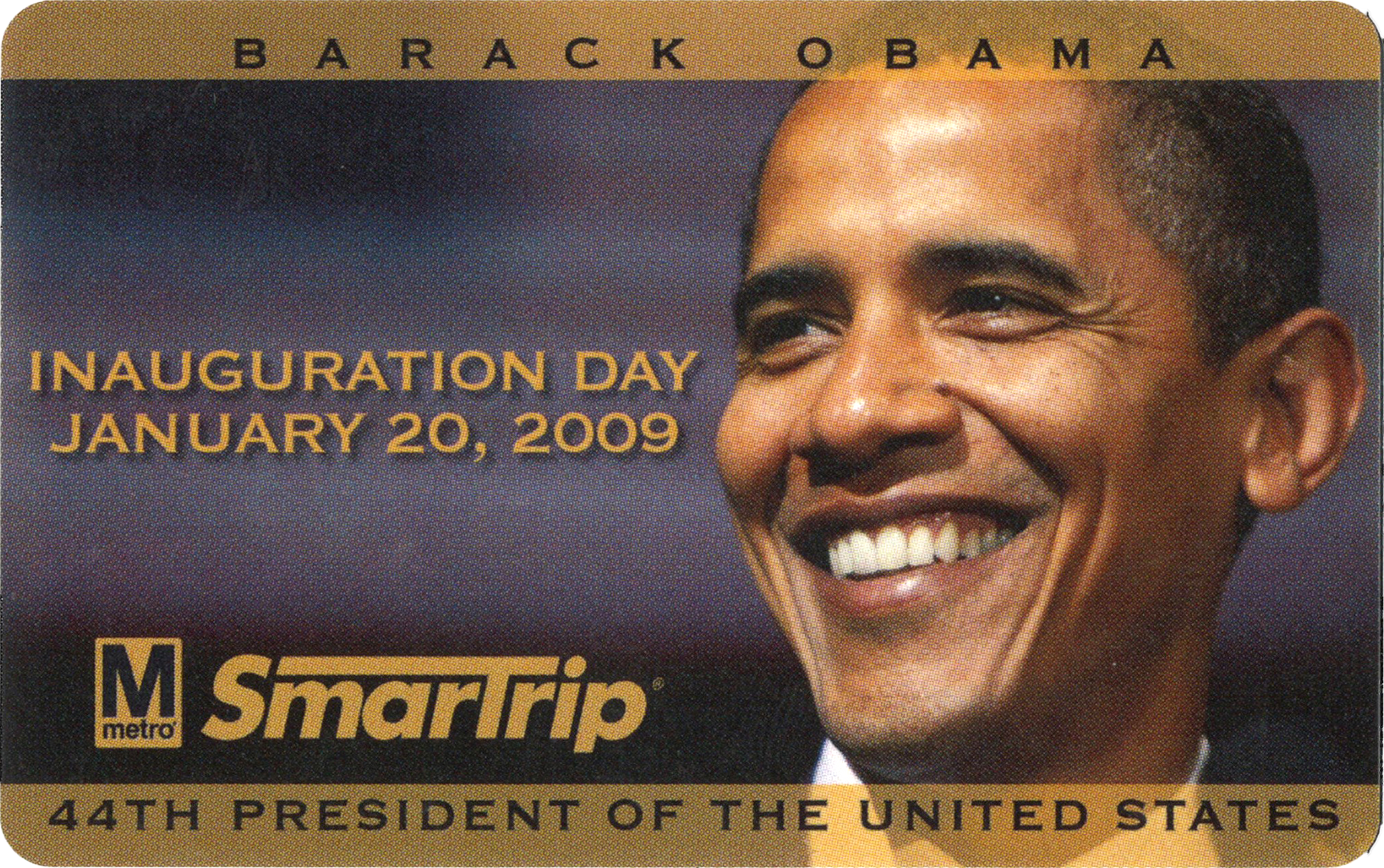
Presidential inaugurations. Major political protests. The Cherry Blossom Festival. Historically, most of Metro’s busiest days are what you’d expect them to be—such as President Obama’s first inauguration in 2009, which holds the all-time record, with 1.12 million trips. But a few are more surprising.
Stephen Strasburg’s Washington Nationals Debut, 2010
Trips: 856,578
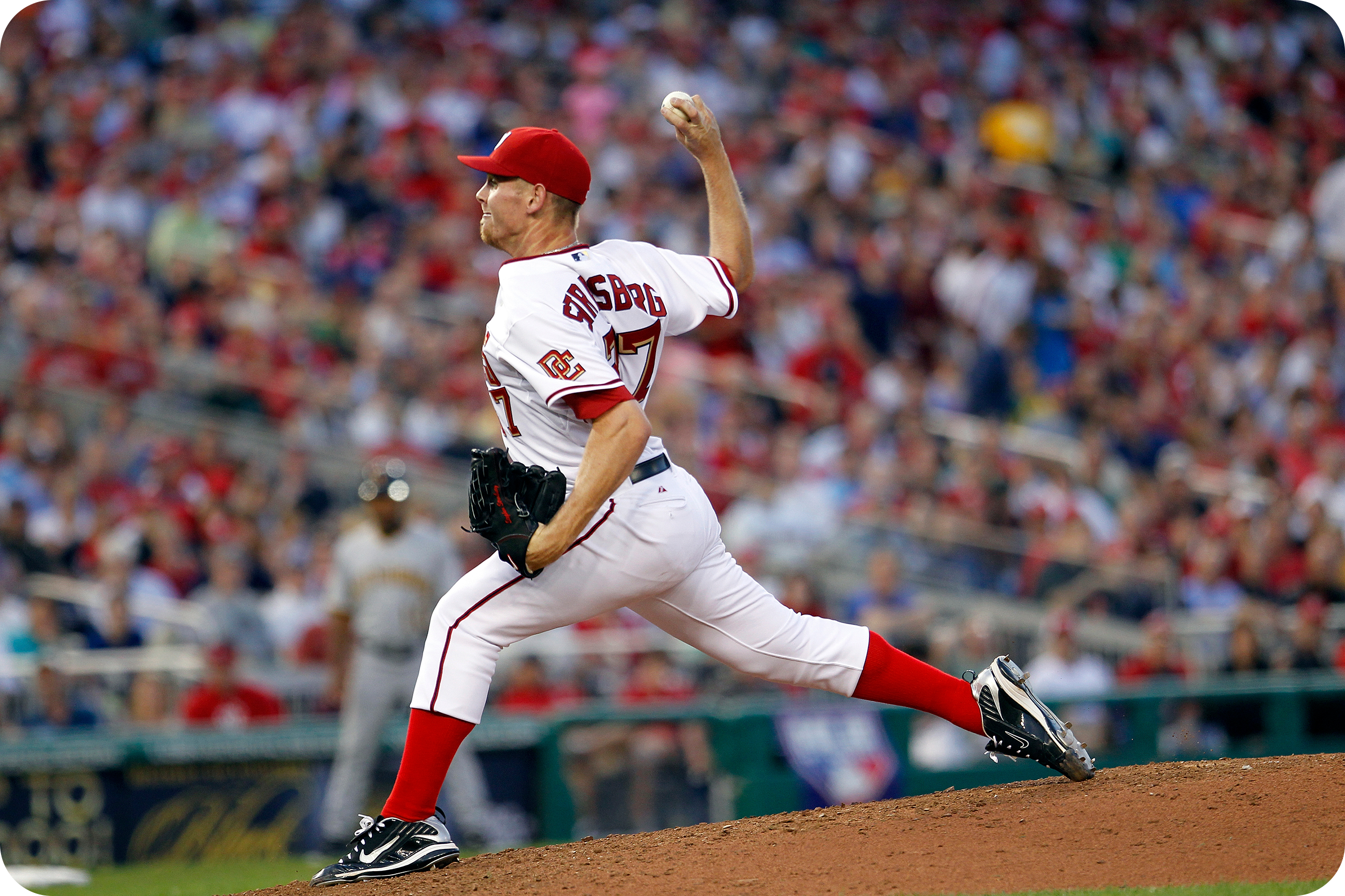
The highly touted pitching phenom and number-one overall draft pick’s first MLB start, at Nationals Park, was unquestionably a big deal for baseball fans. It also contributed to a busier Metro day than Ronald Reagan’s 2004 funeral and the 1988 victory parade for the Super Bowl–winning Washington NFL squad.
Rally to Restore Sanity and/or Fear, 2010
Trips: 825,437
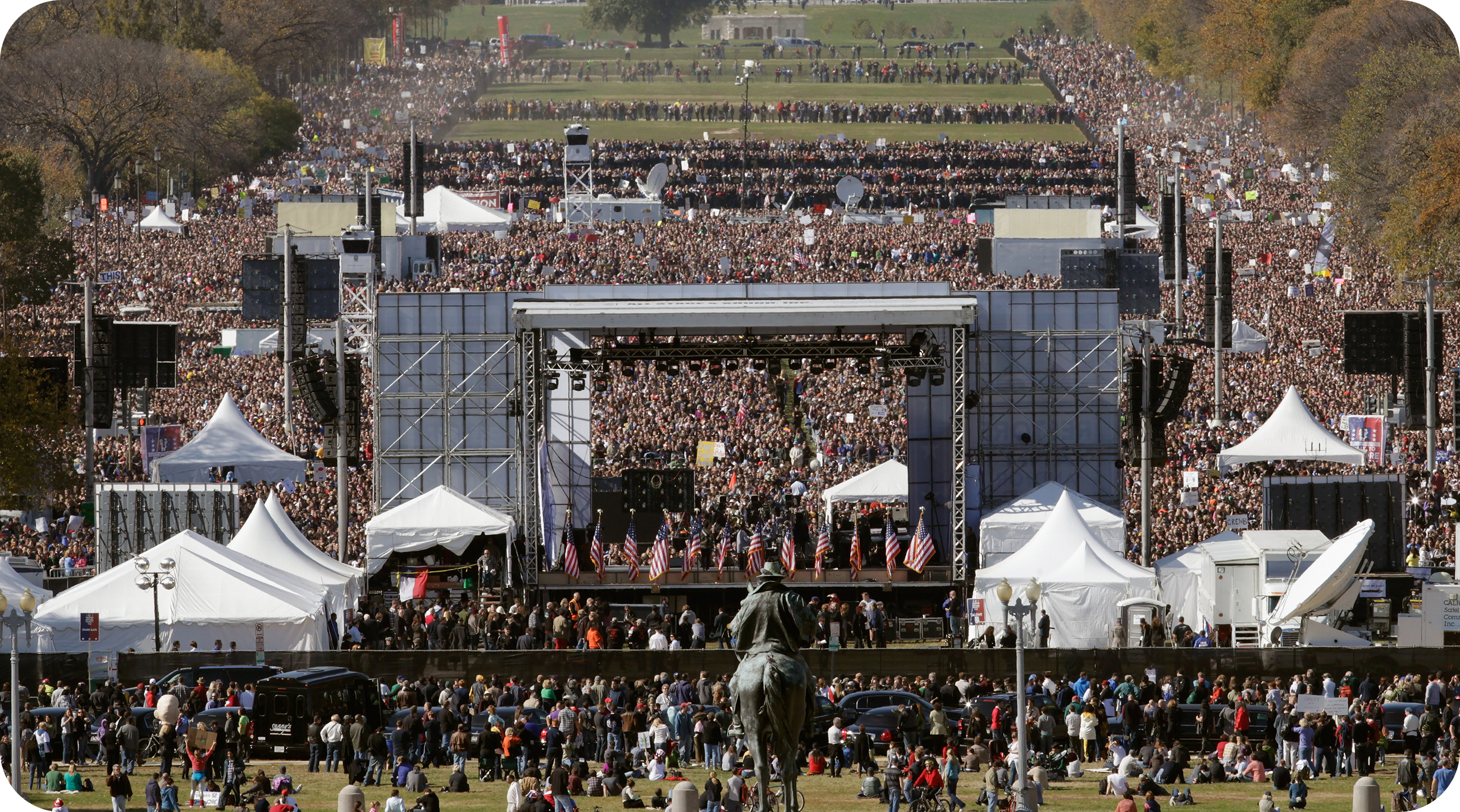
Hosted by political comedians Jon Stewart and Stephen Colbert, this seriocomic sendup of a previous Glenn Beck–led rally corresponded with more Metro trips than 1995’s Million Man March and a 1991 Gulf War victory celebration.
“Tractor Man” Traffic Shutdown, 2003
Trips: 705,892
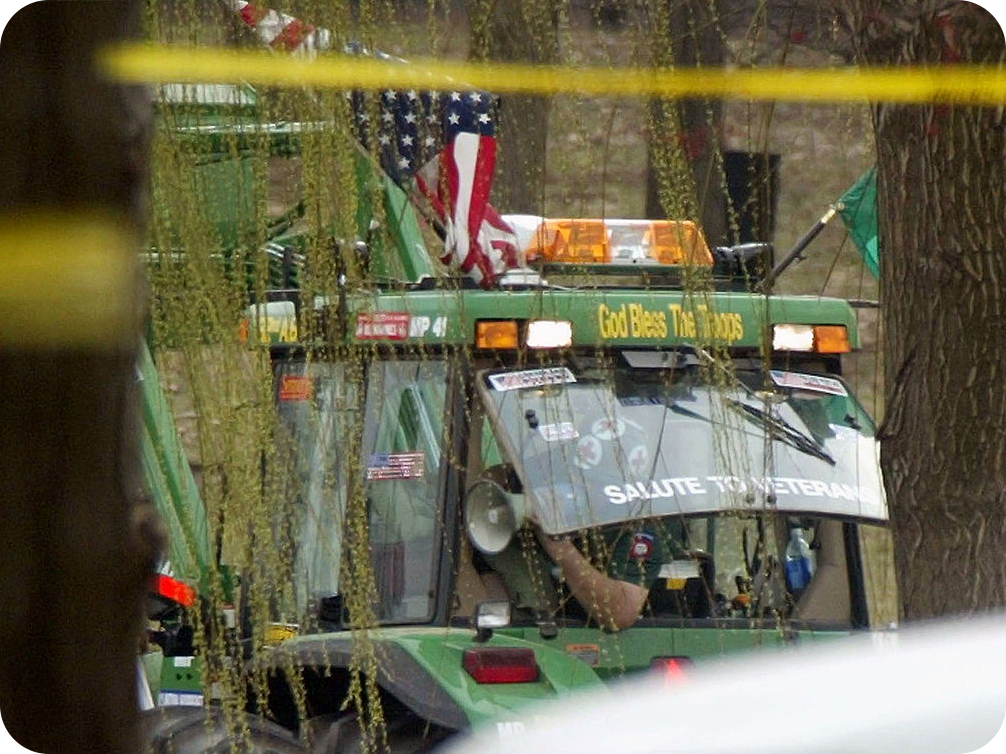
After a protesting North Carolina farmer parked a tractor in a pond on the National Mall and claimed to have explosives, a standoff with law enforcement produced closed streets, frozen rush-hour traffic, and a surge in Metro trips that surpassed at least two presidential inaugurations (Trump, 2017, George H.W. Bush, 1989).
What Happens When You Leave Your Phone on the Metro?
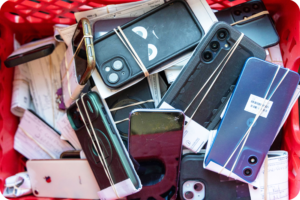
Nearly 1,700 unlucky riders lost their phones on a Metro train last year. What happens next? The system relies on Good Samaritans to turn in lost items to station managers, who log and secure them in locked bags. The bags are collected by “rail runners”—Metro’s internal mail-pickup staff—and taken to the end-of-the-line stations. From there, items travel to a lost-and-found office in Hyattsville, where they’re held for 30 days before being disposed of or donated to charity.
Metro has found some unusual items on trains—including a taxidermied alligator head and a prosthetic leg with a tennis shoe and skateboard attached to it—but phones are the most common, followed by wallets (1,108 in 2025) and backpacks (716). Not everything makes it to Hyattsville, as medications and large sums of money go to Metro Transit Police. Of the items that end up there, about 12 percent are returned to their owners.
Darbi Dickerson, WMATA’s director of lost and found, encourages customers to file a claim at Metro’s website as soon as they realize they’ve misplaced their belongings. “It makes it so much easier for us to track those items and reunite you,” she says.
Why Didn’t We Get Bright-Red Metro Cars?

Inspired by the London Underground, Metro’s original designers hoped to paint their cars a deep, glossy red. However, cost concerns meant that the eventual first generation of trains to hit the rails in 1976 were unpainted aluminum with some brown elements, a look that has remained relatively unchanged. Here are some other planned Metro features that never came to be.
A Bridge Over Rock Creek
As the Red Line shoots north from Dupont Circle toward the Woodley Park station, which is buried deeper in metamorphic rock, it tunnels under Rock Creek. But Metro architect Harry Weese originally had another vision: The tracks would cut through the huge concrete supports of the Taft Bridge, running underneath the traffic on that grand 1906 crossing. Engineers killed the idea, which would have given riders some pretty sweet views.
Distinctive Symbols for Each Stop
On Mexico City’s Metro map, every station has its own distinctive icon: Even if you forget or can’t read the name of your destination, you can recognize its image. That map’s creator, Lance Wyman, also designed Metro’s and originally had the same idea in mind—the scales of justice for Judiciary Square, a scroll for Archives, a pile of apples for Eastern Market. Sadly, the result was a bit too cluttered for Massimo Vignelli, the designer who created most of Metro’s spartan look.
Low-Ceilinged Stations
Ever been on New York City’s subway—or Toronto’s, one of the major inspirations for Metro? If you’re tall, you practically risk hitting your head in certain stations. That could have been DC’s reality too, but architect Weese had grander visions for the nation’s capital. While early designs showed stops more like Toronto’s, he settled on Metro’s now-famous vaulted concrete ceilings.
The Georgetown Gondola Lift
In the 2010s, DC and Arlington County governments and business organizations studied and proposed building a gondola lift connecting Georgetown with the Rosslyn Metro station—basically, a system of aerial cable cars suspended over the Potomac, running parallel to the Key Bridge. Alas, a 2021 funding request from DC Council member Brooke Pinto didn’t make it into the city’s budget.
The Washington Monument Exit
One plan for the Smithsonian station called for an escalator that would deposit riders near the foot of the Washington Monument, creating a grand first glimpse of the city for tourists visiting the Mall. The National Park Service objected to the location—bummer!—and now the exit faces the opposite direction.
Why Did It Take So Long to Finish the Green Line?
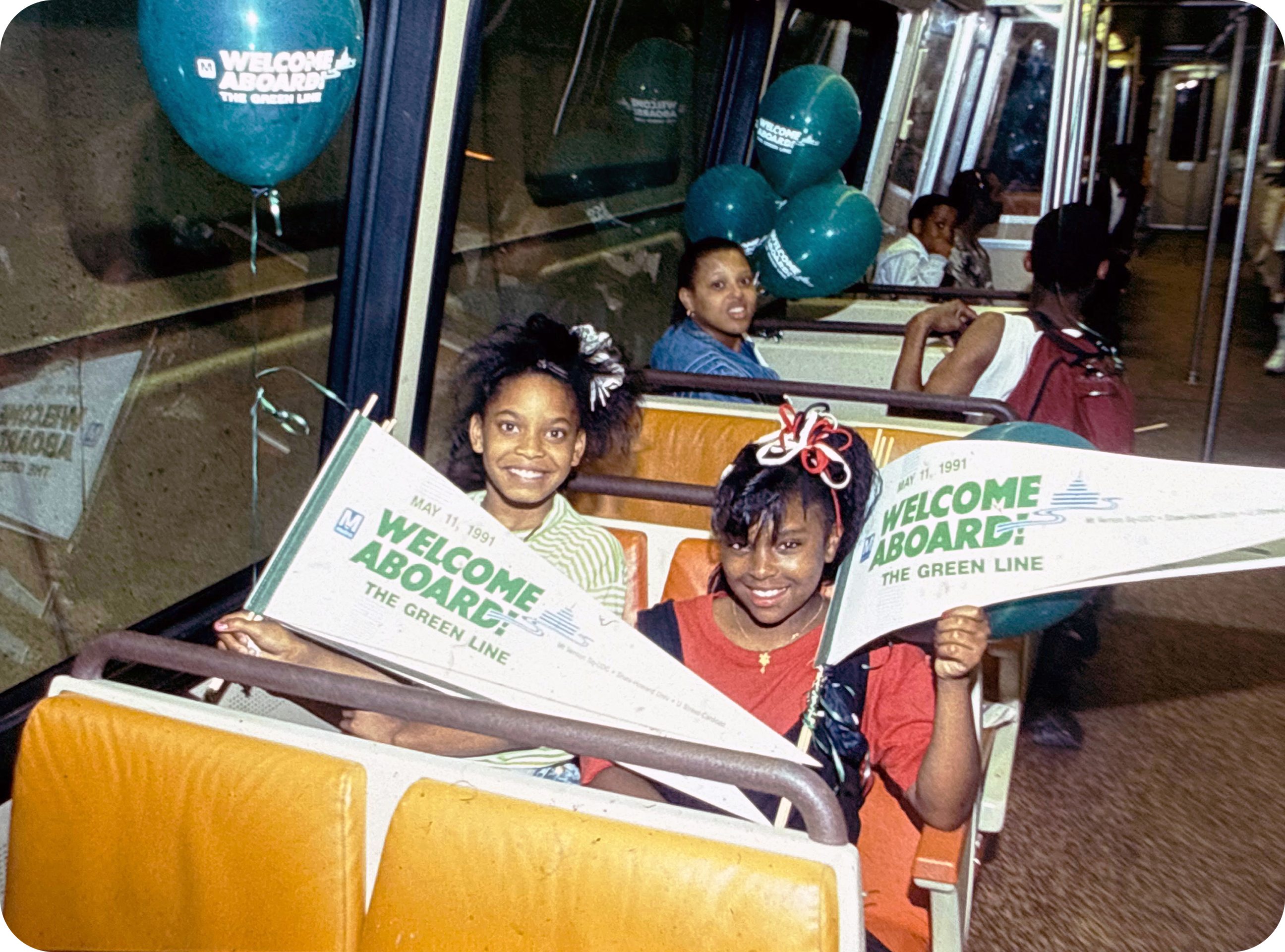
Though Metro’s first five stations opened on the Red Line in 1976, the first three Green Line stations—Shaw–Howard University, U Street–Cardozo, and Mount Vernon Square–UDC—didn’t open until 1991. And the line’s final five, including the terminus at Branch Avenue, weren’t finished for another decade.
What took so long? While the Green Line was one of the system’s five originally planned lines, its actual route was “something of an afterthought,” says George Mason history professor Zachary Schrag. In the wake of the 1968 riots that followed Martin Luther King Jr.’s assassination and left parts of DC in ruins, local leaders such as Walter Fauntroy advocated for the Green Line as a key to rebuilding—a catalyst for a “renewal with people” to benefit low-income residents historically overlooked by city planners.
However, disagreements between WMATA and locals over exact routes and construction methods resulted in multiple hearings and studies in the late 1970s, contributing to delays. The question of the Green Line’s end point was particularly prickly. Initially planned for near Branch Avenue, it was switched to Rosecroft Raceway in 1980, triggering a legal fight and a court order blocking construction along the entire line from 1982 to 1985.
Meanwhile, Ronald Reagan’s administration slashed WMATA’s federal appropriations after he took office in 1981, and it continued cutting from 1985 to 1987, slowing the line’s progress. In 1985, construction finally began on the Anacostia tunnel, readying the path to complete Metro’s southeastern portion. Still, delays kept occurring. Legal battles over construction contracts paused work and left dangerous street craters for five years, with residents describing Shaw as a “disaster area.” Many businesses in the affected areas did not survive to see the Green Line’s opening.
In 2017, a report commissioned by the Capitol Riverfront Business Improvement District found that much of DC’s growth during this century occurred within areas of the city that the Green Line served—more people, more jobs, more building, more businesses. This development, still ongoing, has spurred warranted concerns about gentrification. But it also reflects the transformative vision of the Green Line’s early advocates: that the Metro could lift the city it serves.
History, in the Cards
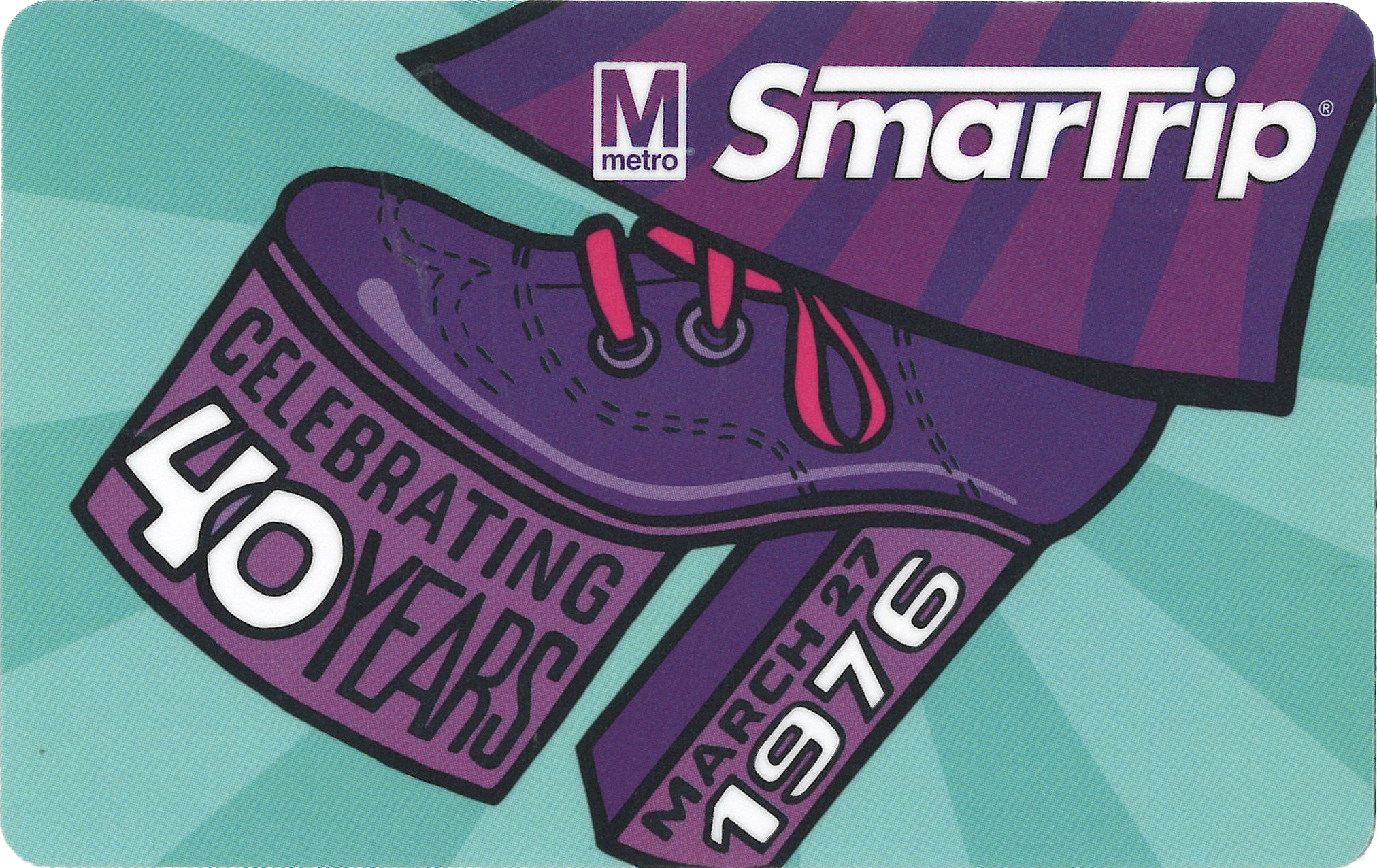
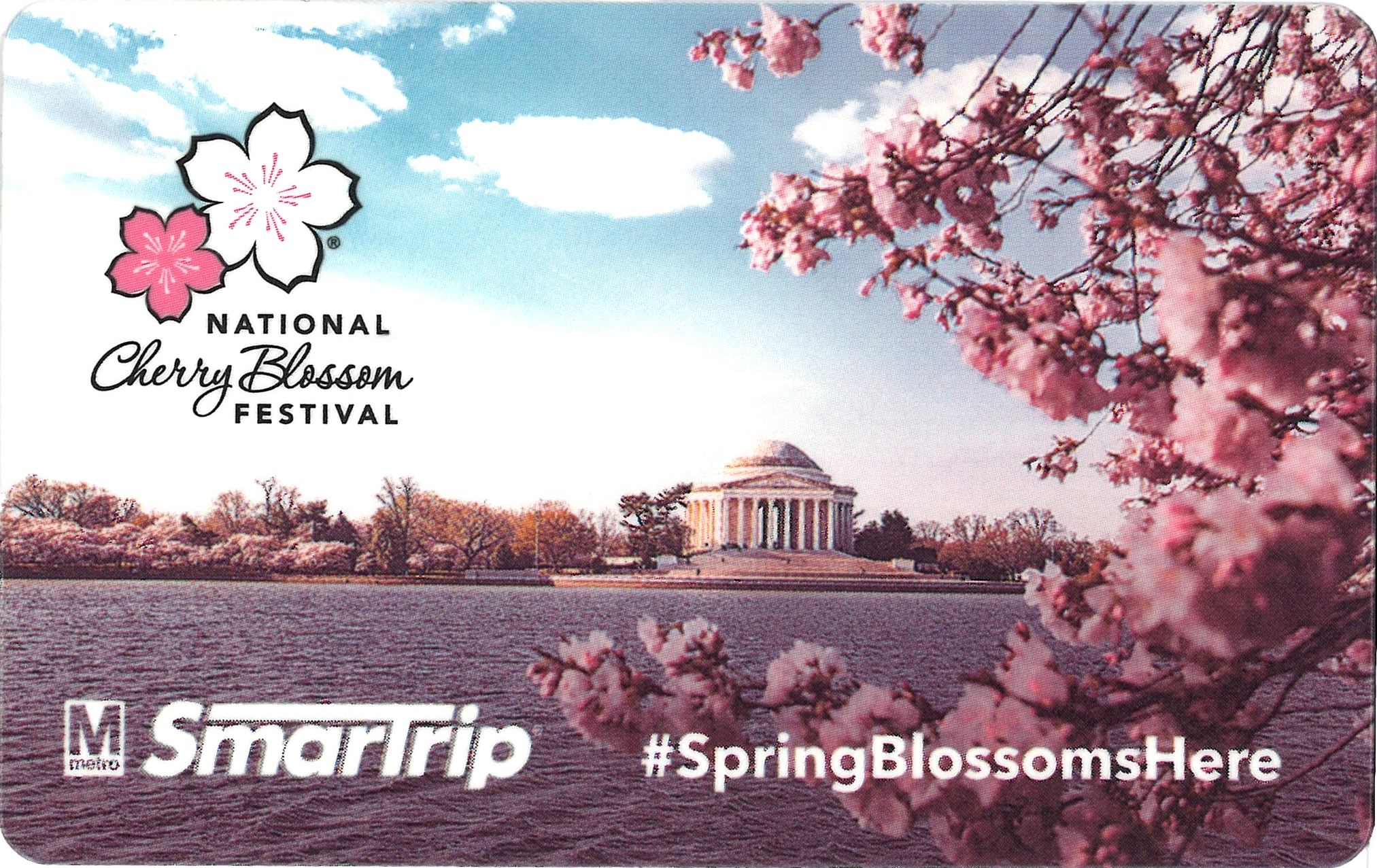
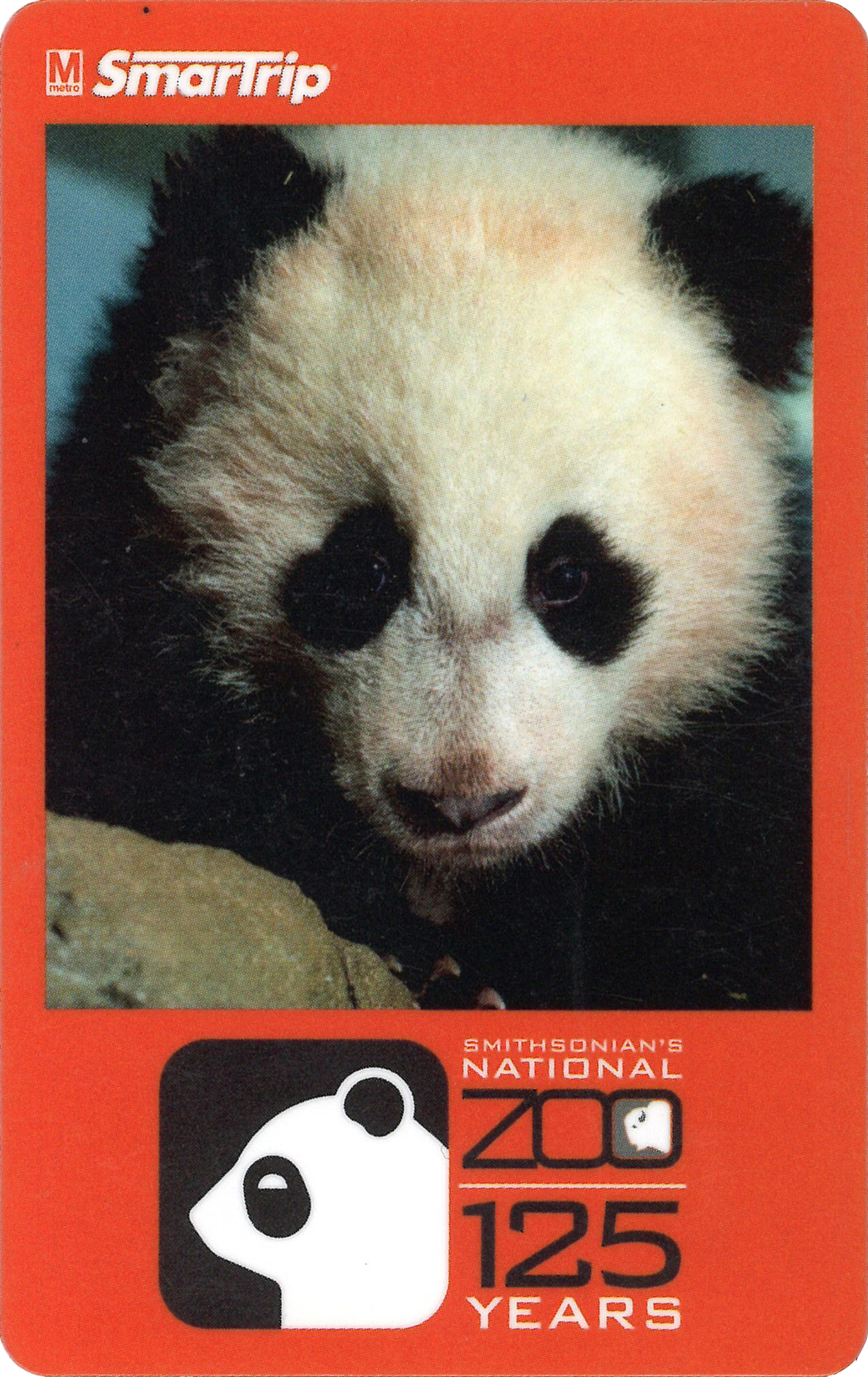
Why Is There a “Special Bond” Between Metro and Autistic Kids?

Some of the most detailed questions Randy Clarke ever has to answer come at a meet-and-greet event held every spring for some of Metro’s younger riders. After sitting in the driver’s booth of a railcar and petting transit-police dogs, a group of kids with autism get to meet with Clarke, WMATA’s CEO, and fire away. Last year, Peadar Connelly, 11, wanted to know more about “the pickle,” the bright-green diesel-powered train that Metro uses for track inspection. Meanwhile, Marsalis Harrington—also 11 and able to draw the system map from memory—asked about the arrival of the new 8000-series trains.
“It’s probably the tough-est press conference [Clarke will] submit himself to in any given year,” says Jonathan Trichter, founder of the Autism Transit Project, which arranges the meeting with Metro’s head. The organization, founded in 2022, also works with Metro on having kids who are on the spectrum make boarding and safety announcements—you may have heard them the last few years during April, in honor of Autism Acceptance Month.
WMATA says the announcements are a way of recognizing “the special bond children with autism often have with mass transit systems.” In Washington and other cities with significant rail systems, this affinity is pretty well known: Fixed routes and schedules can appeal to autistic minds, and Trichter says the feats of engineering that most of us take for granted can spark intense interest and passion from kids with the condition.
Elliott D’Amore is one of them. The eight-year-old—who says the transit-fan and autistic communities are “the same thing, practically”—was in a Metro station one day with his mother, Meredith, when they heard an announcement from an autistic kid. “I think I cried on that day, because I was wondering how I could do that,” Elliott says.
His mom got in touch with Trichter. The following year, Elliott’s voice could be heard over Metro’s loudspeakers. His message, reminding riders about priority seating for seniors and disabled people, begins: “Hi, my name is Elliott and I am a big fan of public transit. I am autistic, which I promise you is amazing.”
Who Makes Metro Run?
Metro isn’t just a collection of trains and stations. “We are people,” says WMATA vice president of communications Whitney Nichels. Day after day, the system’s 13,000 employees make the subway work for the rest of us—cleaning stations, solving problems, and, in one particular case, wagging their tail. Here are a few of the faces who make Metro go.
Whitney Nichels
Vice President of Communications and Head of Social
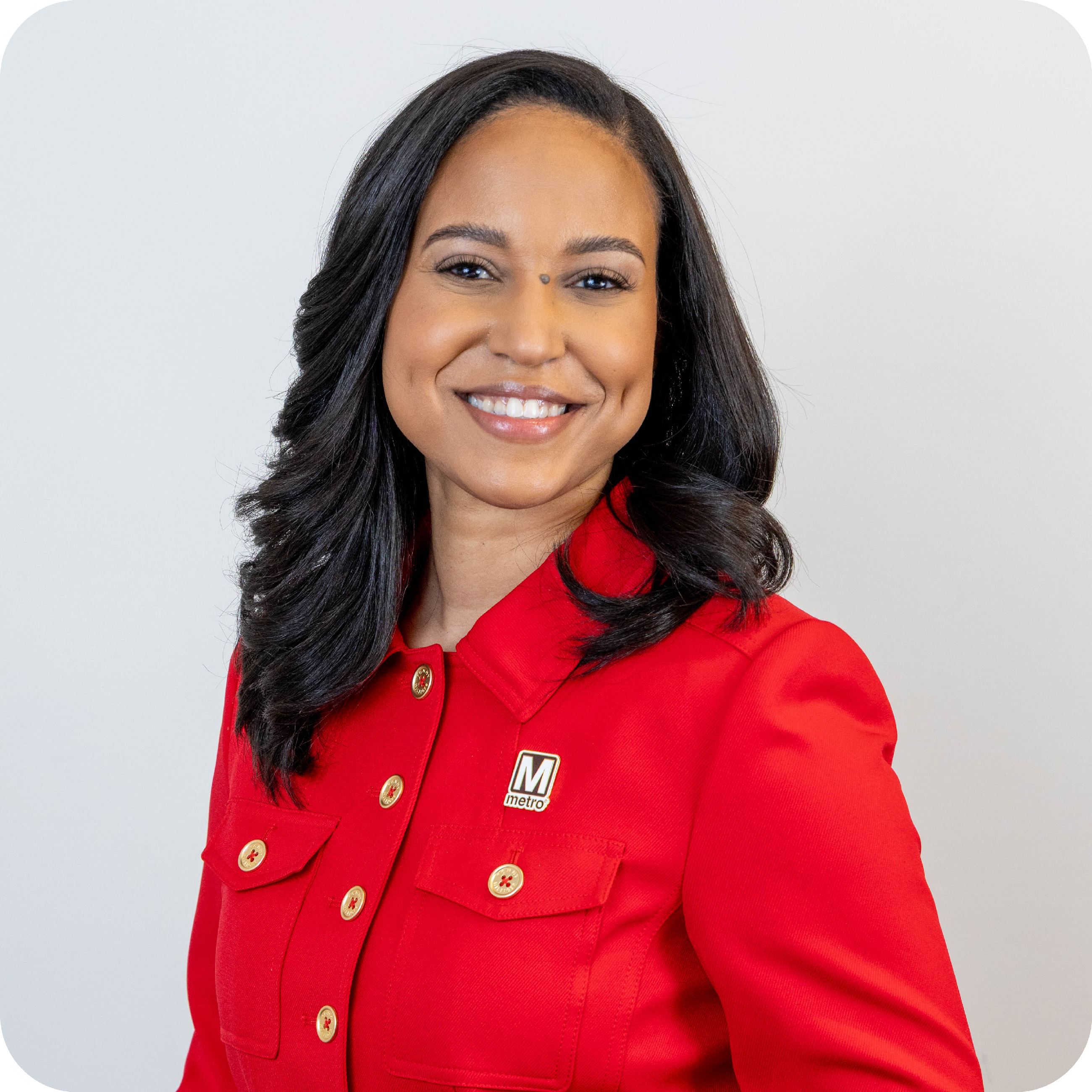
When Nichels joined Metro in 2023, she wanted to shake up its traditionally corporate social-media content, the better to “match the vibes” on TikTok and Instagram. That moment came in June 2024, when a video Metro posted featuring a cast of handsome, well-dressed riders went viral. Since then, Nichels and her two-person content-creation-and-approval team have found social-media success with memes, humorous videos, informational posts, and heartwarming features about frontline workers who, she says, “don’t often get that spotlight.” Metro’s Instagram account has jumped from 40,000 to nearly 72,000 followers in just over 18 months, a boost Nichels credits to a humanizing strategy that has helped customers see the system as “more than just trains and buses.”
Binki
Critical-Incident Canine
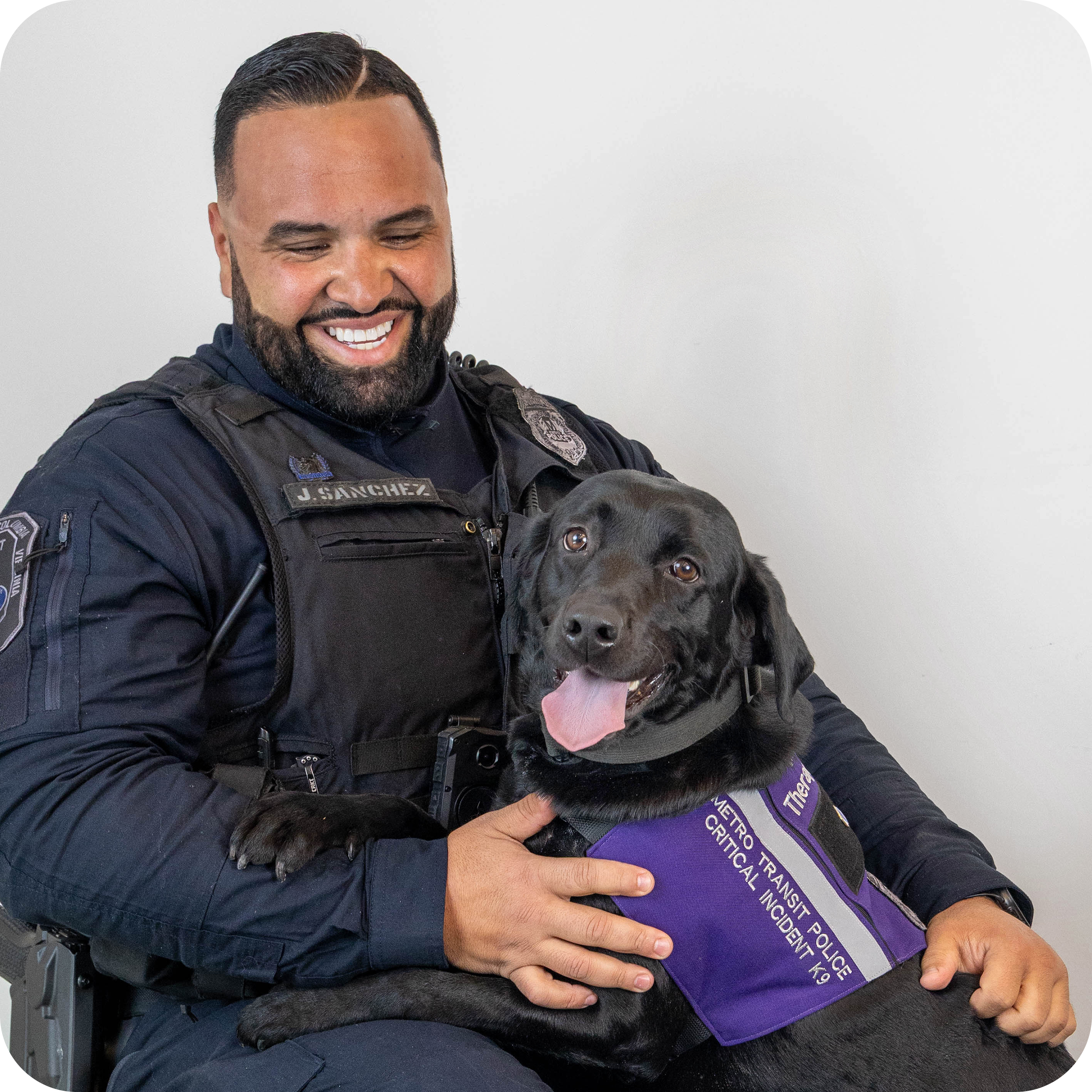
In late 2024, the Metro Transit Police Department welcomed a new four-legged employee: Binki the black Lab. A certified police therapy dog, Binki isn’t trained to sniff out drugs or explosives but to provide emotional support after emergencies. Her biggest job to date? Comforting National Guard members after two soldiers were shot outside the Farragut West station last November. On a typical day, you might find Binki accompanying members of the department’s Crisis Intervention Team, which aims to connect unhoused people in stations with shelters. “She’s a great conversation starter,” says Jonathan Sanchez (above), Binki’s assigned officer. Binki also visits schools and workplaces and swings by Metro offices for employee morale boosts. If you see Binki on your commute, remember: This is one working dog you’re allowed to pet.
Greg Garback
Director of Fare Revenue Systems and Modernization

Garback has worked at Metro for 43 years, but he’s been a fan for longer—his father, a US Army Corps of Engineers worker, helped oversee the original system’s construction. Since starting as a construction supervisor in 1983, Garback has worked on the various ways people pay to ride, facilitating Metro’s transition from magnetic-stripe paper cards to rechargeable SmarTrip cards to tap-to-pay. In fact, if you store your SmarTrip in your mobile wallet, you have Garback to thank: In 2020, Metro became the first transit system in the country to virtualize its passes. Fare dodgers have also felt Garback’s impact, as he oversaw the installation of revamped gates in 2024, a move that has reduced evasion by more than 80 percent. With each innovation, Garback says, he loves his job even more: “What’s extremely rewarding is I was there on opening day and I’m here 50 years later.”
Darbi Dickerson
Director of Customer Service
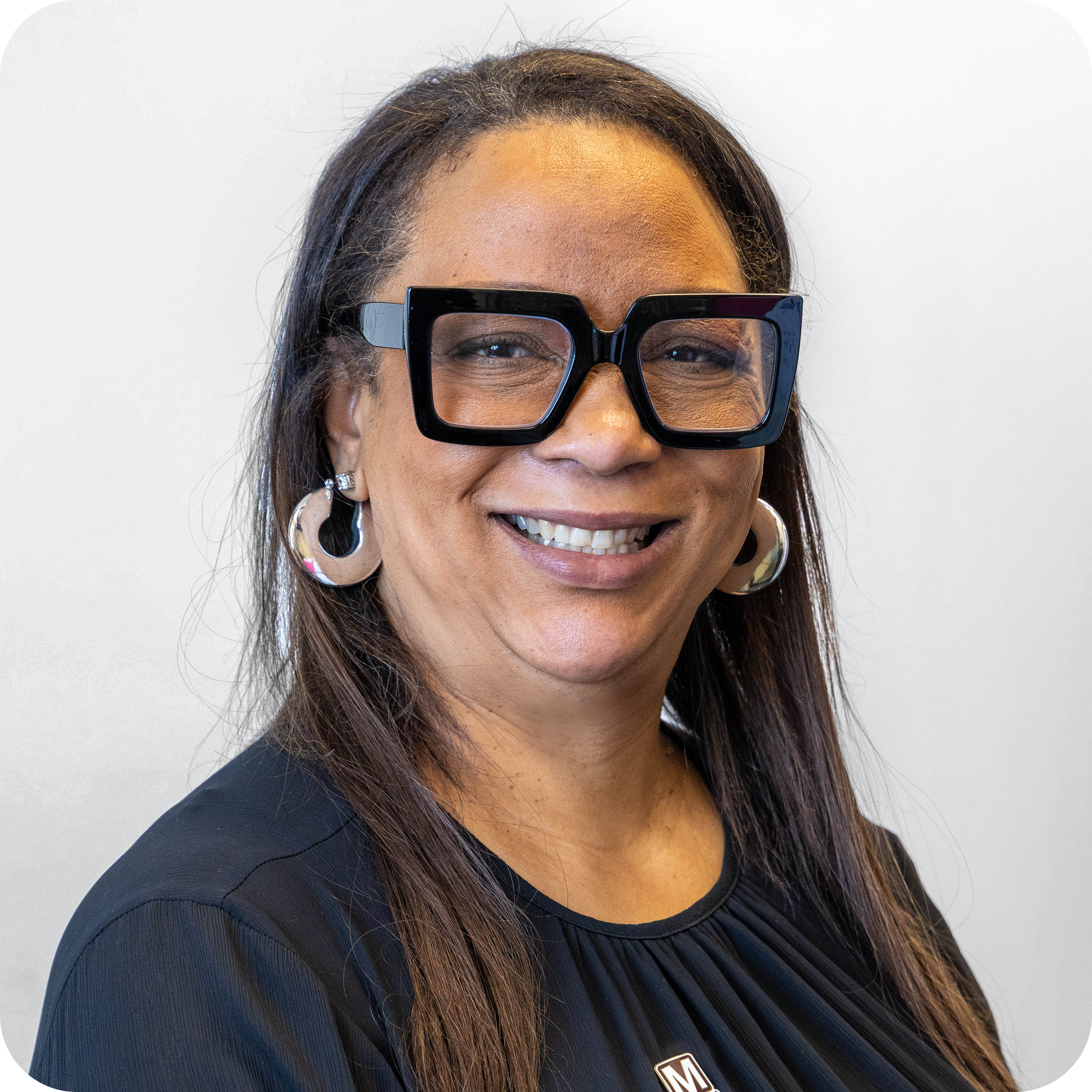
Every morning when Dickerson arrives at Metro’s Hyattsville customer-service office, she walks the call-center floor and greets the representatives. “I’m a big people person,” she says. “I guess you have to be in customer service.” That people-first spirit comes through whenever customers call her support team, available via 202-go-metro, online chat, or physical mail. About 54 percent of the calls, she says, come from riders who need assistance planning a trip by bus or rail. Others call to troubleshoot SmarTrip accounts. Dickerson, who has worked for WMATA since 2017, even relishes the “escalation calls”—I want to speak with a manager!—that make it to her. “I really enjoy helping our customers,” she says, because it gives her “a sense of what’s happening, how they’re being treated, how I can improve something if it’s broken.”
Metro by the Numbers

130
Miles of tracks across the system

1,120,000
Number of trips on President Obama’s first inauguration day, the busiest in Metro history

230
Length, in feet, of the Wheaton station escalator—the longest in the Western Hemisphere

8:53:10
Fastest time, in hours, minutes, and seconds, to visit all 98 stations, according to Guinness World Records

1,258
Number of contestants Randi Miller, then working at an Alexandria car dealership, beat out to become Metro’s voice in 2006

$100,000
Amount Beyoncé paid to keep Metro open for an extra hour after her 2023 FedEx Field concert was delayed by storms
What’s Next for Metro?
WMATA CEO Randy Clarke is about as big a subway booster as you’ll find. But when asked about his dream of future Metro expansion during a public livestream in December, he struck a surprisingly subdued tone. “We’ve got to get our house in order first,” Clarke said, referring to signaling and automation improvements that will be easier to accomplish than adding new stations and tracks. “Then I think we should have an honest conversation about where we need more rail, and be open that that’s not Metrorail as we know it today.”
Largely due to political and financial headwinds, it seems unlikely Metro could build anything in the near future like the suggested “Blue Loop,” a cross-Potomac tunnel connecting the Blue Line with National Harbor and adding several new stops in DC. Instead, we might get smaller, non-train transit improvements. Think a crosstown bus lane, separate from car traffic, linking Benning Road to downtown, Georgetown, and Rosslyn, or a ferry system making use of the Anacostia and Potomac rivers.
There are many reasons why Metro isn’t taking big swings. When WMATA was on a building spree in the ’70s and ’80s, it had a huge in-house construction apparatus. Because there’s not as much building today, the agency tends to pay premium prices for one-off projects using outside contractors and consultants. Litigation and regulation can hold up projects for years. Currently, the area’s future transit needs are somewhat uncertain, as mass federal layoffs and remote work have made downtown less of an obvious destination.
Still, Metro will probably continue to grow—albeit slowly, which itself isn’t any-thing new. In 1968, planners intended for a line to reach Dulles Airport. That finally happened in 2022. Next year, the non-Metro Purple Line light rail is set to open in Maryland, decades after it was first proposed. “People are like, ‘There’s headwinds,’ ” Clarke said in December. “There were headwinds in 1977, and there are going to be headwinds in 2038. . . . We shouldn’t give up on building more rail.”
Why Does a City Known for Its Beltway Have a World-Class Train System?
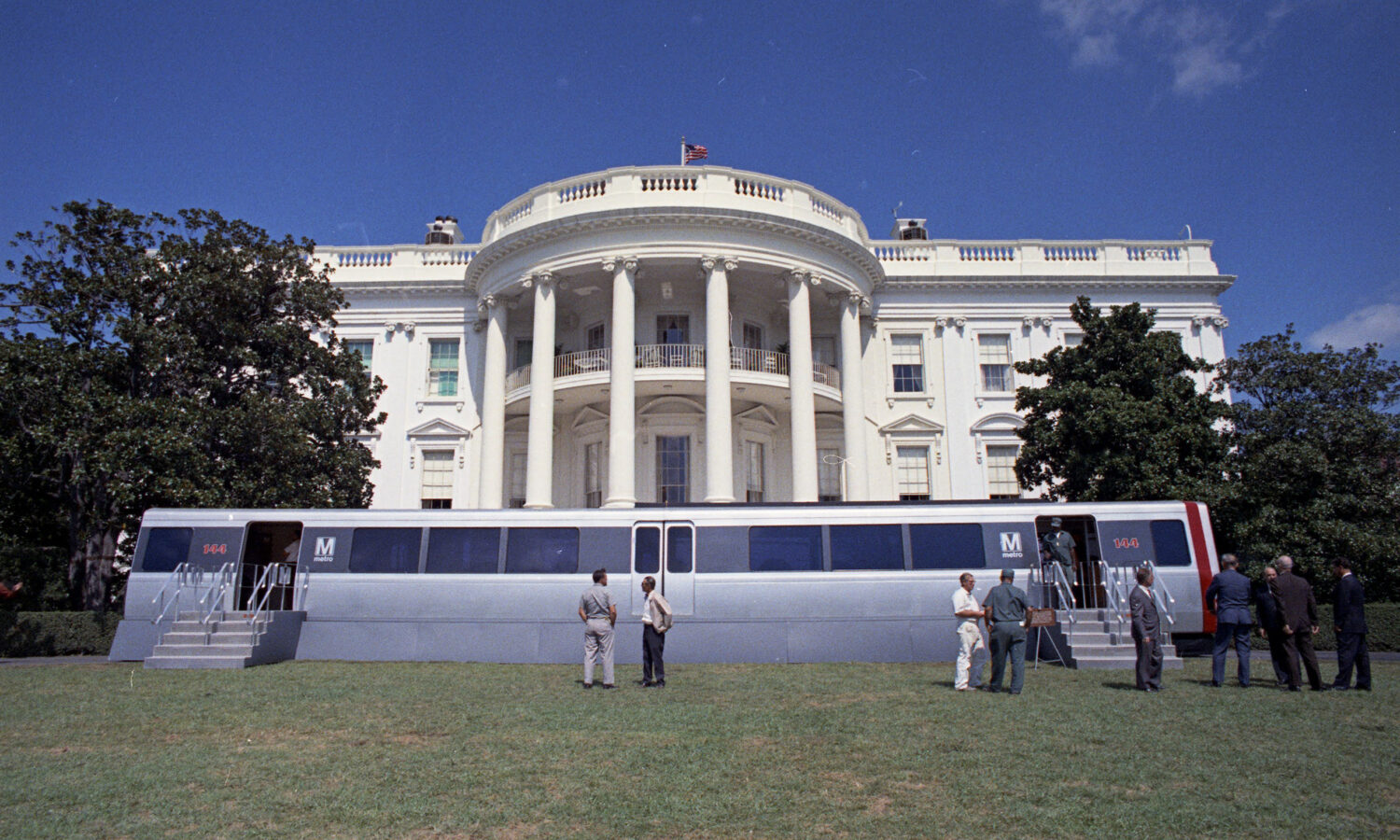 LBJ toured a prototype Metro train parked on the White House lawn in 1968. Photograph courtesy of WMATA.
Washington’s Metro, which turns 50 this year, is something of a miracle. In post–World War II America, highways were the name of the transportation game, as decades of car-centric sprawl made new subway systems an increasingly unattractive option. New York City and Boston had gotten in under the wire—building their subways before widespread automobile ownership, then growing alongside commuter lines in the early 20th century.
Metro, by contrast, was an idealistic, against-the-grain, retro-futuristic project when planners began sketching in the 1960s.
Today, it’s hard to believe Metro’s success: The system, which saw passengers take nearly 147 million trips in 2025, is the second-busiest in America.
How did Metro get here? In part, it was born of local exceptionalism. A nascent anti-freeway movement, made up of people who appreciated the symmetry of Pierre L’Enfant’s original plan for DC, fought to avoid the fate of other cities gleefully cutting highways through their centers. Meanwhile, Presidents John F. Kennedy, Lyndon Johnson, and even Richard Nixon championed Metro, hoping to create a monumental showcase for the nation’s capital.
In fact, LBJ took a particularly keen interest, personally poring over drawings and maps of the in-progress system. The Metro that resulted, says George Mason history professor Zachary Schrag, grew out of the Johnson administration’s commitment to egalitarian public investments that reflected the nation’s huge wealth and equally grand ambitions.
“A product of its era,” Schrag writes in his book The Great Society Subway, “Metro emerged as public transportation intended not merely to transport commuters, but to build, in Johnson’s terms, ‘a place where the city of man serves not only the needs of the body and the demands of commerce but the desire for beauty and the hunger for community.’ ”
If you’ve ever crammed your-self into a rush-hour train—doors closing, but somehow, just barely, not on your laptop bag—Johnson’s words might ring a bit grandiose. But considering everywhere the system goes—to home and work and museums and ballgames and protest marches and presidential inaugurations—it’s hard to argue his point. A half century in, Metro continues to move us forward.
How Does Metro Maintain Its Distinct Look?
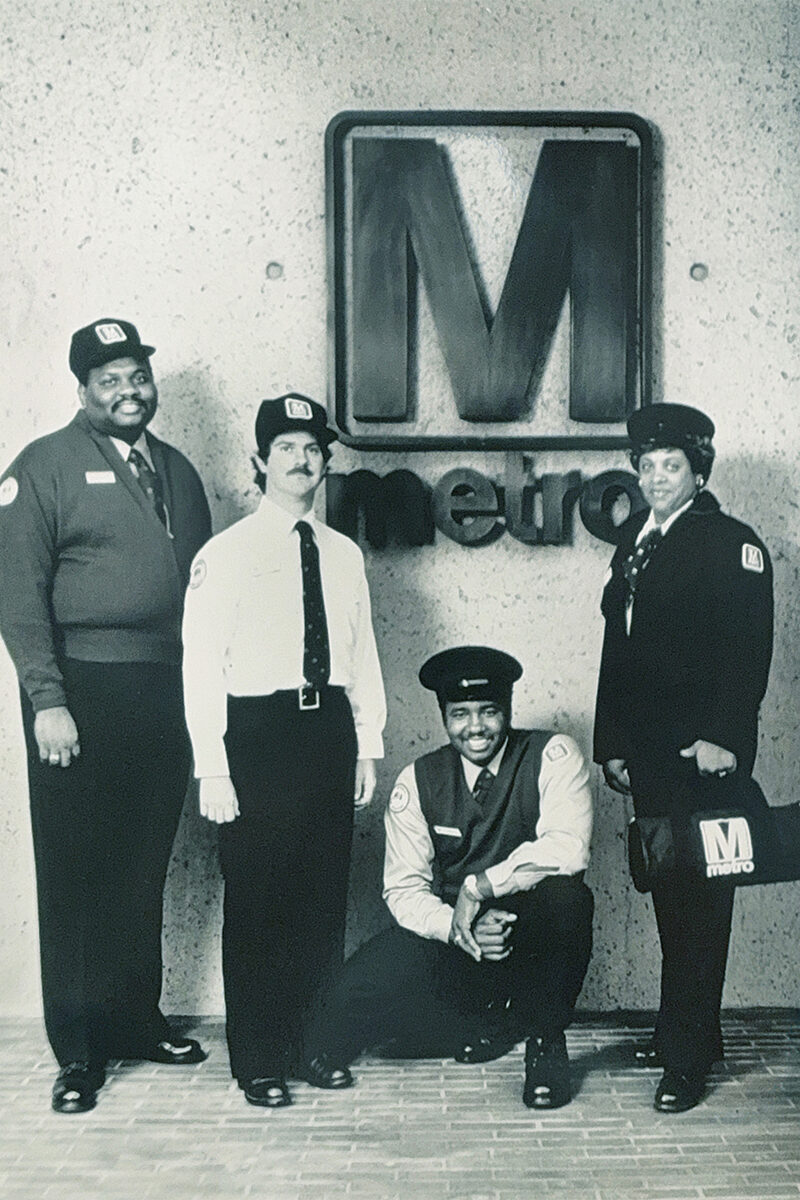
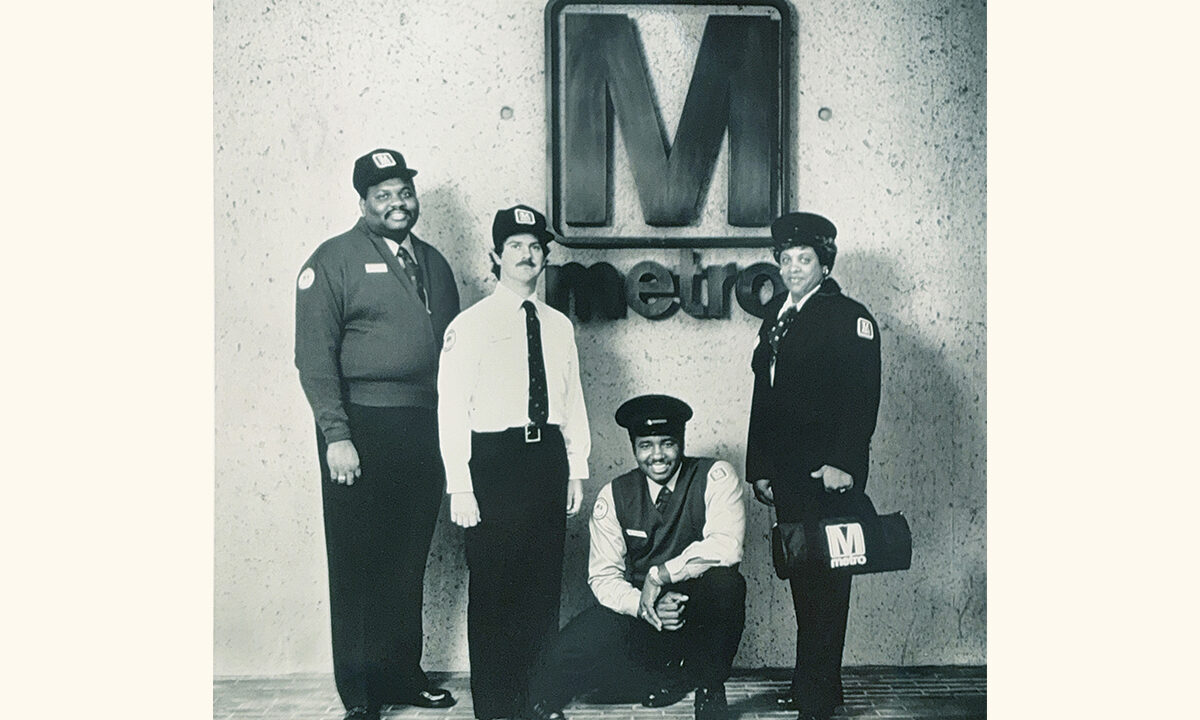
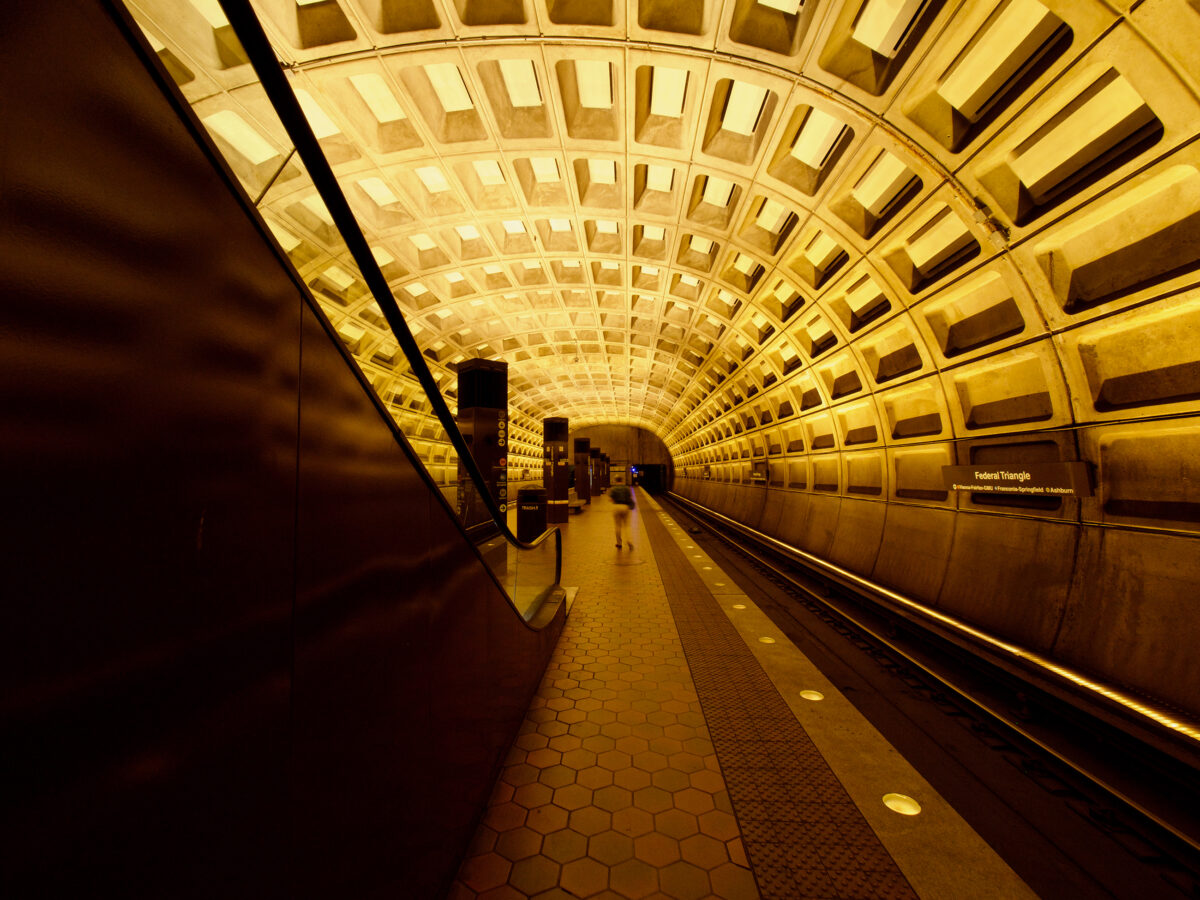 The subway’s BrutThe subway’s Brutalist “waffle”-style vaulted ceilings have become iconic. 4. Metro employees in 1985. alist “waffle”-style vaulted ceilings have become iconic. Photograph courtesy of WMATA.
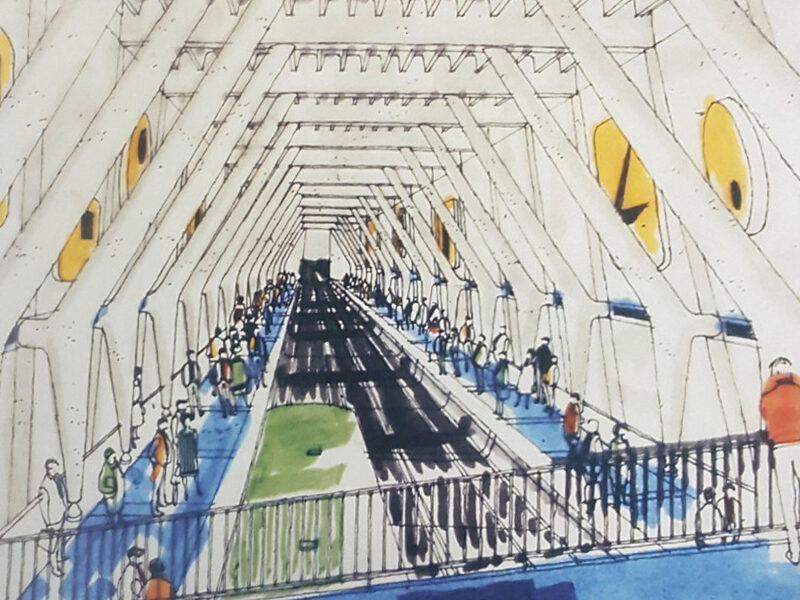
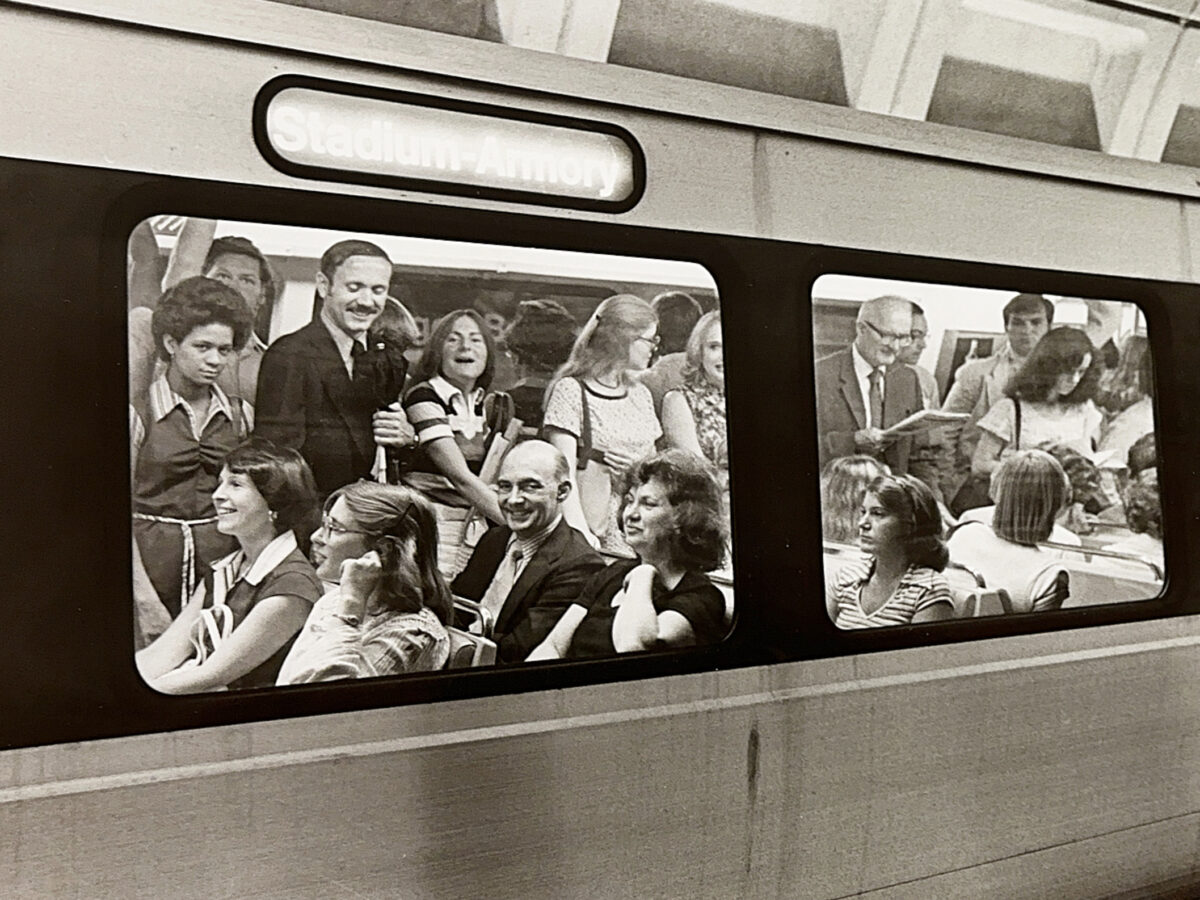
When world-renowned designer Claude Engle Jr. was hired to update Metro’s lighting, he knew it would be a challenge. The system’s original one-of-a-kind lighting style was warm and indirect, sometimes described as “theater-like”—yet over time, as trackside bulbs aged and became caked with grime, stations began to feel like murky cathedrals lit by votive candles.
As a fix, WMATA initially installed blinding globe lights in some stations, changing their atmosphere completely. Engle had a better idea: By 2020, his firm had installed a system of partially hidden LEDs that brightened stations but kept the original vibe alive.
A similar balancing act faces anyone trying to update or maintain Metro, which was given a bold and distinctive design by its original architecture firm, Harry Weese Associates.
Many transit systems are more utilitarian and less unified in style than Metro, which is remarkably consistent across its 98 stations. To maintain aesthetic integrity, Metro hired its first architectural historian in 2015—a move that failed to prevent one station manager’s well-meaning but instantly notorious 2017 decision to paint the Union Station stop’s dingy concrete walls bright white, offending riders and architecture critics alike.
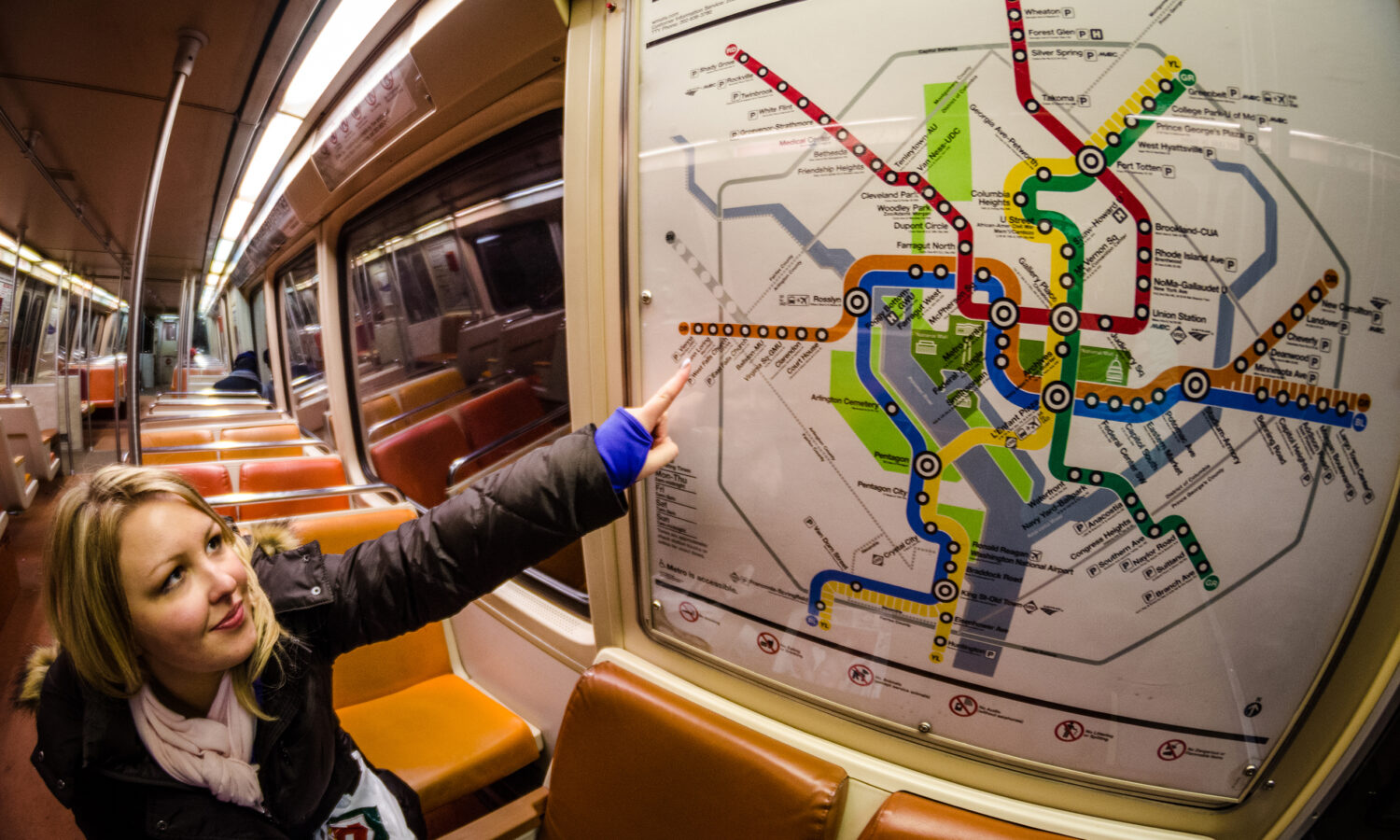
Since 2023, WMATA chief customer officer Sarah Meyer has overseen efforts to modernize maps, signs, and message boards within stations while staying true to Massimo Vignelli’s original “wayfinding” design—short station names, no lettering on the vaulted walls, visual clutter confined to rectangular pillars placed on platforms.
Some change will always be necessary: To better serve riders whose brains have been rewired by Google Maps instructions, for example, future line maps will read from the bottom up instead of from the top down. Still, Metro strives to maintain Vignelli’s minimalism, even pruning WMATA’s dozens of logos down to one, the famous Helvetica-font “M” on a chocolate-brown background. “We’re not redesigning Metro,” Meyer says. “We’re revealing it.”
Why Do Some Metro Elevators Feel Like Afterthoughts?
Metro’s original design featured white granite strips along the platform edges to help visually impaired passengers, blinking train-arrival lights to assist the deaf, and escalators to help the elderly and others unable to climb long flights of stairs. It did not include elevators. According to Zachary Schrag’s The Great Society Subway, architects believed they would disrupt pedestrian flow, provide hiding spots for criminals, and act as expensive and unnecessary “fancy gadgets”—in the words of architect Harry Weese—for wheelchair users, who couldn’t be expected to ride in significant numbers.
Jackson Graham, the retired Army general turned WMATA chief who oversaw the system’s initial construction, also opposed elevators, believing that people with disabilities simply needed to be taught to ride escalators. To that end, Graham brought a film crew to Dulles Airport, where he wore a series of braces and crutches while riding an escalator and ended his demonstration in a wheelchair. Dismissing Graham’s stunt as akin to walking along a “two-by-four board suspended 50 feet in the air—not something to do several times a day,” a wheelchair-using government worker named Richard Heddinger filed an ultimately successful lawsuit against WMATA that forced the installation of elevators in the under-construction system via on-the-fly redesigns and hacking through already-poured concrete vaults. Today, all stations feature elevators, but some of them can be hard to find or located blocks from main entrances, an unfortunate reminder of a less accessible era.
How Can You Find Love on the Rails?
Close quarters. Inevitable eye contact. The thrilling prospect of a chance encounter à la Before Sunrise. For those burnt out on dating apps and looking for love, can Metro be the answer? To get tips on turning a commute into a meet-cute, we talked to Elizabeth Goldberg and Andy Palumbo, a DC couple who met on the Green Line in 2017 and married last year.
Sit strategically. While neither was looking for a future spouse during their fateful Metro ride, Palumbo did pick Goldberg’s car after catching a glimpse of her striking blue-green hair from the Gallery Place platform. He also plopped down in an accessible-seating cluster catty-corner from Goldberg’s row. While Palumbo says he had “no intention of speaking,” their positions made eye contact easy.
Be in the moment. The Metro is not an especially chatty place, so striking up a conversation with a stranger might feel awkward. Palumbo and Goldberg happened to encounter a natural icebreaker. Shortly after Palumbo boarded, a group of teenagers hopped on with a boombox. They started breakdancing, and he took off his headphones to take it all in. “We caught eyes like, How are we supposed to be reacting? ” Goldberg says. “I think there is something to be said for being a little more in the world around you.”
Timing is everything. Flirtation and the harried vibes of rush hour don’t mix. Goldberg and Palumbo met around 9 pm. “I don’t think this would have happened if we were going to work,” she says. Both got off at the Columbia Heights stop, and the escalator ride up “seemed like an appropriate time” to chat about the impromptu dance recital they’d just witnessed. Learning they were neighbors, the two exchanged phone numbers.
Just go for it. Goldberg calls their meeting a Sliding Doors moment. Had Palumbo boarded another car—or if those kids hadn’t busted any moves—the two might never have spoken. If you spot a potential soulmate on the Metro, she says, embrace “having a moment in time in common. If you’re looking for connection, then it means other people probably are, too.” Don’t be afraid to initiate a conversation. And if your crush doesn’t reciprocate? You’ll both get off the train eventually and probably never see each other again. You have nothing to lose but singledom.
What Were the Weirdest Busy Days in Metro History?
Presidential inaugurations. Major political protests. The Cherry Blossom Festival. Historically, most of Metro’s busiest days are what you’d expect them to be—such as President Obama’s first inauguration in 2009, which holds the all-time record, with 1.12 million trips. But a few are more surprising.
Images.
Stephen Strasburg’s Washington Nationals Debut, 2010
Trips: 856,578
The highly touted pitching phenom and number-one overall draft pick’s first MLB start, at Nationals Park, was unquestionably a big deal for baseball fans. It also contributed to a busier Metro day than Ronald Reagan’s 2004 funeral and the 1988 victory parade for the Super Bowl–winning Washington NFL squad.

Rally to Restore Sanity and/or Fear, 2010
Trips: 825,437
Hosted by political comedians Jon Stewart and Stephen Colbert, this seriocomic sendup of a previous Glenn Beck–led rally corresponded with more Metro trips than 1995’s Million Man March and a 1991 Gulf War victory celebration.
“Tractor Man” Traffic Shutdown, 2003
Trips: 705,892
After a protesting North Carolina farmer parked a tractor in a pond on the National Mall and claimed to have explosives, a standoff with law enforcement produced closed streets, frozen rush-hour traffic, and a surge in Metro trips that surpassed at least two presidential inaugurations (Trump, 2017, George H.W. Bush, 1989).
What Happens When You Leave Your Phone on the Metro?

Nearly 1,700 unlucky riders lost their phones on a Metro train last year. What happens next? The system relies on Good Samaritans to turn in lost items to station managers, who log and secure them in locked bags. The bags are collected by “rail runners”—Metro’s internal mail-pickup staff—and taken to the end-of-the-line stations. From there, items travel to a lost-and-found office in Hyattsville, where they’re held for 30 days before being disposed of or donated to charity.
Metro has found some unusual items on trains—including a taxidermied alligator head and a prosthetic leg with a tennis shoe and skateboard attached to it—but phones are the most common, followed by wallets (1,108 in 2025) and backpacks (716). Not everything makes it to Hyattsville, as medications and large sums of money go to Metro Transit Police. Of the items that end up there, about 12 percent are returned to their owners.
Darbi Dickerson, WMATA’s director of lost and found, encourages customers to file a claim at Metro’s website as soon as they realize they’ve misplaced their belongings. “It makes it so much easier for us to track those items and reunite you,” she says.
Why Didn’t We Get Bright-Red Metro Cars?
Inspired by the London Underground, Metro’s original designers hoped to paint their cars a deep, glossy red. However, cost concerns meant that the eventual first generation of trains to hit the rails in 1976 were unpainted aluminum with some brown elements, a look that has remained relatively unchanged. Here are some other planned Metro features that never came to be.
A Bridge Over Rock Creek
As the Red Line shoots north from Dupont Circle toward the Woodley Park station, which is buried deeper in metamorphic rock, it tunnels under Rock Creek. But Metro architect Harry Weese originally had another vision: The tracks would cut through the huge concrete supports of the Taft Bridge, running underneath the traffic on that grand 1906 crossing. Engineers killed the idea, which would have given riders some pretty sweet views.
Distinctive Symbols for Each Stop
On Mexico City’s Metro map, every station has its own distinctive icon: Even if you forget or can’t read the name of your destination, you can recognize its image. That map’s creator, Lance Wyman, also designed Metro’s and originally had the same idea in mind—the scales of justice for Judiciary Square, a scroll for Archives, a pile of apples for Eastern Market. Sadly, the result was a bit too cluttered for Massimo Vignelli, the designer who created most of Metro’s spartan look.
Low-Ceilinged Stations
Ever been on New York City’s subway—or Toronto’s, one of the major inspirations for Metro? If you’re tall, you practically risk hitting your head in certain stations. That could have been DC’s reality too, but architect Weese had grander visions for the nation’s capital. While early designs showed stops more like Toronto’s, he settled on Metro’s now-famous vaulted concrete ceilings.
The Georgetown Gondola Lift
In the 2010s, DC and Arlington County governments and business organizations studied and proposed building a gondola lift connecting Georgetown with the Rosslyn Metro station—basically, a system of aerial cable cars suspended over the Potomac, running parallel to the Key Bridge. Alas, a 2021 funding request from DC Council member Brooke Pinto didn’t make it into the city’s budget.
The Washington Monument Exit
One plan for the Smithsonian station called for an escalator that would deposit riders near the foot of the Washington Monument, creating a grand first glimpse of the city for tourists visiting the Mall. The National Park Service objected to the location—bummer!—and now the exit faces the opposite direction.
Why Did It Take So Long to Finish the Green Line?
Though Metro’s first five stations opened on the Red Line in 1976, the first three Green Line stations—Shaw–Howard University, U Street–Cardozo, and Mount Vernon Square–UDC—didn’t open until 1991. And the line’s final five, including the terminus at Branch Avenue, weren’t finished for another decade.
What took so long? While the Green Line was one of the system’s five originally planned lines, its actual route was “something of an afterthought,” says George Mason history professor Zachary Schrag. In the wake of the 1968 riots that followed Martin Luther King Jr.’s assassination and left parts of DC in ruins, local leaders such as Walter Fauntroy advocated for the Green Line as a key to rebuilding—a catalyst for a “renewal with people” to benefit low-income residents historically overlooked by city planners.
However, disagreements between WMATA and locals over exact routes and construction methods resulted in multiple hearings and studies in the late 1970s, contributing to delays. The question of the Green Line’s end point was particularly prickly. Initially planned for near Branch Avenue, it was switched to Rosecroft Raceway in 1980, triggering a legal fight and a court order blocking construction along the entire line from 1982 to 1985.
Meanwhile, Ronald Reagan’s administration slashed WMATA’s federal appropriations after he took office in 1981, and it continued cutting from 1985 to 1987, slowing the line’s progress. In 1985, construction finally began on the Anacostia tunnel, readying the path to complete Metro’s southeastern portion. Still, delays kept occurring. Legal battles over construction contracts paused work and left dangerous street craters for five years, with residents describing Shaw as a “disaster area.” Many businesses in the affected areas did not survive to see the Green Line’s opening.
In 2017, a report commissioned by the Capitol Riverfront Business Improvement District found that much of DC’s growth during this century occurred within areas of the city that the Green Line served—more people, more jobs, more building, more businesses. This development, still ongoing, has spurred warranted concerns about gentrification. But it also reflects the transformative vision of the Green Line’s early advocates: that the Metro could lift the city it serves.
History, in the Cards
Why Is There a “Special Bond” Between Metro and Autistic Kids?

Transit Project.
Some of the most detailed questions Randy Clarke ever has to answer come at a meet-and-greet event held every spring for some of Metro’s younger riders. After sitting in the driver’s booth of a railcar and petting transit-police dogs, a group of kids with autism get to meet with Clarke, WMATA’s CEO, and fire away. Last year, Peadar Connelly, 11, wanted to know more about “the pickle,” the bright-green diesel-powered train that Metro uses for track inspection. Meanwhile, Marsalis Harrington—also 11 and able to draw the system map from memory—asked about the arrival of the new 8000-series trains.
“It’s probably the toughest press conference [Clarke will] submit himself to in any given year,” says Jonathan Trichter, founder of the Autism Transit Project, which arranges the meeting with Metro’s head. The organization, founded in 2022, also works with Metro on having kids who are on the spectrum make boarding and safety announcements—you may have heard them the last few years during April, in honor of Autism Acceptance Month.
WMATA says the announcements are a way of recognizing “the special bond children with autism often have with mass transit systems.” In Washington and other cities with significant rail systems, this affinity is pretty well known: Fixed routes and schedules can appeal to autistic minds, and Trichter says the feats of engineering that most of us take for granted can spark intense interest and passion from kids with the condition.
Elliott D’Amore is one of them. The eight-year-old—who says the transit-fan and autistic communities are “the same thing, practically”—was in a Metro station one day with his mother, Meredith, when they heard an announcement from an autistic kid. “I think I cried on that day, because I was wondering how I could do that,” Elliott says.
His mom got in touch with Trichter. The following year, Elliott’s voice could be heard over Metro’s loudspeakers. His message, reminding riders about priority seating for seniors and disabled people, begins: “Hi, my name is Elliott and I am a big fan of public transit. I am autistic, which I promise you is amazing.”
Who Makes Metro Run?
Metro isn’t just a collection of trains and stations. “We are people,” says WMATA vice president of communications Whitney Nichels. Day after day, the system’s 13,000 employees make the subway work for the rest of us—cleaning stations, solving problems, and, in one particular case, wagging their tail. Here are a few of the faces who make Metro go.
Whitney Nichels
Vice President of Communications and Head of Social
When Nichels joined Metro in 2023, she wanted to shake up its traditionally corporate social-media content, the better to “match the vibes” on TikTok and Instagram. That moment came in June 2024, when a video Metro posted featuring a cast of handsome, well-dressed riders went viral. Since then, Nichels and her two-person content-creation-and-approval team have found social-media success with memes, humorous videos, informational posts, and heartwarming features about frontline workers who, she says, “don’t often get that spotlight.” Metro’s Instagram account has jumped from 40,000 to nearly 72,000 followers in just over 18 months, a boost Nichels credits to a humanizing strategy that has helped customers see the system as “more than just trains and buses.”
Binki
Critical-Incident Canine
In late 2024, the Metro Transit Police Department welcomed a new four-legged employee: Binki the black Lab. A certified police therapy dog, Binki isn’t trained to sniff out drugs or explosives but to provide emotional support after emergencies. Her biggest job to date? Comforting National Guard members after two soldiers were shot outside the Farragut West station last November. On a typical day, you might find Binki accompanying members of the department’s Crisis Intervention Team, which aims to connect unhoused people in stations with shelters. “She’s a great conversation starter,” says Jonathan Sanchez (above), Binki’s assigned officer. Binki also visits schools and workplaces and swings by Metro offices for employee morale boosts. If you see Binki on your commute, remember: This is one working dog you’re allowed to pet.
Greg Garback
Director of Fare Revenue Systems and Modernization
Garback has worked at Metro for 43 years, but he’s been a fan for longer—his father, a US Army Corps of Engineers worker, helped oversee the original system’s construction. Since starting as a construction supervisor in 1983, Garback has worked on the various ways people pay to ride, facilitating Metro’s transition from magnetic-stripe paper cards to rechargeable SmarTrip cards to tap-to-pay. In fact, if you store your SmarTrip in your mobile wallet, you have Garback to thank: In 2020, Metro became the first transit system in the country to virtualize its passes. Fare dodgers have also felt Garback’s impact, as he oversaw the installation of revamped gates in 2024, a move that has reduced evasion by more than 80 percent. With each innovation, Garback says, he loves his job even more: “What’s extremely rewarding is I was there on opening day and I’m here 50 years later.”
Darbi Dickerson
Director of Customer Service
Every morning when Dickerson arrives at Metro’s Hyattsville customer-service office, she walks the call-center floor and greets the representatives. “I’m a big people person,” she says. “I guess you have to be in customer service.” That people-first spirit comes through whenever customers call her support team, available via 202-go-metro, online chat, or physical mail. About 54 percent of the calls, she says, come from riders who need assistance planning a trip by bus or rail. Others call to troubleshoot SmarTrip accounts. Dickerson, who has worked for WMATA since 2017, even relishes the “escalation calls”—I want to speak with a manager!—that make it to her. “I really enjoy helping our customers,” she says, because it gives her “a sense of what’s happening, how they’re being treated, how I can improve something if it’s broken.”
Metro by the Numbers

130
Miles of tracks across the system

1,120,000
Number of trips on President Obama’s first inauguration day, the busiest in Metro history

230
Length, in feet, of the Wheaton station escalator—the longest in the Western Hemisphere

8:53:10
Fastest time, in hours, minutes, and seconds, to visit all 98 stations, according to Guinness World Records

1,258
Number of contestants Randi Miller, then working at an Alexandria car dealership, beat out to become Metro’s voice in 2006

$100,000
Amount Beyoncé paid to keep Metro open for an extra hour after her 2023 FedEx Field concert was delayed by storms
What’s Next for Metro?
WMATA CEO Randy Clarke is about as big a subway booster as you’ll find. But when asked about his dream of future Metro expansion during a public livestream in December, he struck a surprisingly subdued tone. “We’ve got to get our house in order first,” Clarke said, referring to signaling and automation improvements that will be easier to accomplish than adding new stations and tracks. “Then I think we should have an honest conversation about where we need more rail, and be open that that’s not Metrorail as we know it today.”
Largely due to political and financial headwinds, it seems unlikely Metro could build anything in the near future like the suggested “Blue Loop,” a cross-Potomac tunnel connecting the Blue Line with National Harbor and adding several new stops in DC. Instead, we might get smaller, non-train transit improvements. Think a crosstown bus lane, separate from car traffic, linking Benning Road to downtown, Georgetown, and Rosslyn, or a ferry system making use of the Anacostia and Potomac rivers.
There are many reasons why Metro isn’t taking big swings. When WMATA was on a building spree in the ’70s and ’80s, it had a huge in-house construction apparatus. Because there’s not as much building today, the agency tends to pay premium prices for one-off projects using outside contractors and consultants. Litigation and regulation can hold up projects for years. Currently, the area’s future transit needs are somewhat uncertain, as mass federal layoffs and remote work have made downtown less of an obvious destination.
Still, Metro will probably continue to grow—albeit slowly, which itself isn’t any-thing new. In 1968, planners intended for a line to reach Dulles Airport. That finally happened in 2022. Next year, the non-Metro Purple Line light rail is set to open in Maryland, decades after it was first proposed. “People are like, ‘There’s headwinds,’ ” Clarke said in December. “There were headwinds in 1977, and there are going to be headwinds in 2038. . . . We shouldn’t give up on building more rail.”
This article appears in the March 2026 issue of Washingtonian.