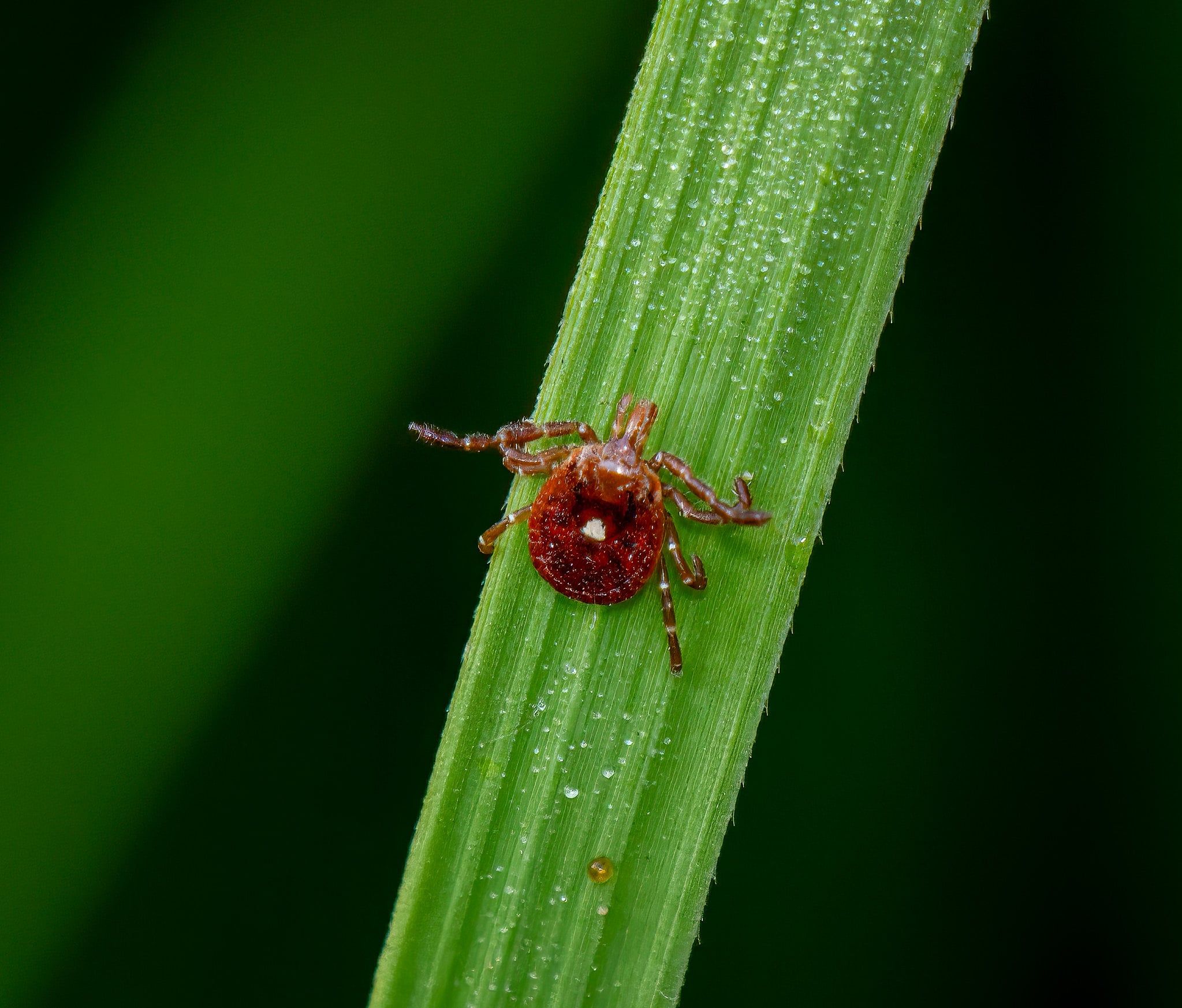
We are teetering on the cusp of summer here in DC, and that means we’re supposed to be enjoying things—say, a midday lounge at Malcolm X Park or a weekend hike through Rock Creek Park. But a viral post on X last week has reminded Washingtonians not to get too comfortable outside:
Hey if you’re in dc and you’re spending lots of time outside you need to check yourself for ticks regularly there’s a 500% increase in ticks this year and yesterday me and my friends found 3 on our clothes after hanging out in dupont circle
— Organizermemes (@OrganizerMemes) June 1, 2026
The moderator of the OrganizerMemes X account, who asked to remain anonymous due to privacy concerns, told Washingtonian about his recent tick encounter. (Yes, it happened in Dupont Circle! Not even in the woods! We’re talking city parks here, people.) “We were just walking around, enjoying the few days of livable, bearable weather in DC before it gets too humid,” he recalls. “And we’re just sitting, chatting, and I was like, ‘Something’s biting me.’ ” He and his friends went home, checked each other for more creepy-crawlies, and fortunately disposed of the offenders before they had a chance to gorge on any precious blood. I am coming to you with this tale as a native of eastern Connecticut, the mystical land where Lyme disease symptoms were first documented and I learned to fear ticks above serial killers: It could have been you.
First, some news that will feel good to read: That 500-percent-increase figure cited in the OrganizerMemes post is probably not legit, just because it’s virtually impossible to quantify exactly how many ticks are out there. “We just don’t have that data in regards to the population,” says Tom Dobrinksa, a board-certified entomologist and a resident tick expert for the pest control company Terminix. “But what we can do is refer to the [Centers for Disease Control and Prevention] and kind of look at some of the trends.” The CDC reported in April that the US is seeing more tick bite-related emergency room visits this year than we have since 2017.
In fact, ticks have been on the up-and-up locally and beyond for the past several years. CDC data shows a 57 percent jump in DC Lyme disease cases between 2012 and 2023—and that’s only what has been reported. Why is this happening to us? It has a lot to do with climate change, Dobrinska explains. Warmer winters, wet springs, and high humidity all make for environmental conditions that are friendly to both ticks and the host animals that they’re attracted to, like deer and raccoons. “That means that peak season now starts a little earlier, and it also is going to end a little later,” he says. Ticks can technically find you in the off-season, but April through September is considered their busiest time of year. “We’re going to probably have another surge in late summer based on their life cycles,” Dobrinska adds. Here is what you need to know about these little demons and how to protect yourself.
What kinds of ticks are in DC?
“I’ve never lived in a place that has ticks,” OrganizerMemes says. When he posted about his Dupont Circle experience, “all of a sudden, all these people were asking me questions about whether it was a tick or a beetle, and then they were mad at me for not knowing.” It sounds like our city needs a primer on what kinds of ticks tend to live in these parts, what they look like, and what diseases they carry.
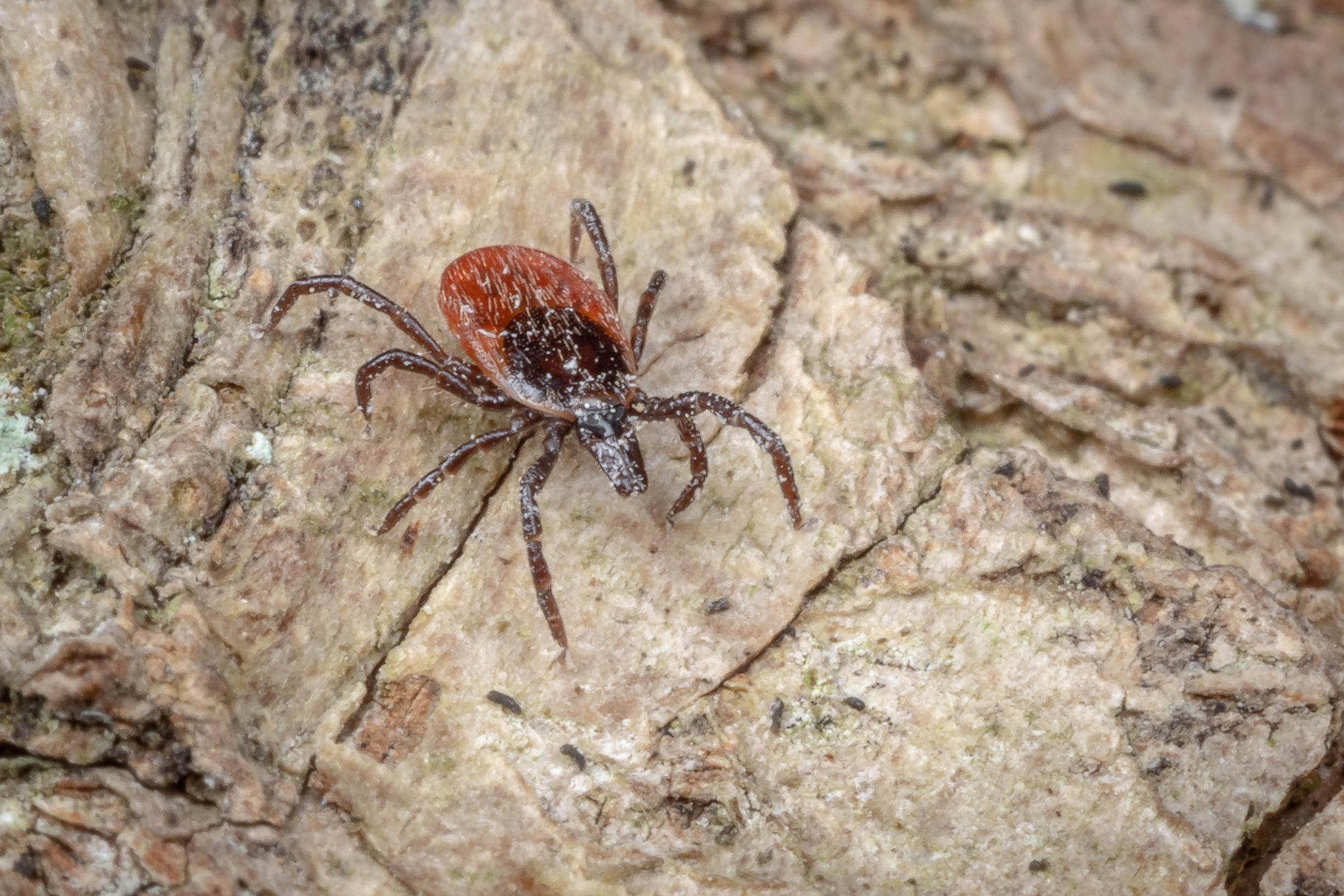
Deer ticks: These fellas are best known for their transmission of Lyme disease, but they also carry other bacterial infections like babesiosis and anaplasmosis. They are about the size of a sesame seed. Females have a reddish-brown abdomen, while males are solid black or brown. Also known as black-legged ticks.
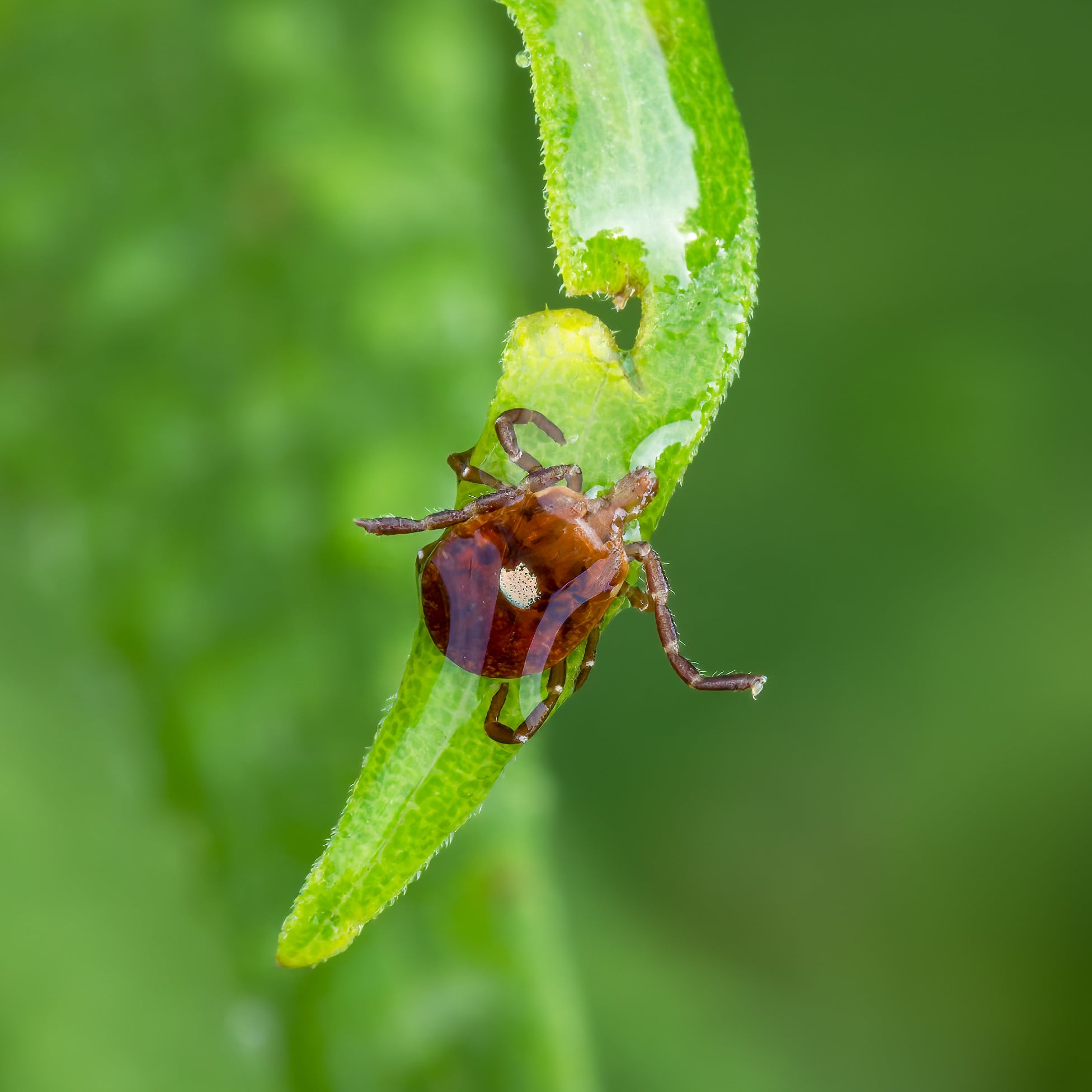
Lone star ticks: These are the creatures behind what Dobrinska calls the “disease du jour”—alpha-gal syndrome, which causes a severe allergy to red meat. They are reddish-brown in color. Females have a single white dot on their backs, while males boast white streaks or scattered spots.
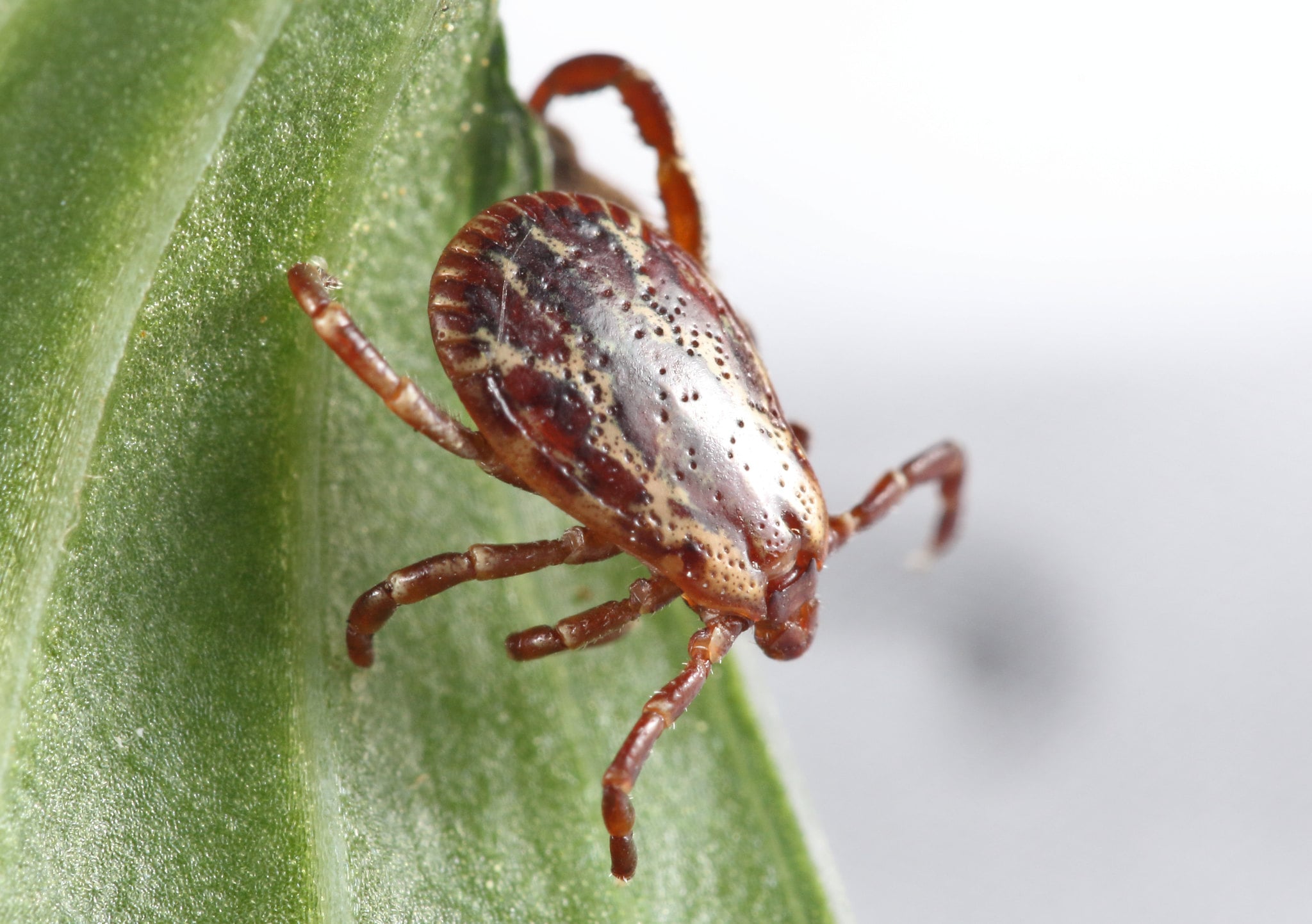
American dog ticks: These freaks are the largest of the “big three” local tick types. They start at around 4 millimeters long, and I’m not even going to get into how big they grow once they start feeding. They are also reddish-brown; males tend to have white markings all along their backs, while these patterns are concentrated around the head in females. They are famous for giving humans Rocky Mountain Spotted Fever, and as their name suggests, they quite enjoy the blood of dogs.
How can you protect yourself from ticks?
Now that you know a little more about our local tick population, you need to understand how they move. “They’re starting low because [when] the eggs are deposited, they fall onto the ground,” Dobrinska explains. They’re “coming from the soil, and they are working their way up” to about two or three inches above the dirt. Tick bites typically happen when you’re rubbing up against vegetation—say, lying in tall grass or walking through the woods. But emerging science suggests that you don’t even need to be physically touching any plant life to get nipped. New research shows that ticks, which cannot jump or fly, apparently harness static electricity to hop a number of millimeters away onto a host. “If you just even come close to that vegetation, they can actually be transmitted that way, which is mind-boggling and diabolical,” Dobrinska says.
If you’re going for a romp in nature, you can buy permethrin spray to deter ticks. “Keep in mind, you don’t want to treat your skin with permethrin,” Dobrinska says. “You’re only putting that on your clothes.” Speaking of clothes, conventional wisdom suggests wearing long sleeves and long pants outside during peak tick season. “I don’t know about you, but I’m not going to do that,” Dobrinska admits, given the summer heat. But you should at least consider sticking to long pants if you plan to rub up on any vegetation, and especially if you’re venturing into the woods. He also recommends checking out the Environmental Protection Agency’s list of registered repellants, and be sure to review the application instructions on the packaging—some go directly on your skin while others are meant only for clothing, and you might end up with a rash if you cross those wires.
If you’re a homeowner, be sure to keep your grass cut short. As we head into fall, stay on top of raking your lawn, since ticks tend to thrive in leaf litter. In fact, they enjoy all manner of shady environments, so consider moving your kid’s playscape into direct sunlight. Avoid stacking piles of rocks and wood, since those can also foster a cool and humid environment, and mind any bird feeders—seed spillover will attract rodents, which will attract ticks. “If it’s something that’s beyond your control, homeowners can always hire a licensed professional that’s familiar with tick biology and the best application practices as well,” Dobrinska adds.
How should you check for ticks?
I am drawing from personal experience when I say that you should really be checking yourself (and your pets!) for ticks whenever you go outside this time of year. If possible, it’s best to bathe within two hours after returning home from an outdoor excursion so you can more easily spot and remove ticks.
Let’s say you have just spent a sunny afternoon lying in your preferred patch of local grass, and now that you’re inside, you’d like to ensure that you do not contract any tick-borne illnesses. Here’s how to do it:
Step 1. Find a buddy. If you must, skip this step and opt for a mirror, but it is easier to perform a thorough sweep when you have a friend to check your work. It can also be a great bonding experience, and is perhaps the most health-conscious way to flirt with a picnic date.
Step 2. Inspect each part of your body, but focus on the “moist and humid” areas, as Dobrinska describes them—armpits, thighs, inside your belly button, behind your knees, and importantly, around the neck where your hair meets your skin. “You’re just looking for something maybe a little smaller than an appleseed, something that’s smooth, and it’s sedentary, too,” he says. “It’s just going to be there. It’s not going to be moving around.”
Step 3. Carefully examine any clothing, gear, or pets that accompanied you outside. If you find a tick on your clothes, tumble-dry them on high heat for about ten minutes (longer if they’re already damp). If you need to wash those clothes anyway, do it in hot water. This should kill the tick.
If you find a tick, take it off with tweezers. This is important. “Make sure that you’re avoiding crushing that tick on your fingers, because you could cause a secondary infection if you have some sore or something that’s open,” Dobrinska explains. If you are hanging out at a park, spy a tick on your skin, and don’t have your tweezers handy, go straight home and remove it appropriately. Infection transmission is time-sensitive and “you still want to get it as soon as possible,” he adds, but a 30-minute trip home to acquire the right gear is “probably negligible.” It’s also possible that you’ll remove a tick but its mouthparts will still be embedded in your skin. In that case, call a doctor.
Once you take the tick off your skin, you have a few disposal options—remember that stomping on them can release infected fluids. Consider filling a plastic bag with rubbing alcohol and dropping the tick inside. If you don’t have rubbing alcohol, you can just seal the empty bag shut. You might also flush it down the toilet.
“The key for me is keeping your head on a swivel, knowing what to look out for when you’re taking hikes and things like that, and knowing how to prevent it in the first place, especially in your backyard and making sure you’re wearing the right repellents,” Dobrinska says. In other words, know your enemy. “It’s always ‘mosquitoes, mosquitoes,’ but if we’re talking about transmission of pathogens that cause diseases, in the United States, it’s the ticks that are going to be responsible for 90 percent of that. Don’t underestimate them.”