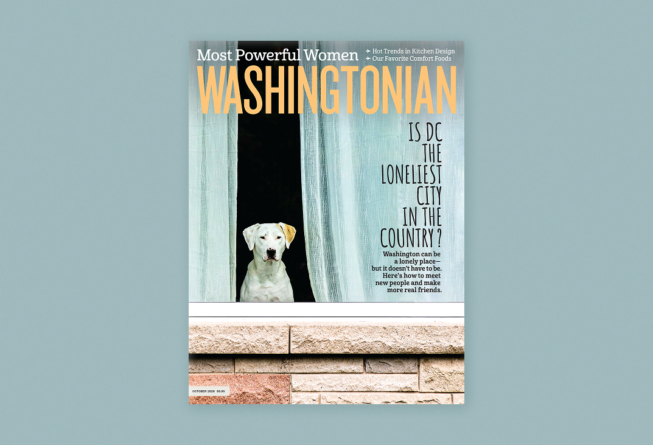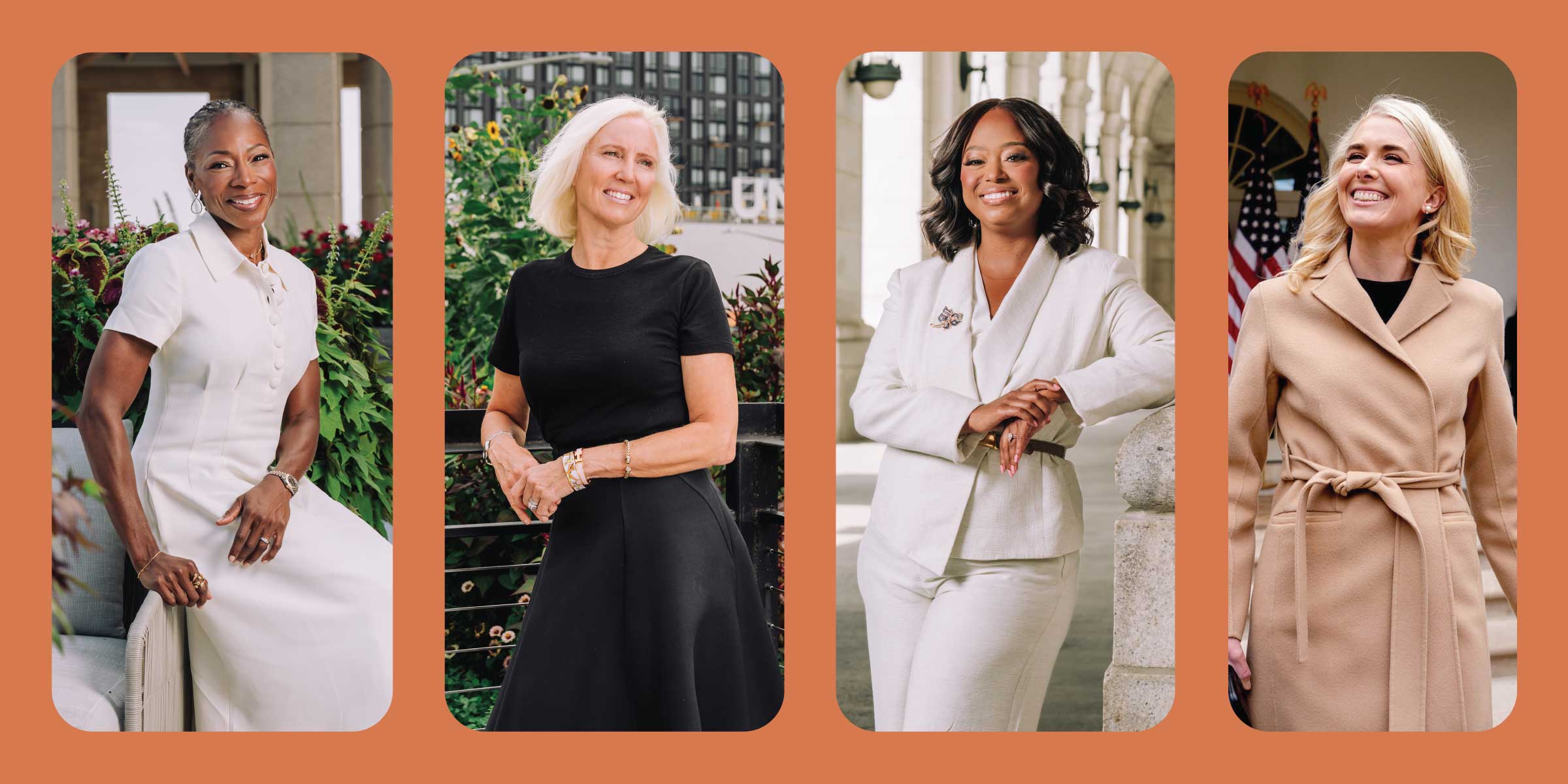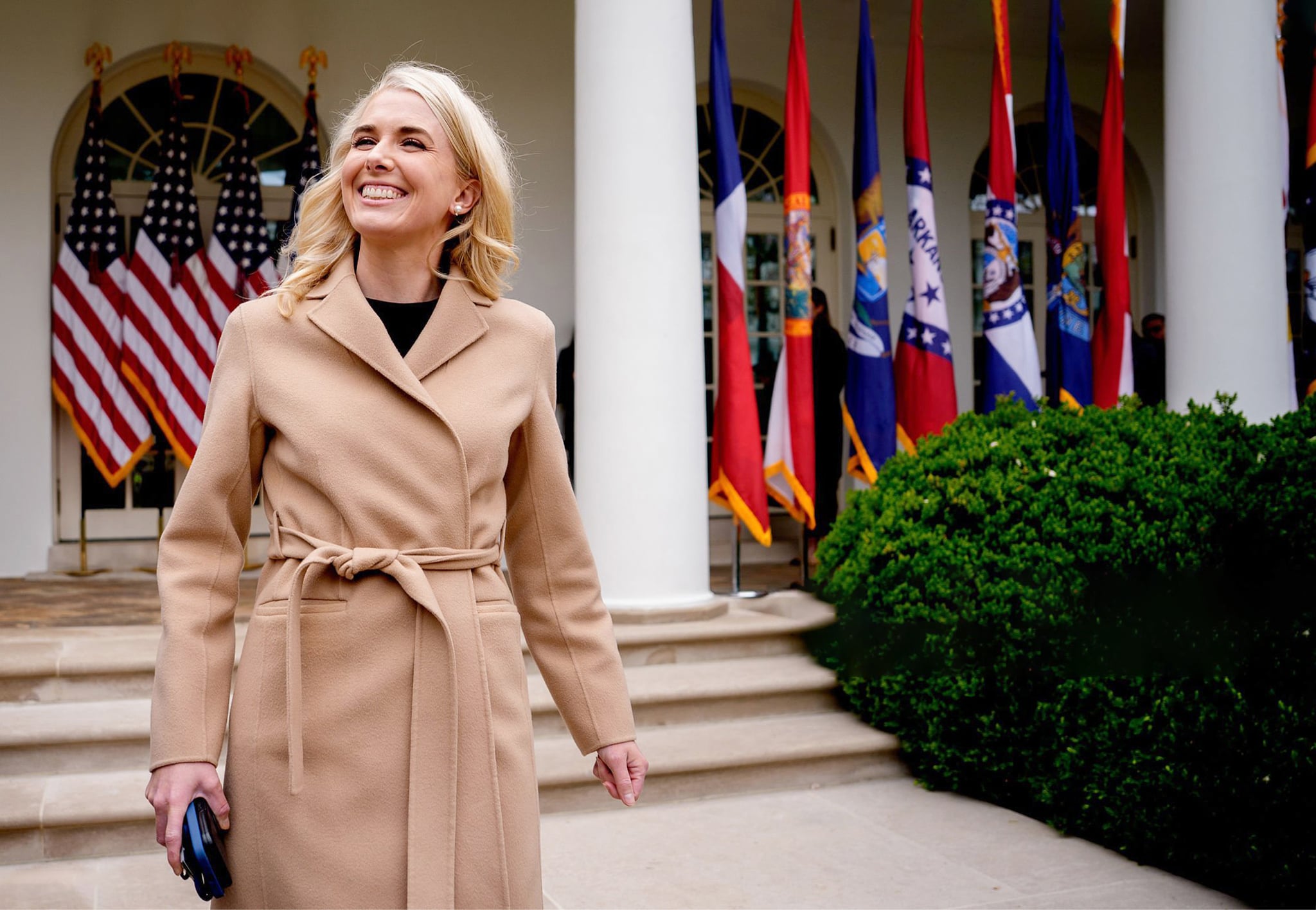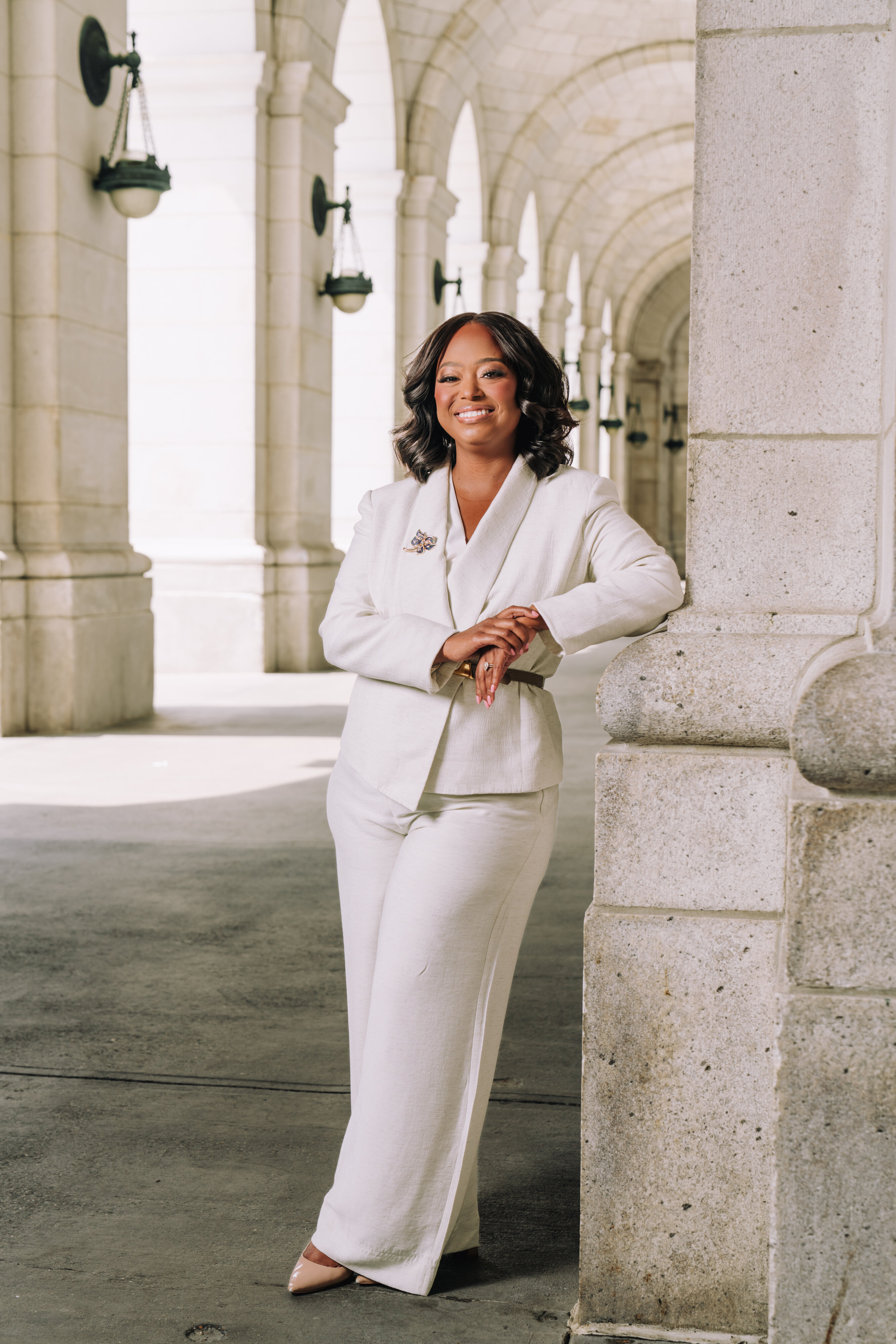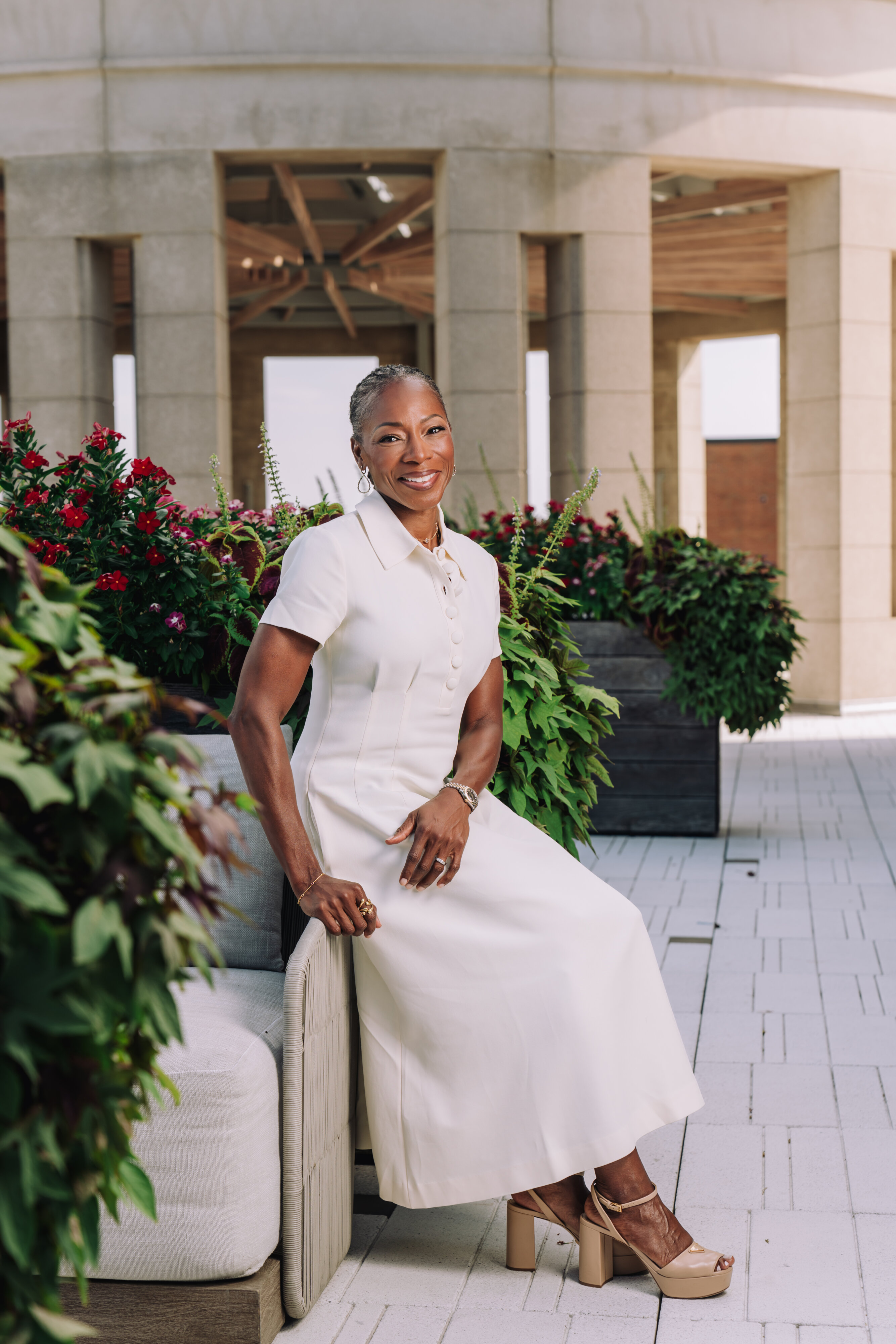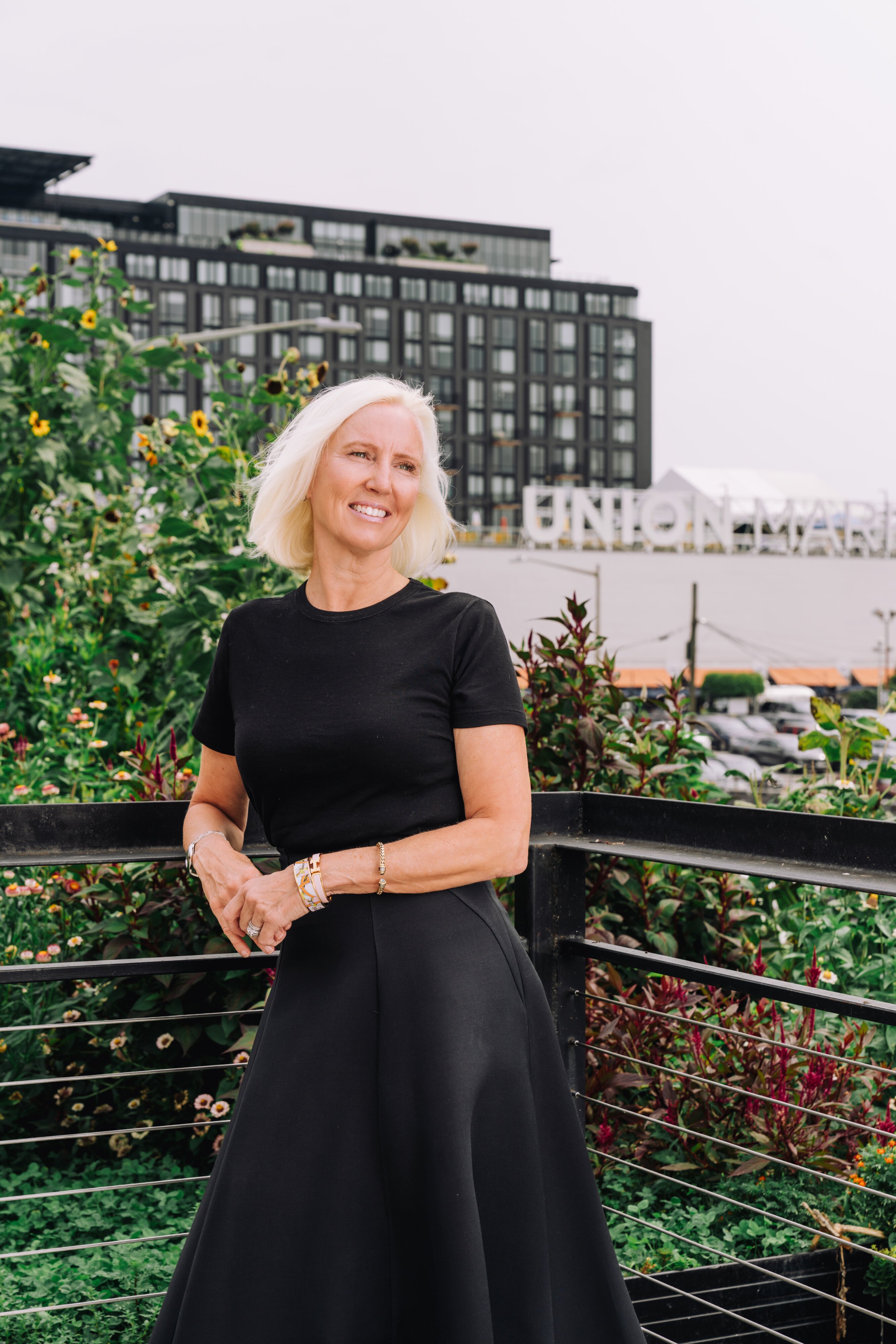
Washingtonian’s October issue features our 2026 list of the area’s 300 Most Powerful Women. In the print article, which comes out today, we ran photos of four of the women: Jodie McLean, the CEO of Edens; Natalie Harp, Special and Executive Assistant to the President; Janeese Lewis George, the presumptive next mayor of DC; and Myechia Minter-Jordan, the CEO of AARP. We emailed each woman a few questions about their lives and careers, and used part of their answers for the captions that appear in print with each photo. But we didn’t have room for all their answers in print, so we are sharing their complete responses online. Below is what Jodie McLean shared about the region’s economic challenges right now, what retail spaces need to have to survive, and when having power can be dangerous.
1. What are the key issues/priorities you’re focused on for the coming year?
I am focused on growth, particularly what creates sustainable growth in a city like Washington. Growth isn’t just adding buildings. Whether I’m thinking about Edens or Washington, the question I am really asking is how do we create the conditions for people, businesses, and communities to thrive?
It starts with jobs that attract people who create demand for housing, restaurants, retail, culture, and, ultimately, vitality on the street.
I would love to look back at the end of next year and say DC added 50,000 jobs and 25,000 residents. I want to see jobs coming in, residents coming back, and cranes in the air.
I am also thinking about small businesses. They are disproportionately important to great neighborhoods and where communities develop personality and people build loyalty. But it is incredibly expensive and complicated to be an entrepreneur in DC. We have to make it easier for people to start and grow businesses here.
We are also watching the consumer very closely. The numbers in the headlines still look relatively healthy, but a meaningful part of the consumer feels one job loss away from real financial stress. That matters enormously to all retailers and especially small businesses, which are already operating with very little margin for error.
And finally, as technology makes our lives more convenient, I think it is also making many of us more disconnected. I believe we are going to increasingly crave real-life human connection—and physical places have an incredibly important role to play in that.
2. How has the transition to a digital/tech-focused way of life affected your business?
Technology doesn’t make physical places less relevant. It changes what we need them for. The more digital our lives become, the more valuable places of real human connection become.
I’m actually more bullish about great physical places. Technology has made us incredibly efficient. We can work, shop, bank, order dinner, entertain ourselves—and increasingly use AI to make decisions—without ever leaving home. That is extraordinary.
But the trade-off is that we are more digitally connected and, in many ways, more humanly disconnected.
The role of physical retail has changed; we do not need stores simply to complete transactions anymore. We need places that give us reasons to leave home, to grab coffee, work out, have dinner, discover something new, run into someone unexpected, and feel connected to a community.
Convenience is table stakes. But convenience alone doesn’t build loyalty. Experience does. And increasingly, routine does.
The places that become part of people’s weekly rhythm—groceries, coffee, fitness, restaurants, services—begin to feel like their place. And that emotional connection is incredibly powerful.
So I don’t see technology and physical retail as competitors. Technology makes transactions easier. Great physical places make life richer. And I think the more digital our lives become, the more valuable real human connection will become.
3. What do you feel has been the key to your success? Am I right that you’ve been with Edens for 36 years? What has kept you there? Did you ever think about doing anything else?
Yes—36 years, which sounds slightly crazy when I say it aloud. I joined Edens at 22 thinking I would stay for two years.
Work ethic and curiosity certainly matter, but the biggest thing has been surrounding myself with extraordinary people who challenge me, make me better, and are as committed to building something meaningful as I am. Curiosity kept me growing. And extraordinary people kept trusting me with more than I had done before.
I think the foundation was work ethic. I grew up with real responsibilities—taking care of farm animals, mowing the lawn, and I played competitive sports from a pretty early age. You showed up and did what needed to be done. That gave me a a strong sense of dependability, drive, and probably a healthy amount of ambition and aggression.
But whatever success I have had, it is absolutely not an individual story. I was incredibly fortunate to have people early in my career who saw potential in me that I did not necessarily see in myself yet, and then gave me real responsibility before I was completely ready for it. I learned that I loved being stretched.
Today, I am surrounded by an extraordinary team, and I’ve been very intentional about surrounding myself with people who are smarter than I am in lots of areas and, importantly, aren’t afraid to tell me when they think I’m wrong.
Did I think about leaving? Of course. There were opportunities. But, I stayed because of the people and because in 36 years, I feel like I’ve had eight distinct careers. Edens kept evolving, the industry kept evolving, and every few years I was being asked to solve a bigger problem or become a different kind of leader. Every chapter required a different version of me, and I was willing to keep becoming her.
And there is something incredibly rewarding about staying long enough to actually build an institution—to see decisions you made 20 or 30 years ago compound through people, culture, communities and performance.
4. What does it mean to be in a position of power in Washington?
I think about power much more as stewardship. If you are fortunate enough to have influence—whether that comes from leading a company, controlling capital, having relationships, or simply having a seat at the table—you have been entrusted with something. And I think that creates an obligation to use it well.
Washington is an extraordinary city because there is an incredible concentration of power here: government, business, universities, philanthropy, culture. But power can become very insular if we are not careful. The question I ask is: Who benefits from the decisions we are making? Are we leaving the people and places we touch stronger?
For me, that means using whatever influence I have to create opportunity—to help attract jobs and businesses to Washington, support entrepreneurs, create places where people want to live and gather, and hopefully leave communities stronger than we found them.
And part of using power well is knowing when not to be the most powerful voice in the room. So I don’t think of power as what can I make happen. I have built my career around surrounding myself with people who will disagree with me. I call it harmonious discourse. Power without people willing to challenge you can become pretty dangerous.