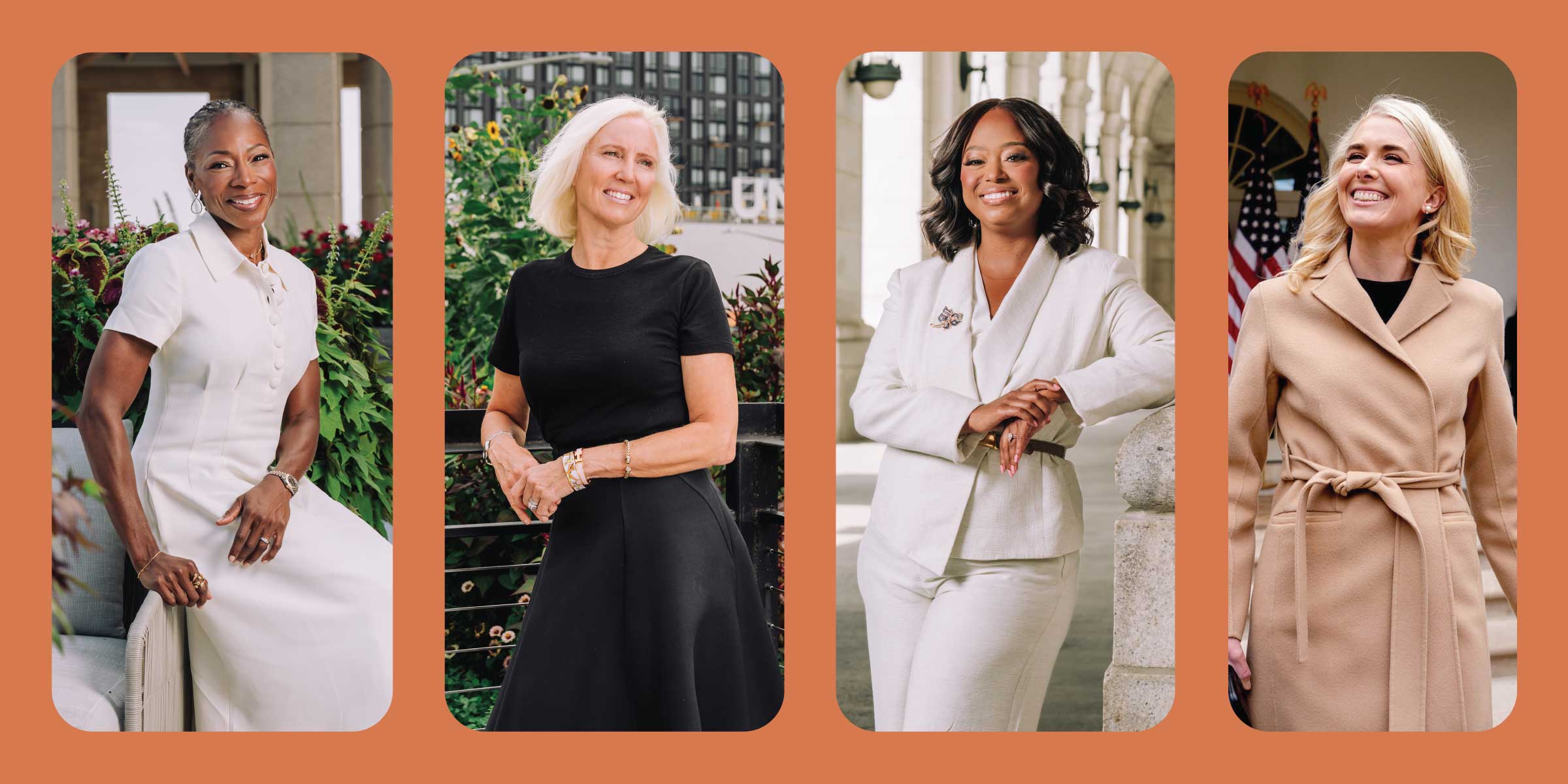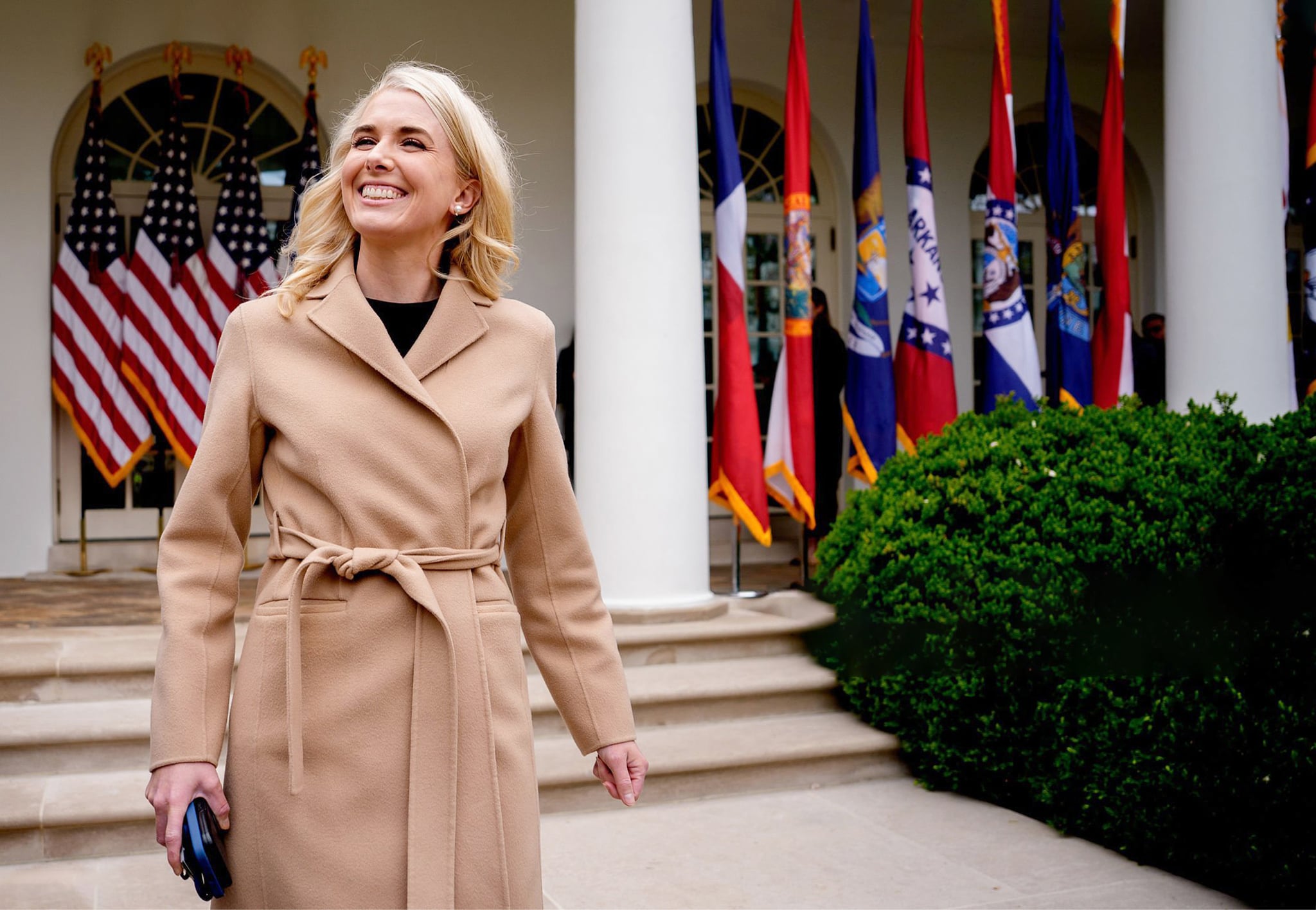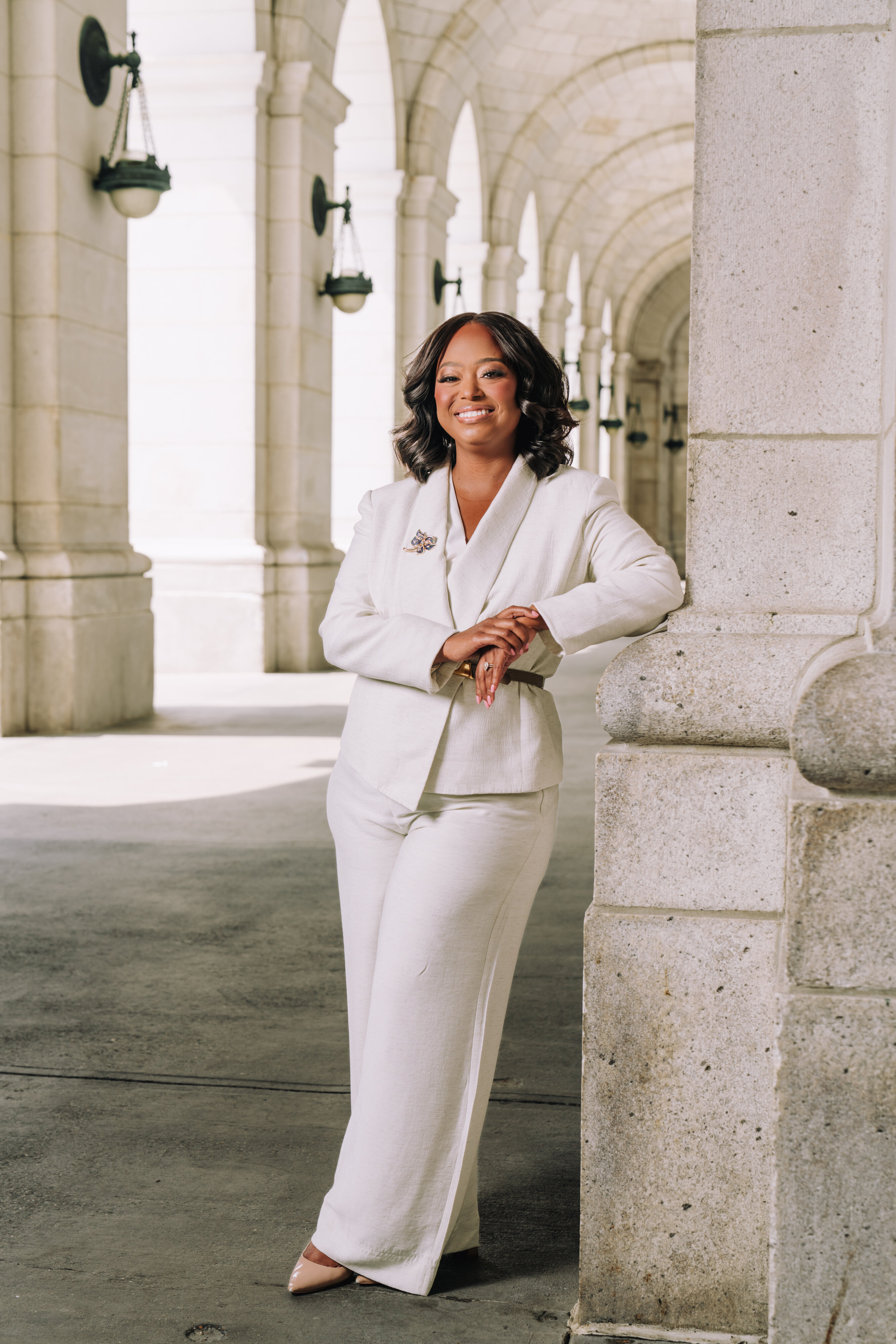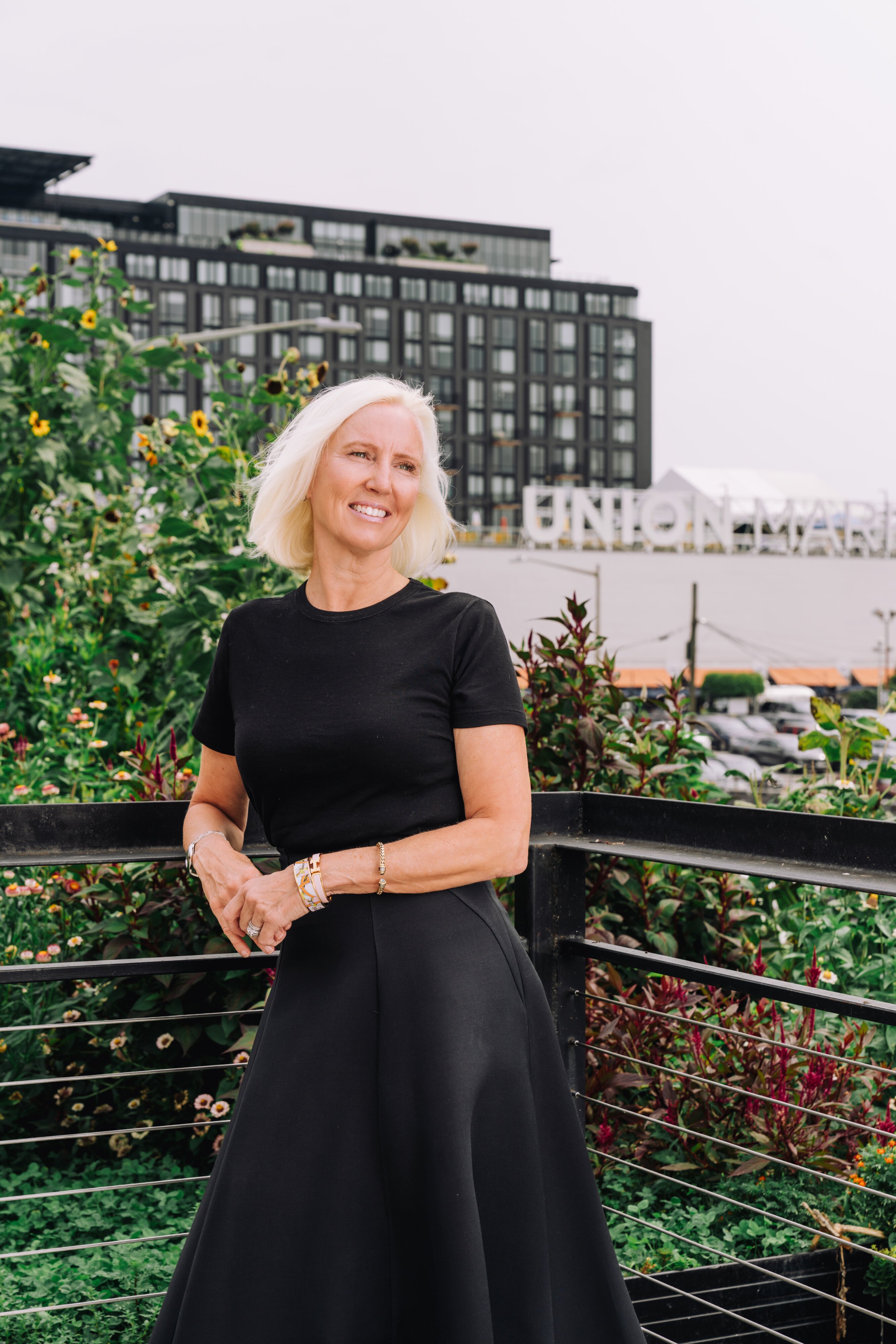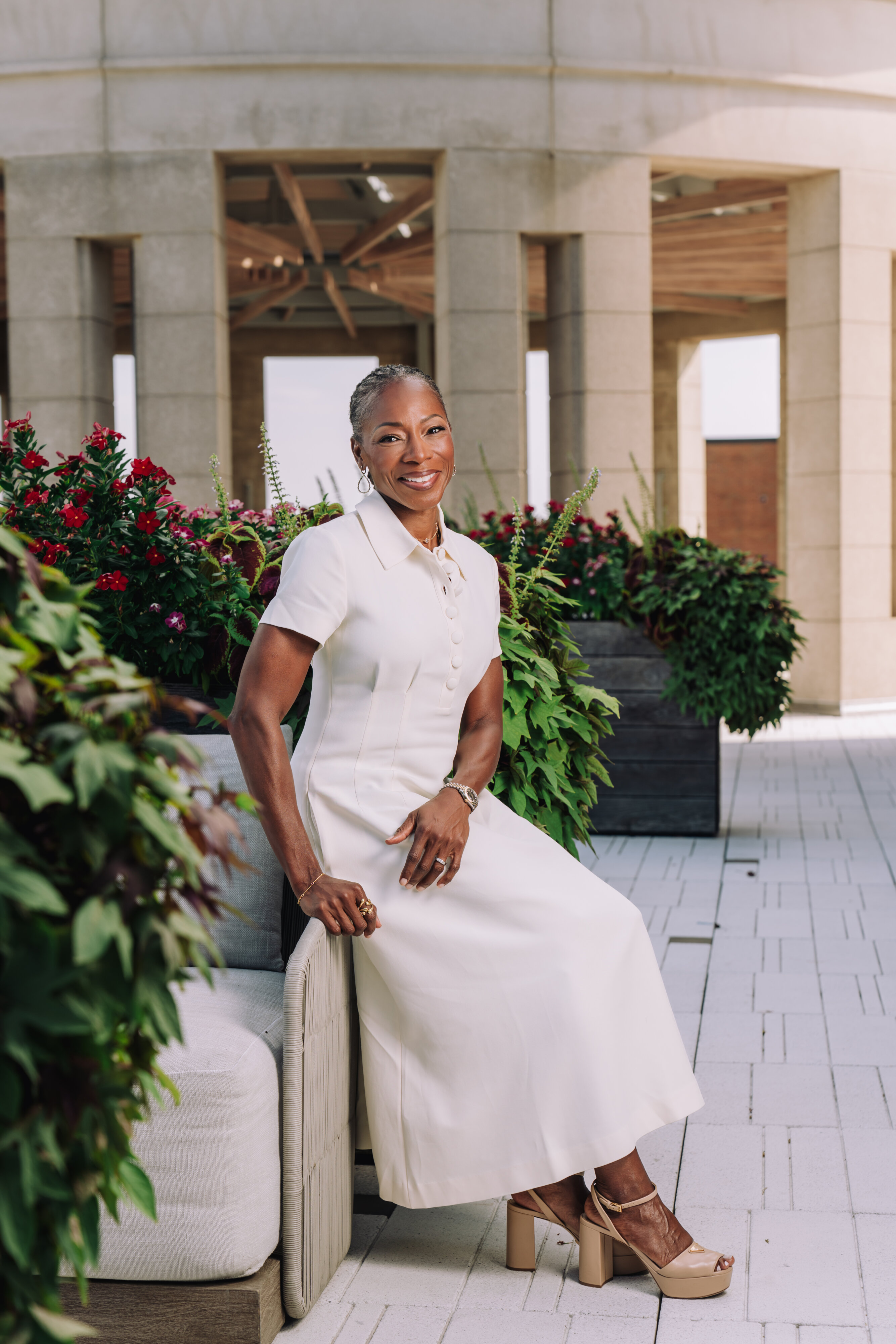
Washingtonian’s October issue features our 2026 list of the area’s 300 Most Powerful Women. In the print article, which comes out today, we ran photos of four of the women: Myechia Minter-Jordan, the CEO of AARP; Janeese Lewis George, the presumptive next mayor of DC; Natalie Harp, Special and Executive Assistant to the President; and Jodie McLean, the CEO of Edens. We emailed each of these woman a few questions about their lives and careers, and used part of their answers for the captions that appear in print with each photo. But we didn’t have room in print for all their answers, so we are sharing their complete responses online. Below, you can read what AARP’s Myechia Minter-Jordan thinks are the issues facing older Americans—from longevity to Social Security to AI.
1. What are the key issues/priorities you’re focused on for the coming year—and are these the major concerns of 50-plus Americans today?
We’re in the middle of a longevity revolution, and it is one of the defining social and economic shifts of our time. People are living longer, working longer, and contributing longer than any generation before them. But longer lives should not mean longer periods of illness, insecurity, or isolation. We need to close the gap between how long people live and how long they are able to live with good health, independence, purpose, and financial security.
This work has never been more urgent given how quickly technology is transforming our lives. AI-driven innovations and tools can help people age better — through earlier detection, better care navigation, support for caregivers, fraud prevention, and more personalized ways to manage health. But innovation only improves our lives if we can trust it, access it, and understand what actually works.
One challenge of the longevity revolution is that everyone now wants to sell people a longer, healthier life. Some of those innovations are promising. Some are unproven. And some are just expensive noise. AARP has an important role to play as a trusted voice—helping people separate evidence from hype, protecting them from fraud and misinformation, and fighting for the policies and supports that make a real difference in their lives. That means helping people navigate new choices and technologies while also fighting for essential programs like Social Security and Medicare, lowering prescription drug costs, supporting the 63 million family caregivers holding this country together, and helping people build real financial security.
2. What do you feel have been the key achievements of your stewardship of AARP?
I measure progress by whether people feel more empowered by possibility as they age—and whether they are helping to shape the systems around them. One of AARP’s greatest strengths is trust at scale. My goal is to make sure people understand what is changing, what matters, and where they can make a difference.
That showed up clearly last year, when we alerted members that in-person reporting requirements for Social Security could soon take effect. Roughly three million members wrote, called, or texted their members of Congress to voice their concern, and their action helped stop a federal proposal in its tracks. That is the power of raising your voice when it matters most to you.
We are also helping intergenerational communities take action locally. Recently, I doubled our investment in community grants to support roughly 750 local projects, from park benches to a home-sharing pilot to transportation, to help foster social connection and more.
And we are pushing business leaders to recognize that aging is not a niche issue. Americans 50 and older contribute $12.5 trillion to the economy every year. We are working with more than 700 companies to help them design products, services, workplaces, and technologies that reflect the reality of longer lives. That includes making sure AI and other emerging tools and technologies are built with and for older adults.
3. What have been the biggest challenges of the last year or two for the organization?
Our biggest challenge has also been our biggest opportunity: helping people navigate a world that is changing faster than many of our systems, policies, and institutions can keep up. That includes reevaluating the way that AARP shows up for and supports those we serve. The experience of aging is being reshaped by technology, caregiving demands, economic pressure, health innovation, fraud, misinformation, and persistent ageism. That is a lot for anyone to sort through.
AI is a good example. It may become one of the most powerful tools we have to help people live healthier, longer lives — but only if it is designed with the needs of aging adults in mind. If we are not intentional, AI could deepen existing inequities, make scams more sophisticated, or exclude people from services they need. If we get it right, it can help people manage care, stay independent, support caregivers, detect fraud, and make better decisions about their health and finances.
The same is true for the broader longevity marketplace. People are surrounded by products, platforms, influencers, supplements, tests, and tools that promise to help them live longer and better. Some are promising. Some are not backed by evidence. Our job is to help people understand the difference—and to keep pushing for the policy changes, consumer protections, and community supports that actually close the health span gap.
At AARP, we are clear-eyed about the challenges, but deeply optimistic about the opportunity. The future of aging is being designed right now. People over 50 need to have a seat at that table, and AARP’s role is to make sure their voices, needs, and ideas help shape what comes next.
4. What do you think has been the key to your professional success?
A long-term focus on health has probably been my greatest asset. My years as a physician, and later leading a large community health center, taught me the power of advocacy and community engagement to actually change how health care works for people. And my time as a health care executive taught me the value of pairing that mission with a disciplined business mindset.
Beyond that, I’ve stayed intentional about learning and looking for ways to expand my impact. My career hasn’t moved in a straight line, but every chapter has built on the last. I try to stay open to new opportunities, carry forward what I’ve learned, and apply it in new ways—while always staying grounded in the people and communities I’m working for.
5. You started out as a physician. What made you decide to transition to the leadership/executive side?
I’m an internist by training, and I went to business school after realizing early in my residency how little I actually knew about the business of medicine. I wanted to better understand the health care system so I could be a stronger advocate for my patients. That’s what led me to pursue roles with broader, systemic impact—and, eventually, to my role as CEO of AARP.
I think about health care holistically. AARP focuses on health, wealth, and self, and all three are deeply connected to our well-being as we age. This role gives me an incredible opportunity to represent more than 125 million Americans 50 and older, and to help shape how we think about aging—and its impact across every industry in our country.
6. Any secrets for maintaining a work/life balance—are there things you do every day (like exercise, check-ins with friends, etc.) that help you de-stress or recharge?
Most days start with a good workout and a few quiet minutes of meditation. It’s how I set aside time, intentionally, to focus my mind heading into each busy day. I believe our personal wellness is something we can and must take charge of—I’m a more grounded person and a better leader when I make space for that. No one is going to hand you that time. You have to claim it for yourself.