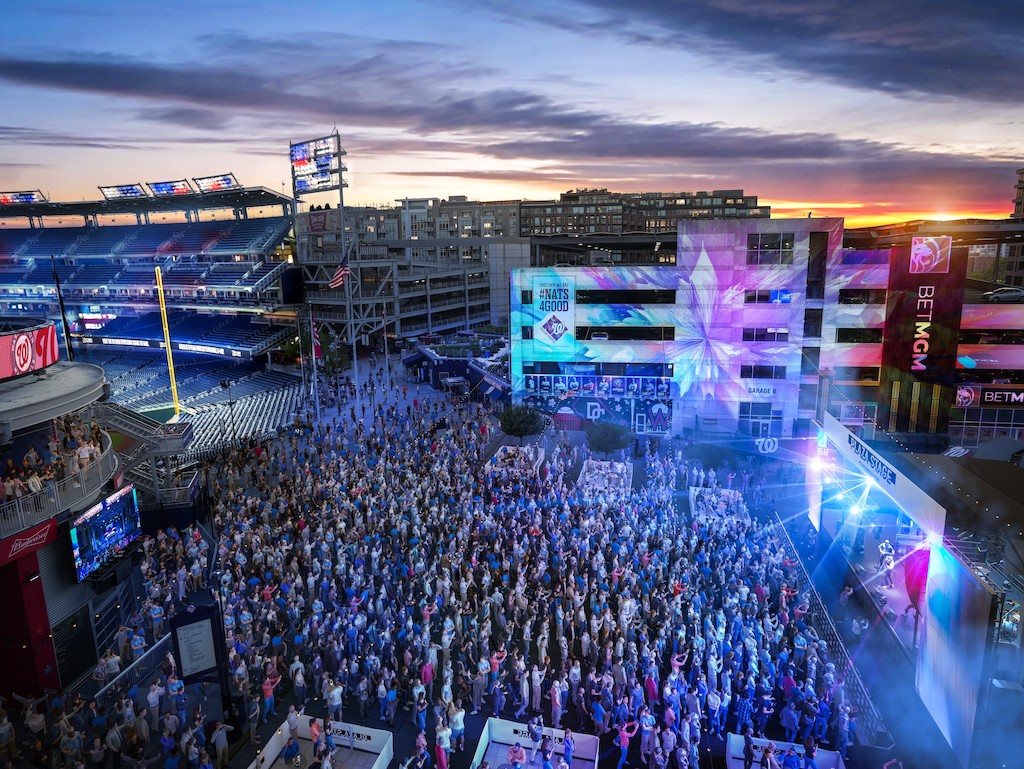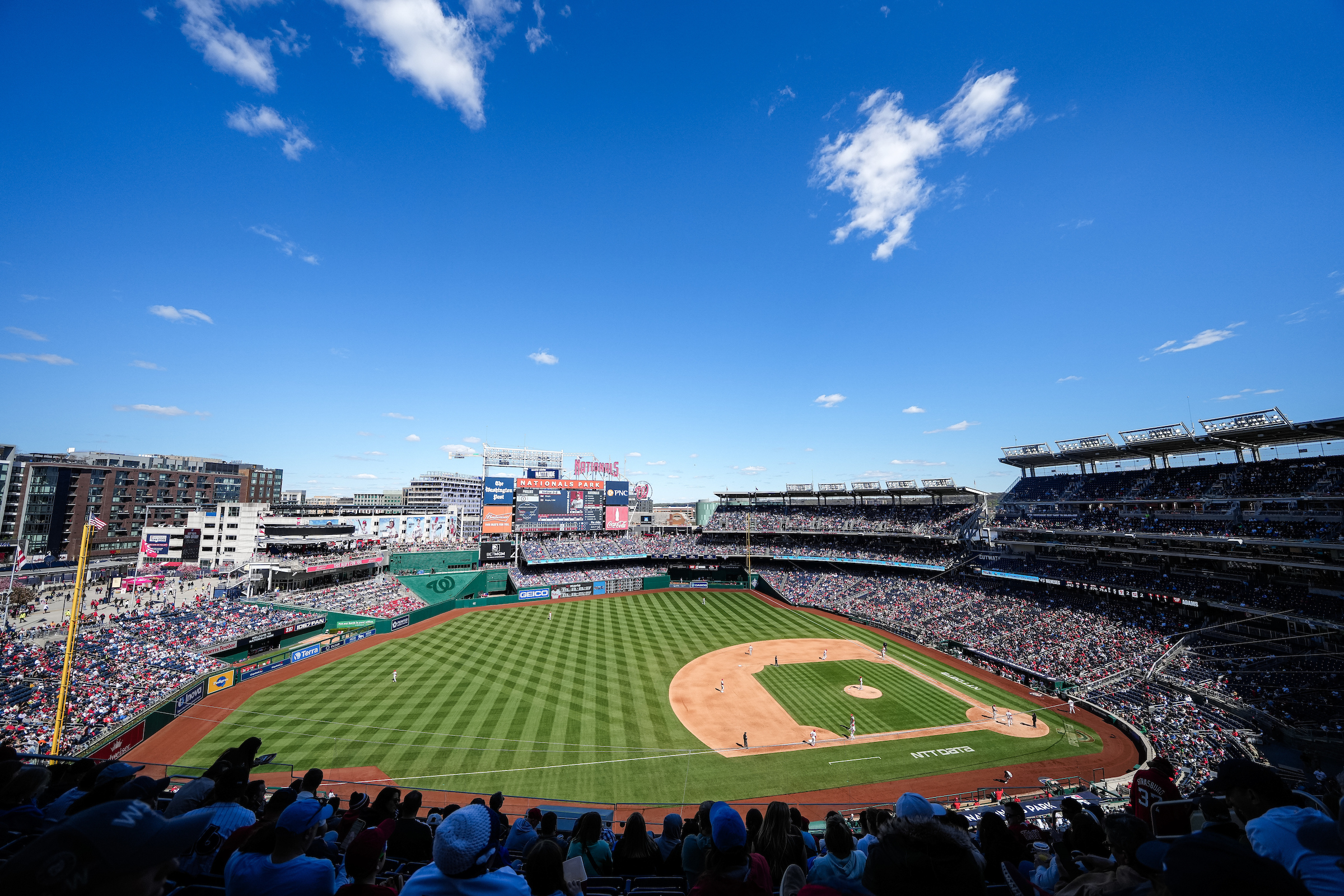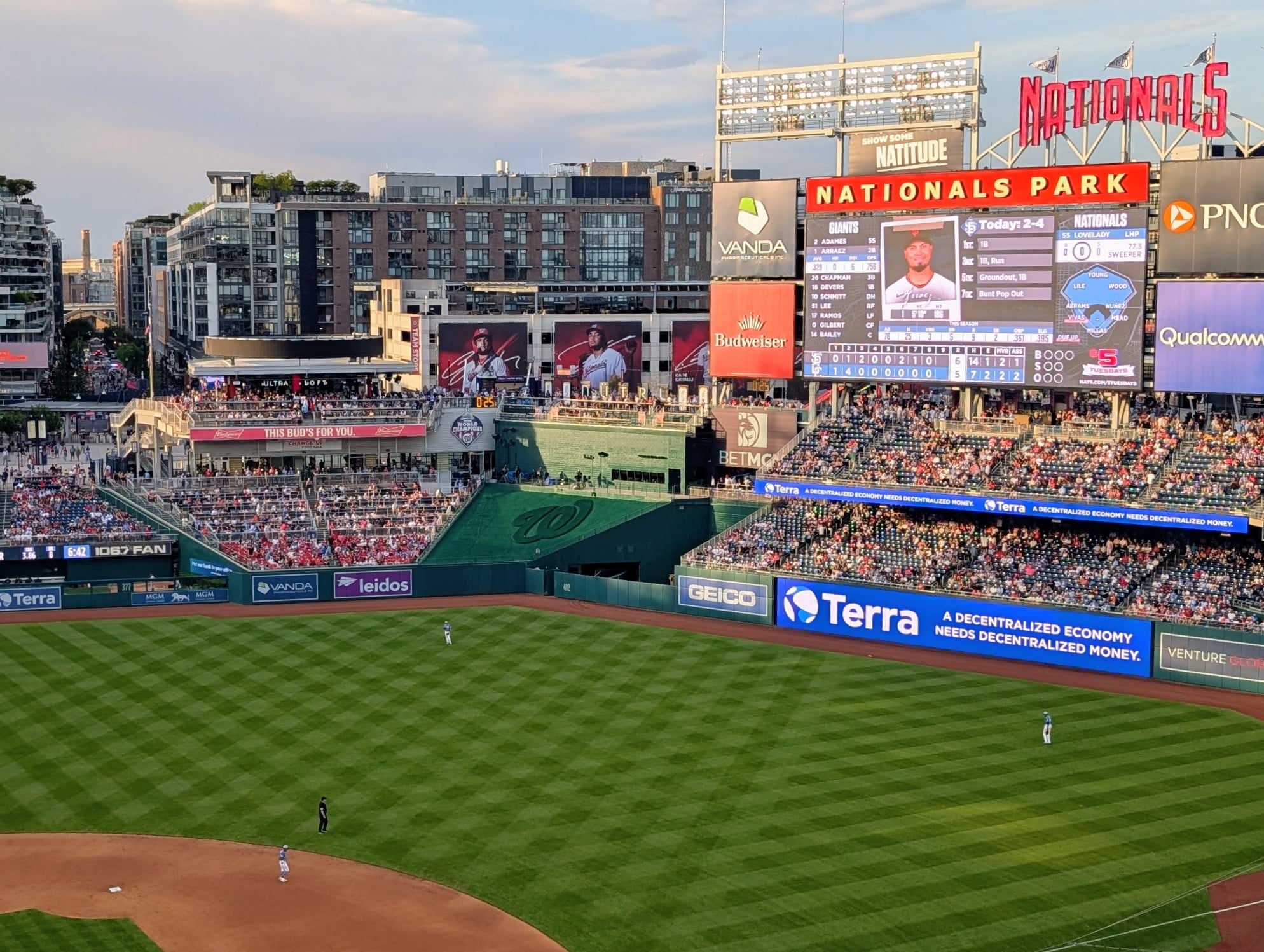
Juan Soto is long gone, and the team is clinging to a .500 record instead of stumbling towards a league-worst loss total. But there’s a way in which attending a Washington Nationals home game this season still feels an awful lot like 2022: Check out the advertising message lighting up video boards around the field for one half-inning each game at Nationals Park.
“A Decentralized Economy Needs Decentralized Money,” they read, alongside the name and logo of a company called Terra—the same firm that also graces the wall outside the visitors’ bullpen and the premium space behind home plate.
Terra is a cryptocurrency firm. Actually, Terra was a cryptocurrency firm: visitors to its online home page will find a banner reading “Terraform Labs is in the process of winding down as of 30 September 2024.”
The same page also links to an X account that last posted in February, announcing a lawsuit filed by Terra’s liquidation administrator against the trading firm Jane Street alleging insider trading violations, and a post outlining how customers who got financially shelled during Terra’s 2022 meltdown can put in claims for their losses.
But wait, there’s more: in January 2024, the company filed for Chapter 11. And last August, Terra founder Do Hyeong Kwon pled guilty to multiple felony fraud charges and was subsequently sentenced to 15 years in prison. According to the feds, Kwon’s fraud helped Terra achieve a peak valuation of $50 billion—and also resulted in over $40 billion of investor losses.
So how is a dead firm marred by a criminal scandal whose dubious math long ago stopped mathing still haunting Nationals Park? Especially when its five-year sponsorship deal with the Nats, announced in February of 2022 with a value of $38.15 million, is already more than four years old?
Good questions! When we asked the Nationals about it, the team’s answer—sent in a statement via a spokesperson—was a bit light on details.
“We currently remain contractually obligated to fulfill the terms of that deal,” the statement read in part.
Other baseball teams have been able to extricate themselves from sponsorship arrangements ranging from tacky to toxic. Most notoriously, the Houston Astros escaped the ignominy of playing at Enron Field by buying back naming rights—set in 1999 at $100 million over 30 years—from the disgraced, now-defunct energy-trading firm for $2.1 million in early 2002.
Experts in the business of pro sports contacted by Washingtonian voiced confusion about why the Nats haven’t found a similar exit. One executive with a sports marketing firm, who asked not to be identified further to avoid risking business relationships, said these sorts of sponsorship contracts usually have opt-out clauses.
“Each deal is a little bit unique, but there are some traditional line items in any contract,” the executive says. “There are multiple clauses that call out cases like this.”
Joe Favorito, a longtime sports marketing consultant and a lecturer at Columbia University, points to how Major League Baseball bailed on a deal it inked in mid 2021 with the cryptocurrency trading firm FTX to put patches with its logo on umpires’ uniforms.
Within weeks of FTXs bankruptcy filing in November 2022—following allegations of Ponzi-esque fraud that have since sent founder Sam Bankman-Fried to prison—MLB said those patches would not return to ballparks in the next season.
“They took it away right away,” Favorito says.
Favorito’s guess as to why the Nats haven’t done likewise? “It would seem to me that it’s a leverage thing,” he says.
Searches through filings in Terra’s bankruptcy-case docket don’t reveal any references to the Nationals or the Lerner family that owns the team, although Favorito says that an intermediary firm’s name might have been on the sponsorship paperwork. A Washingtonian email query to the liquidation adminstrator’s office went unanswered.
“It’s confusing why, but there’s gotta be some kind of legal clause that’s got their hands tied,” says the sports marketing executive.
Favorito adds that while teams have gotten better at protecting themselves from sponsorships and partnerships gone awry—for example, they routinely include morals clauses in deals with social-media influencers—they still need to ask an important question before entering agreements: “Is the juice always worth the squeeze for them?”