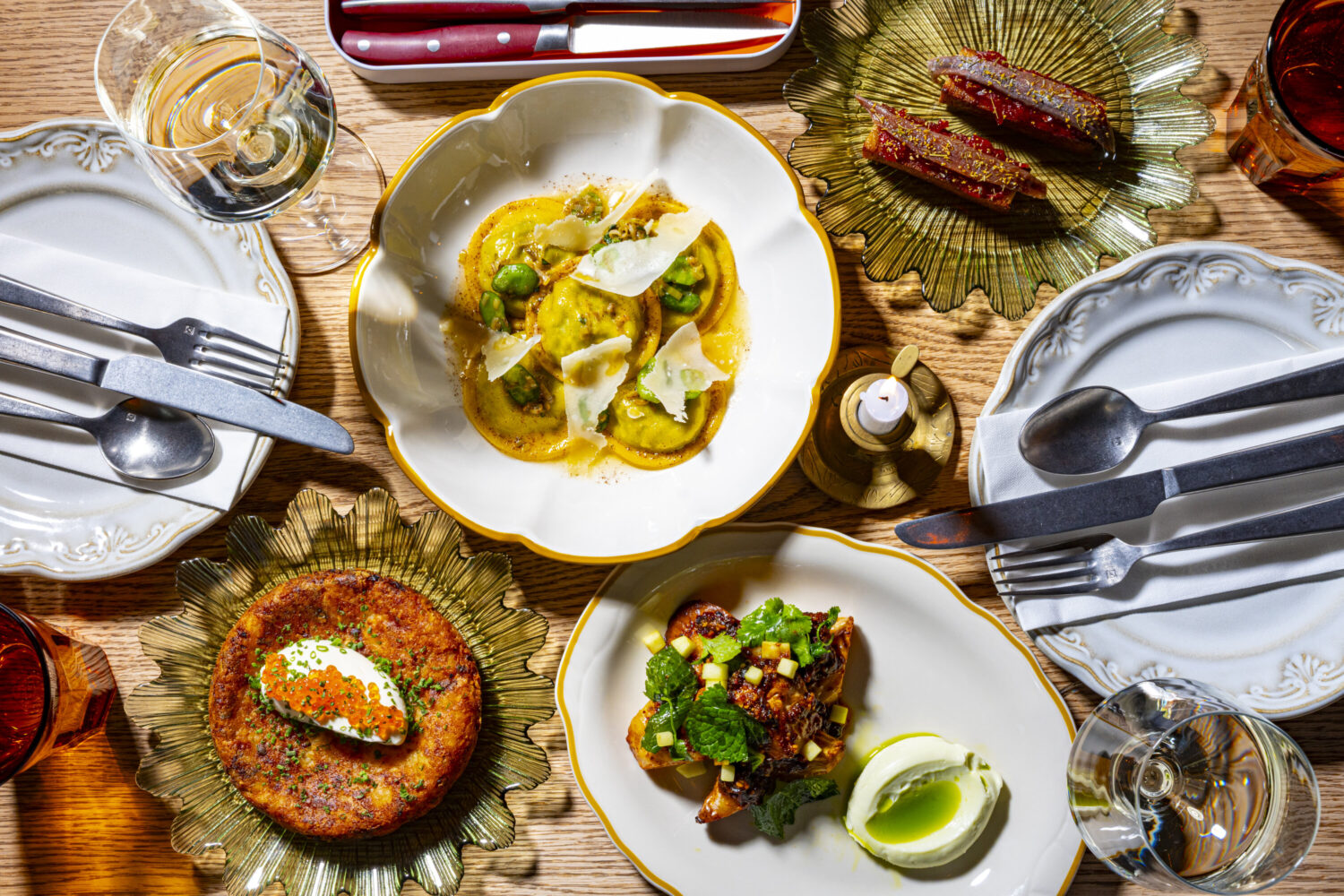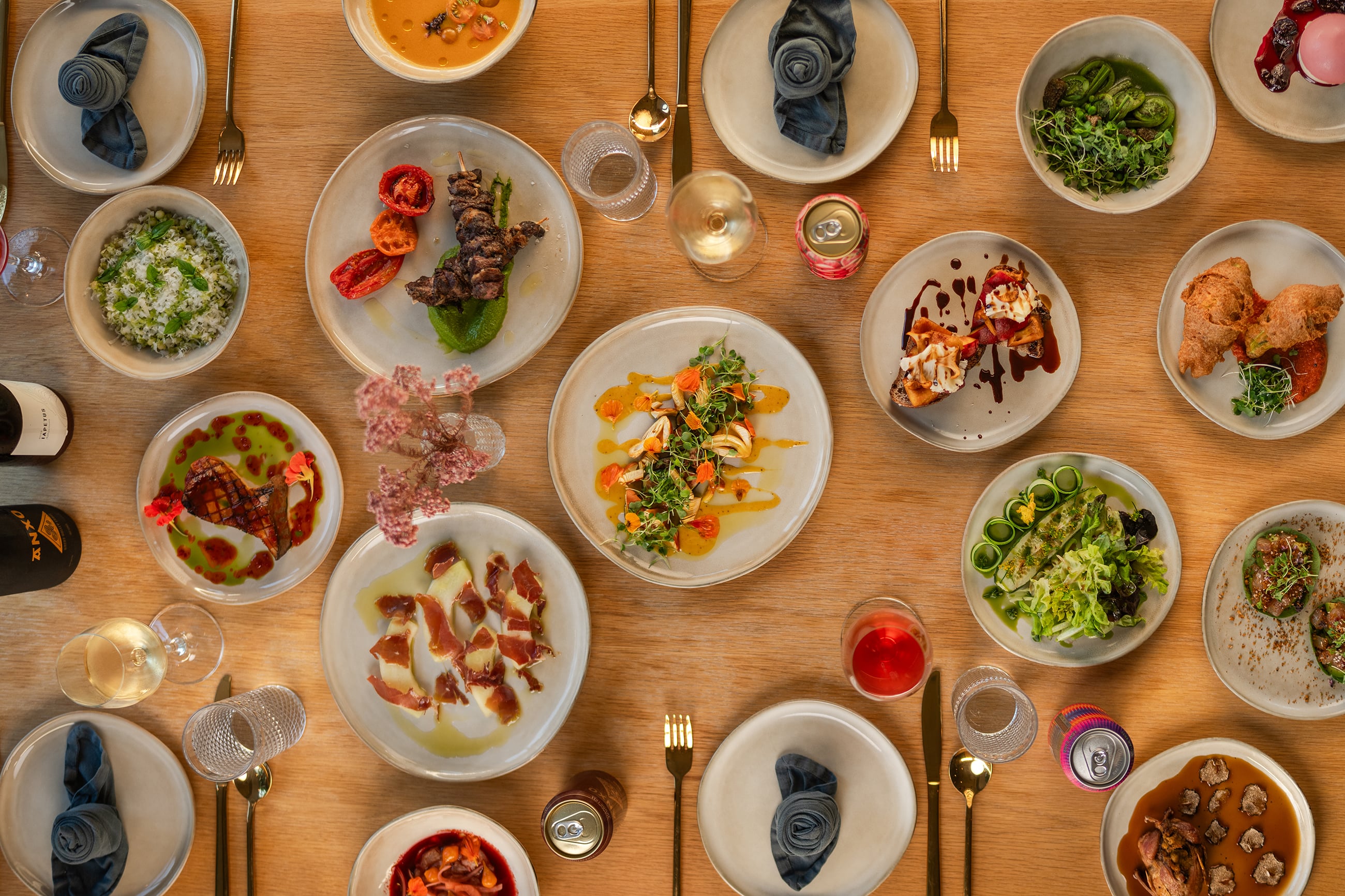
At some restaurants, the most compelling ingredients aren’t flown in—they’re plucked from forest floors, harvested from untended fields, and foraged from unexpected urban areas. Here are six places where diners can get a taste of the wild, natural world.
Oyster Oyster
location_onNW. 1440 Eighth St., NW.
languageWebsite
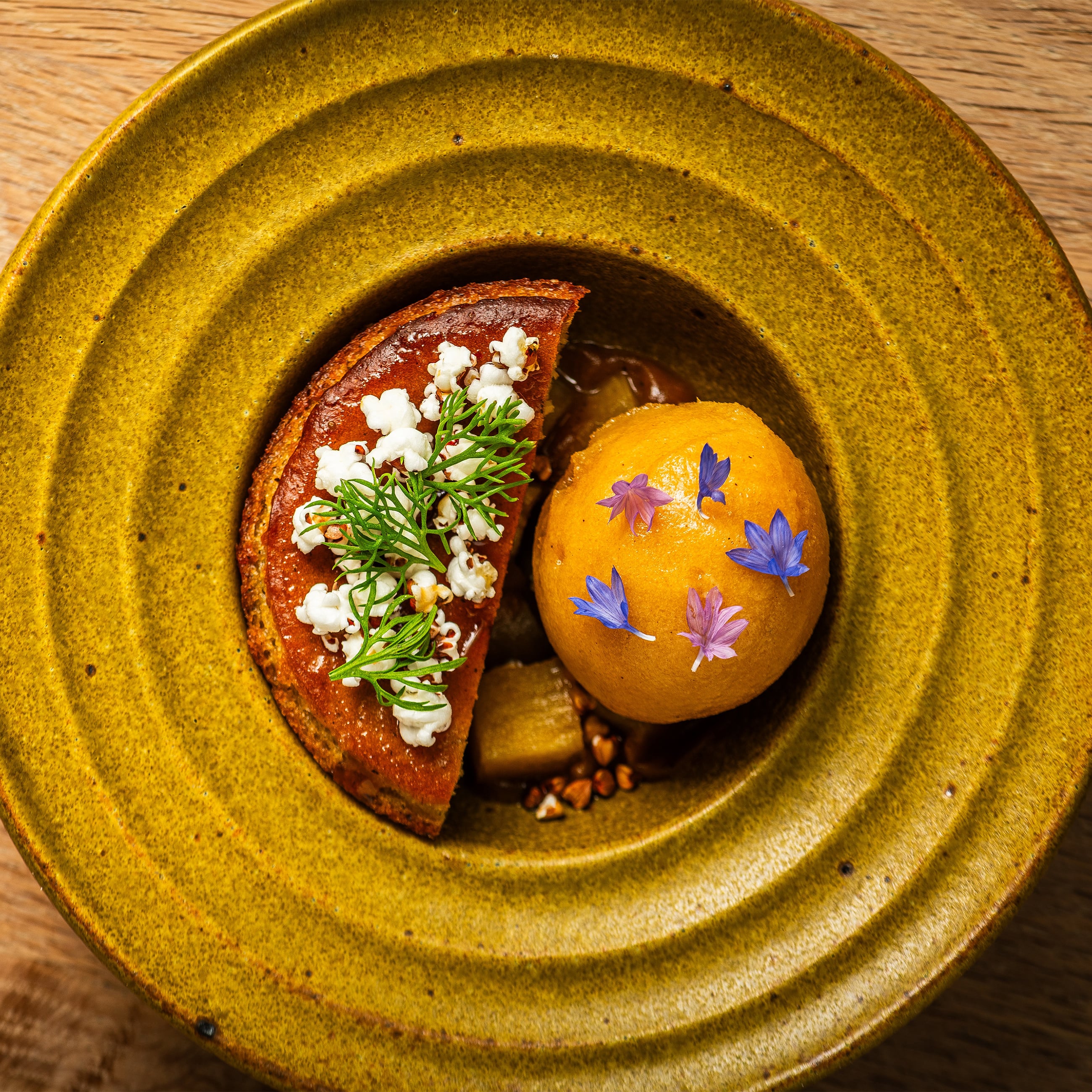
Rob Rubba built his acclaimed plant-centric tasting room in Shaw around the ethos of sustainability. It’s a lens with myriad facets: zero waste, no single-use plastic, and minimal water use. “It’s also about getting back to native ingredients that are meant for our climate and the place we’re in,” says the James Beard Award–winning chef. “Plus, wild food gives us a strong identity of where we are in the Mid-Atlantic.”
Rubba always looks forward to spring—or, as he calls it, “the end of pantry cooking.” The fresh growing cycle brings a bounty of wild ingredients: garlicky ramps, magnolias bearing hints of cardamom and ginger, citrusy spruce tips, and pineapple weed, which has a distinctly tropical flavor. What isn’t used in the moment is preserved. The kitchen will dry mushrooms for the welcome broth that kicks off meals or dehydrate ramp leaves to a make Cool Ranch–inspired powder.
Rubba loves to head into the woods on a foray. Sometimes he takes along team members to share his wild-food knowledge and give them some downtime from the pressures of the kitchen, because his vision of sustainability also includes the long-term wellness of his staff.
Poplar
location_on701 Kennedy St., NW.
languageWebsite
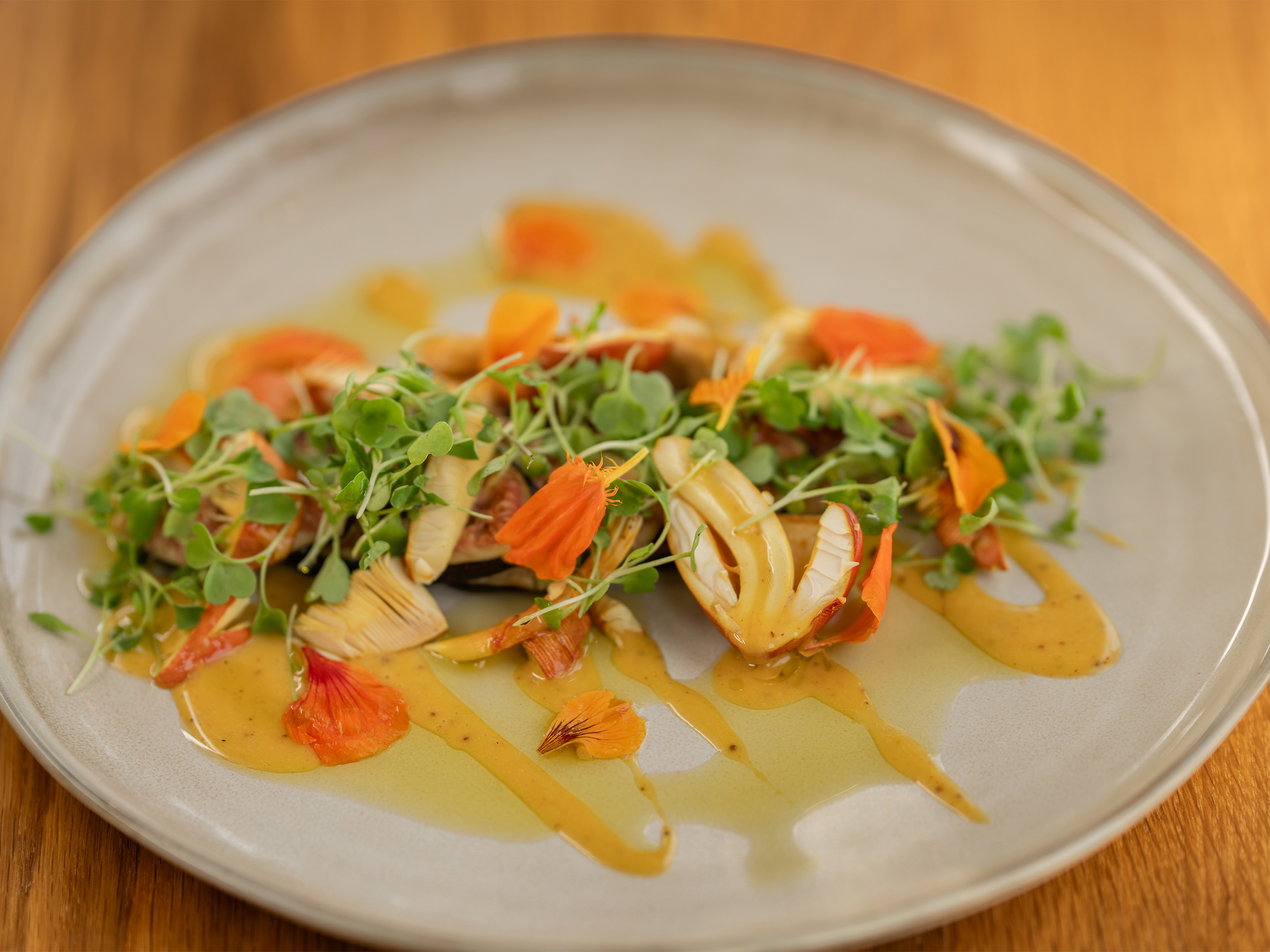
Looking over the menu at Poplar in DC’s Brightwood Park is like reading a report card on what’s popping up in the area’s forests and fields. Chef Iulian Fortu changes the offerings every week based on what he forages and what farmers deliver. “It’s hyper-seasonal and very dynamic,” he says.
The set menus for two begin with sourdough and housemade butter, followed by a handful of savory dishes that lean into European traditions, especially Spanish, with lots of plant-based options. Fortu embraces fruit-forward desserts, such as wild-persimmon bread pudding, vinously sweet black-walnut cake, or a tart brimming with Virginia strawberries.
Poplar seems like an unconventional proposition until you learn Fortu’s backstory. Born in Romania, he grew up in Fairfax and began cooking at an early age. He ended up attending the Culinary Institute of America, which led to an internship at Noma in Copenhagen. In between grueling pre-sunup-to-past-midnight shifts at the restaurant, he got his first taste of foraging in the Danish countryside. When Fortu returned home, he began foraging professionally for restaurants—including Oyster Oyster, the Dabney, and Jônt—before turning most of his attention to Poplar, which opened early last year.
Restaurant Foraged at Patowmack Farm
location_on42461 Lovettsville Rd., Lovettsville.
languageWebsite
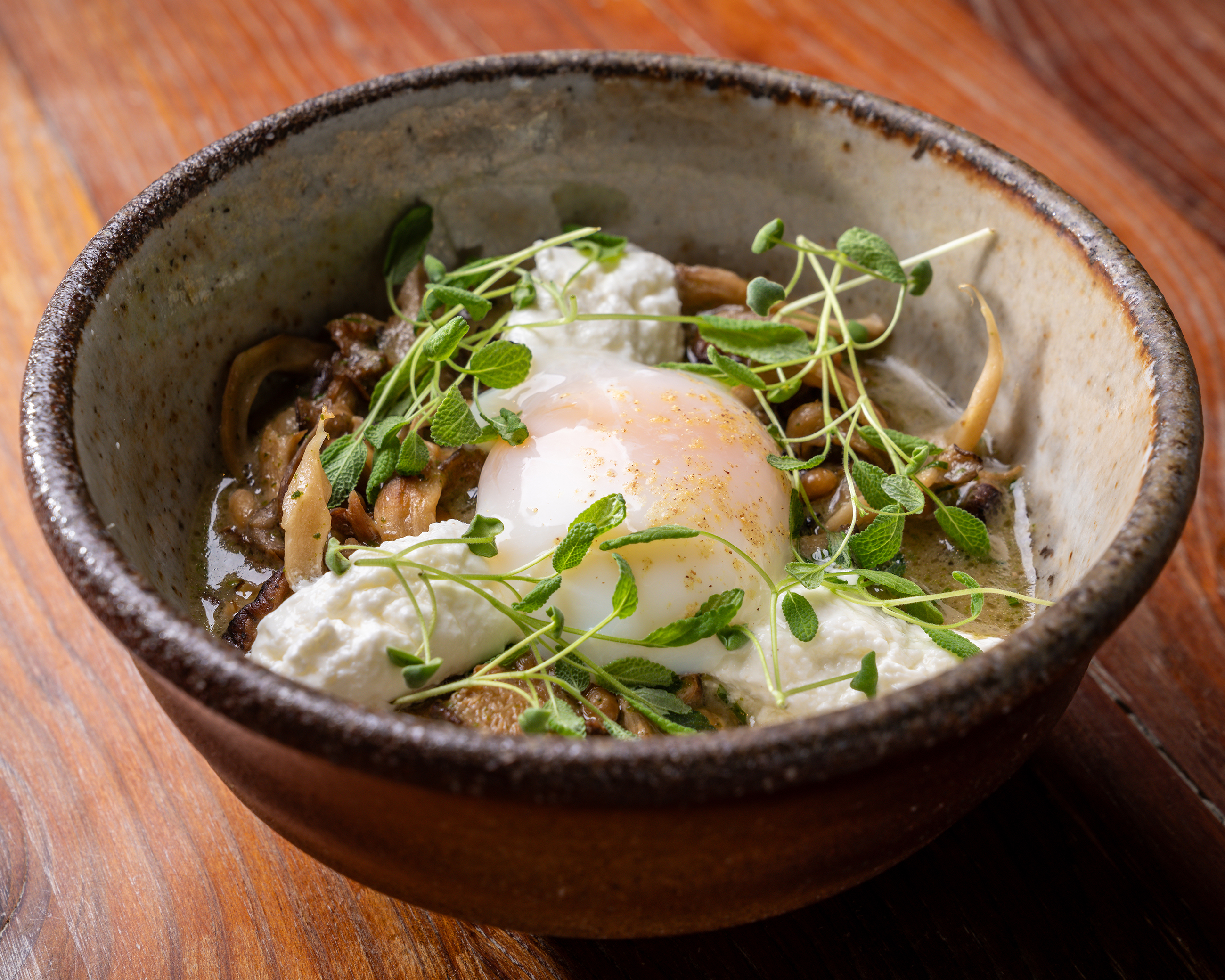
Chef Chris Amendola found foraging through cooking. While Amendola was working in South Carolina, a chef took him on a ramble through the woods, pointing out wild edibles along the way. Later, living in Massachusetts, he met the forager for David Chang’s Momofuku restaurant group, who began teaching him to identify various wild mushrooms and other uncultivated delicacies. From there, Amendola’s passion took off.
He opened the wild-food-focused Baltimore restaurant Foraged in 2017. When he saw that the award-winning Restaurant at Patowmack Farm was closing last year, he jumped at the opportunity to take over its 40-acre Loudoun County property overlooking the Potomac River. “My end goal was always to operate a restaurant on a farm,” Amendola says. (He’s now closed his Baltimore place.)
Open Thursday through Sunday, the 68-seat greenhouse-like restaurant specializes in French-influenced American cuisine. As summertime blooms, Amendola is happy playing around with wild ingredients, including chanterelle, black trumpet, and bolete mushrooms, plus wild wineberries and blueberries. He does much of the harvesting himself: “To get that quietness out in the woods and hunt around for food is something I love.”
Waverly Springs
location_on16001 Old Waterford Rd., Paeonian Springs.
languageWebsite
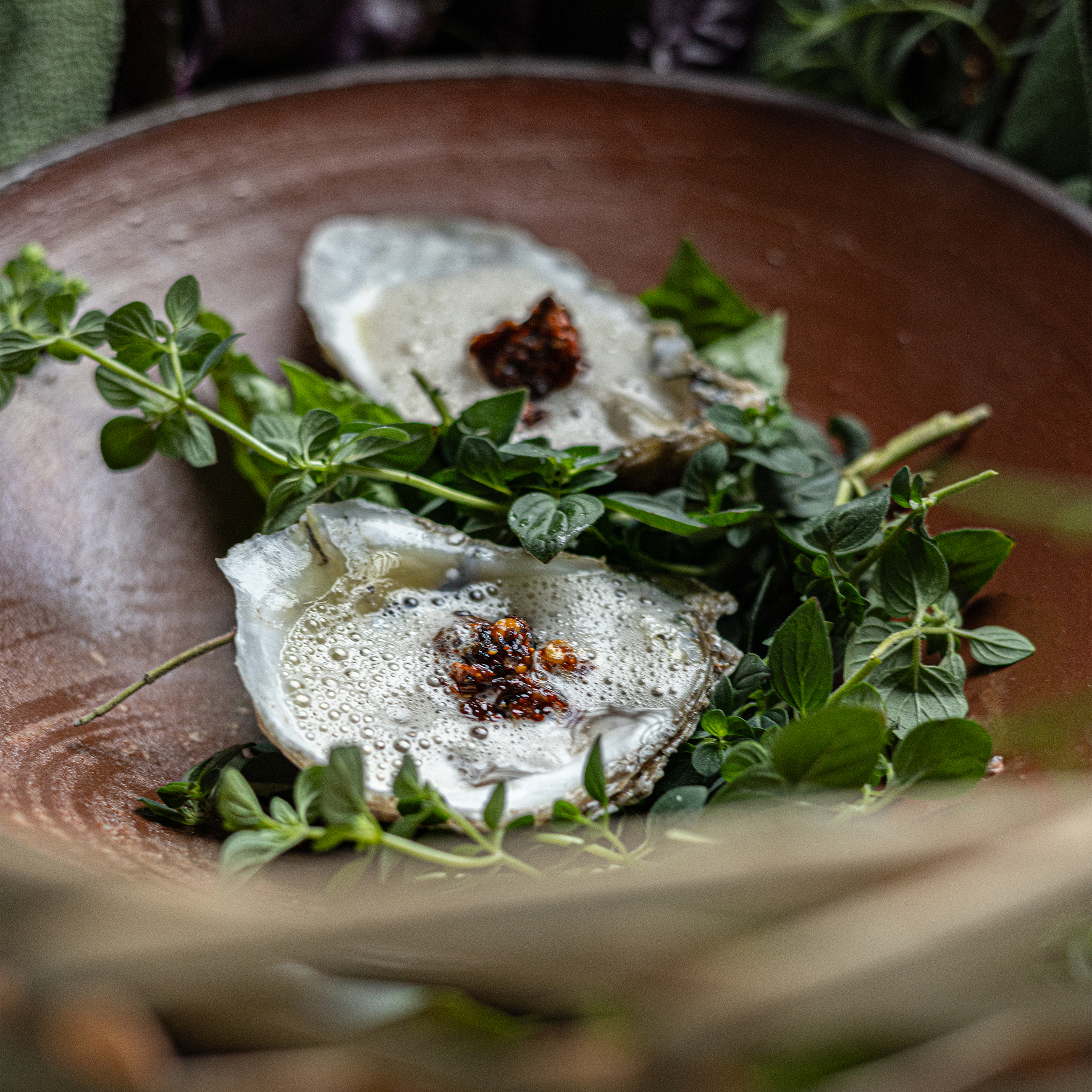
Just outside Leesburg sits a bucolic 17-acre property dotted with sugar maples and burgeoning truffle and fruit orchards. This fertile land is the foundation of a new venture from chef Tarver King, formerly of the Restaurant at Patowmack Farm.
On Friday and Saturday evenings eight times a year, King serves tasting dinners in a 17th-century manor house turned fancy B&B. With culinary inspiration from Virginia’s traditional foodways, Colonial American cookery, and the region’s indigenous Piscataway cuisine, King thinks of the meal as a four-act play. Guests start in the garden, perhaps plucking an amuse-bouche from the branches of a peach tree. The next two courses are indoors, each involving multiple components and plenty of tableside presentations. The experience concludes back outside with desserts and drinks by a bonfire.
King, a longtime forager, regularly roams the surrounding countryside, gathering magnolias to make sauerkraut, watercress for salads, and black walnuts for a variety of sweet and savory projects. “I love being able to find flavors, textures, and ingredients that most people haven’t had before,” he says. “Something new, something surprising.”
The Dabney
location_on122 Blagden Alley, NW.
languageWebsite
After a stint at the famed Copenhagen restaurant Noma as a young chef, Jeremiah Langhorne had two epiphanies. One: he didn’t want to cook Scandinavian food; he wanted to create cuisine evocative of where he lived in the States. Secondly, he appreciated their approach to using wild food from the landscape around them. When he came home to his job at Sean Brock’s McCrady’s in Charleston, he committed himself to going foraging for 90 days straight, no matter the weather. “It was just to see what was growing, document it, and get a handle on it,” says Langhorne, who bought a slew of books, connected with experienced foragers, and slowly learned how to properly identify a litany of wild foods.
His diligence paid off when he opened Shaw dining room the Dabney in 2015, which he calls “a showcase for the region.” His wild food-enhanced Mid-Atlantic cuisine won him a James Beard Award and garnered the restaurant a Michelin star. Foraged finds are on display throughout the year. In the summertime, the menu is alive with chanterelles, scuppernong grapes, violet wood sorrel, bamboo shoots, and elderflowers. The bounty is extended into less-fertile seasons thanks to a robust fermenting, pickling, and preserving program that creates everything from black locust blossom honey and linden flower syrup to various misos and wineberry vinegar.
Jônt
location_on1904 14th St., NW.
languageWebsite
There are plenty of premium ingredients on the menu at Ryan Ratino’s lauded tasting room perched above the hustle and bustle of 14th Street. Wagyu beef, truffles, uni, caviar, and foie gras often make appearances. However, these aren’t the most luxurious elements in the chef’s mind. “There’s real luxury in wild foods that are only around for two weeks,” he says. “I love caviar, but I can get it every day.”
The restaurant works with a dozen foragers in the Pacific Northwest, South, and Mid-Atlantic, though Ratino likes to go on forays when his schedule permits. He recently brought in an abundance of chickweed, purslane, mugwort, and redbud for the kitchen to use. “Being outside is peaceful for me,” he says. “I value that time.”
During the summer months, he loves working wild blueberries and blackberries into desserts, brushing chanterelles with rendered chicken fat and grilling them over the wood fire, garnishing Wagyu beef tartlets with chickweed, and pickling ramp seed pods to create caper substitutes.
“A lot of high-end gastronomy is forced nature, like things we’ve grown and raised, versus truly natural ingredients,” says Ratino. “This is a return to something more natural.”
This article appears in the June 2026 issue of Washingtonian.

Nevin Martell is a food, travel, and foraging writer whose work has appeared in the Washington Post, Boston Globe, USA Today, Men’s Journal, Fortune, Travel + Leisure, The Daily Beast, BBC, and many other publications. He is author of eight books, including Red Truck Bakery Cookbook: Gold-Standard Recipes from America’s Favorite Rural Bakery, Looking for Calvin and Hobbes: The Unconventional Story of Bill Watterson and His Revolutionary Comic Strip, and The Founding Farmers Cookbook: 100 Recipes From the Restaurant Owned by American Family Farmers. When he isn’t working, he loves spending time with his son, foraging for wild foods, and traveling.