New York restaurant groups are opening DC places in droves. Spinoffs and sequels of local hits are outpacing the indies. We’ve lost count of the Tattes. And, oh, another bistro?
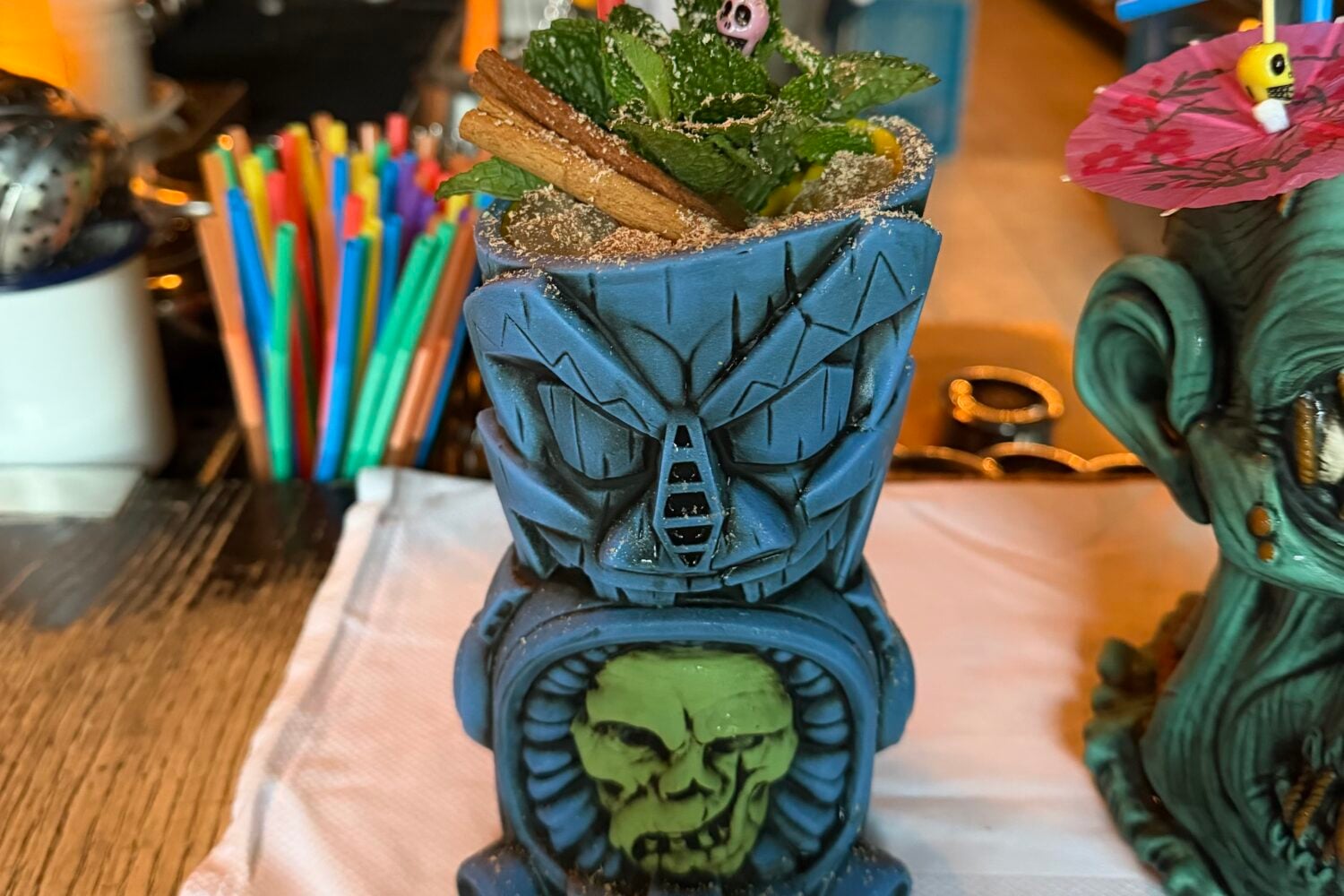
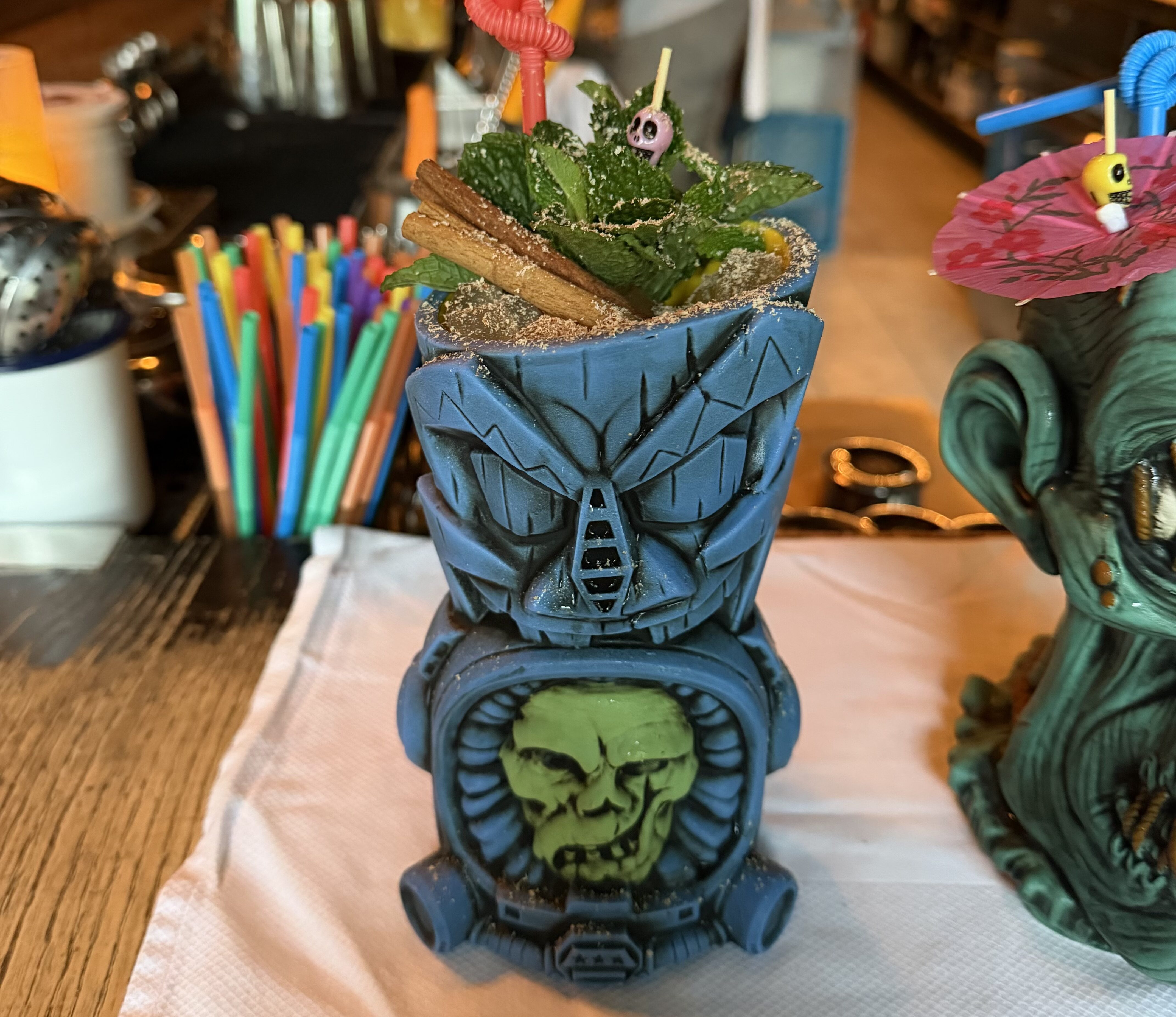
These days, many of the restaurants that feel genuinely interesting or original—the kind of spots that add real character to a city—are actually bars. They’re places like Providencia, in an alley off H Street, Northeast, where an unexpected fusion of Asian and Latin American flavors might translate to a mezcal-pandan cocktail or a root-vegetable tamale with Japanese curry. They’re places like Cana in Adams Morgan, the city’s lone Brazilian bar, where you can find grilled chicken hearts and a caipirinha made with real sugarcane alongside vinyl grooves. They’re buzzing, intimate spaces where you come for a cocktail and end up wowed by the food.
Granted, the line between what constitutes a bar and a restaurant is blurry. After all, what you’re drinking has become just as important as what’s on the plate. For Cana co-owner Radovan Jankovic, the main distinction is that bars are “defined more by the energy than anything else. It is a bit louder. It’s livelier.” To that end, bar energy really embodies the current moment. People are looking for vibes and fun from a dinner out.
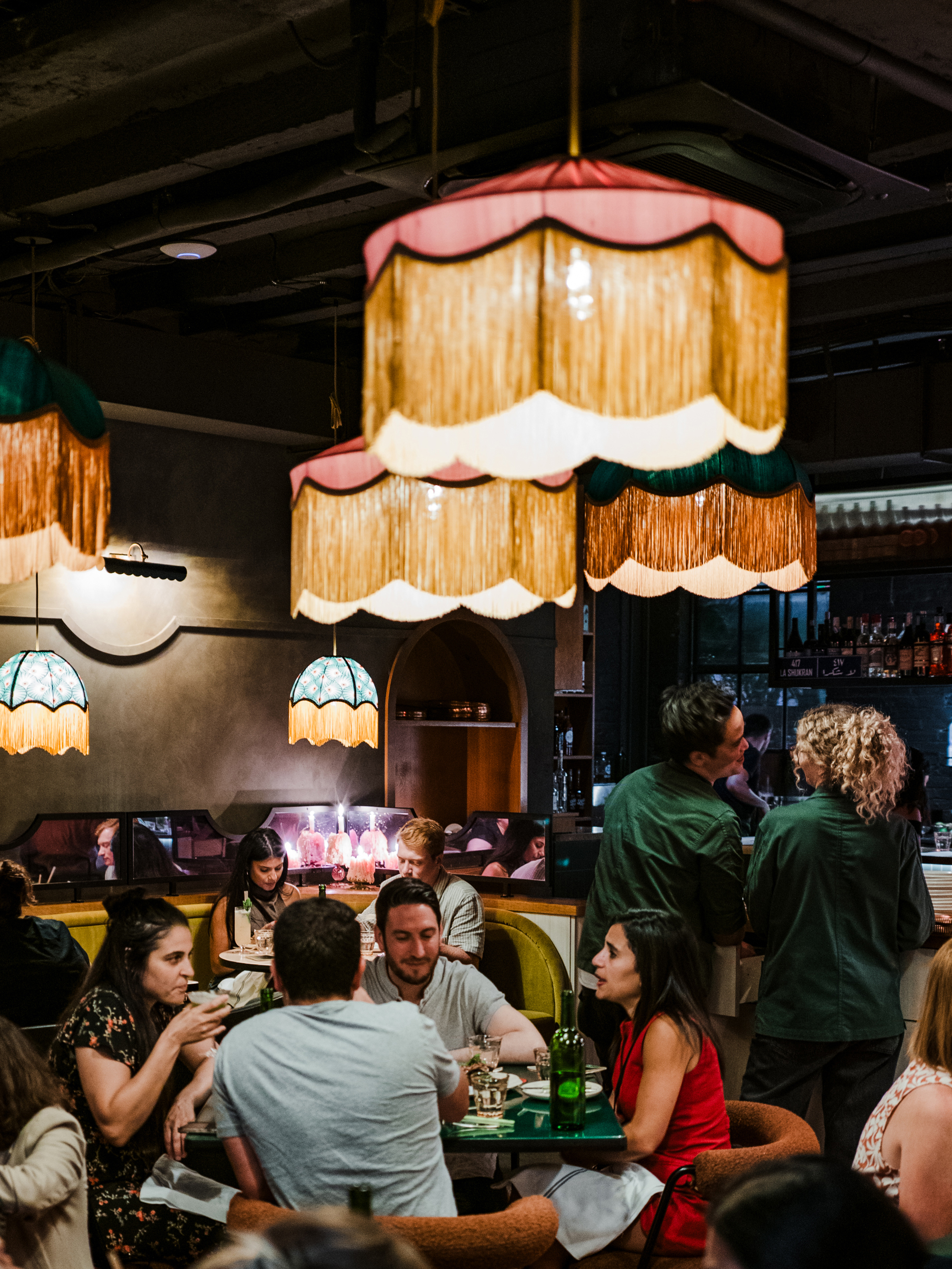
Notably, some of DC’s top chefs have been embracing the bar scene. Just look at Michael Rafidi of Michelin-starred Albi, who has created a funkier, more casual hangout in Union Market’s La’ Shukran with arak cocktails and escargot-topped hummus. In September, Lutèce chef Matt Conroy will helm Maison Bar à Vins in Adams Morgan, a three-story natural-wine bar that won’t take itself too seriously, with tiger-striped carpet and eel croquettes.
“I love those spaces in Paris that are just lively—there’s a four-top table that actually has six friends around it,” Conroy says. One of his favorite hangouts in DC has become the Tuesday-only late-night wine bar at Izakaya Seki.
There’s a business case for restaurateurs embracing bars, too. It’s more expensive than ever to open a restaurant here, with the rising cost of equipment, ingredients, and labor. With a bar, operators don’t necessarily need as much support staff, and a focus on alcohol can offer better profit margins. Perhaps that frees up places to get more creative and take the kind of risks that give a dining scene spark.
“A chef is not going to be afraid to put some kind of funky dish on the menu or be more edgy,” Jankovic says. “Nobody’s chasing stars. It’s just a true guest experience.”
This article appears in the September 2025 issue of Washingtonian.

Jessica Sidman covers the people and trends behind DC’s food and drink scene. Before joining Washingtonian in July 2016, she was Food Editor and Young & Hungry columnist at Washington City Paper. She is a Colorado native and University of Pennsylvania grad.