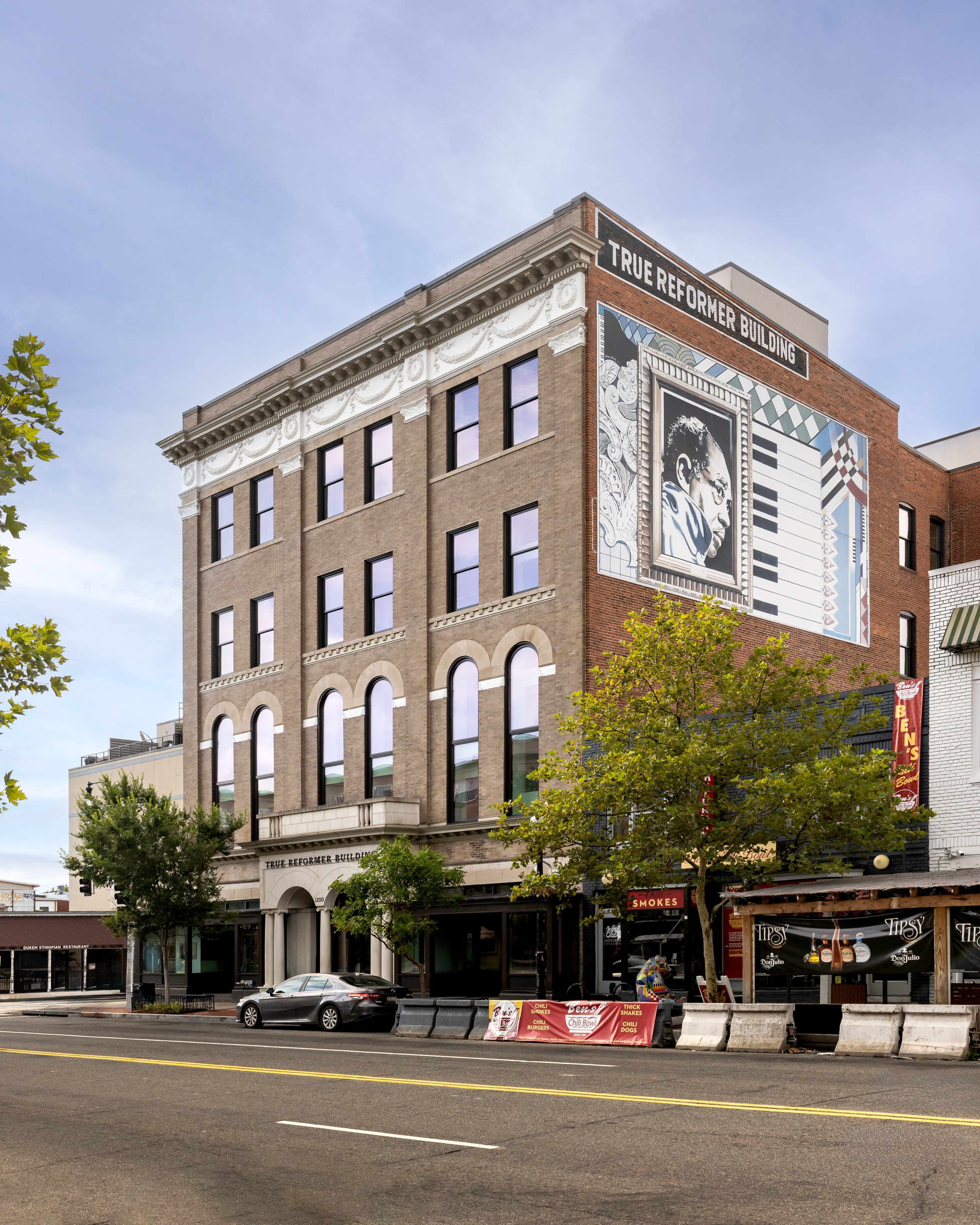
DC’s True Reformer Building, at the corner of 12th and U streets, may be better known for its exterior; many Washingtonians may have seen its Duke Ellington mural, complete with piano keys and a gold frame, on one side of the red-brick edifice. Yet, many do not know about the 123-year old history that lies within its walls.
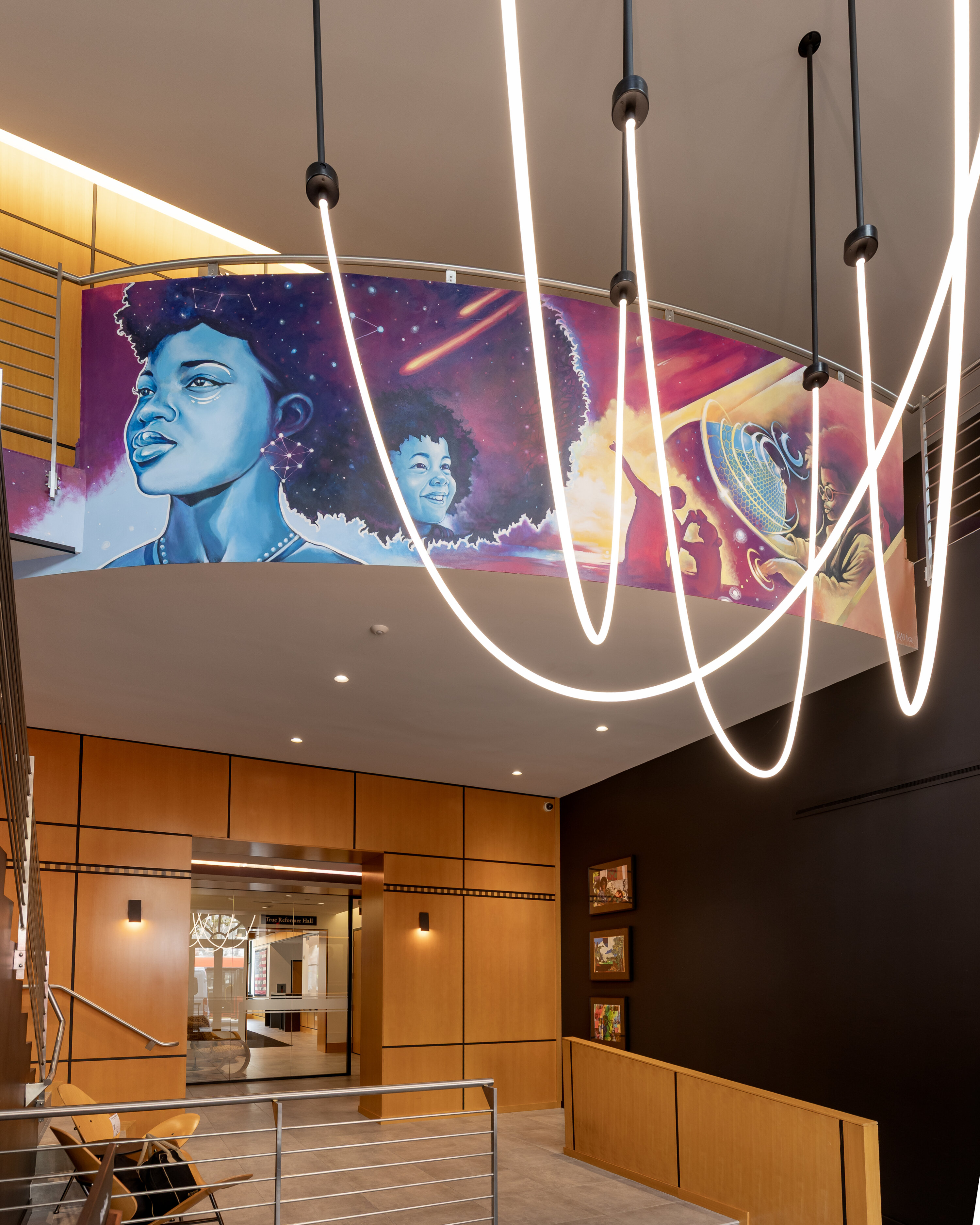
Candice C. Jones is president and CEO of Public Welfare Foundation, the nonprofit organization that owns the True Reformer Building. While giving tours to visitors, she often hears them say that they’d walked by the building “a million times,” but didn’t know anything about it.
“It breaks my heart every time, because this is such an important piece of Washington history,” she tells Washingtonian, adding that if Black Washingtonians were aware of its past, it would make them “stand just a few inches taller.”
Built in 1903 as a cornerstone of U Street’s former “Black Broadway,” the True Reformer Building is the first Black-owned, constructed, and financed building in post-Reconstruction America. It was designed by John Anderson Lankford, the city’s first registered African-American architect. The True Reformers, a mutual aid society made up of Black members in the early 20th century, acted as a financial supporter of Black entrepreneurship, culture, community organizing, and civic life in DC during the Jim Crow era. There’s even history behind the mural: legendary musician Duke Ellington, who grew up in a house around the corner, performed some of his earliest concerts in the auditorium. Singer and actress Pearl Bailey, who coined the term “Black Broadway,” also performed there.
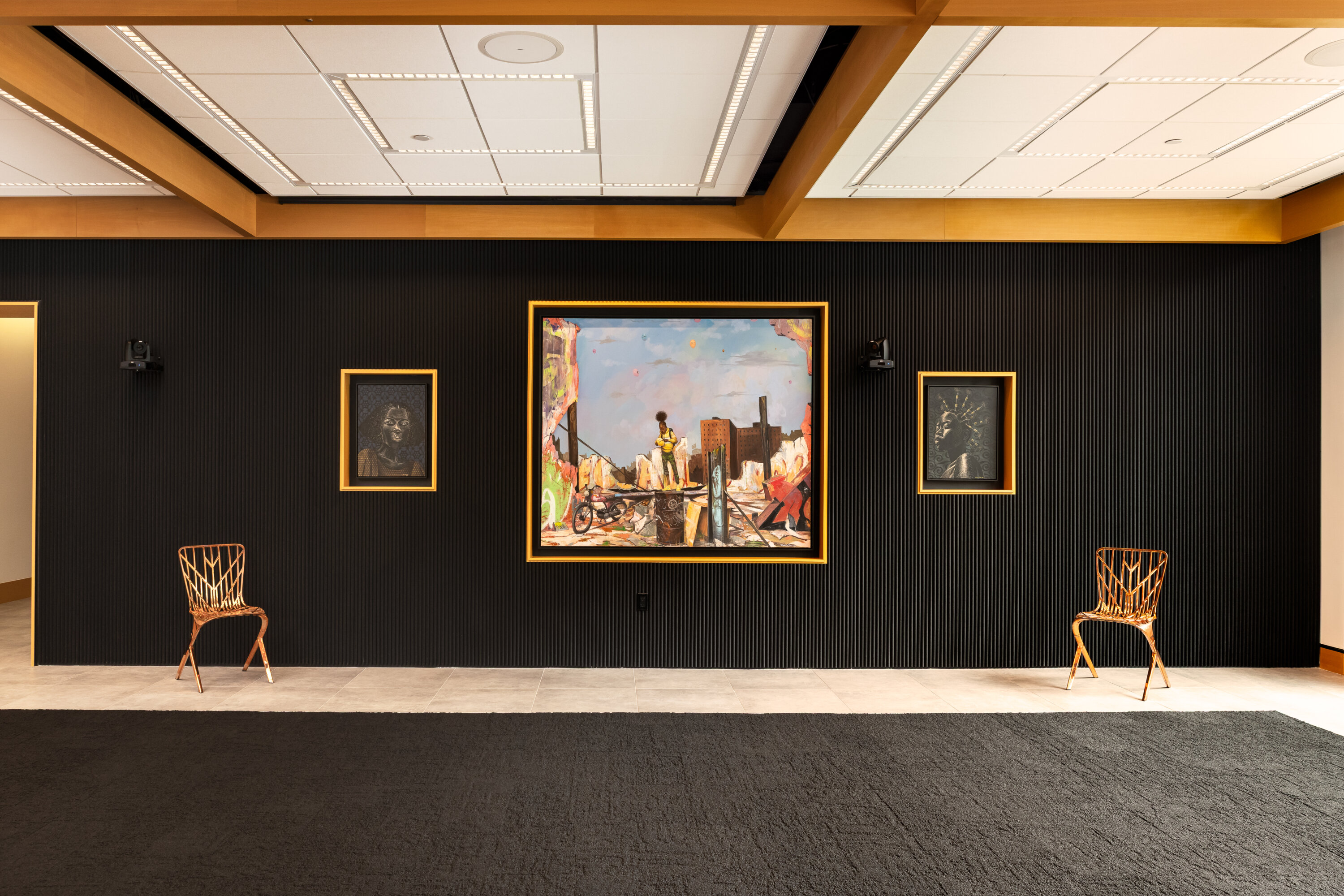
The work of the True Reformers, Jones says, continues in a way, through the organizations that use the building over a century later. Some of its notable tenants now include the Washington Legal Clinic for the Homeless, DC Justice Lab, and National Reentry Network for Returning Citizens.
Jones says that the building welcomes nonprofit organizations, community leaders, artists, and advocates who support the DC community, allowing them to use their meeting spaces for free. In June, it hosted over 80 events by 16 different organizations, a spokesperson tells Washingtonian.
While the building is not generally open to the public, it often hosts public events. Inside, there are five floors of art by Black, Brown, and Indigenous artists, including murals by Kaliq Crosby, a native Washingtonian and Maryland Institute College of Art alumni, and Samsins, a Nigerian American artist in Maryland. There’s also a reading room and a library.
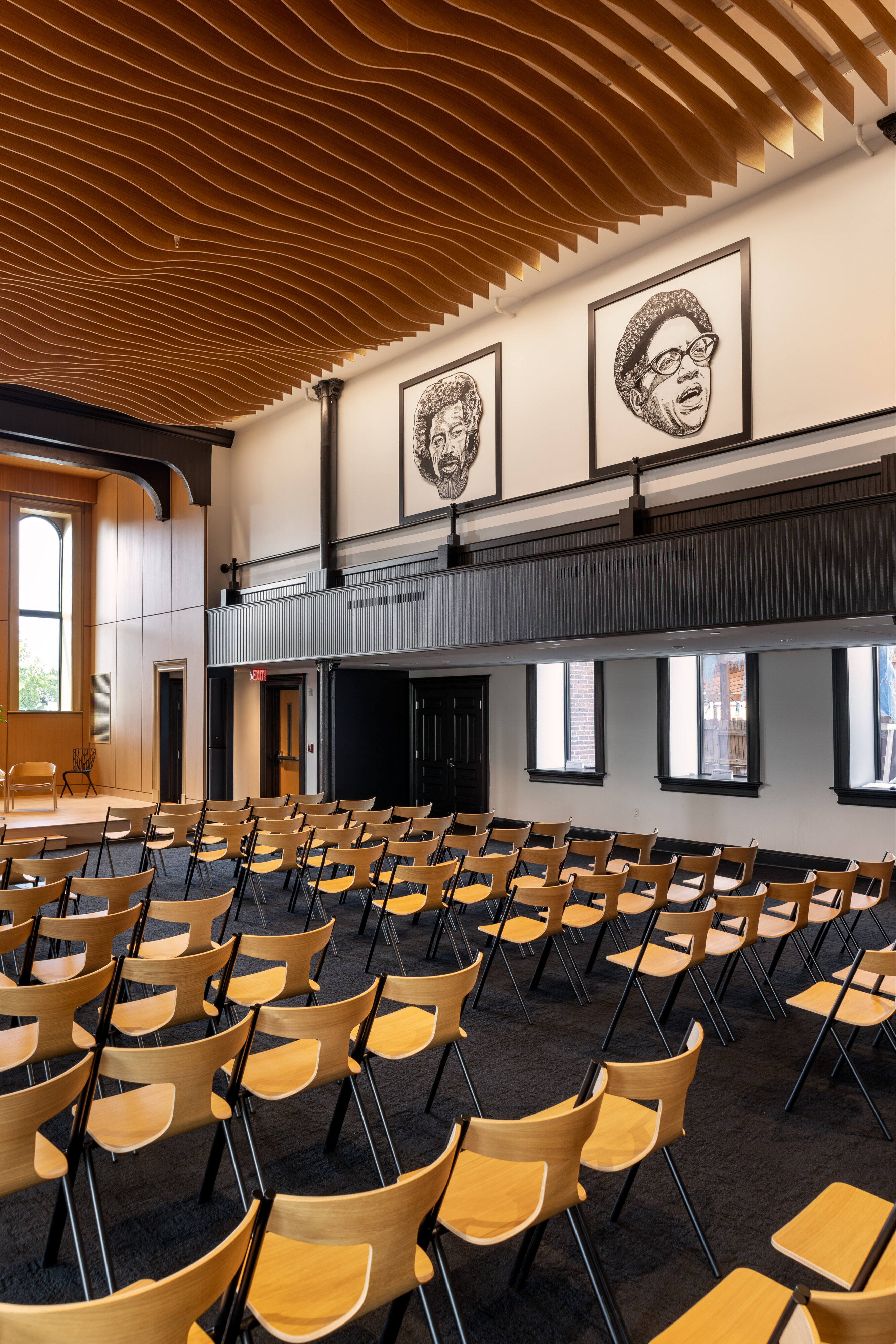
The Free Minds Book Club & Writing Workshop, a DC nonprofit that works with formerly incarcerated youth and adults, uses the True Reformer Building for its welcome home ceremonies. Tara Libert, cofounder and executive director of the organization, says the building’s warm and welcoming atmosphere is a “total antidote” that helps counteract the harsh and cold experiences their members had in prison.
“The energy of the place is so inspirational and powerful, so we’re very intentional about picking that place for the welcome home gathering,” Libert says. “It’s a way of us reclaiming space and presence.”
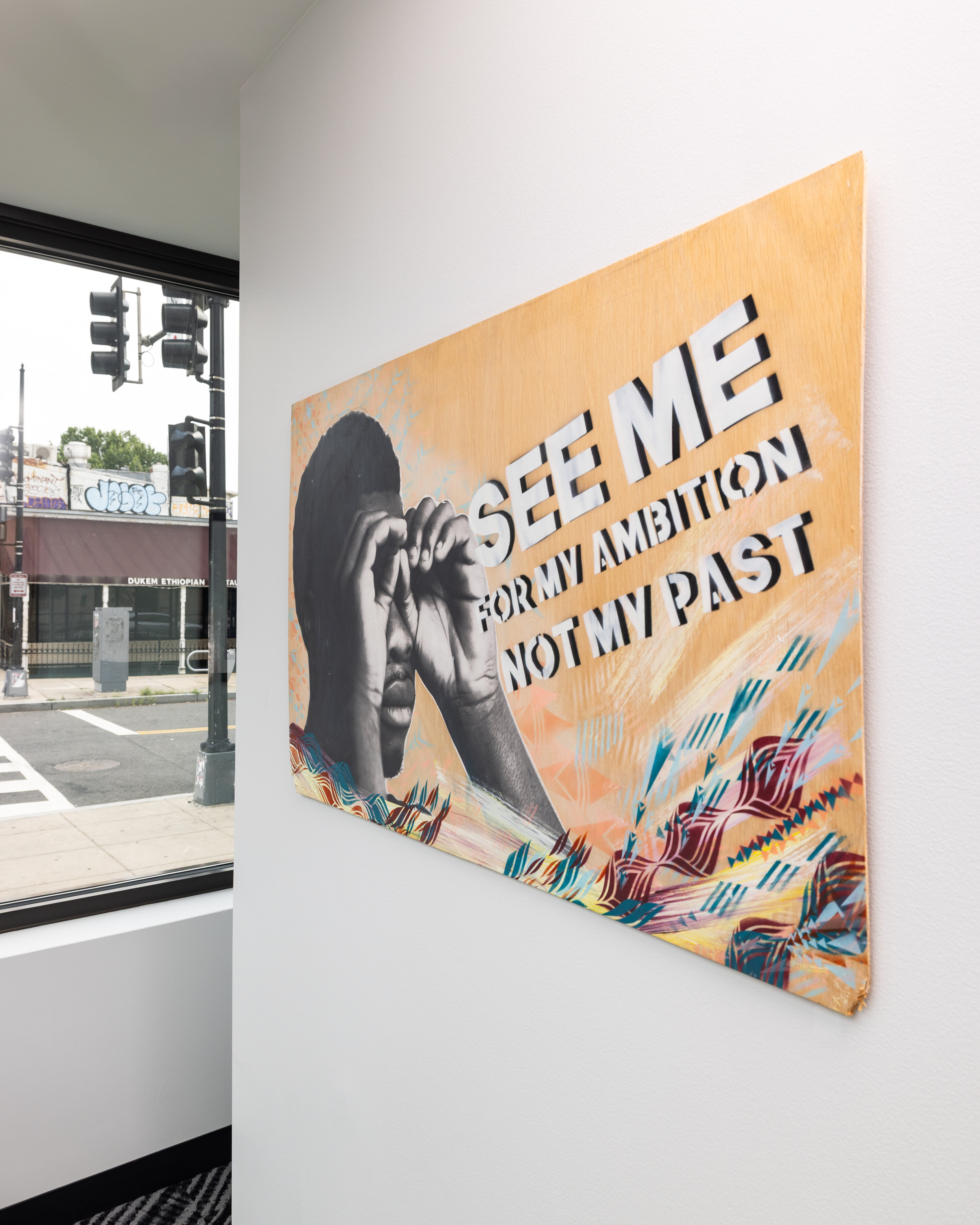
Jones says that as many Black Americans and Washingtonians face rampant gentrification and erasure of Black history, continuing the work and building community relationships is important.
“They always say ‘history will be told by the victors.’ Who gets to decide what things we celebrate, and what moments are marked and honored? Somebody is making that choice,” Jones says. “At this moment in history, even more than others, we need to continue to tell those stories and hold that up. We need to tell them because of what they represent for DC history, and American history. A story of truth, resistance, and resilience.”

Jenae Barnes previously reported and fact-checked for Capital B Gary in Indiana, 5280 Magazine in Denver, Forbes in New York and ABC News in Washington, D.C. She is a 2024 Pulitzer Center Reporting Fellow. As a DC-area native, she received her Bachelor’s from George Mason University and Master’s degree from Columbia Journalism School.