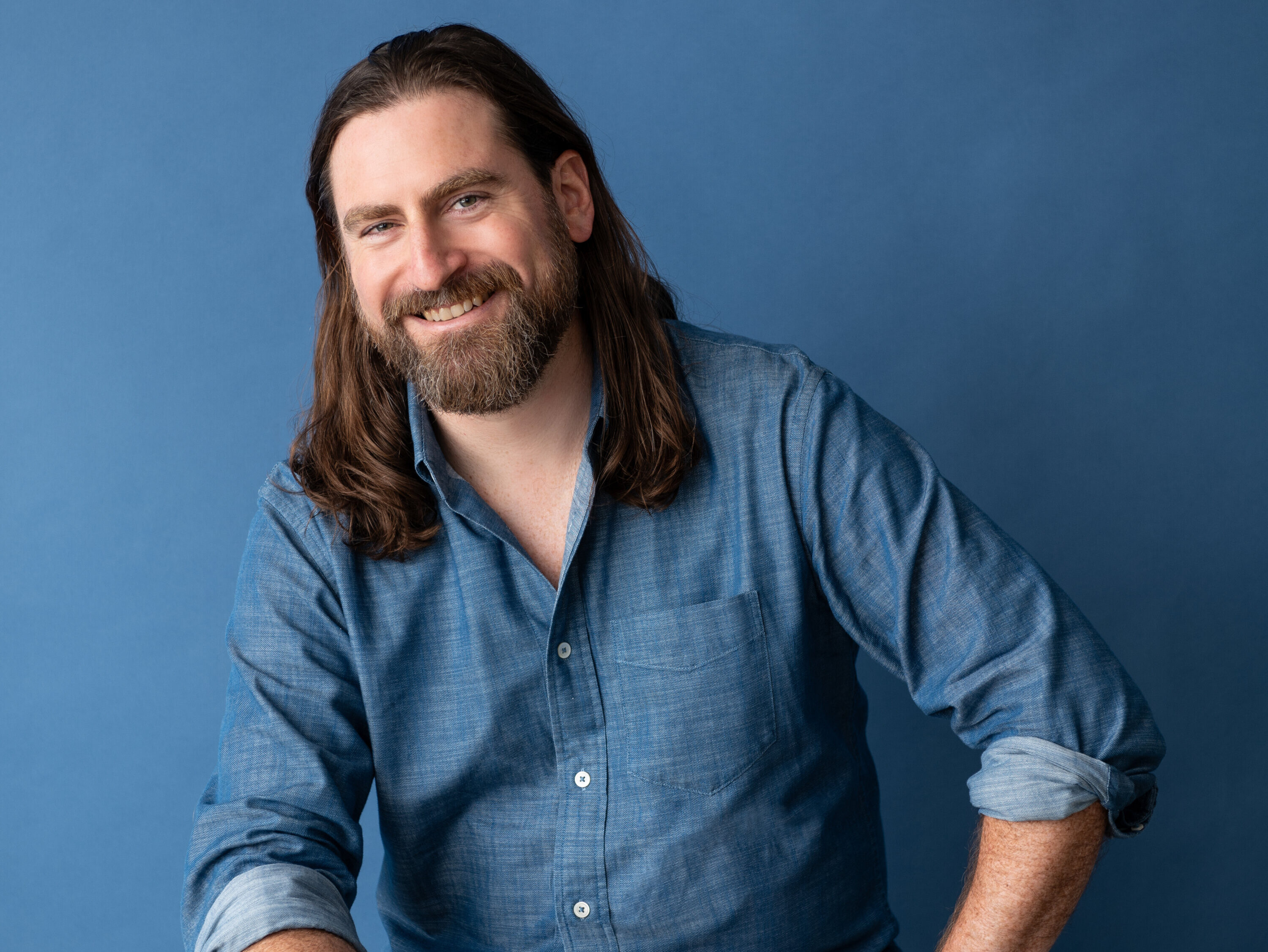
If you want to get your hands on the intriguing new DC-music zine Jazz as Resistance, you could scope out local music venues, where copies will sporadically be available, and hope to get lucky. But the publication’s editor, Giovanni Russonello, has a better idea: “The real answer is, write to us at the link on the site and volunteer to fold some for us. We’ll send you a bunch so that you can be a part of it.”
That captures the spirit of this new publication, a collaboration between the longtime online jazz magazine CapitalBop (which Russonello cofounded with DC musician Luke Stewart in 2010) and the prominent resistance organization Free DC. The first issue offers articles like an interview with author and professor Natalie Hopkinson, a “revolutionary reading list” from musician Kweku Sumbry, and a history of Black women artists who used music to fight for racial equality from Washingtonian contributor Briana Thomas. “The idea is we should honor the music as this force that helps us think differently,” says Russonello. “This zine is sort of an opportunity to show how radically jazz musicians think.”
The zine concept came out of conversations among the CapitalBop staff about life in DC under the Trump administration. “We talked about how scary the moment is and how the music belongs in the conversation,” says Russonello. “Free DC has been doing a lot of important work, so we just decided to reach out. We came together and said, let’s create this zine.” The current version of Jazz as Resistance is pretty homemade, but Russonello is hoping to work with a publisher on an expanded, professionally bound edition, which, among other things, would have space for longer versions of the stories. There could also be future issues, though nothing is planned at the moment.
Russonello is a prominent jazz critic who writes many of the New York Times’ “five minutes that will make you love…” pieces, so we asked him, in the spirit of the new zine, who he would include in a “five minutes that will make you love DC resistance music.” He mentions Chuck Brown and the Soul Searchers (the political impact of go-go is discussed in the zine) and Parliament’s DC-themed Chocolate City album, along with Gil Scott-Heron, whose time in DC is the subject of a book Russonello is currently writing. His track “Is That Jazz?” is a great example, Russonello says, “because it’s a song that asks, ‘Why do we even use this word? What does it mean? And why is it something that people put on this music?’ The lyrics are really profound, and that’s out of his experience in DC, playing this music in clubs.”
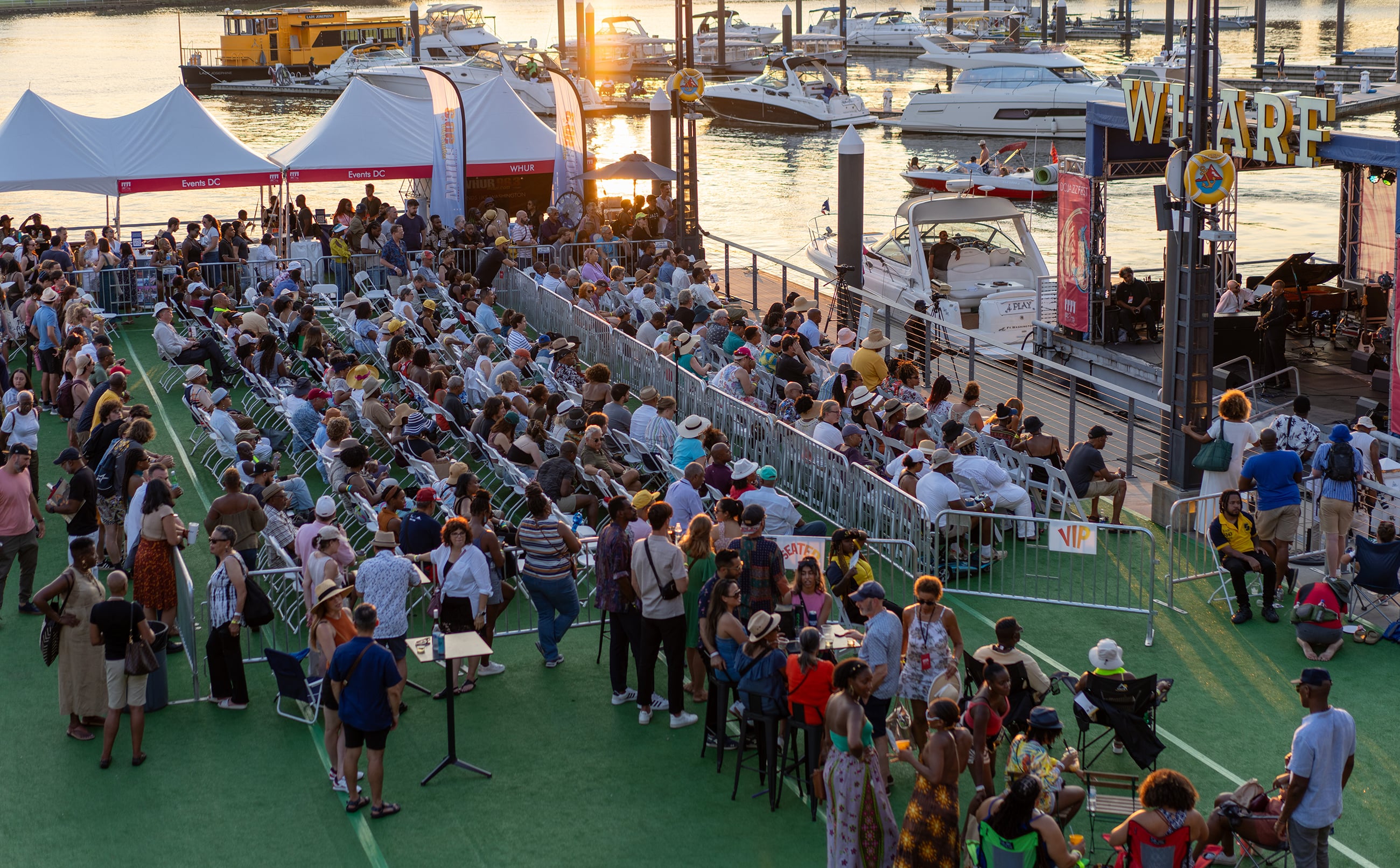
Though Russonello spends much of his time in New York these days, he’s still often out and about in DC, taking in live performances all over town, whether it’s a jazz-tinged African-funk band at the 9:30 Club or something more avant-garde at what he describes as the “deeply inspiring” venue Rhizome. So how is the local jazz scene doing? “It’s a great question,” Russonello says, before offering a mixed assessment. “I [go a lot to U Street jazz venue] Jojo’s, and I end up completely floored by the music,” as with a recent gig from pianist Colin Chambers, saxophonist Brian Settles, bassist Obasi Akoto, and drummer Charles Wilson. “It was just incredible: straight ahead in the tradition, but deep and expansive. And then I also end up wondering, why is this the only place on U Street? We don’t have enough venues. We don’t have enough affordable places for people to play. These cultural spaces are dying—they’re becoming so much more bar-centric. Something really important about the city dies when you don’t have places to walk in, no cover. Fifteen years ago, when [CapitalBop] started, there were like six or eight of those places on U Street. Now there’s one.”

Rob Brunner grew up in DC and moved back in 2017 to join Washingtonian. Previously, he was an editor and writer at Fast Company and other publications. He lives with his family in Chevy Chase DC.