In the mid-1960s to 1970s, the fight for civil rights and the era of “Free Love” contributed to the birth of an active, vibrant Gay and Lesbian community in the nation’s capital. Like New York and Los Angeles, DC became a place for people to establish a truer version of themselves in nightclubs, lounges, and house parties as well as community-specific sports leagues, communal housing, and bookstores. Organizations like PFLAG provided support and sanctuary, helping Gays and Lesbians carve out a space where they felt safe enough to thrive.
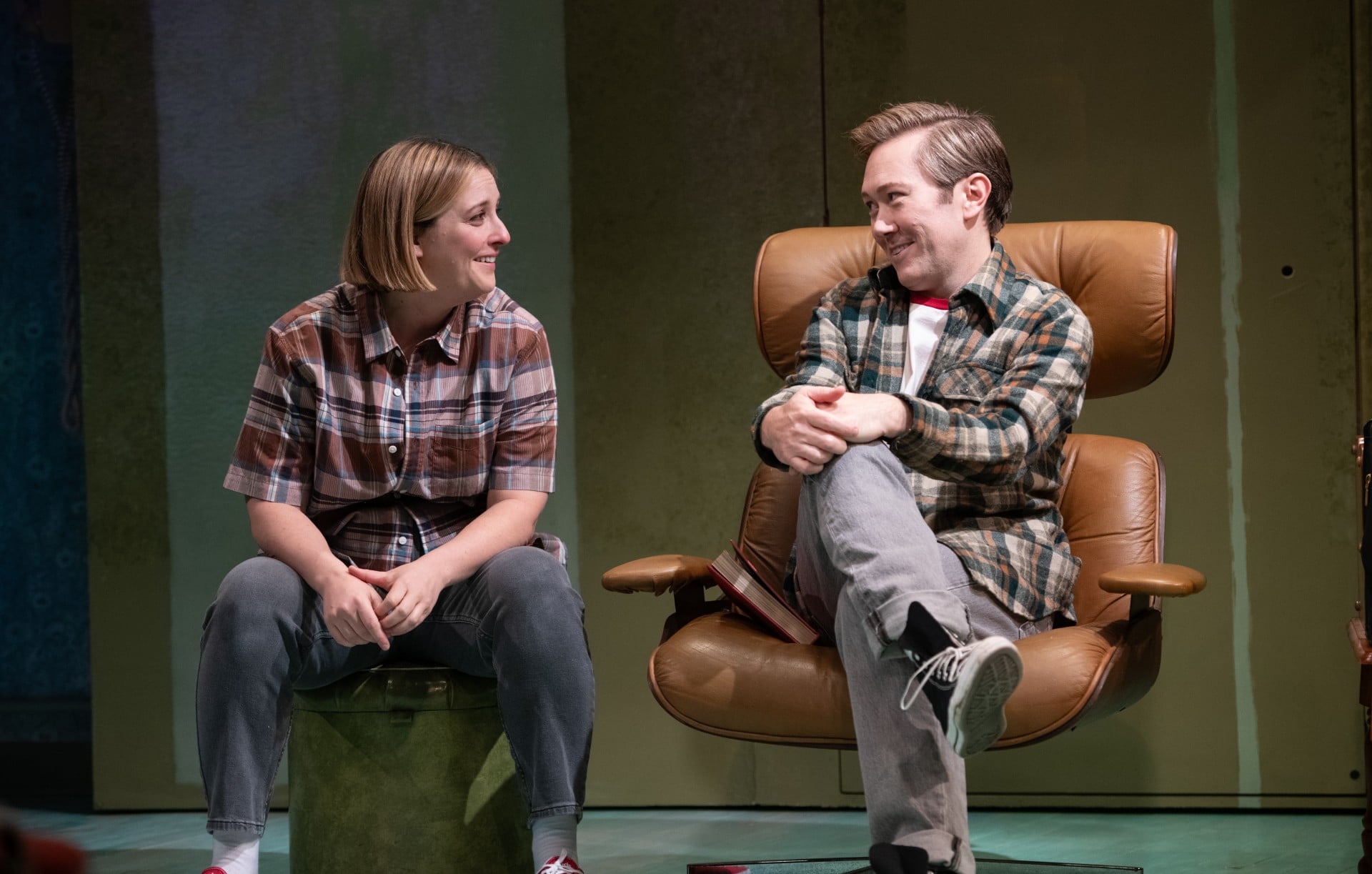
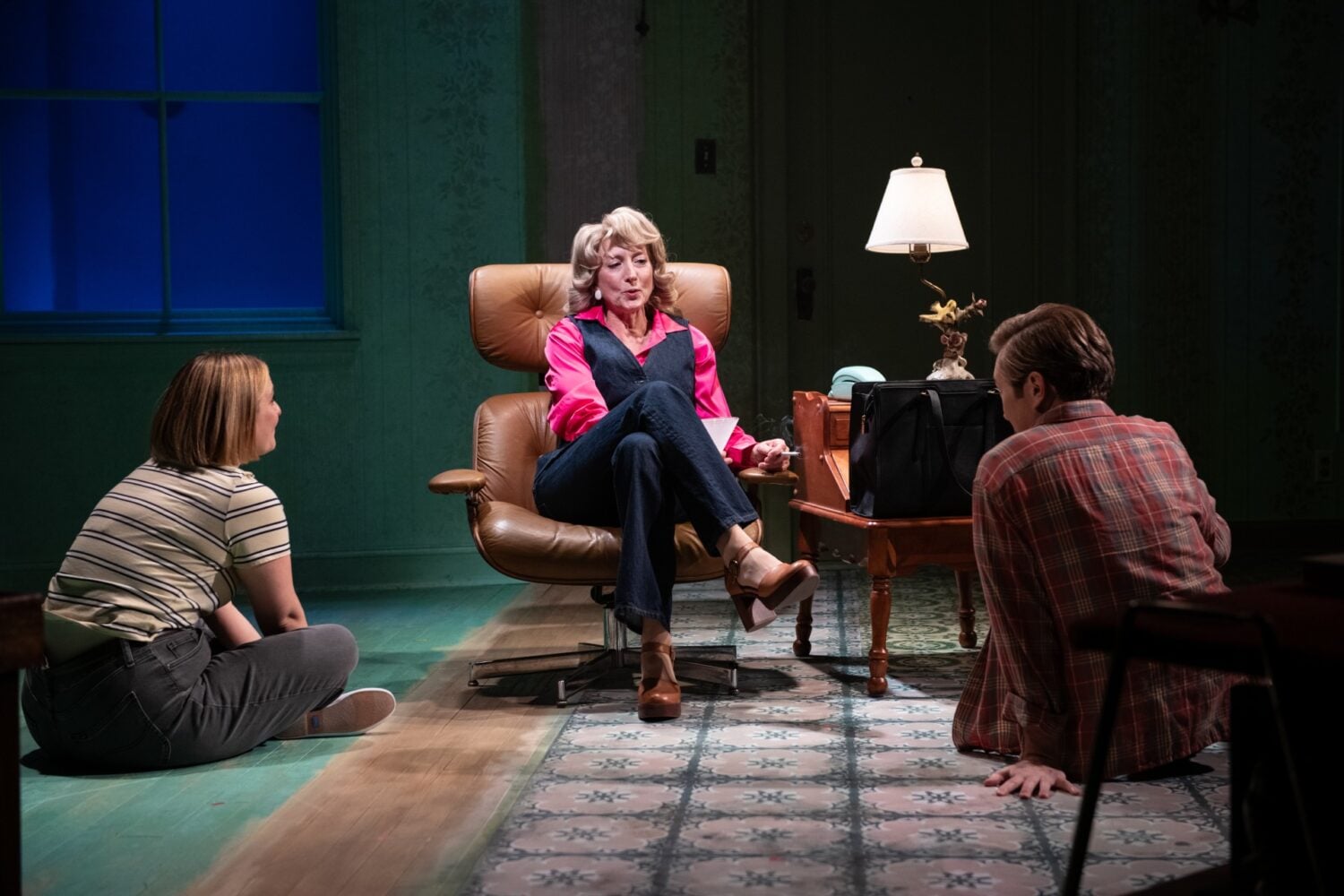
Paula Vogel’s DMV based play, The Mother Play: A Play in Five Evictions, centers on siblings Carl and Martha and their matriarch, Phyllis, a glamorous, demanding woman who descends into alcoholism. Throughout the play, the siblings reach out for their mother; as William Makepeace Thackeray put it, “Mother is God in the eyes of a child.” Even as they are coming to understand and accept their own identities, their mother’s homophobia and immediate rejection of Carl when he comes out to her is a brutal blow to both of them. Eventually, Martha brings Phyllis to PFLAG, hoping she can learn from other parents of Gay children how to support and accept her son, a process she is resistant to at first.
Phyllis starts to come around to the idea of accepting Carl when Martha offers to bring her to a Navy Yard-based Gay nightclub, Lost and Found (a name longstanding DC residents may recognize), to offer her a positive understanding of his life and community. The meeting goes awry once Phyllis learns that Martha is also Gay, an event which brings the siblings even closer together.
By the 1980s and through the 1990s, the HIV/AIDS epidemic decimated the LGBTQ community, and with it began the slow shuttering of various gathering places like Lost and Found, Lesbian nightclub Phase 1, and the predominantly Black spaces The ClubHouse and Bachelor’s Mill. It was also a time when the LGBTQ community put aside some of their divisions to fight for health equity for the Gay, Black and Black Gay people at the center of the crisis who lacked medical and often familial support. Many health care organizations critical to the DC community today were formed in the HIV/AIDS crisis of the 1980s.
In a recent interview, Vogel reminisced about the places that defined her childhood, like the National Theatre and the Washington National Cathedral, and how the changes in presidential administrations shaped those places in DC. Her deep affection for the DC region, even the suburban areas where her mother—trying to pull the family up over the poverty line—faced repeated evictions, shines through in The Mother Play.
In an interview with Studio Theatre’s Artistic Producing Fellow, Ella Talerico, longtime residents and Gay elders Wes Morrison and Olivia O’Neal, members of Whitman- Walker Health’s Silver Circle, recall the bustling LGBTQ nightlife of the city prior to the 1980s.
When O’Neal moved to DC from the South in the 1970’s as a young Gay woman, she found freedom and a large community of other LGBTQ youth. “There were so many of us! I hung out every weekend—tracks, the clubhouse—you name it. We had a ball. It was the first time I could be myself without fear,” O’Neal said.
For both elders, much has changed within the community and the political climate over the years. The utility of those safe spaces never waned, but the way they were used shifted drastically out of necessity during the Reagan era. Former nightlife spaces like The ClubHouse began to offer support and services to members of the LGBTQ community during that time.
“I remember the AIDS Quilt coming to DC in 1985, spread across the National Mall,” Morrison said. “The silence was deafening. You could feel the loss in the air. We lost at least two generations—artists, dancers, stylists, [and] theatre people. I kept an obits book. Between 1990 and 2000, I lost 200 friends.”
As Morrison, O’Neal, and Vogel look back on their time in the DC area in the 1960’s to the 1990’s, reflecting on what was lost, gained, and how they survived it; they’ve found that the past is never as far away as we think.
The Mother Play: A Play in Five Evictions is now running at Studio Theatre through January 4, 2026. Tickets are available at studiotheatre.org.