Foie gras could be on the menu for DC voters next year. An animal welfare group called Pro-Animal Future is attempting to get an initiative on the ballot next November that would ban the sale of the luxury ingredient, which is typically produced by force-feeding ducks or geese to engorge their livers.
The DC Board of Elections has approved the “Prohibiting Force-Feeding of Birds Act” to proceed in the ballot process, but it’s still awaiting a fiscal impact statement from the Department of Finance and Revenue. After that, Pro-Animal will need to collect signatures from 5 percent of registered DC voters across at least five wards before the measure actually ends up on the ballot.
Foie gras is already banned for commercial sale across California, plus in places like Pittsburgh and Brookline, a suburb of Boston. Bigger cities, like Chicago and New York, have overturned bans over the years.
“This is a very uniquely cruel practice that I think a lot of people could agree with is not a humane way to treat animals,” says Pro-Animal spokesperson Anvar Ruziev. He notes that the practice of inserting a tube into a bird’s throat to deliver excess feed can enlarge its liver up to ten times its normal size.
Under the initiative, retailers and restaurants that serve foie gras could be fined $1,000 to $5,000 per violation and risk having their business license suspended for repeat offenses. The measure would focus on commercial sales. As in California, individuals could still have foie gras for personal consumption. The act would also ban foie gras farms from operating in DC, though none currently exist. If a DC ban were to get on the ballot and pass, it would take effect July 1, 2027.
“It’s a ridiculous waste of time. The production of foie gras has been around since at least Rome, possibly before,” says Butterworth’s chef Bart Hutchins, who’s been a champion of foie gras throughout his career, including during his time at Le Mont Royal where he made foie gras Twinkies. At Butterworth’s, he serves the fatty liver atop a lamb tartare and incorporates it into many sauces. “If we can’t appreciate these food ways that have been passed down for generations upon generations, everything’s just going to become a chicken finger.”
Hutchins says he doesn’t see foie gras production as uniquely cruel: “The vast majority of Americans are eating pigs that are raised in [Concentrated Animal Feeding Operations], stuffed on top of their own shit and completely unhealthy and injected with every single antibiotic,” he says. While he says could get behind a ban on those practices, he calls a foie gras ban “just completely silly and asinine.”
While other animal rights groups have attempted to stop the sale of foie gras by loudly protesting restaurants, Ruziev says Pro Animal is focused exclusively on achieving its mission through policy and legislative actions. “We try to keep our image very clean,” Ruziev says.
Pro-Animal is also working to get a foie gras ban on the ballot in Denver and, further down the line, in Portland. The group, whose mission is to phase out factory farming, previously tried and failed to ban fur in Denver.
The DC Coalition Against Foie Gras has taken more aggressive tactics, protesting in front of restaurants with megaphones and graphic images of force-fed birds. The group claims that it’s gotten more than 20 DC restaurants to stop serving foie gras. Kinship and Métier owner Eric Ziebold sued members of the DC Coalition Against Foie Gras for stalking during their first campaign against his upscale Shaw restaurants, but the DC Superior Court dismissed the case.
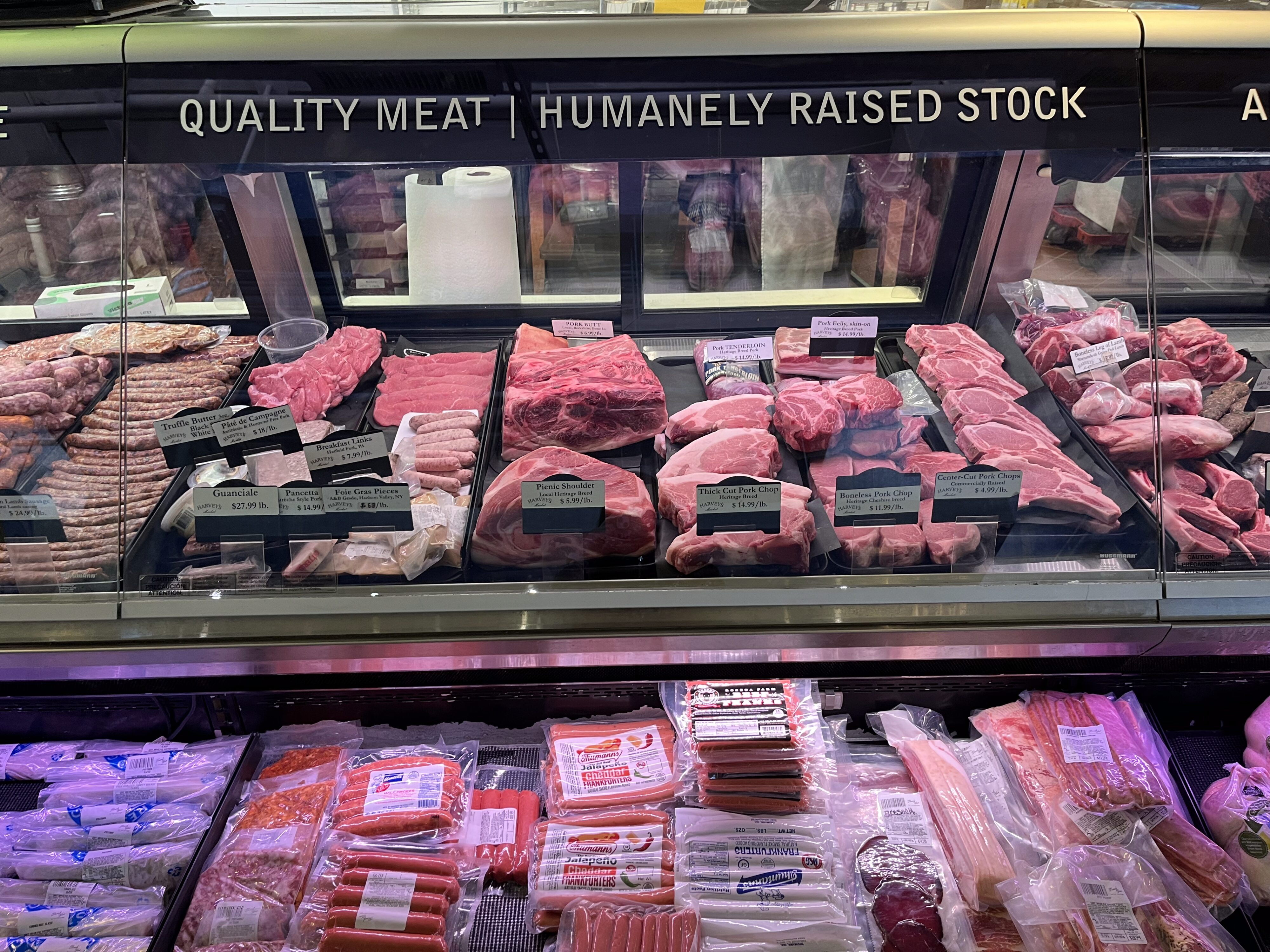
Meanwhile, another group called Animal Outlook sued Harvey’s Market in Union Market last year for misleading advertising after the butcher shop labeled a case that included foie gras among other meats with the words “humanely raised” and “free range.” Harvey’s, which changed ownership last spring, has since stopped selling foie gras and agreed to a settlement in June.
Hutchins of Butterworth’s says he doesn’t recall any customer ever coming to him with concerns about serving foie gras. And while the Capitol Hill restaurant has seen plenty of protesters for its MAGA-leaning clientele, it hasn’t faced any for serving foie gras.
“They can come here if they want,” Hutchins says. “They’ll be about as effective as the other protesters.”

Jessica Sidman covers the people and trends behind DC’s food and drink scene. Before joining Washingtonian in July 2016, she was Food Editor and Young & Hungry columnist at Washington City Paper. She is a Colorado native and University of Pennsylvania grad.